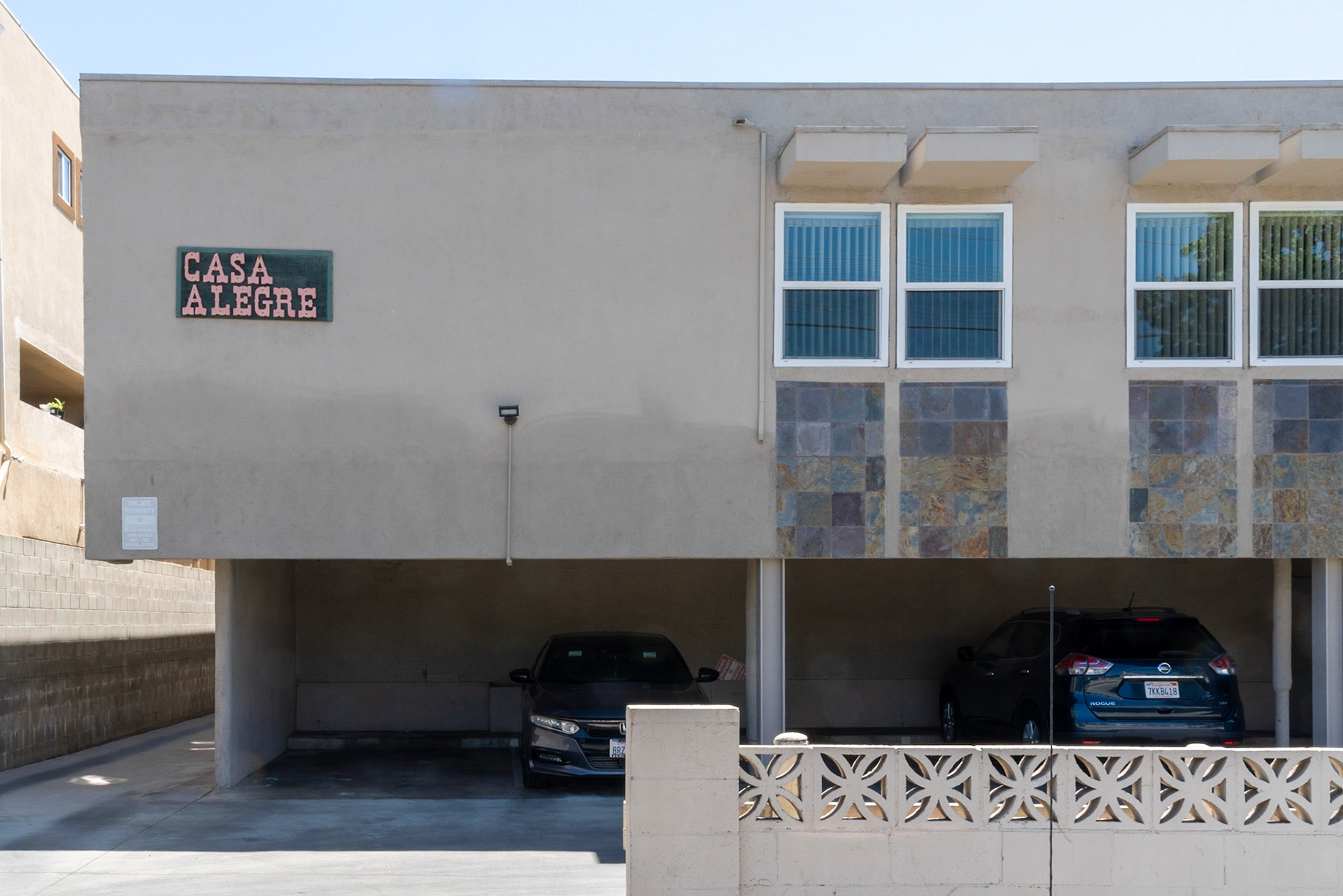
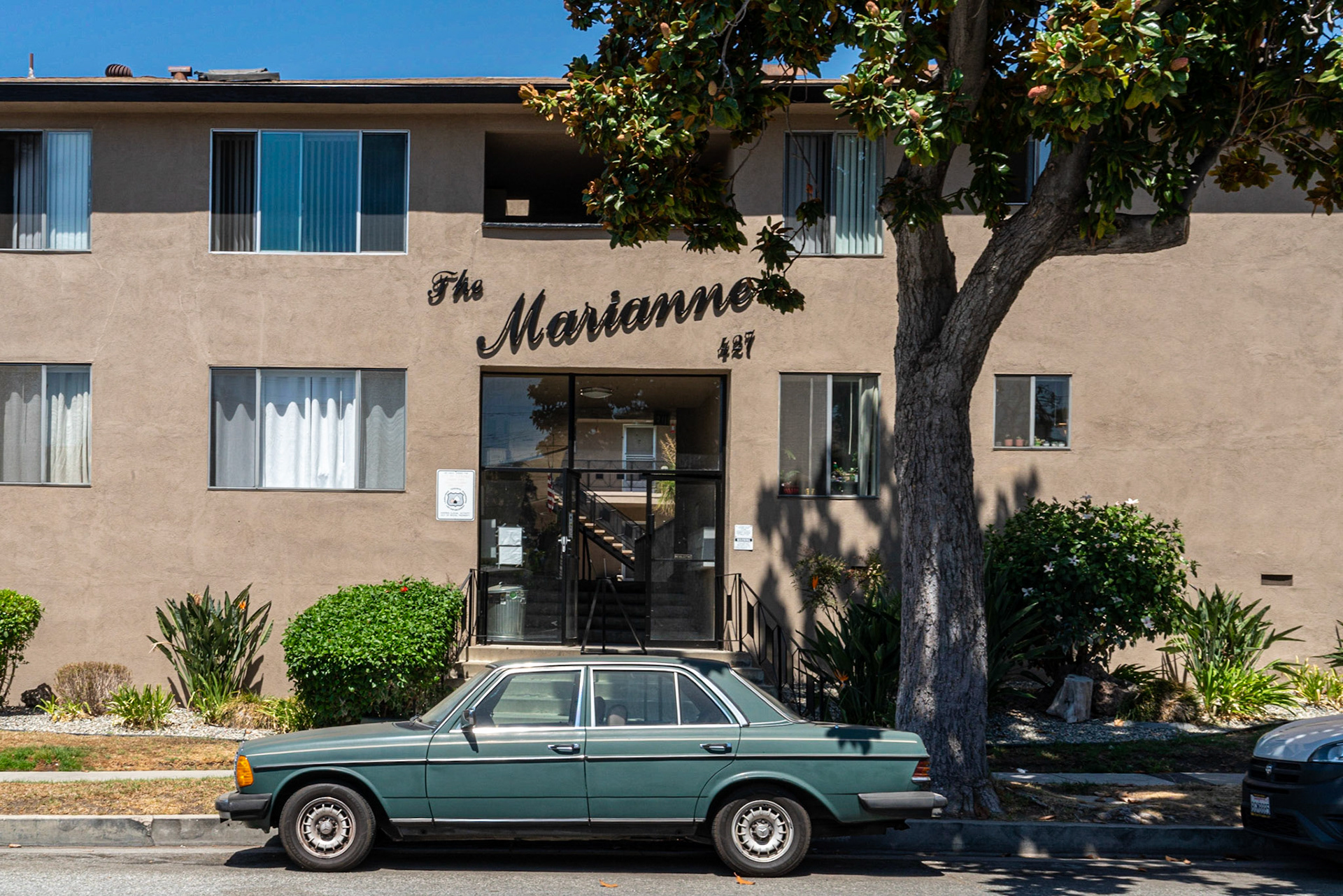
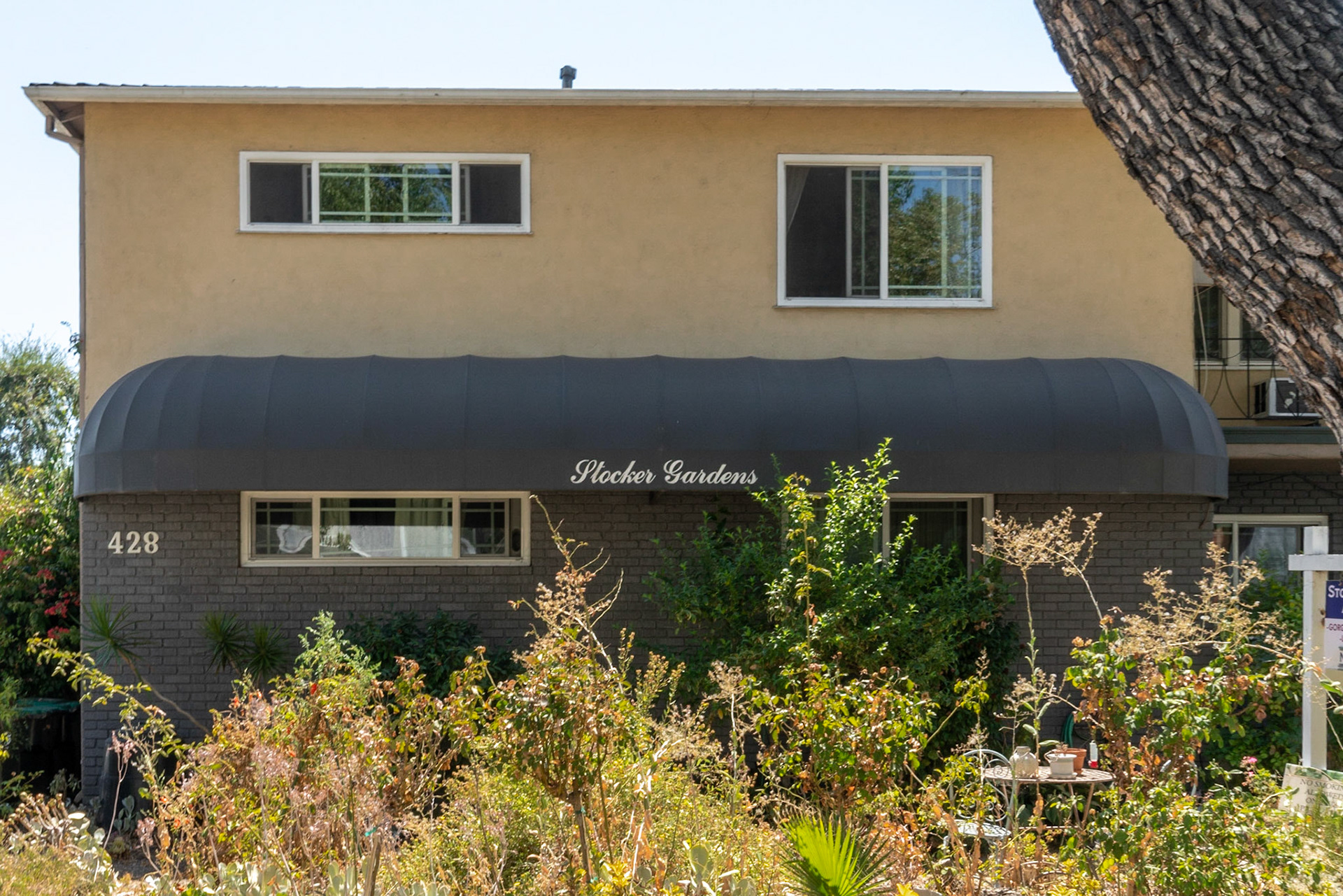
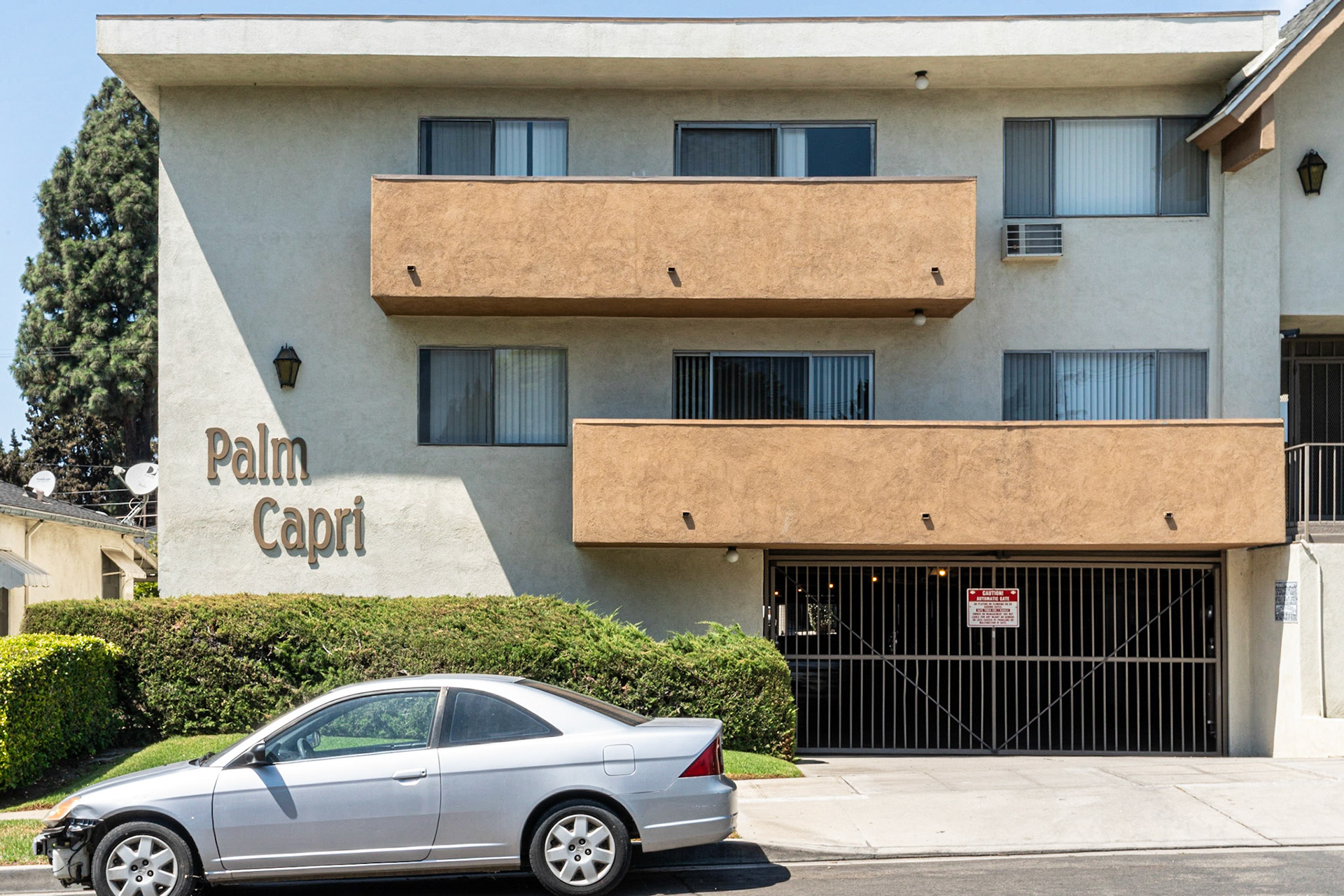
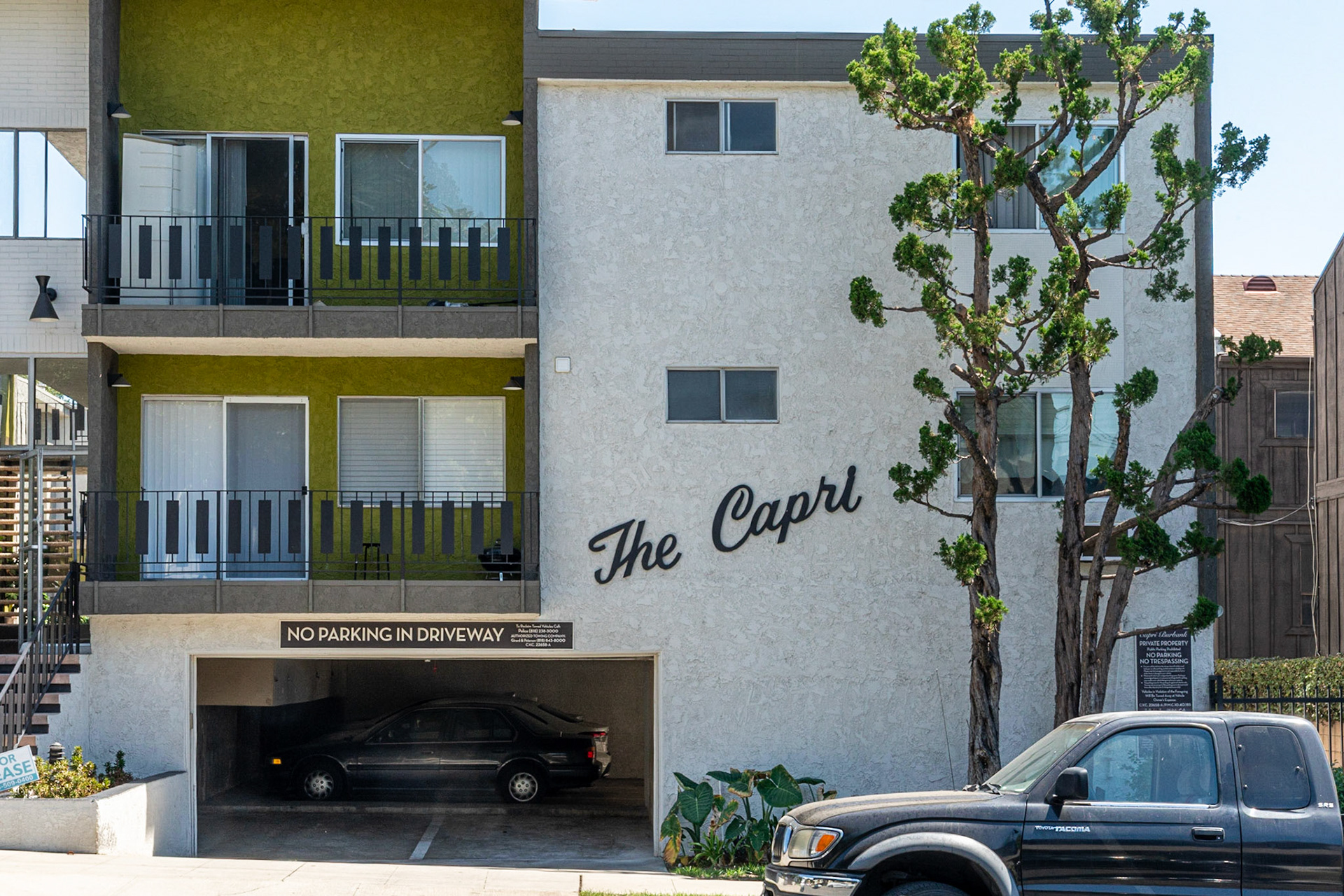
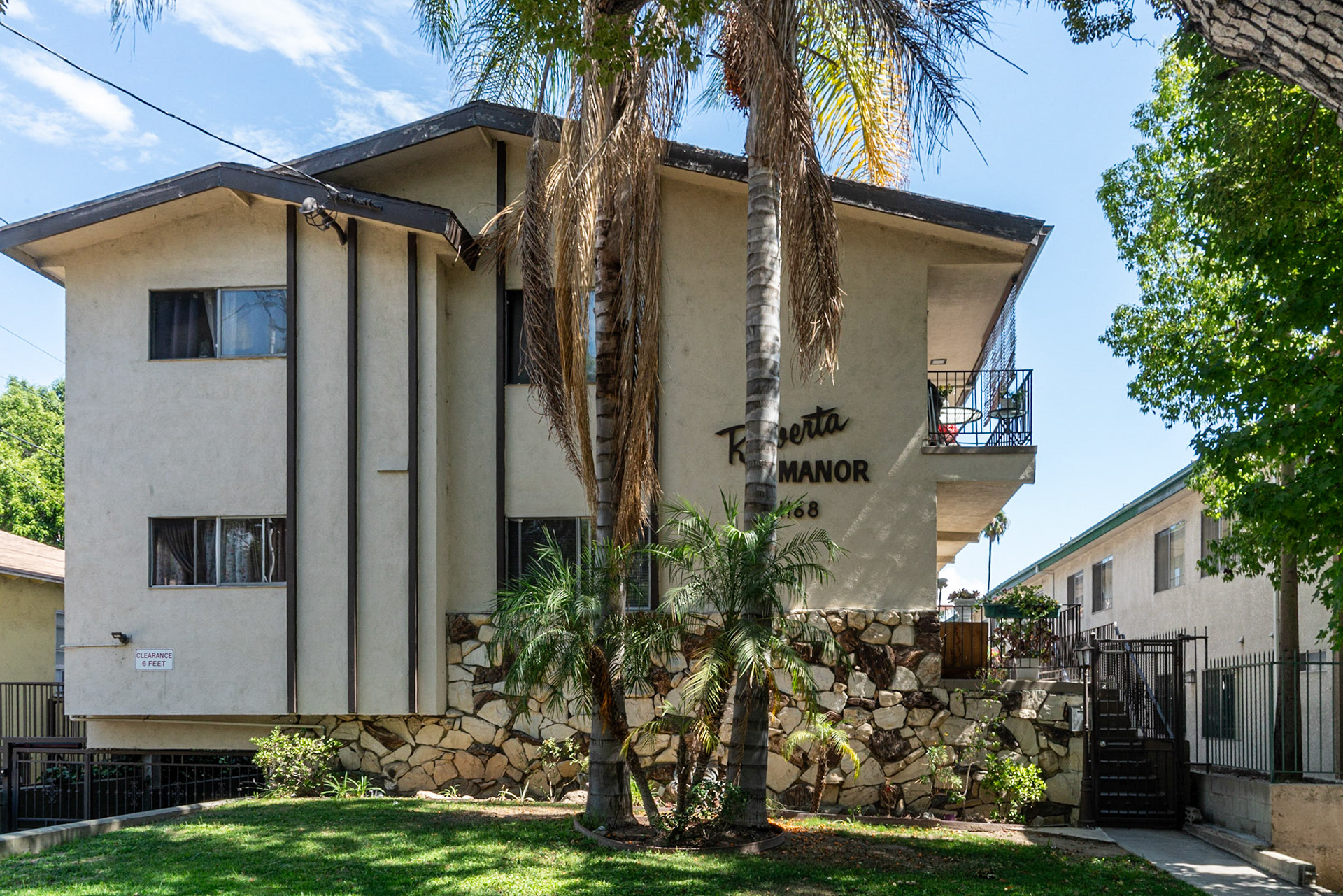
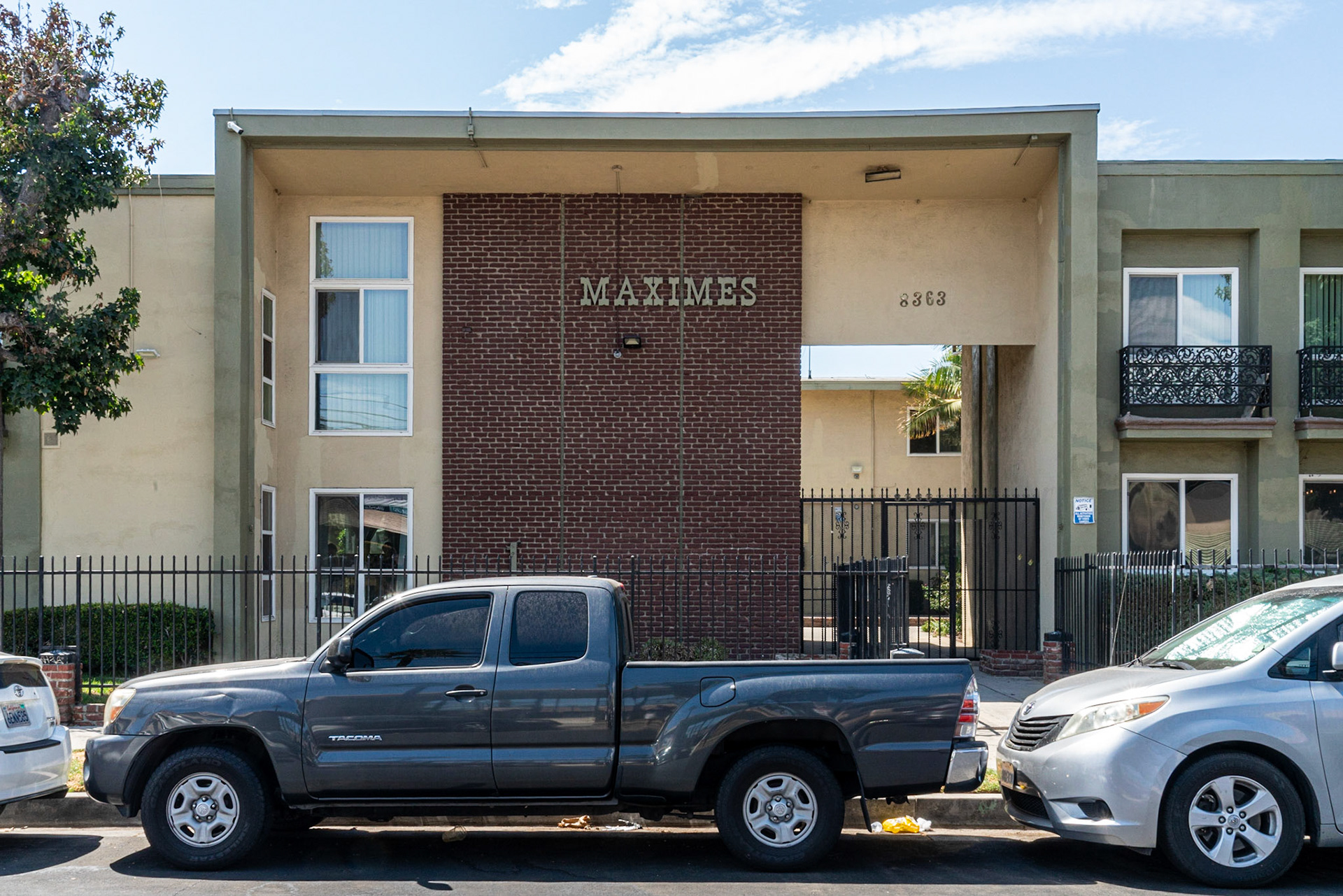
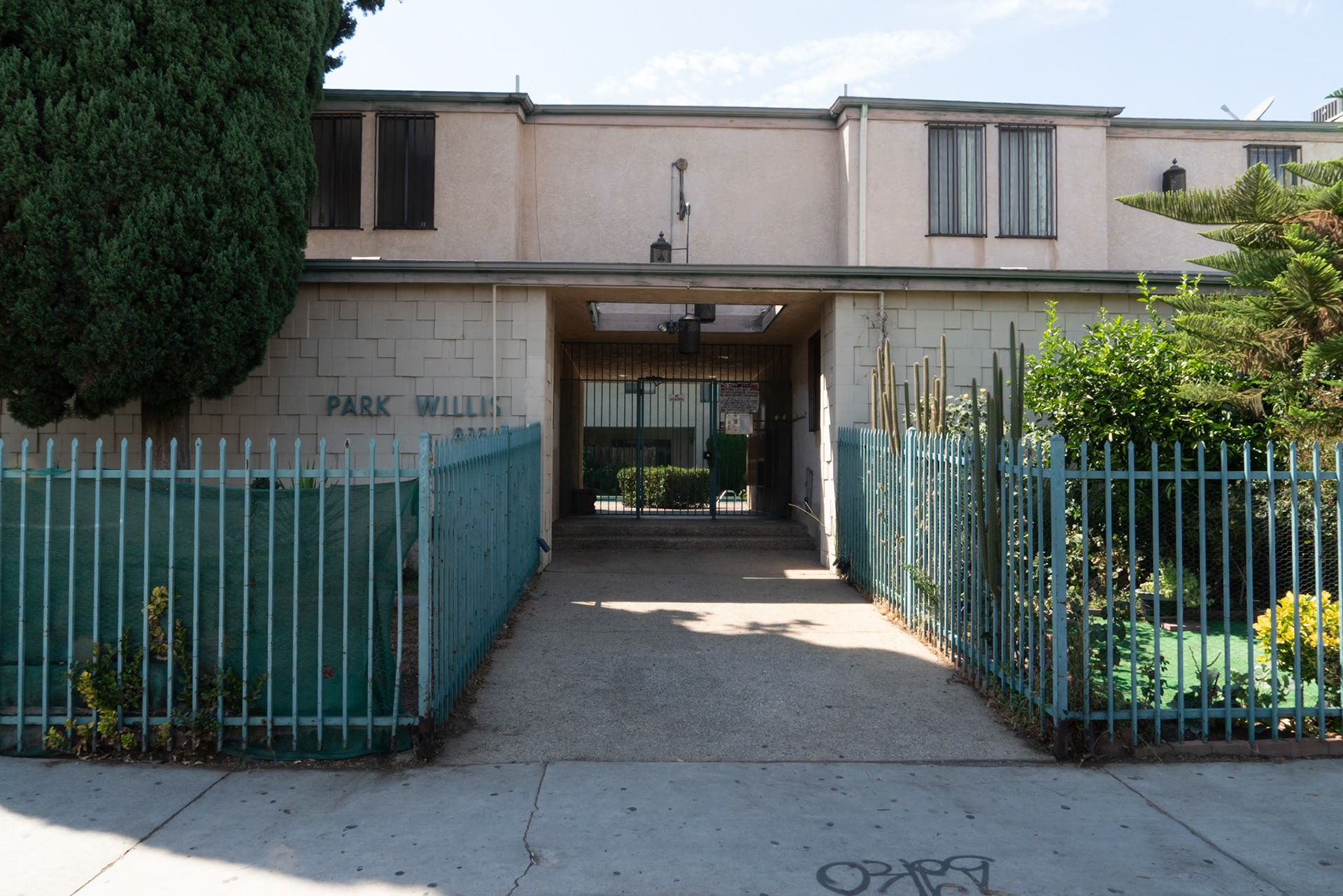
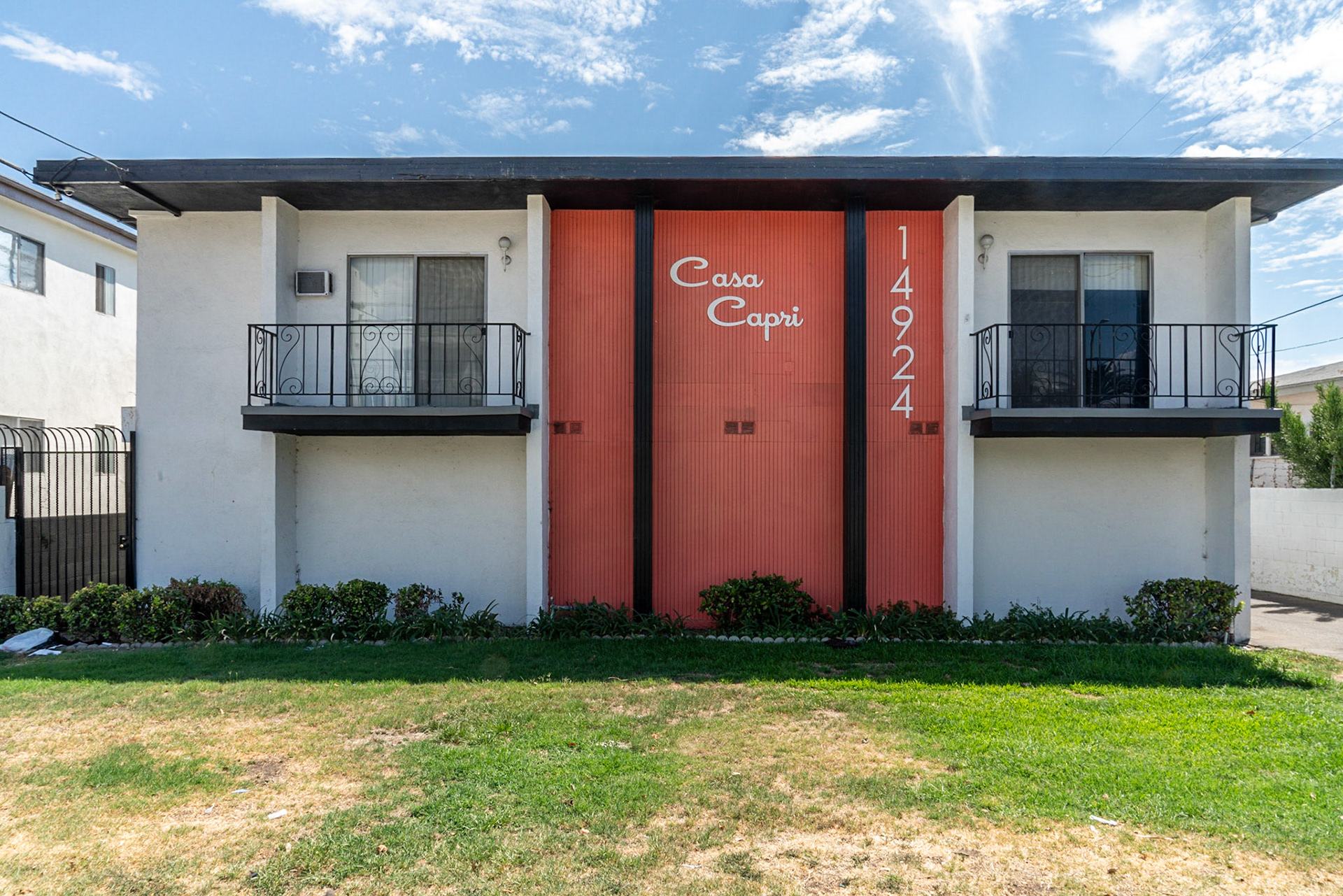
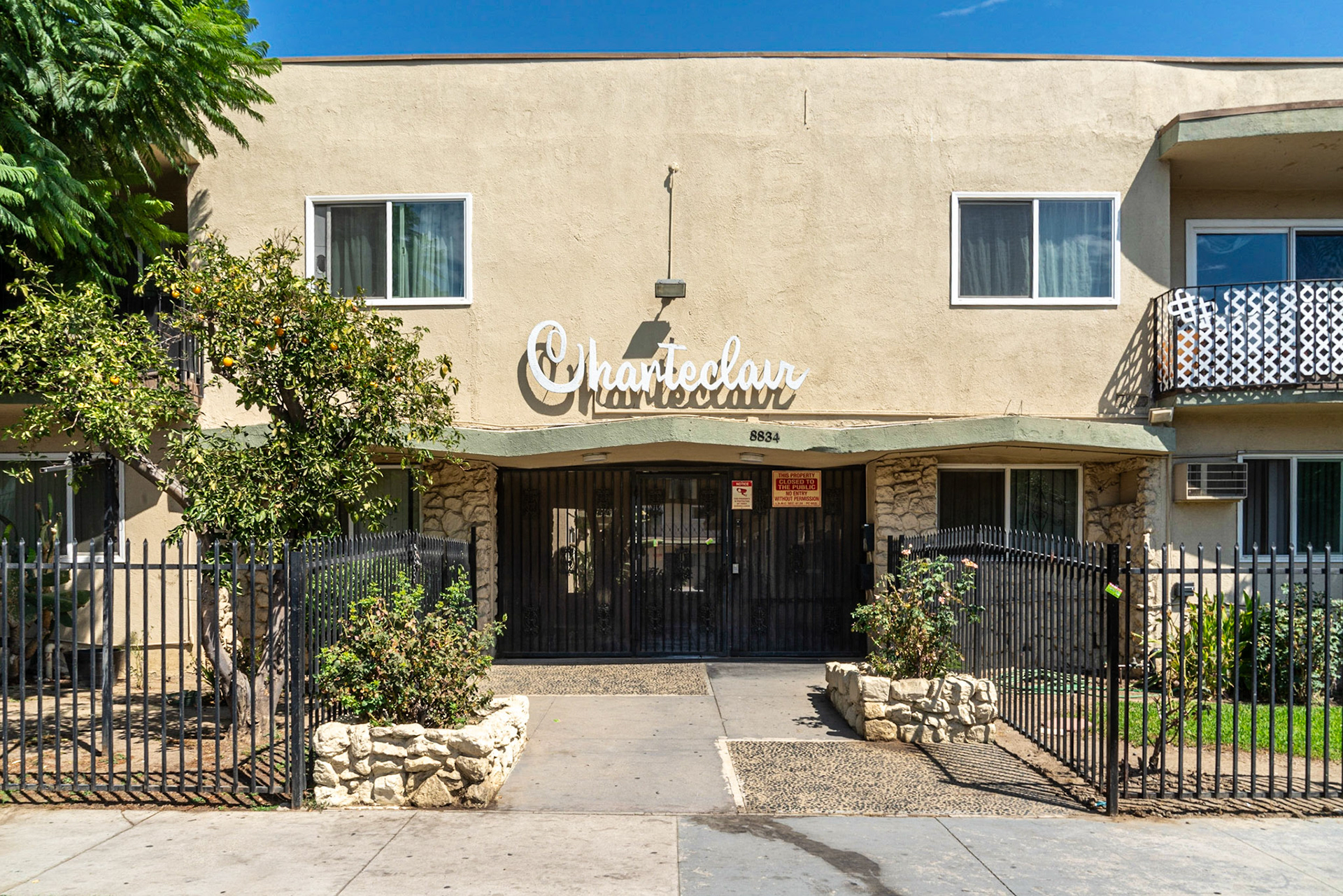
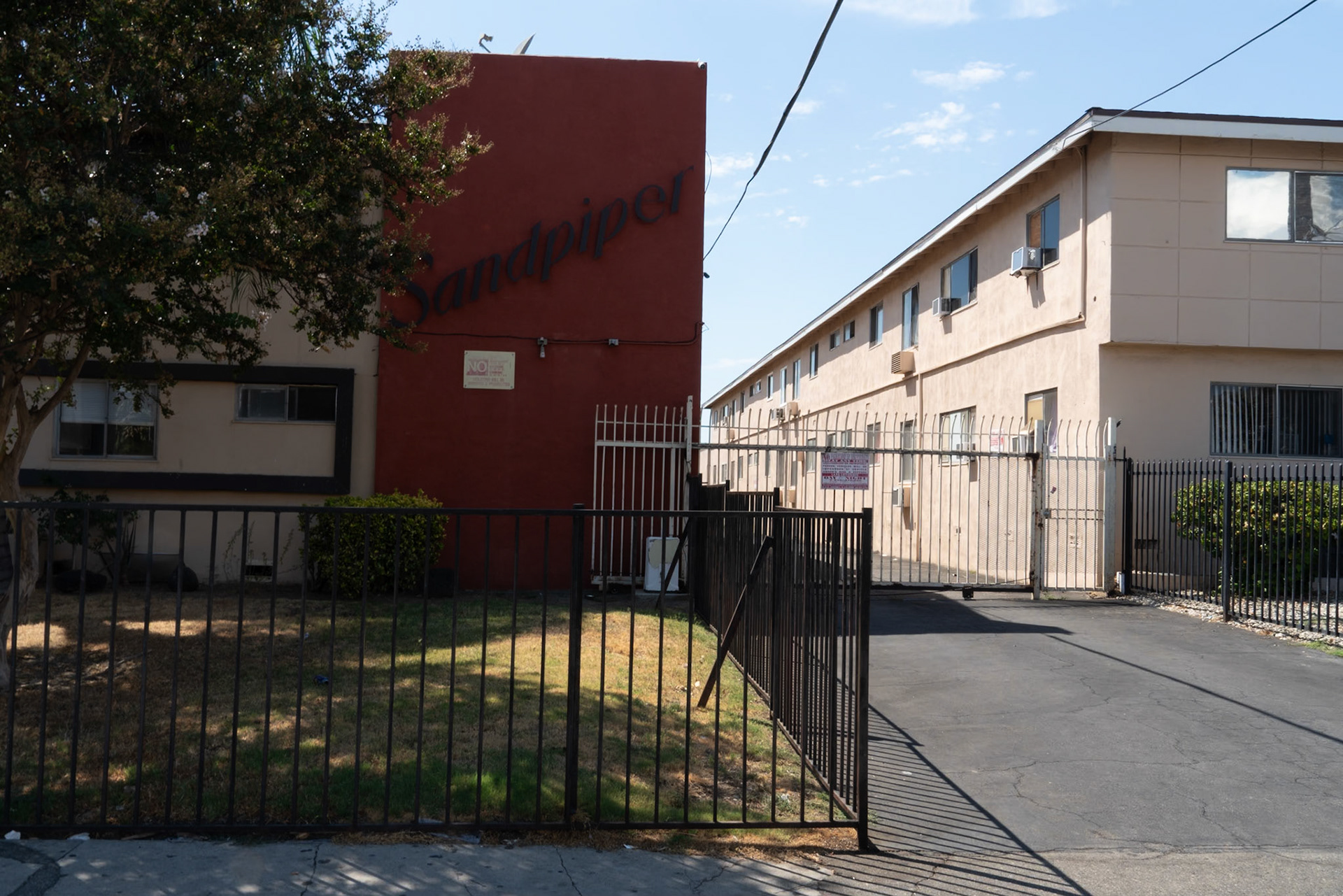
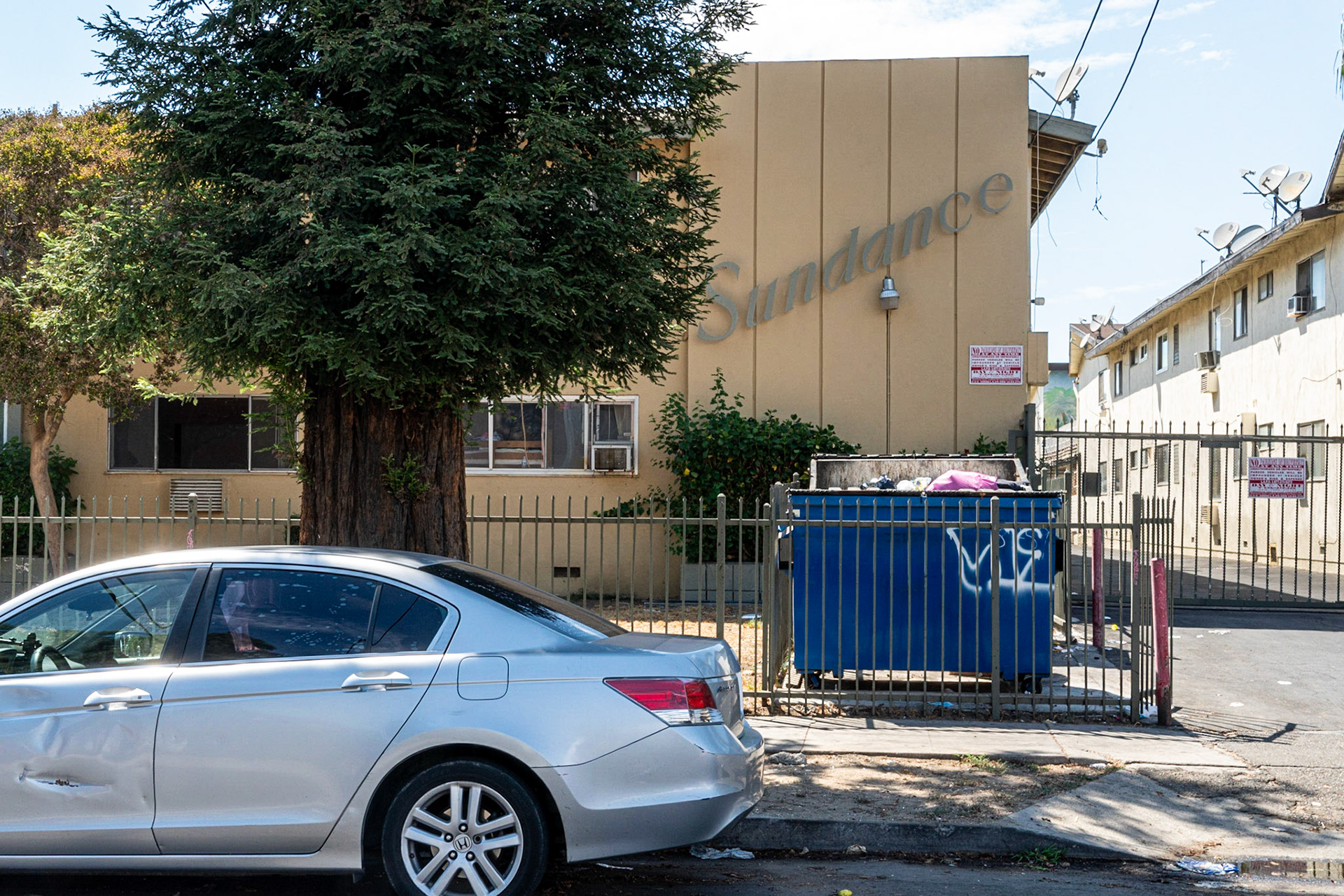
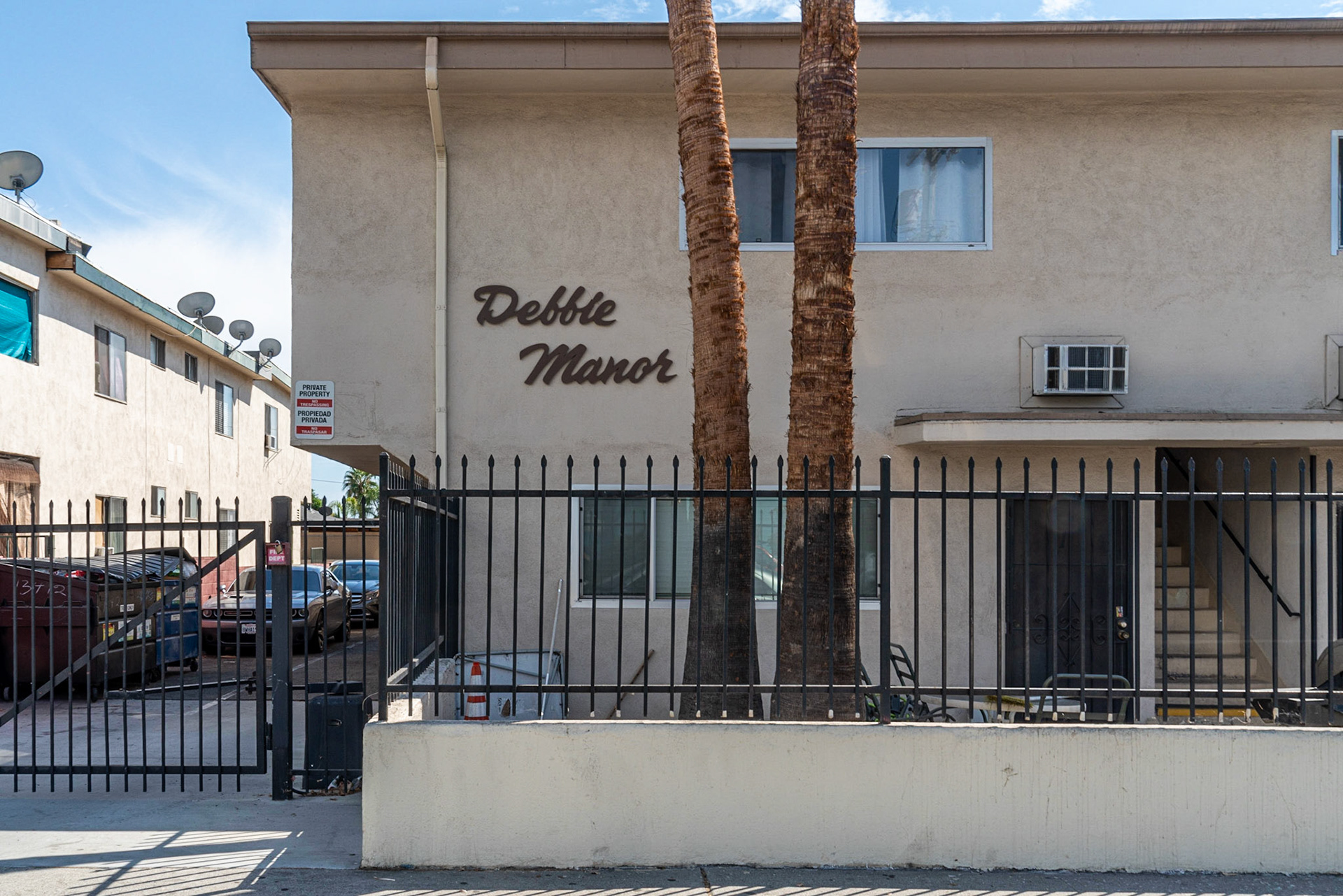
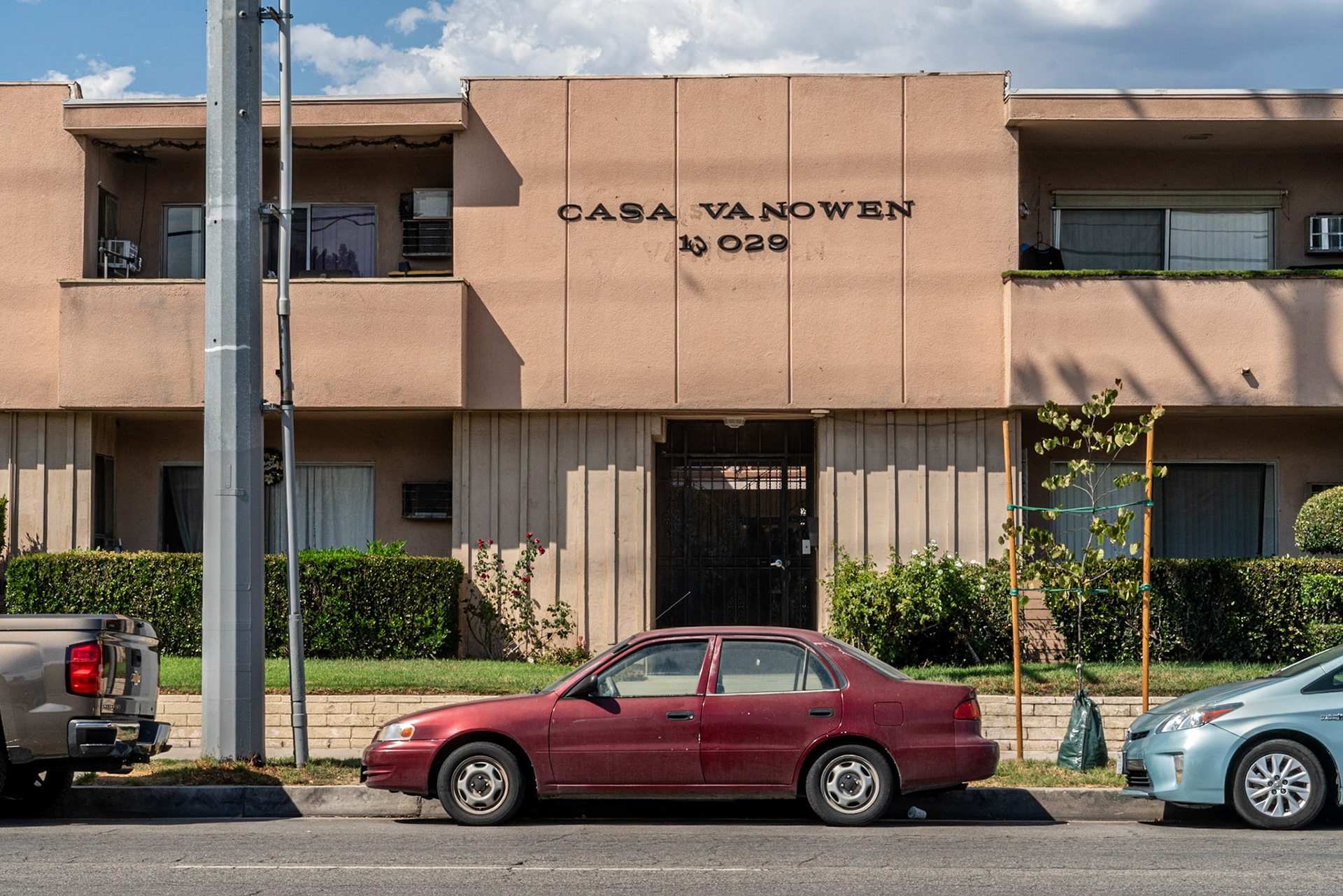
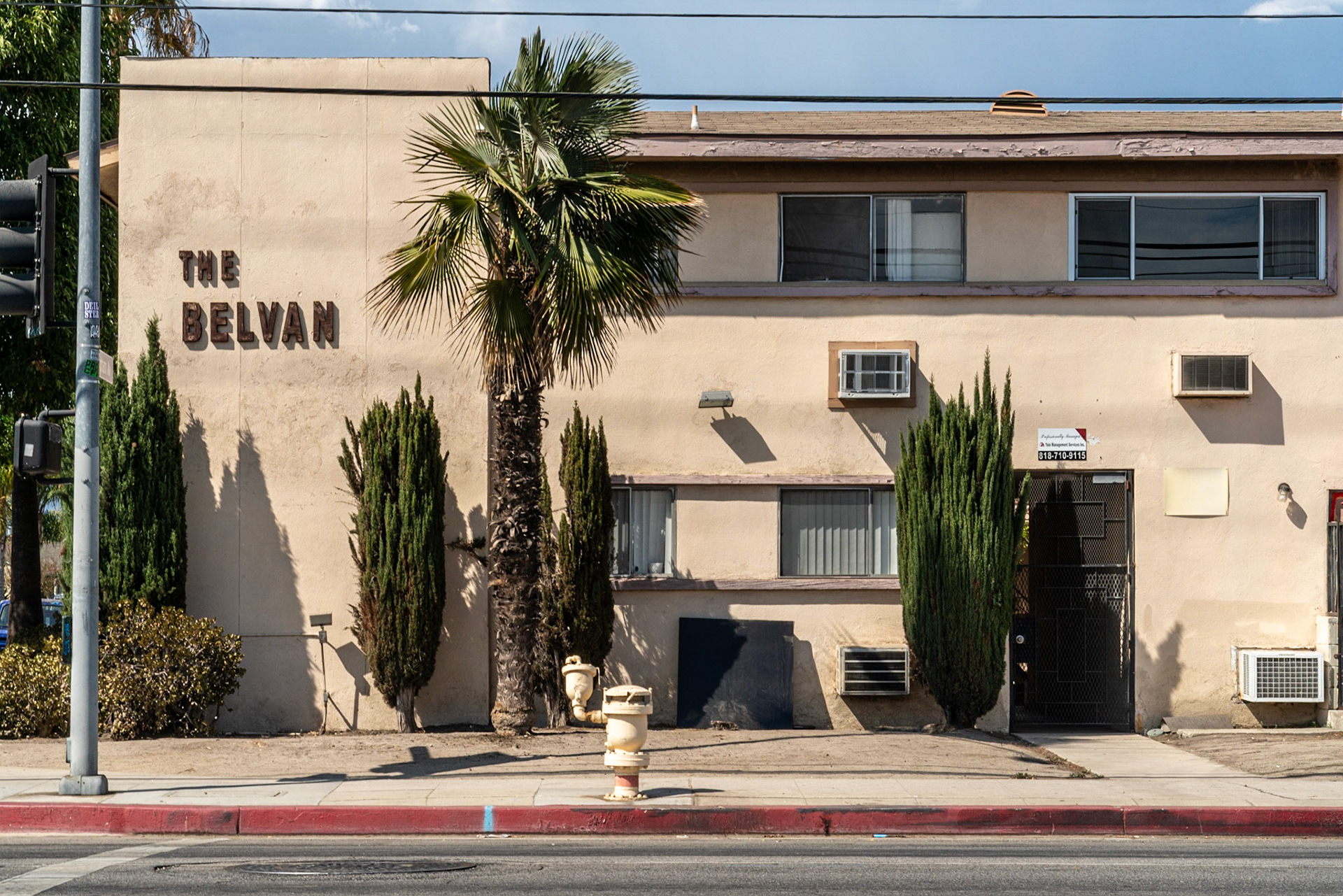
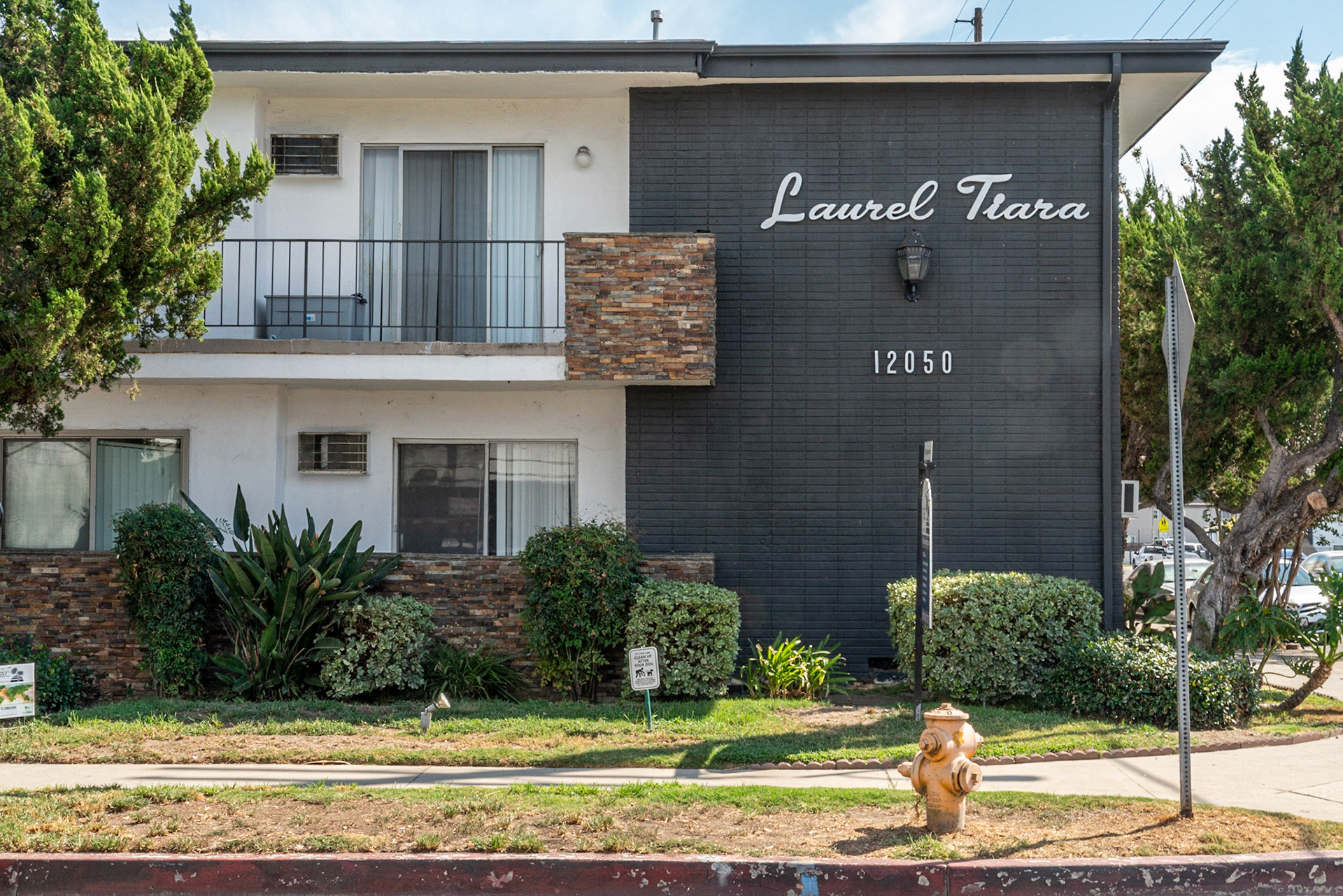
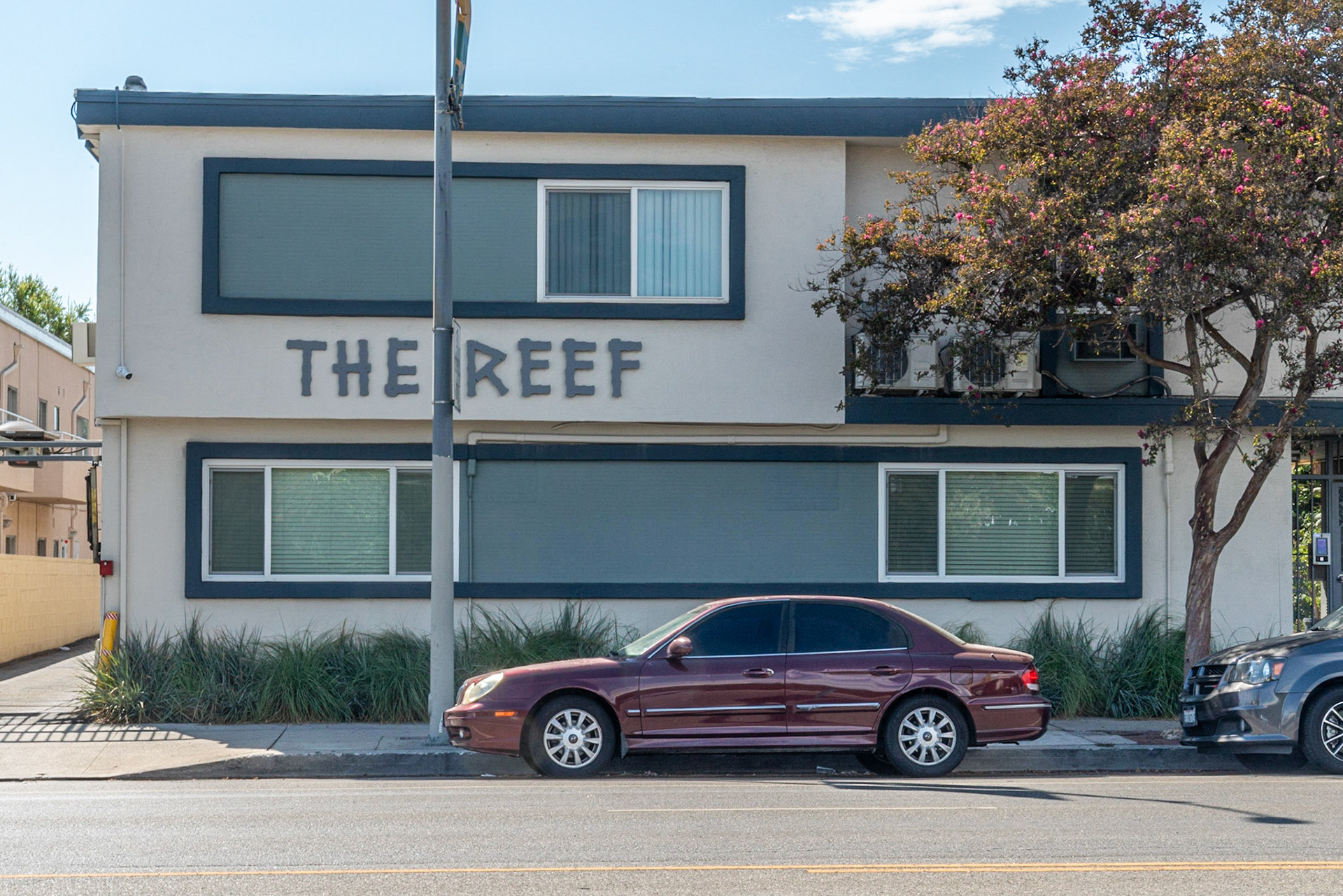
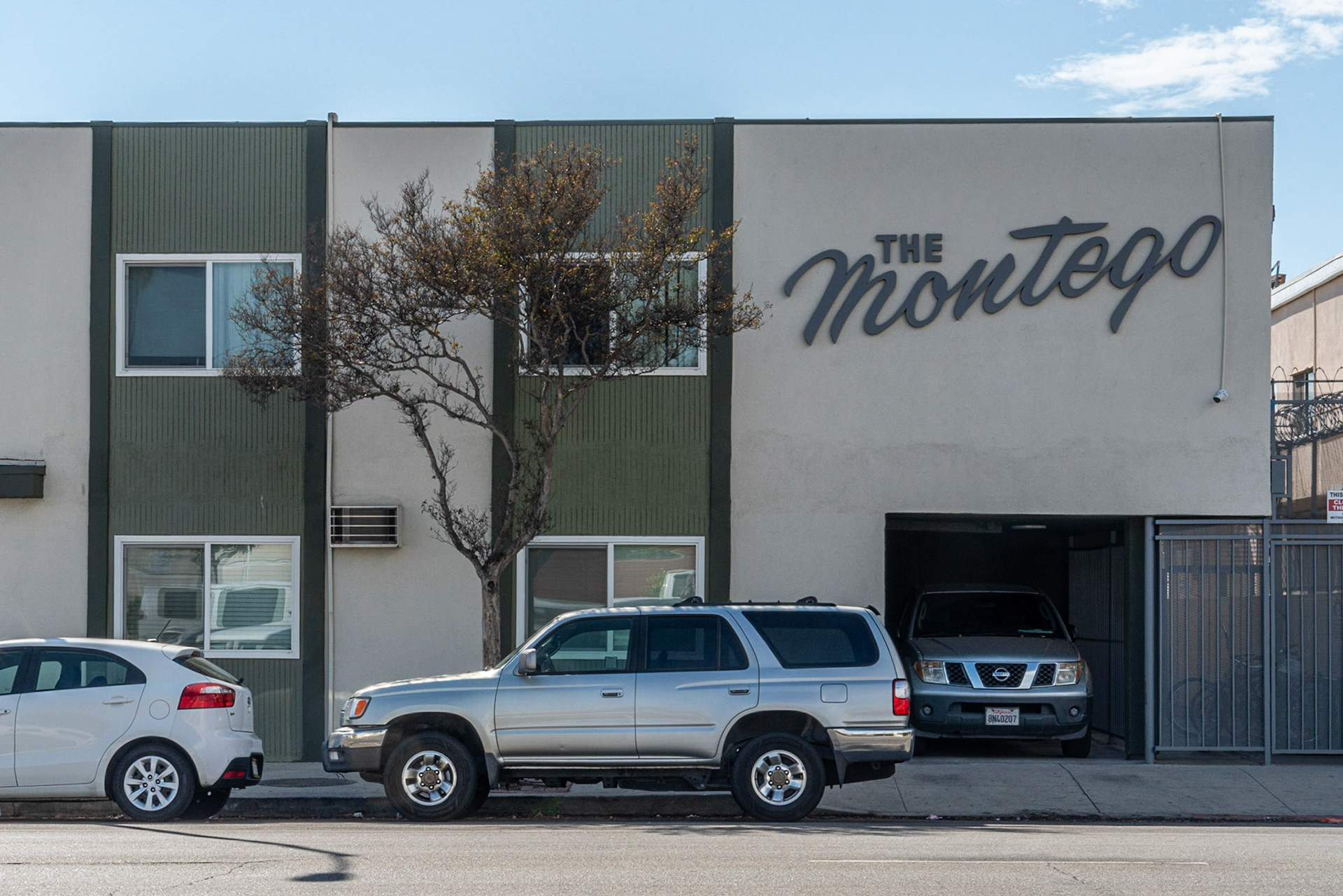
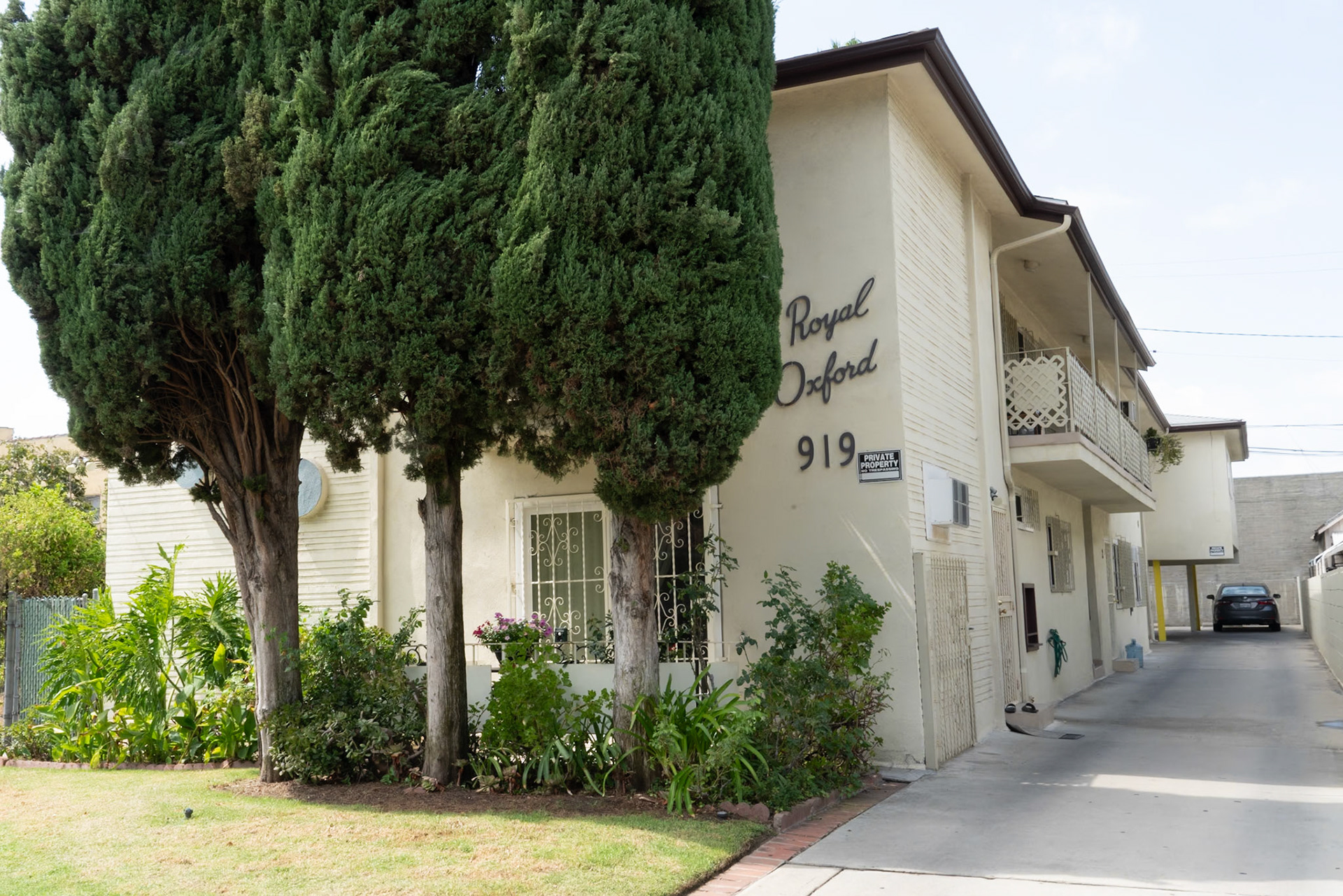
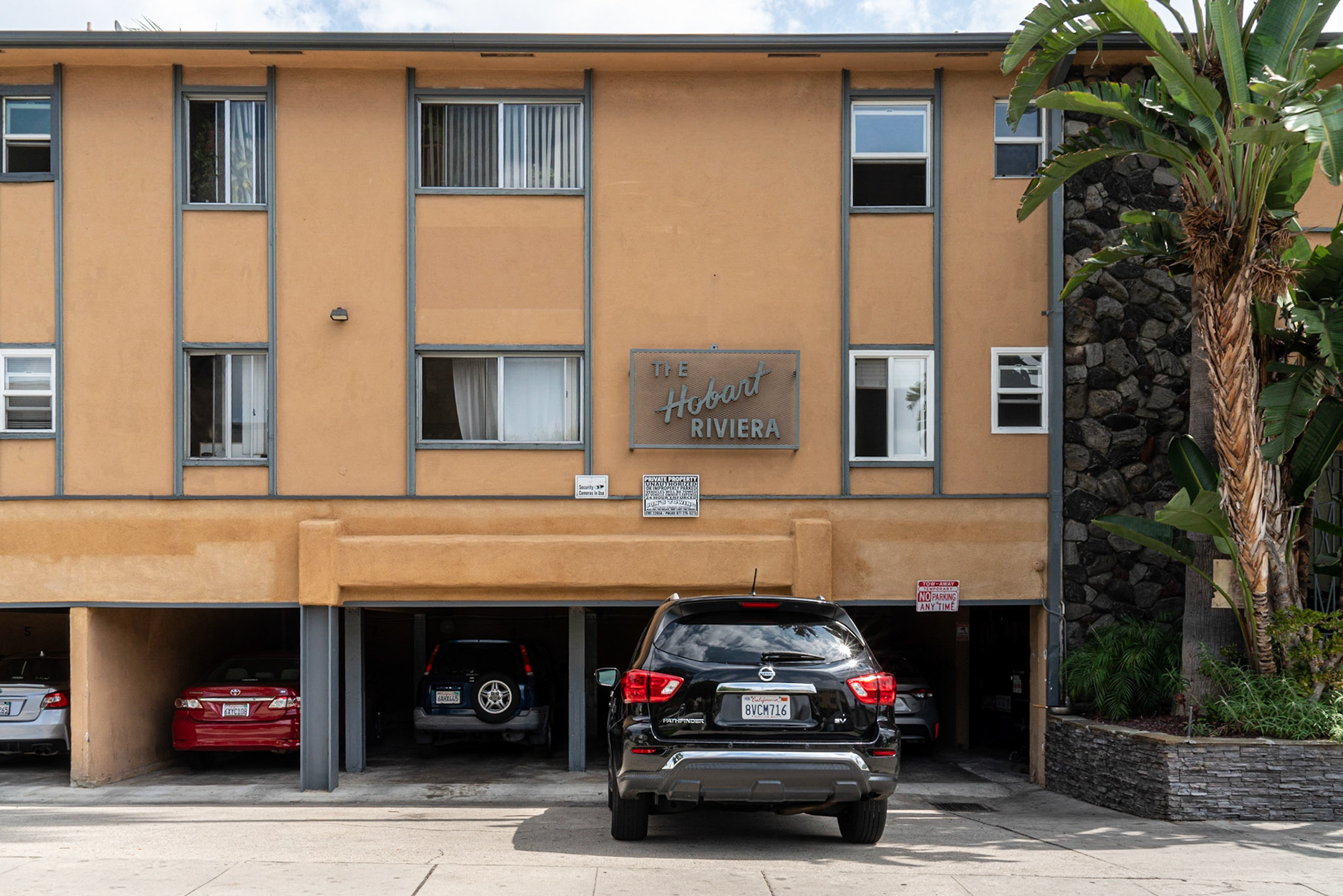
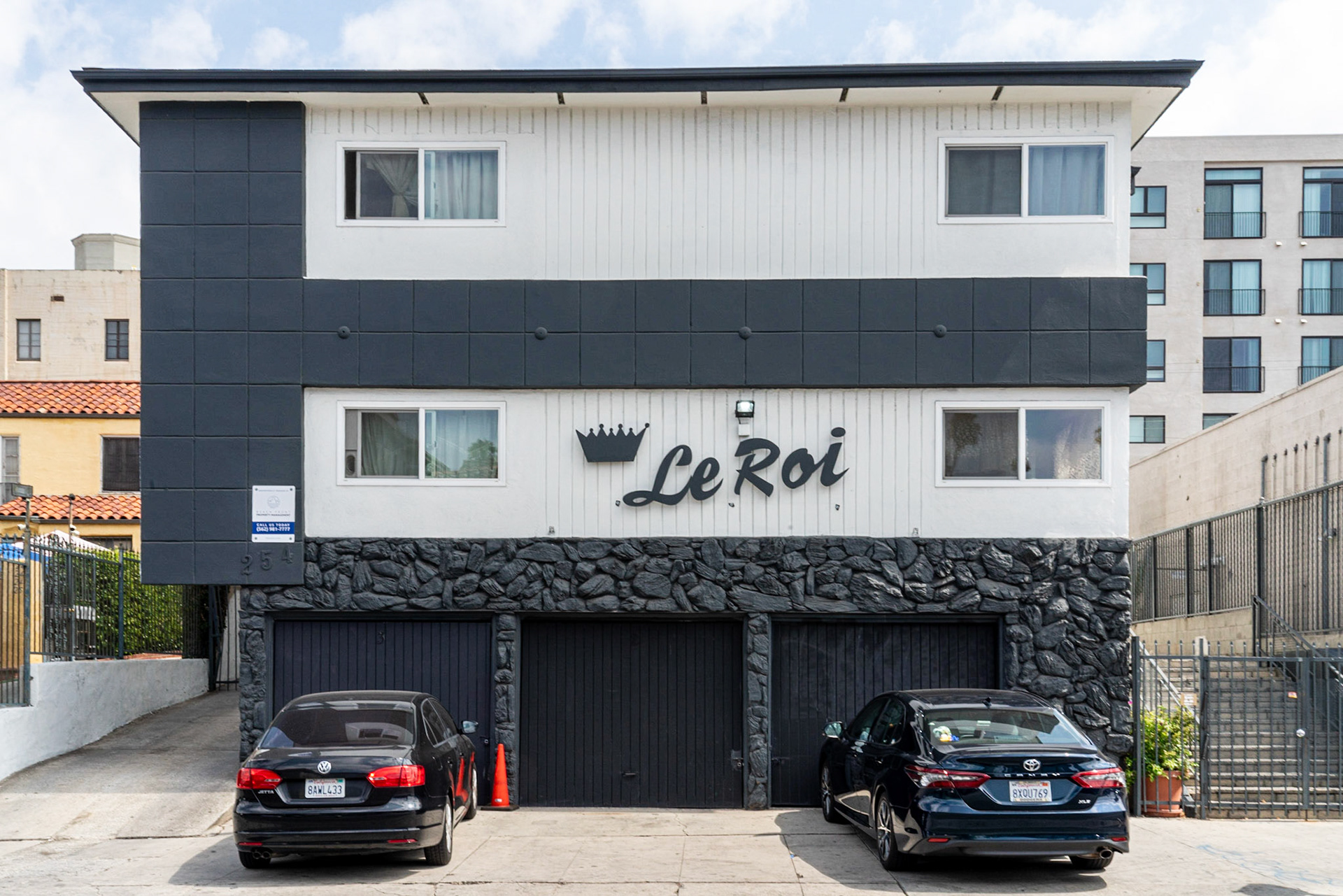
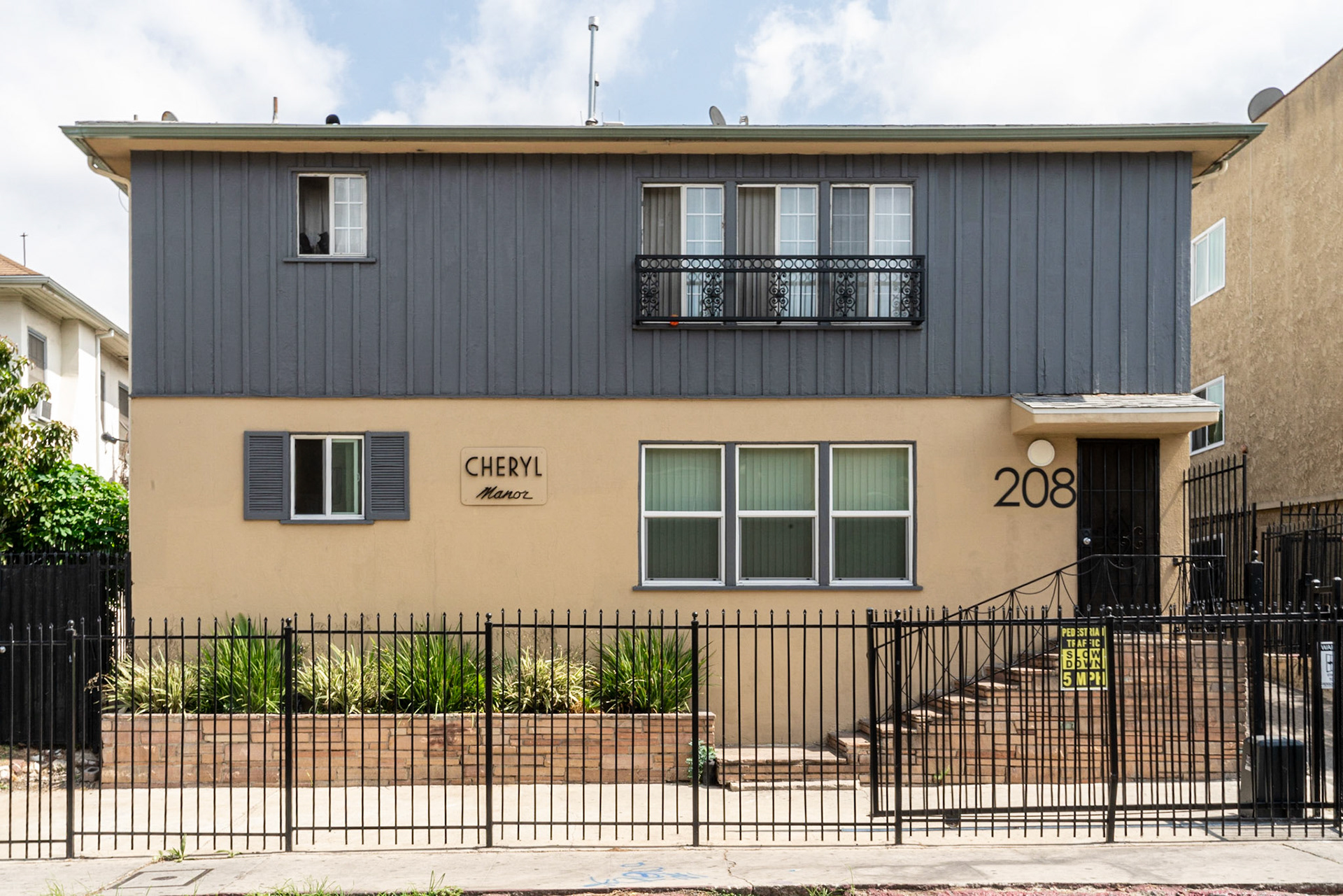
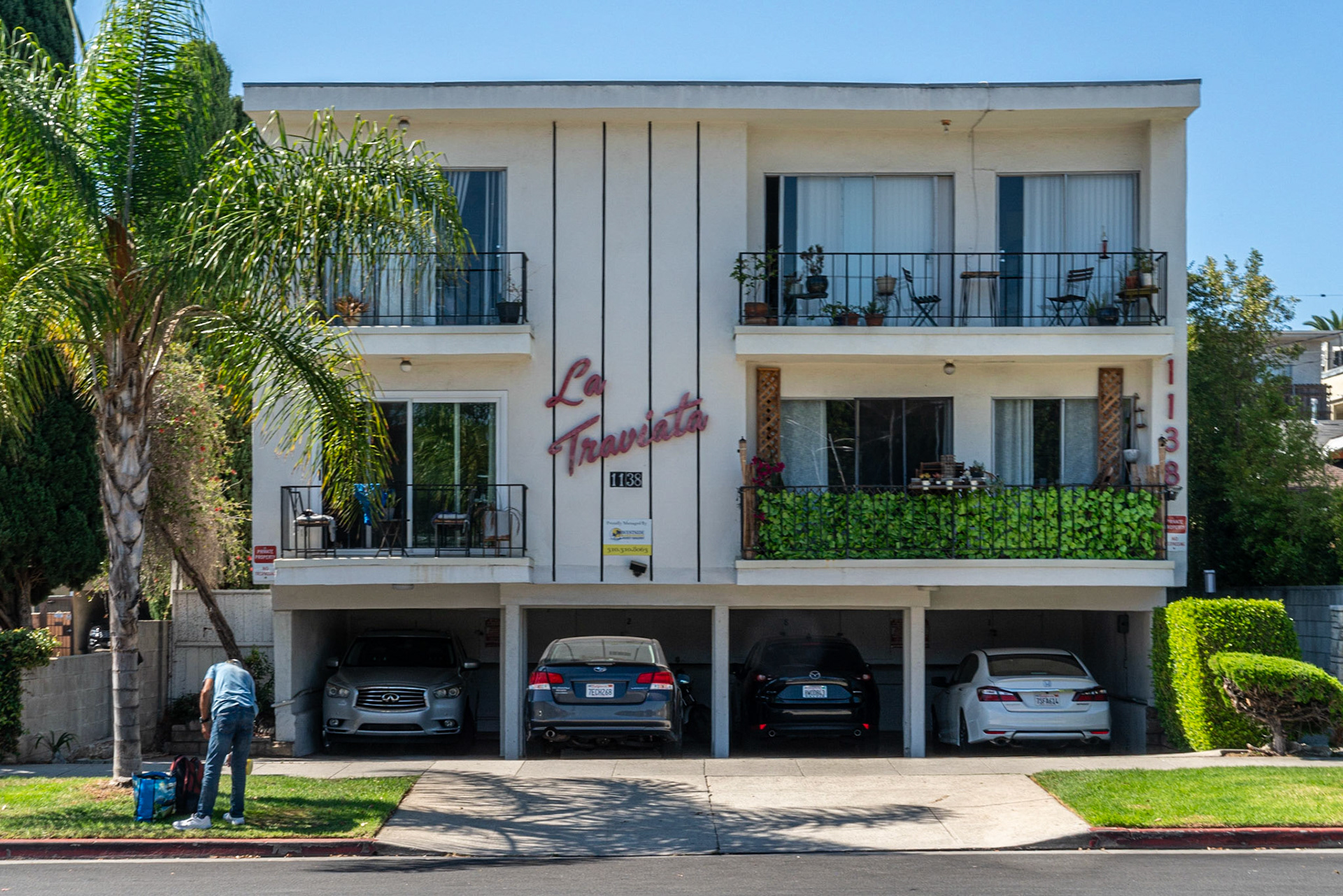
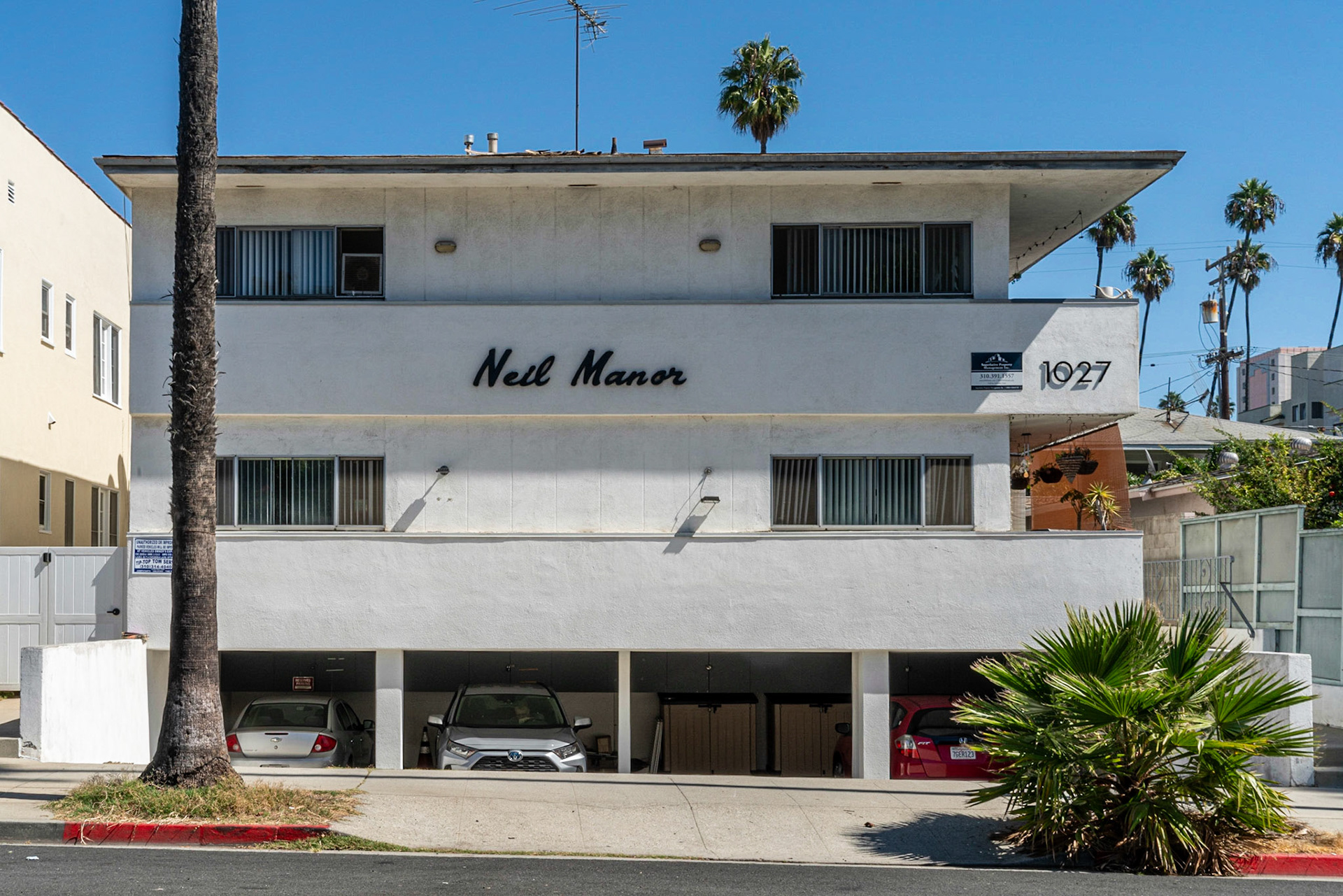
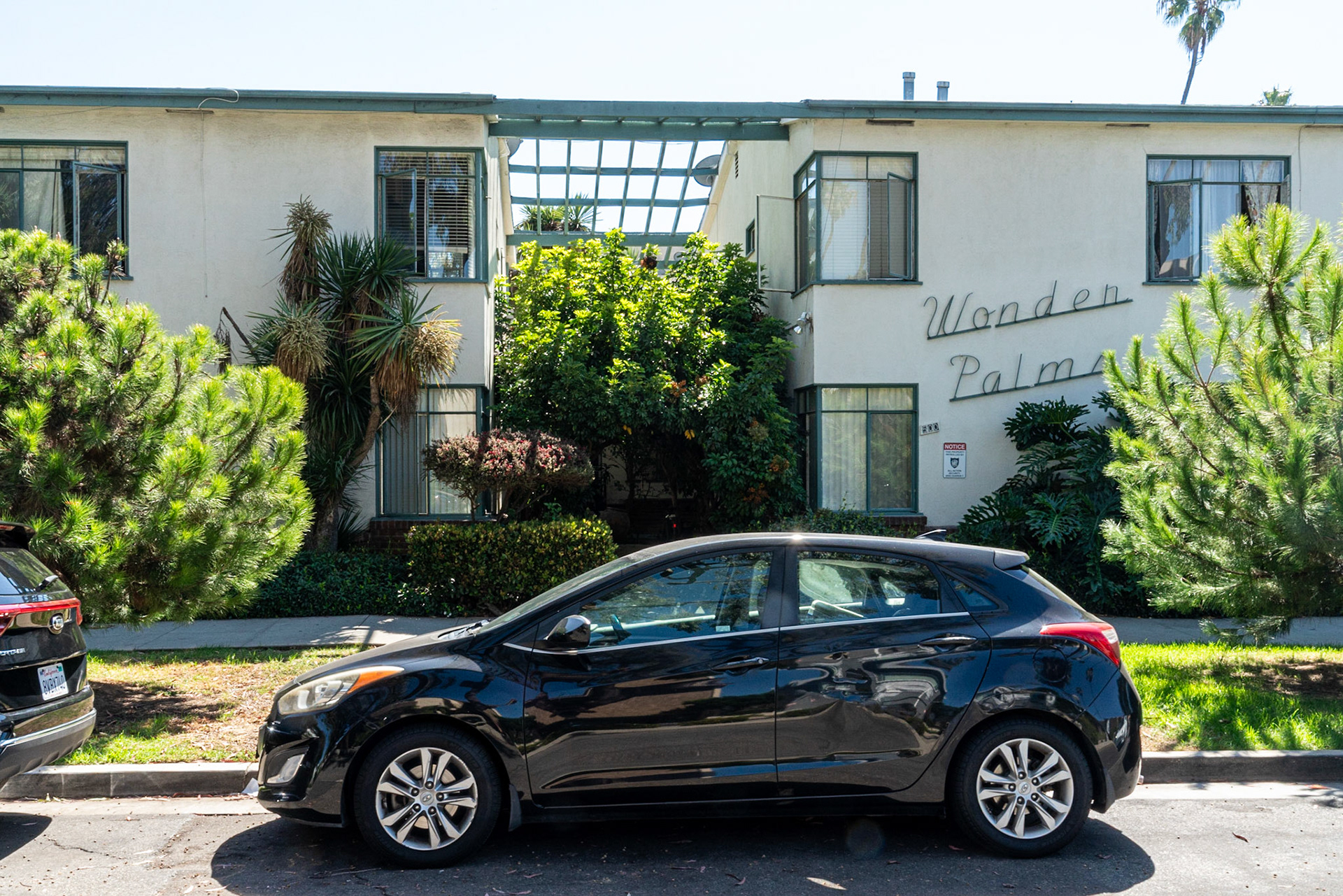
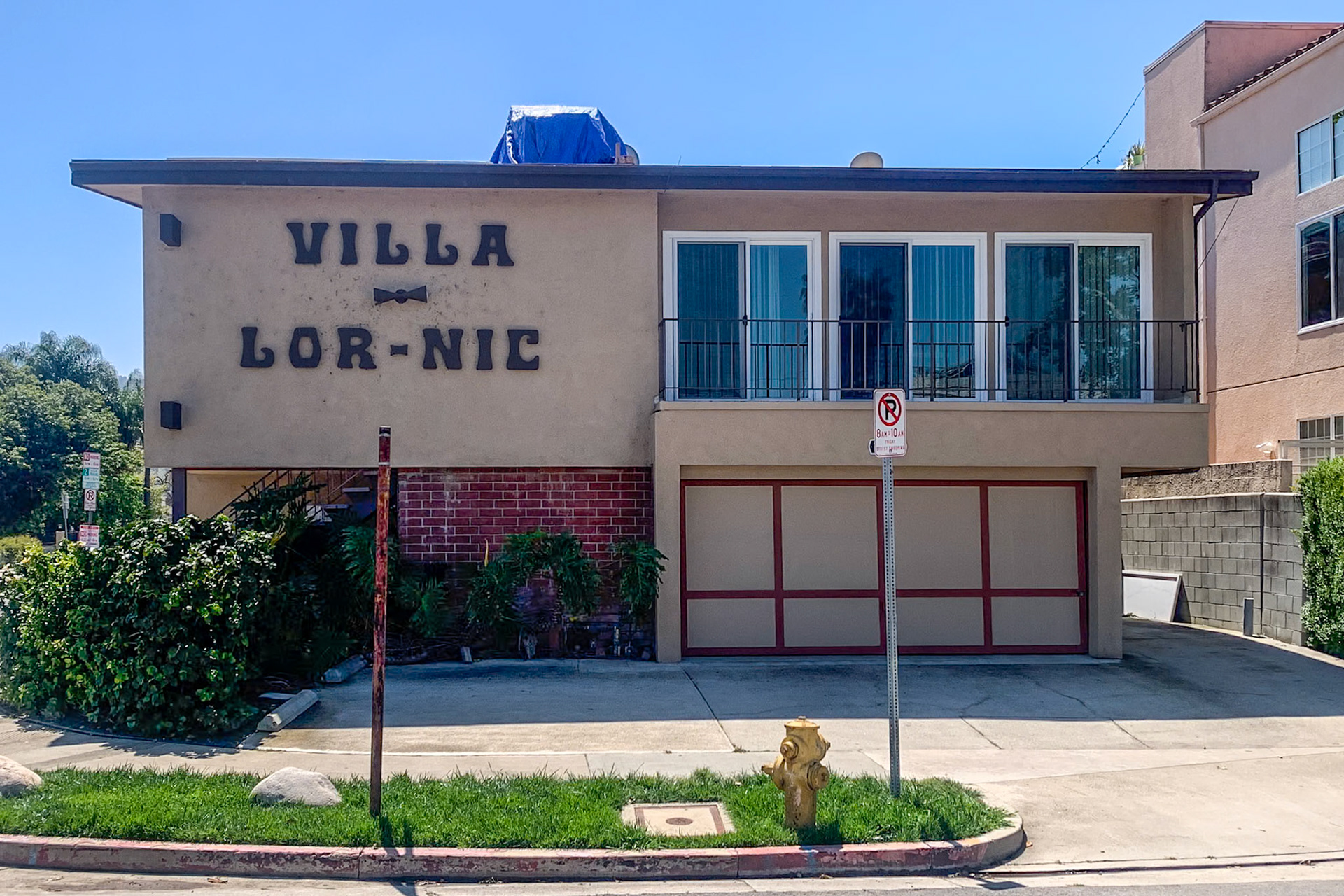
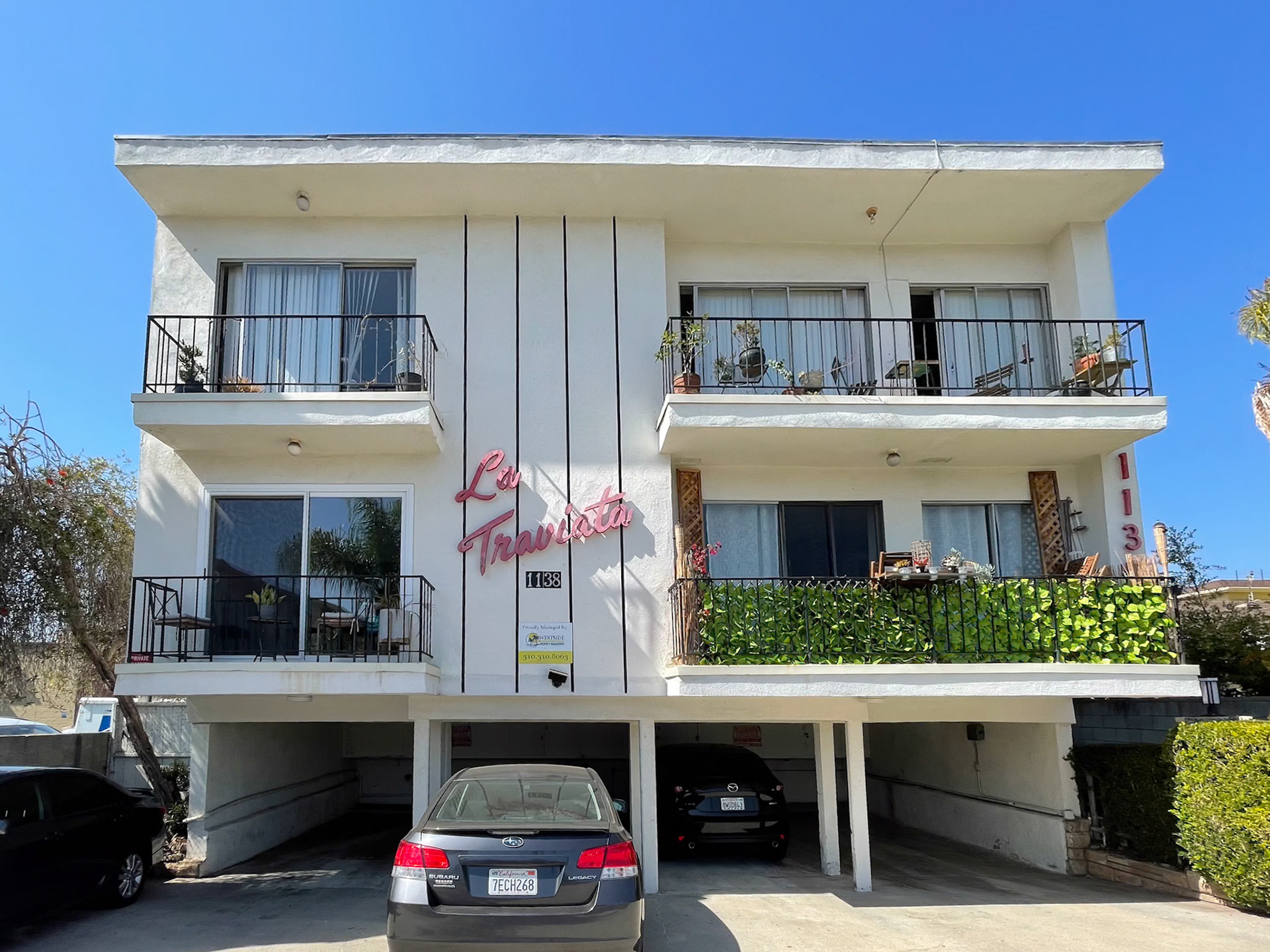
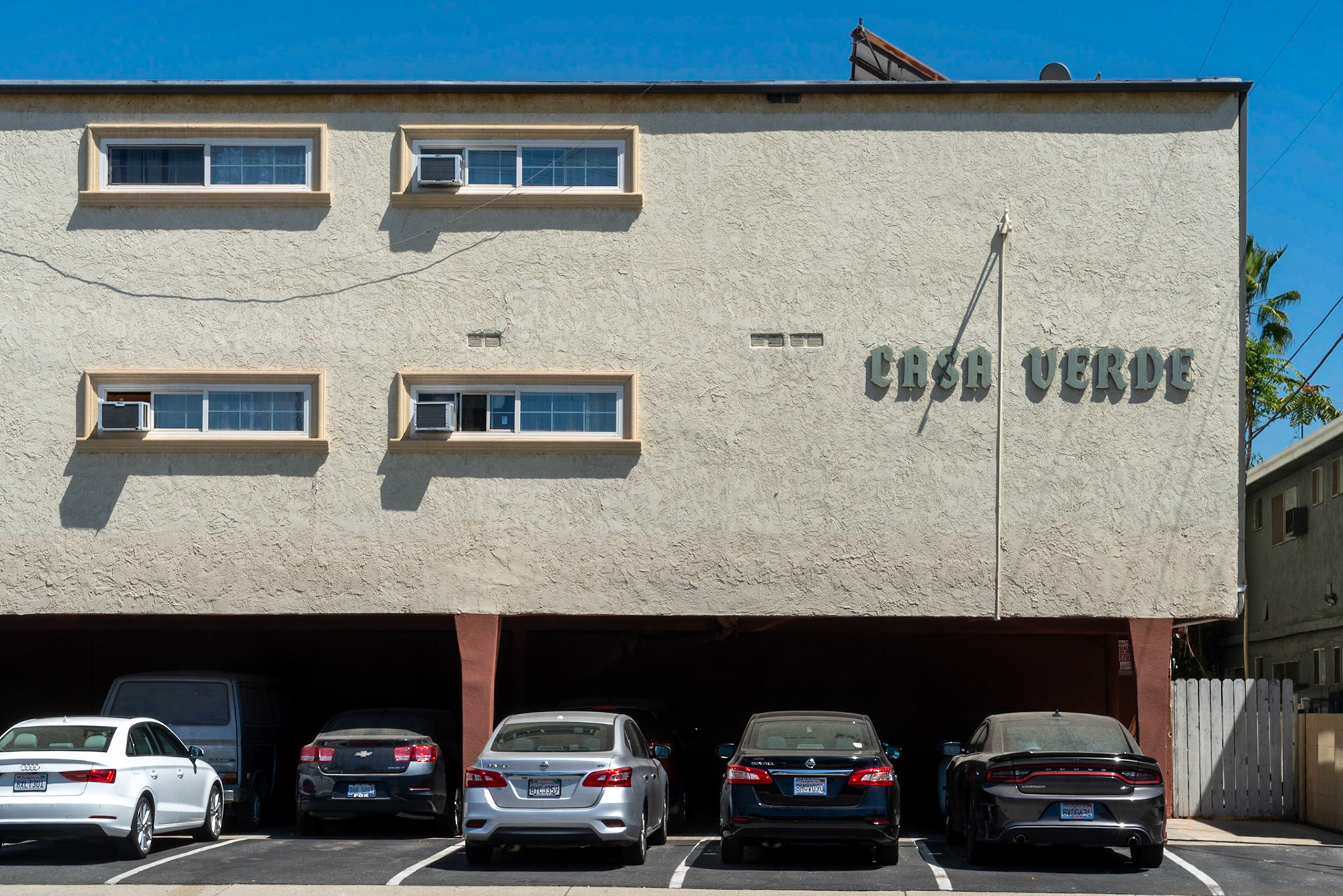
In a 1998 Los Angeles Times editorial about the area's evolving standards for development, the birth of the dingbat is retold (as a cautionary tale): "By mid-century, a development-driven southern California was in full stride, paving its bean fields, leveling mountaintops, draining waterways and filling in wetlands...In our rush to build we tolerated monumentally careless and unattractive urban design...Some of it [was] awful—start with the 'dingbat' apartment house, a boxy two-story walk-up with sheltered parking at street level and not one inch of outdoor space." Two important features of these structures:
Earthquakes: These building are notorious for “pancaking” in an earthquake. When they are sold or renovated they must be retrofitted; an expensive proposition for these (relatively) cheap rentals.
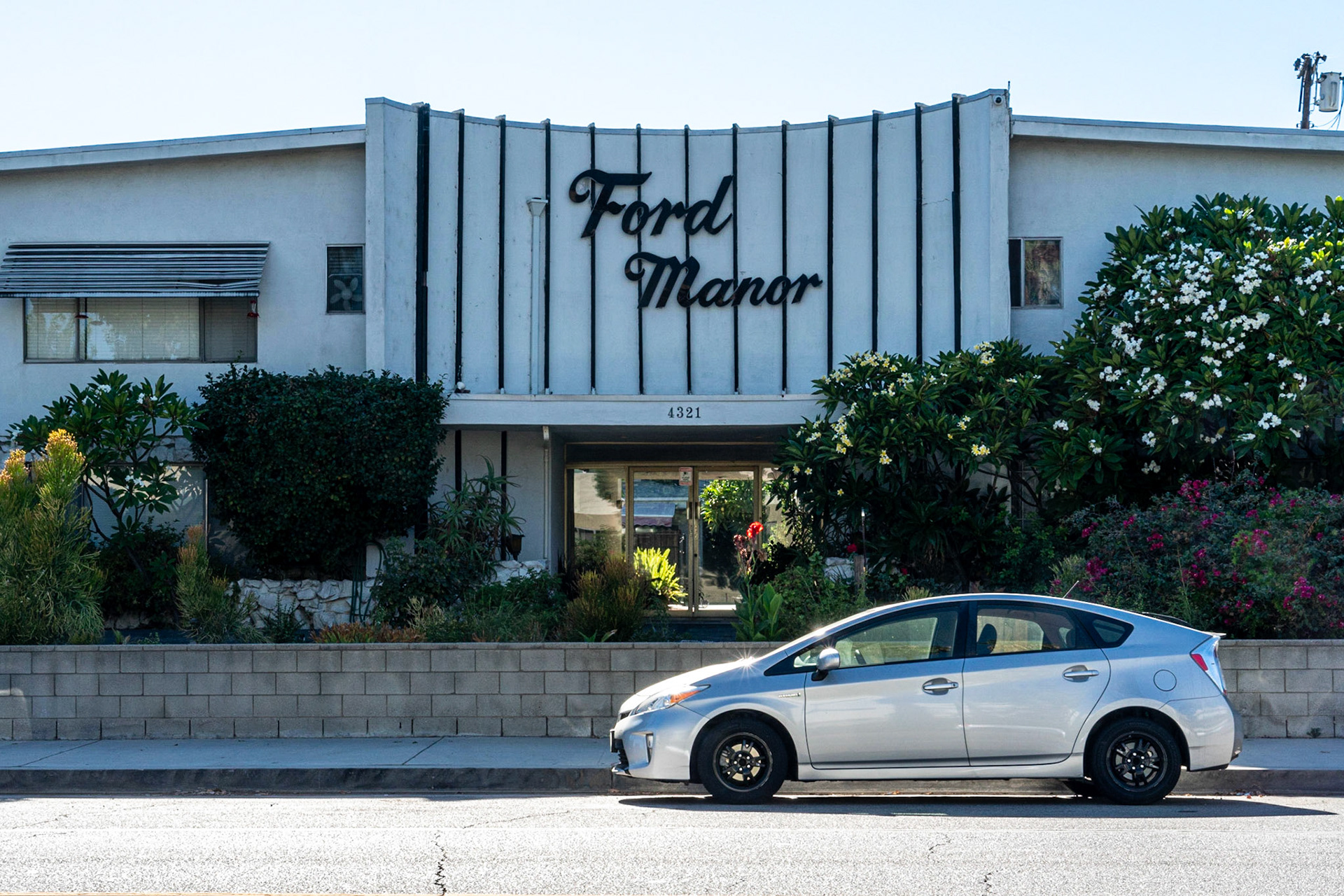
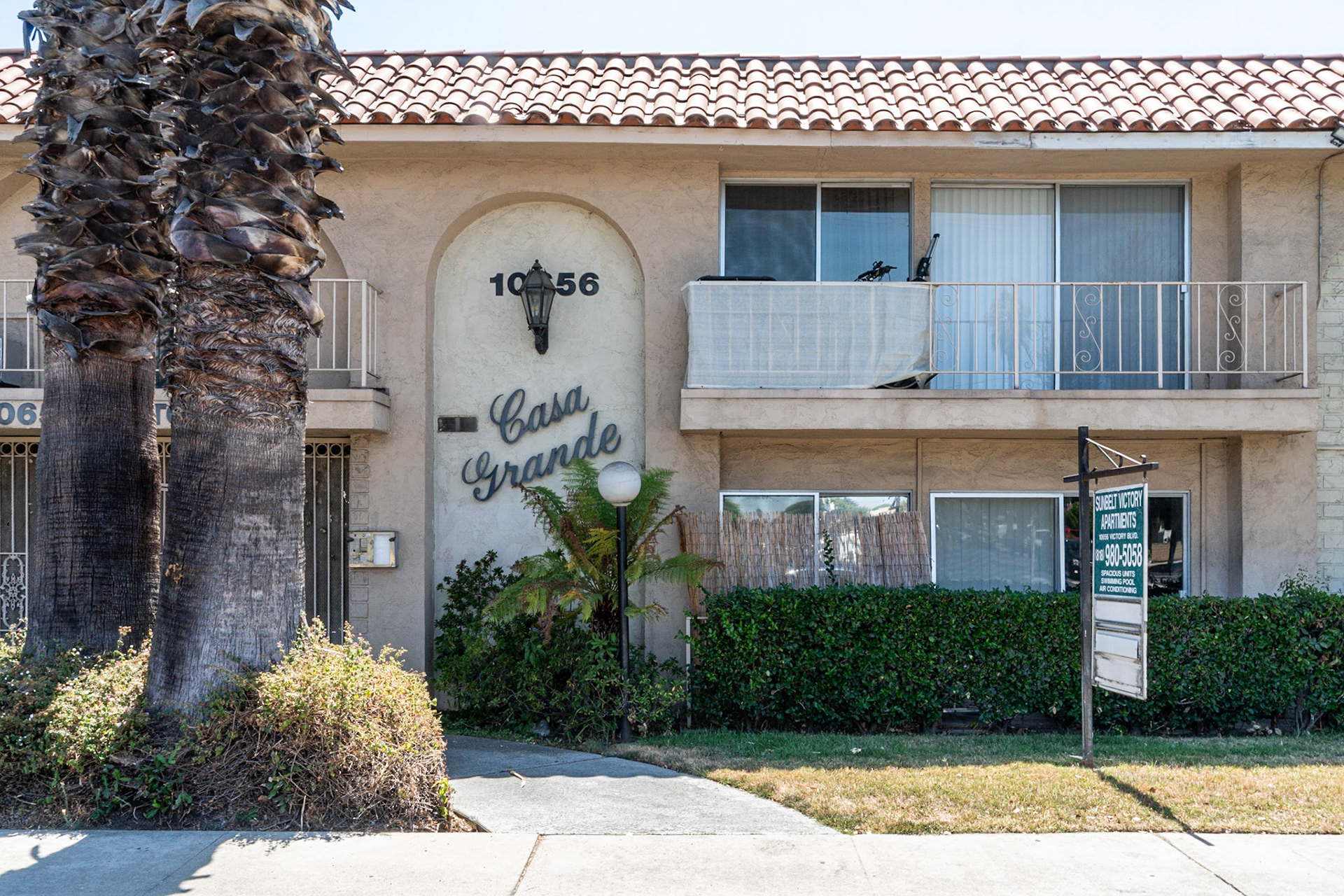
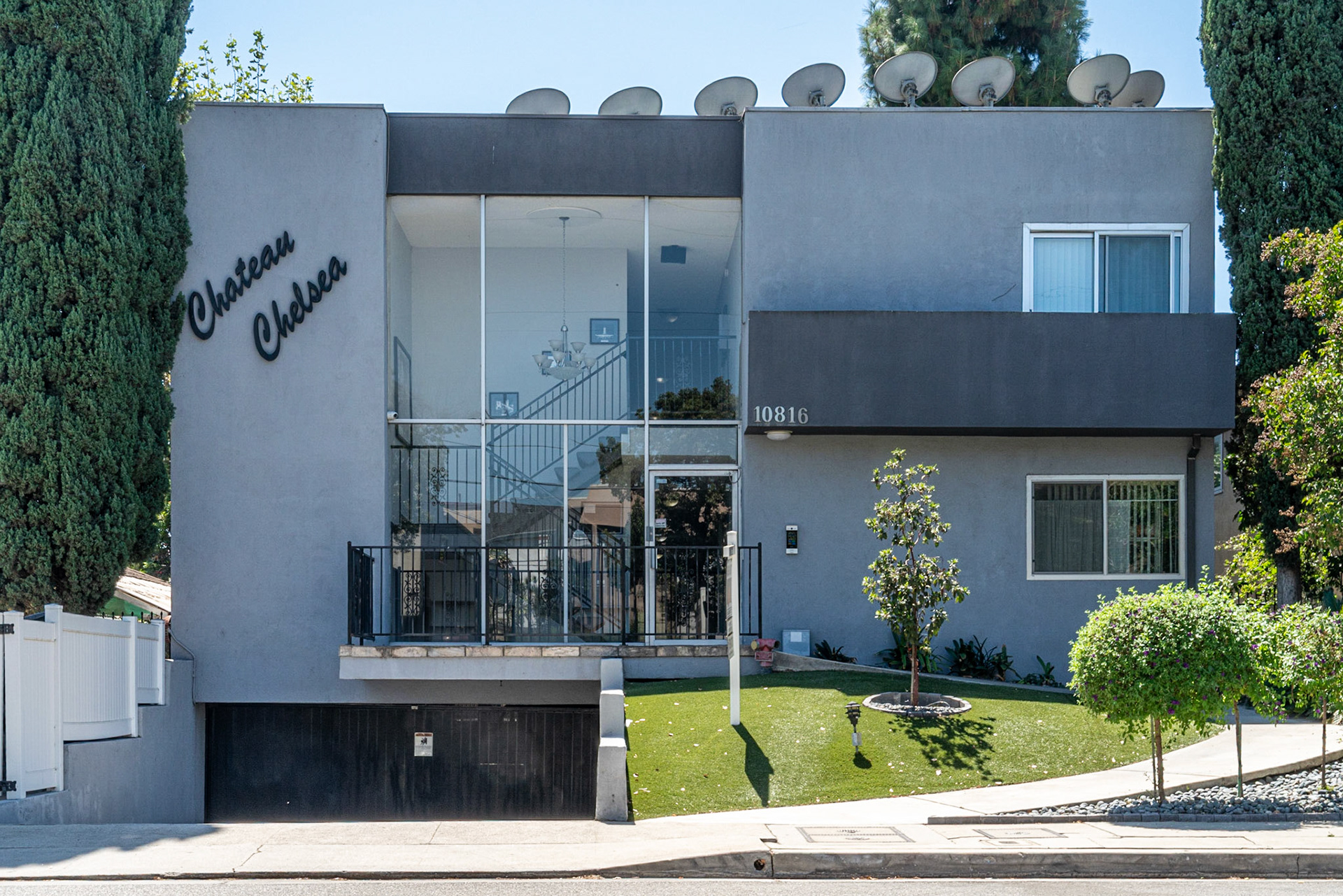
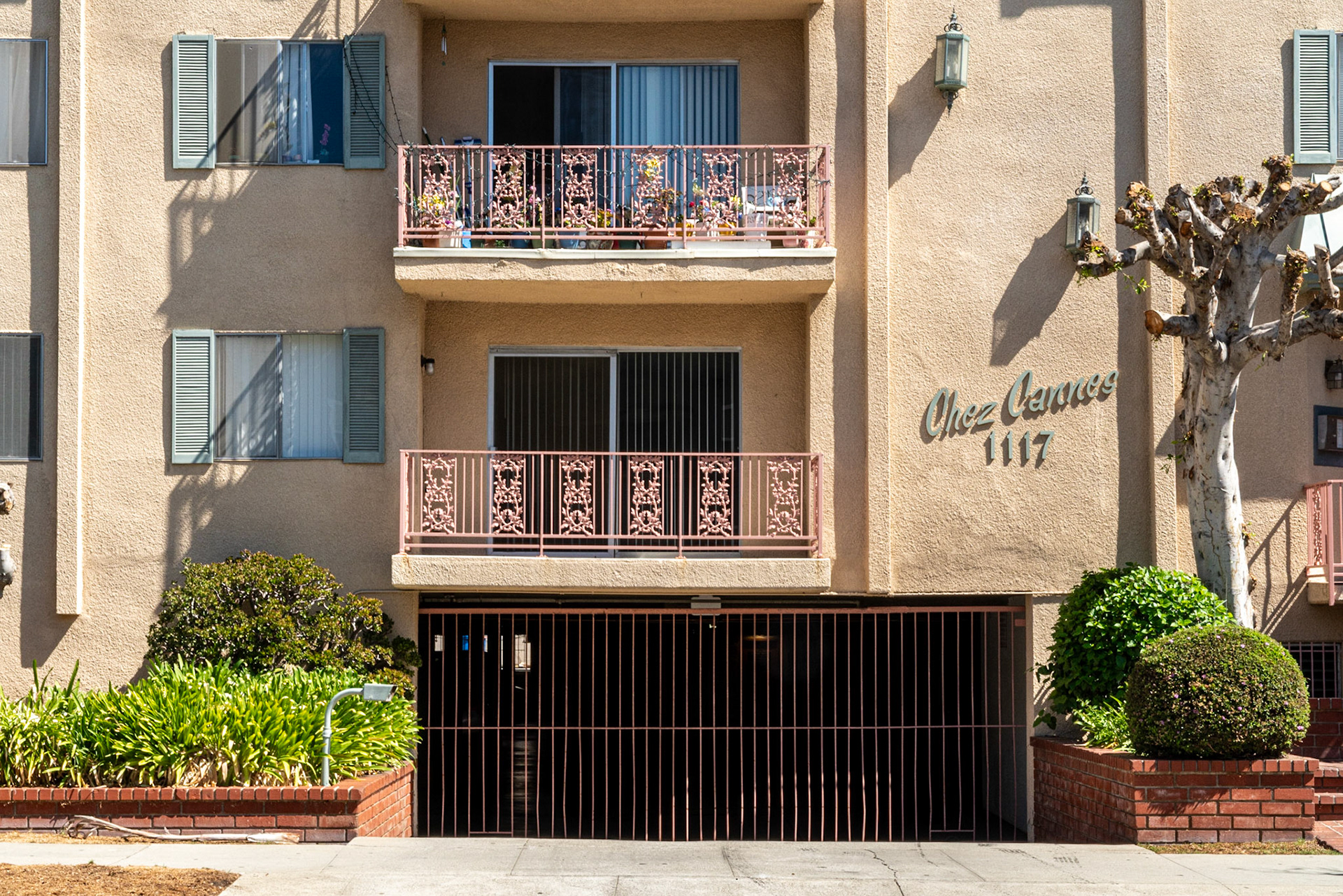
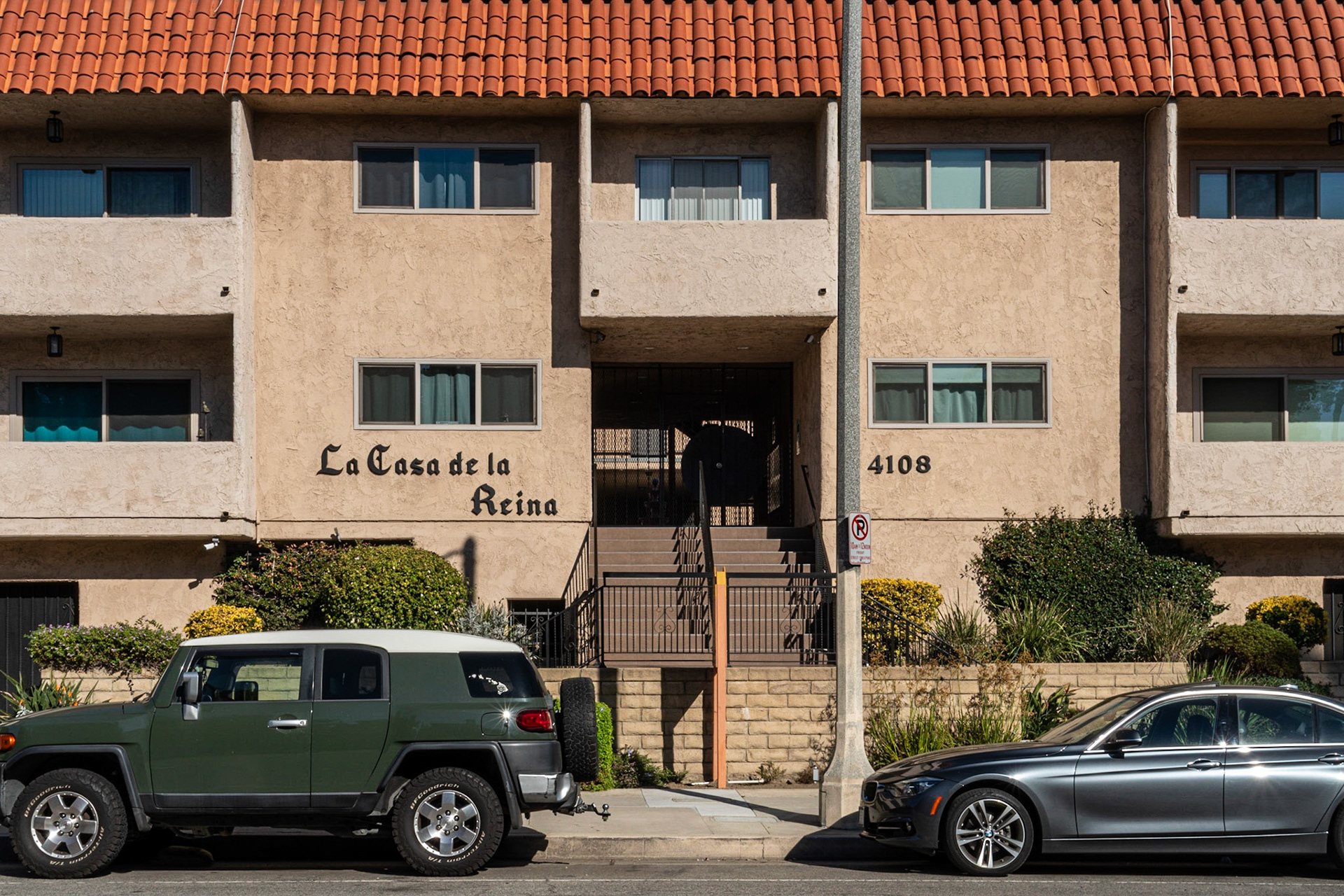
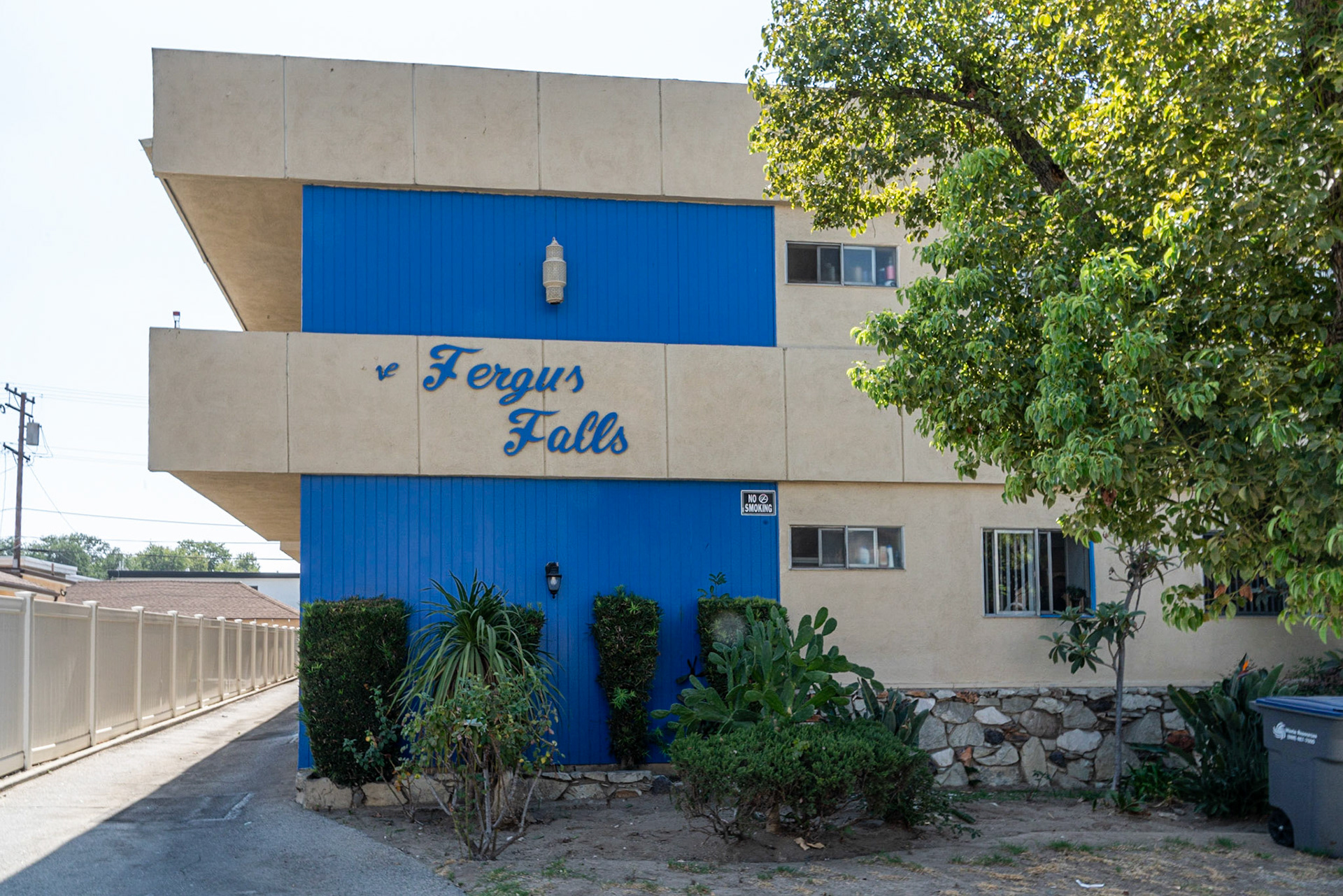
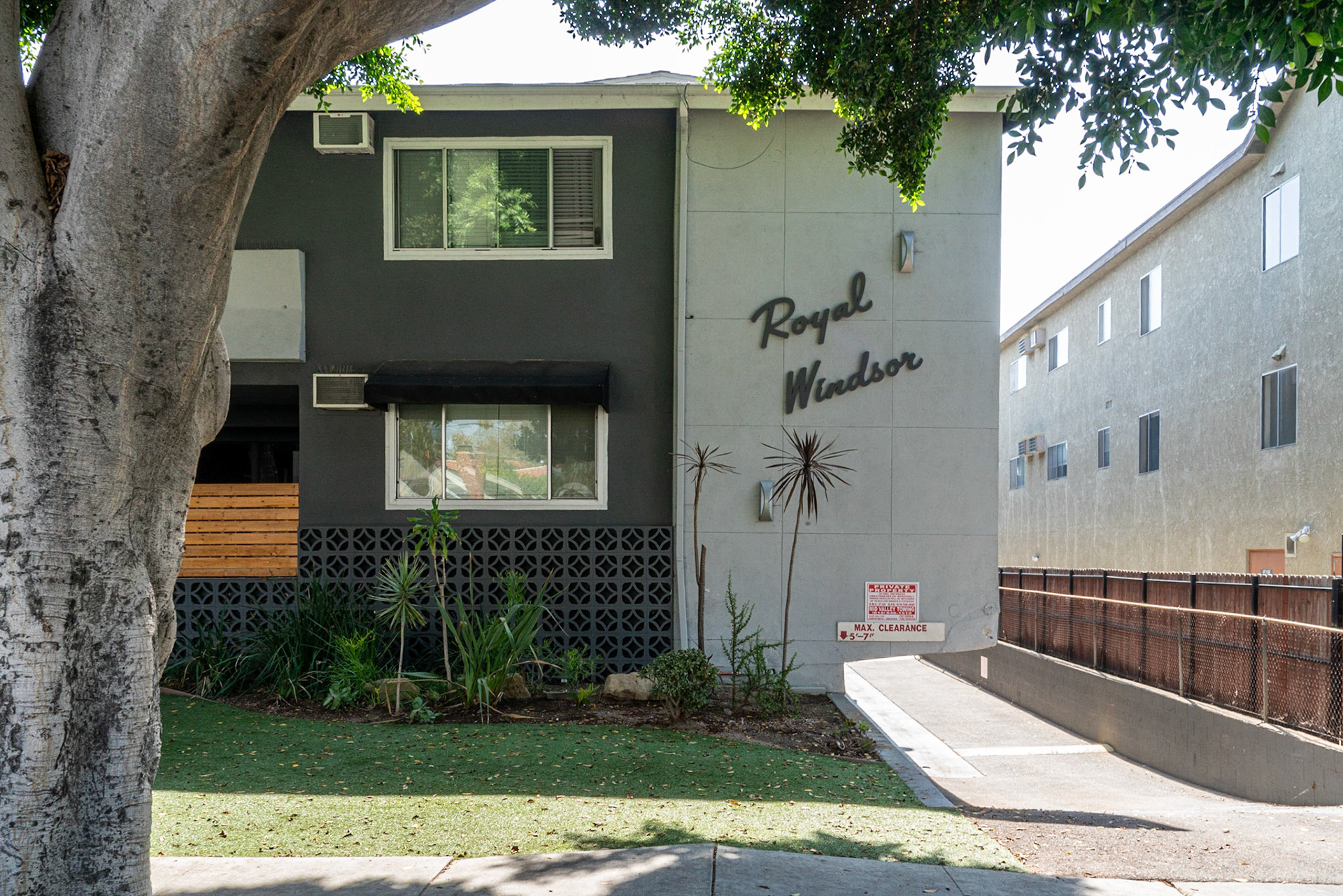
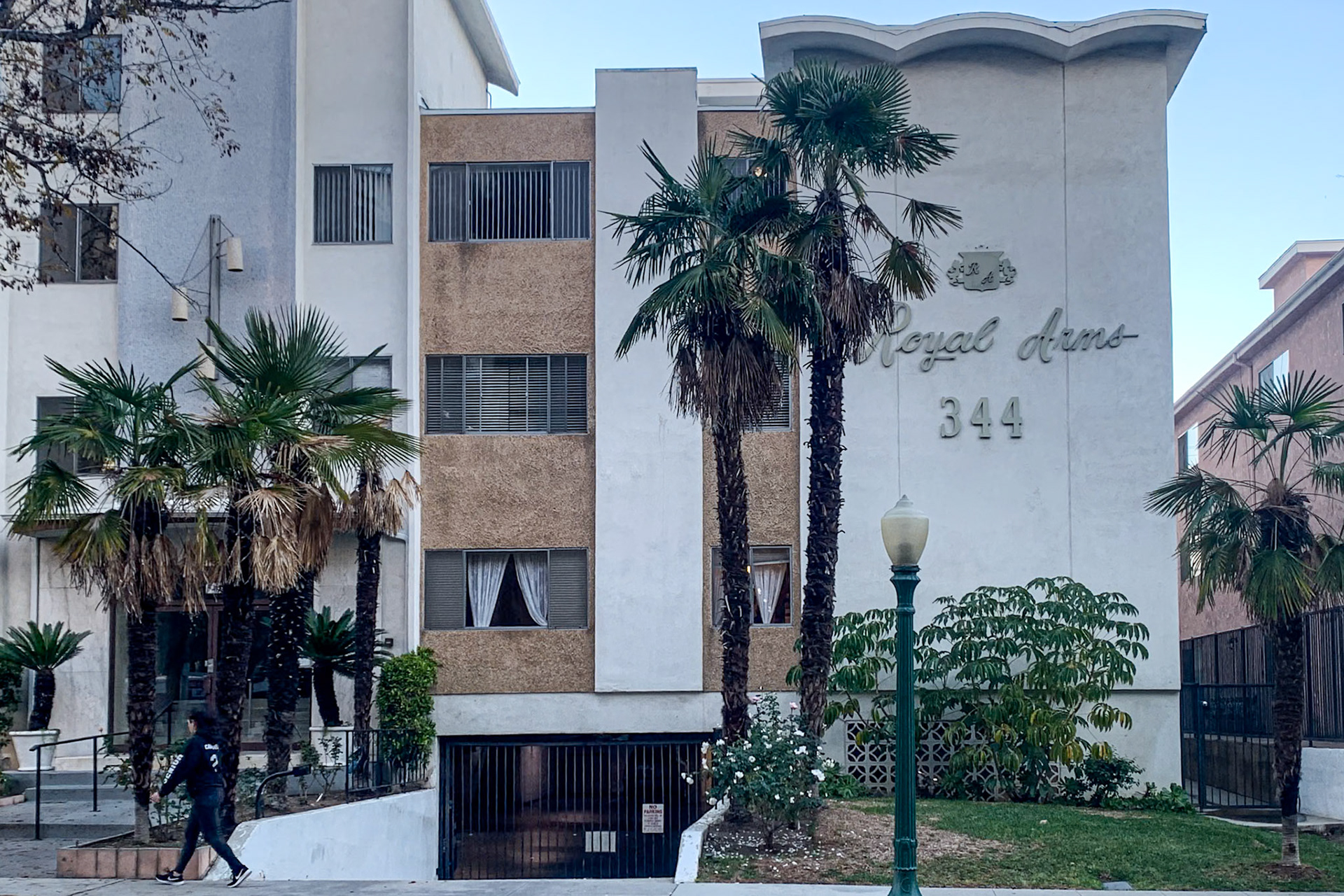
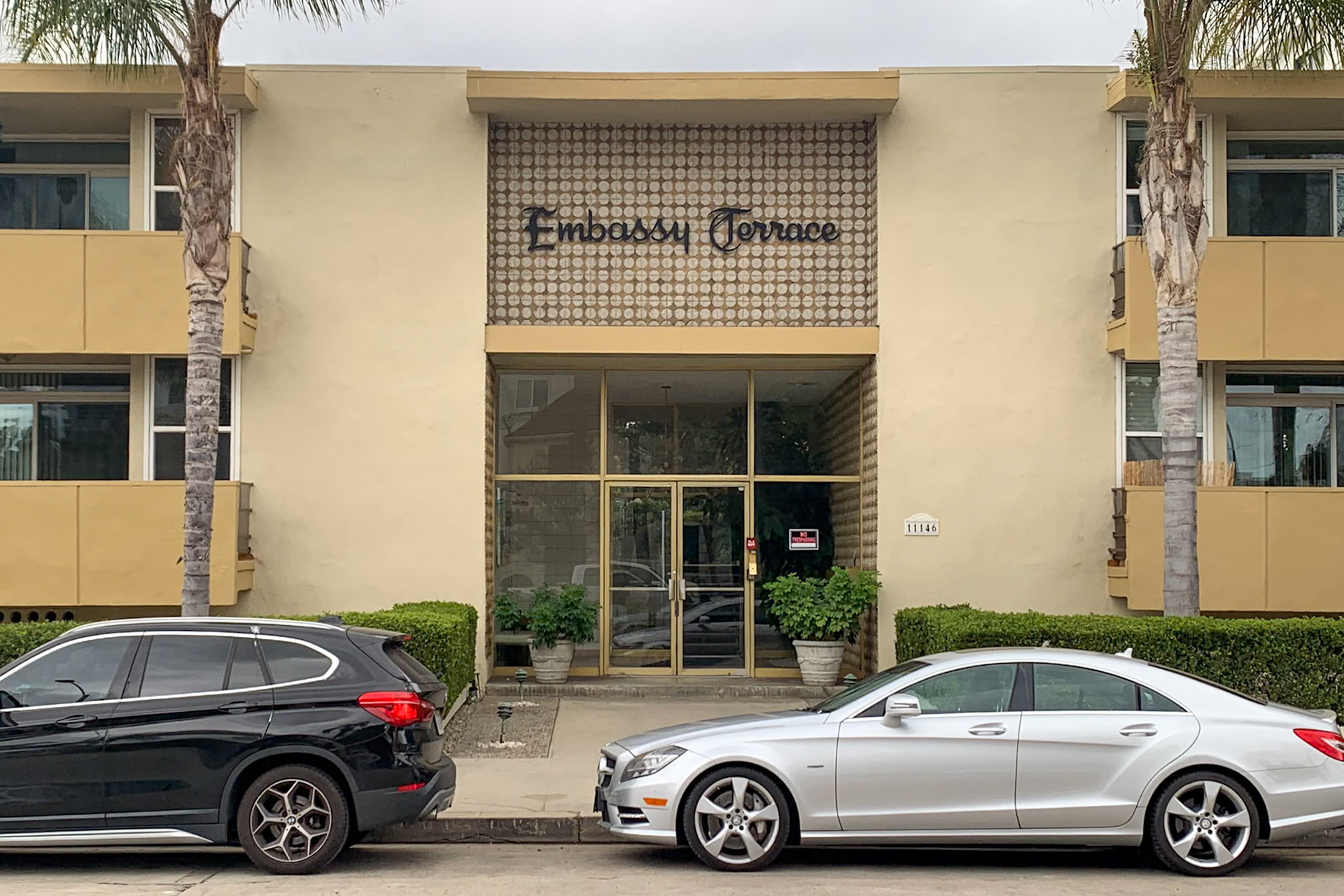
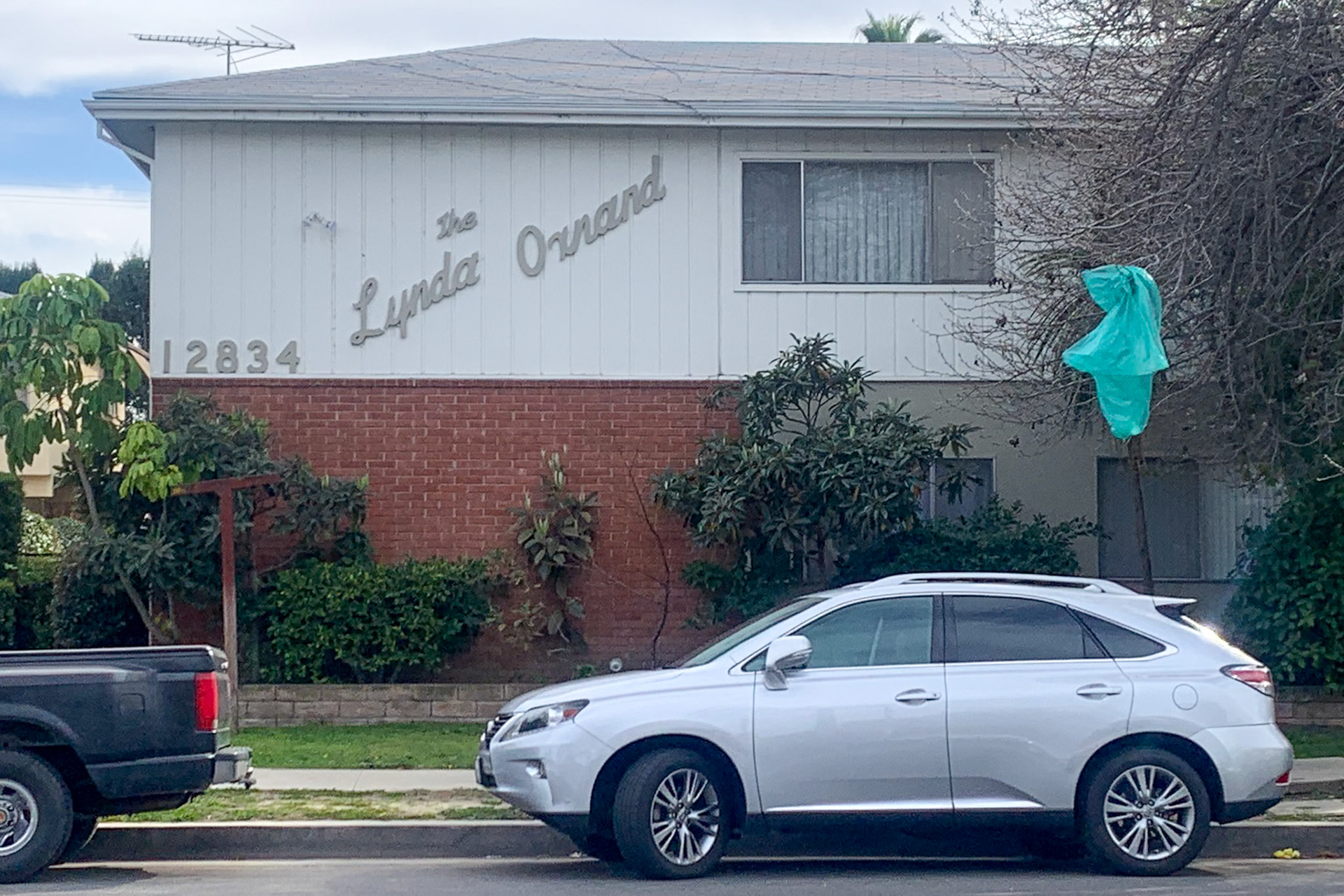
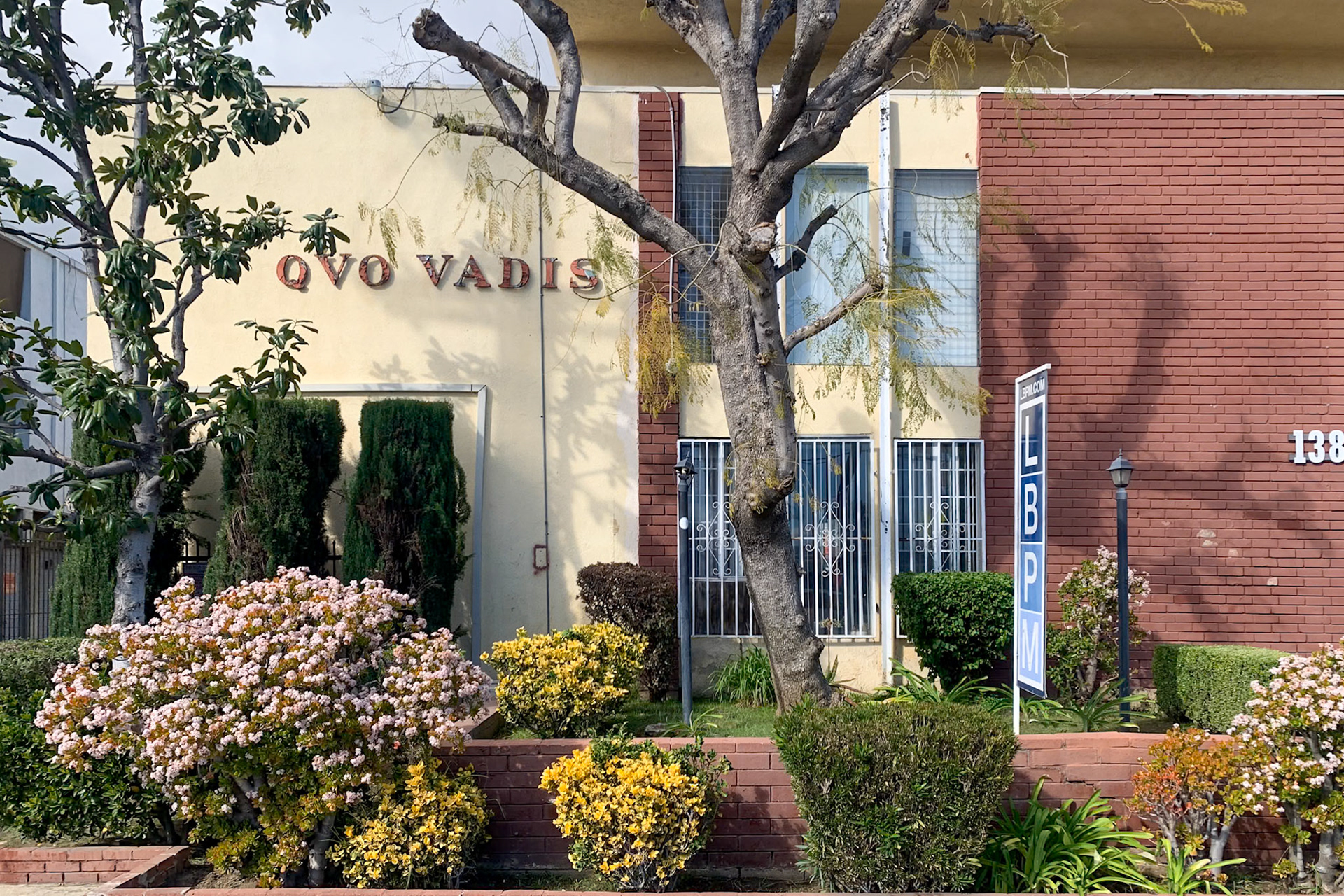
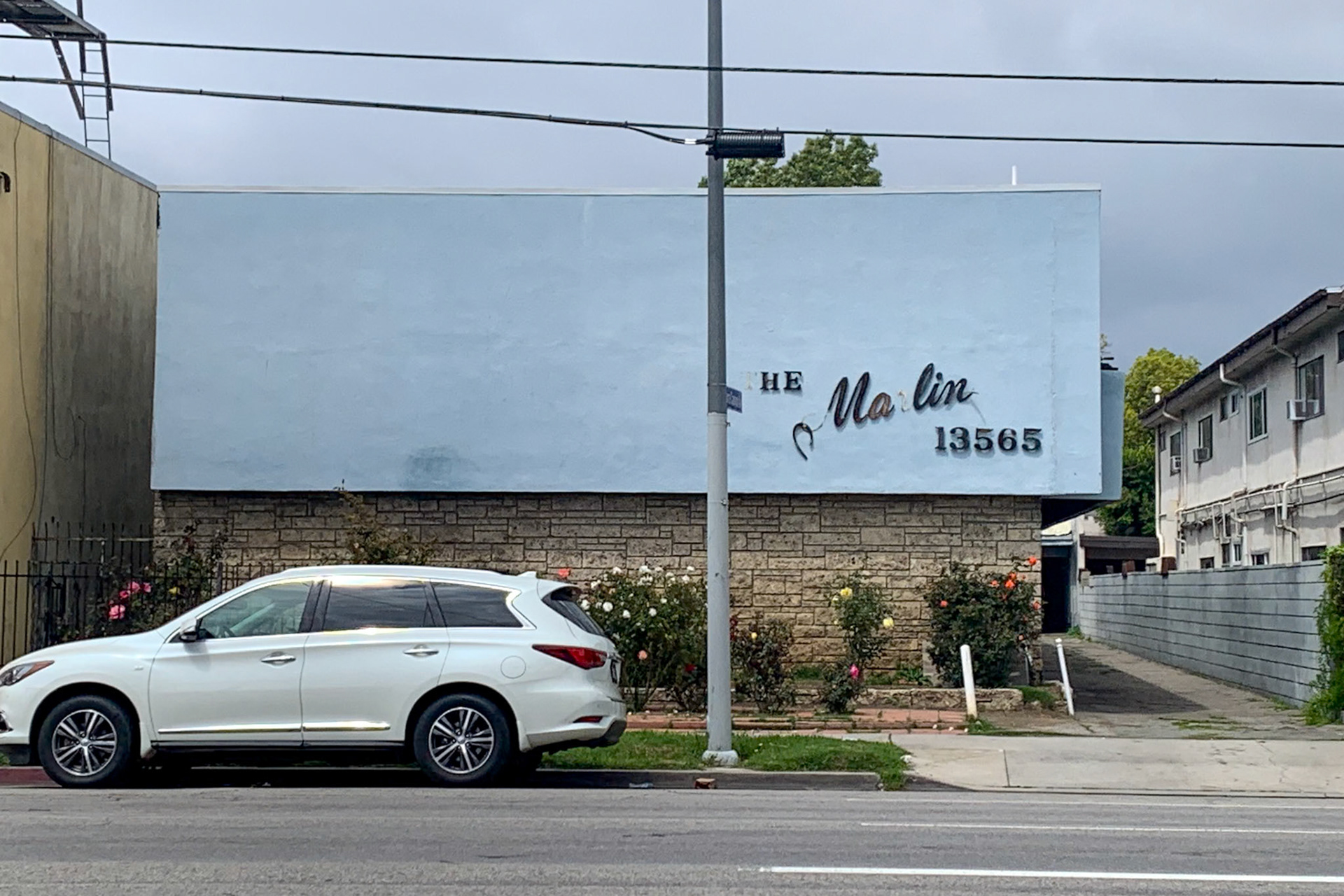
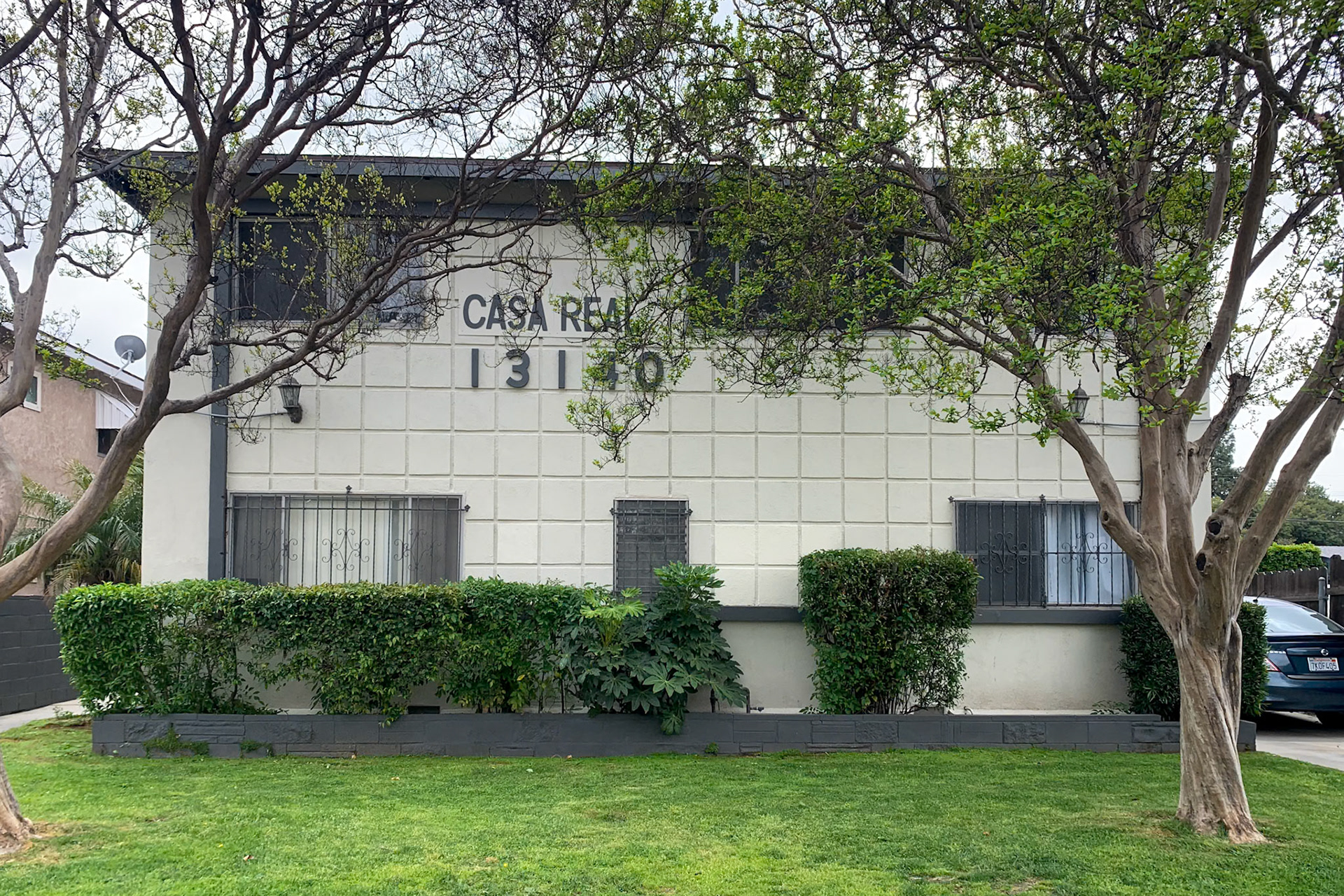
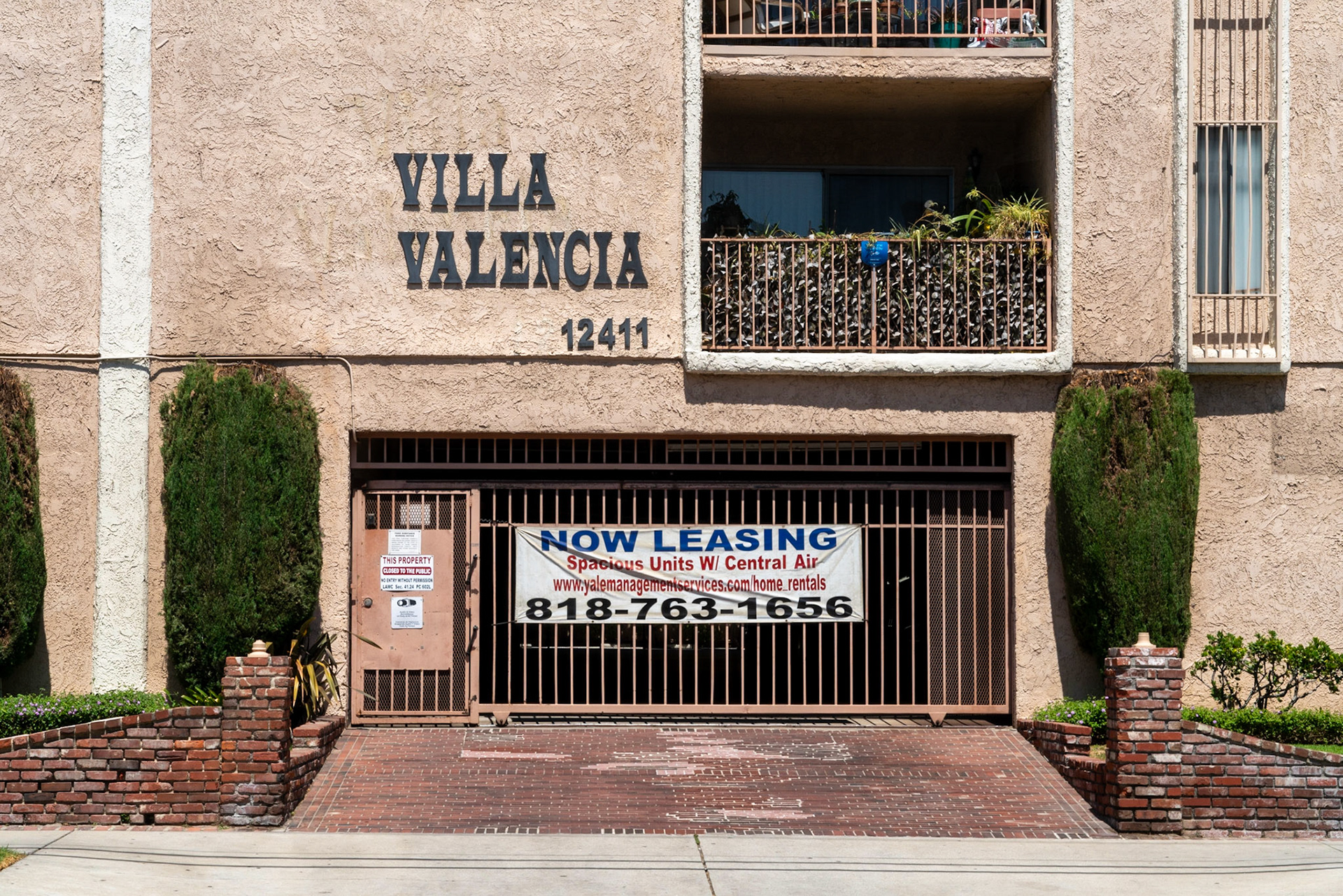
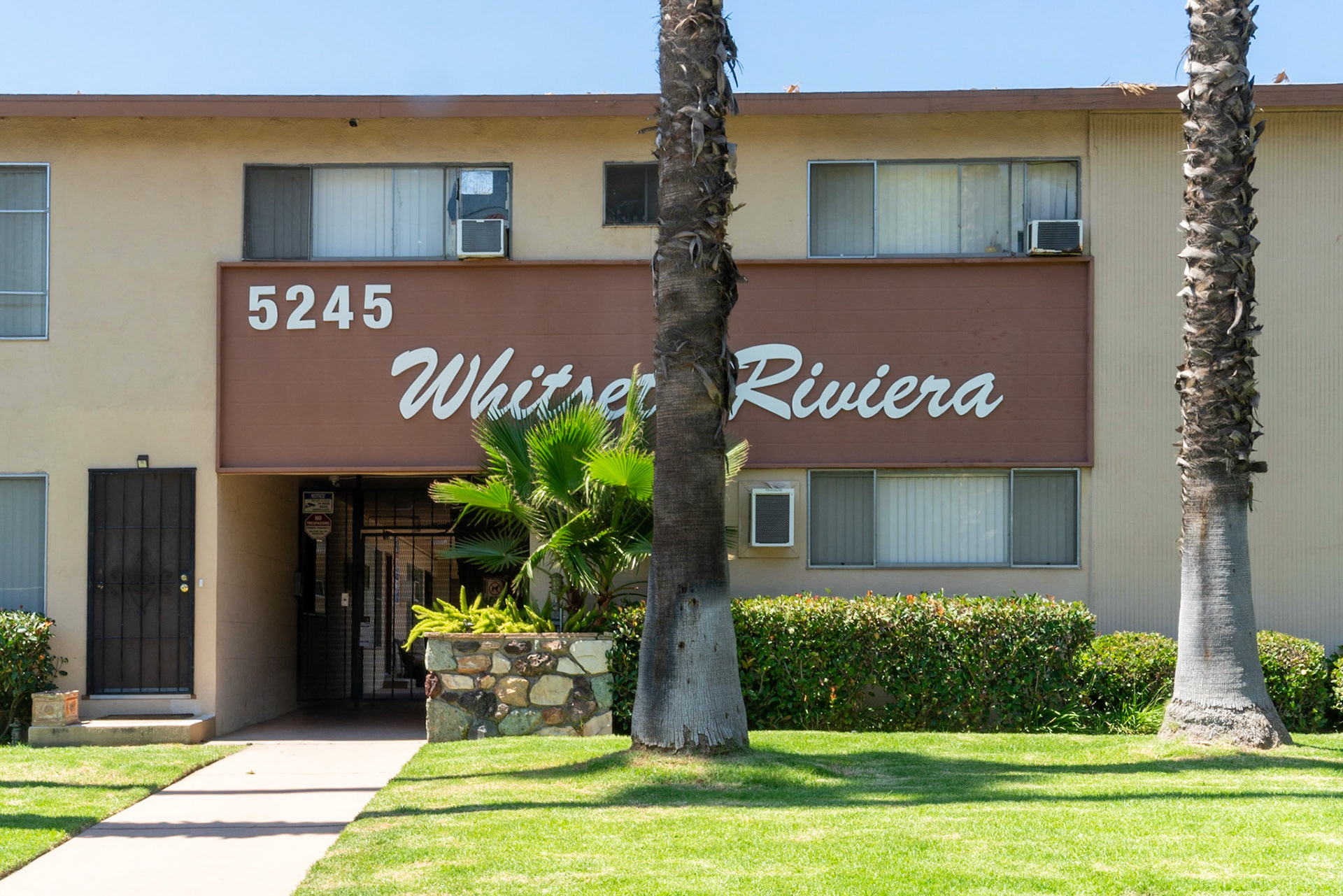
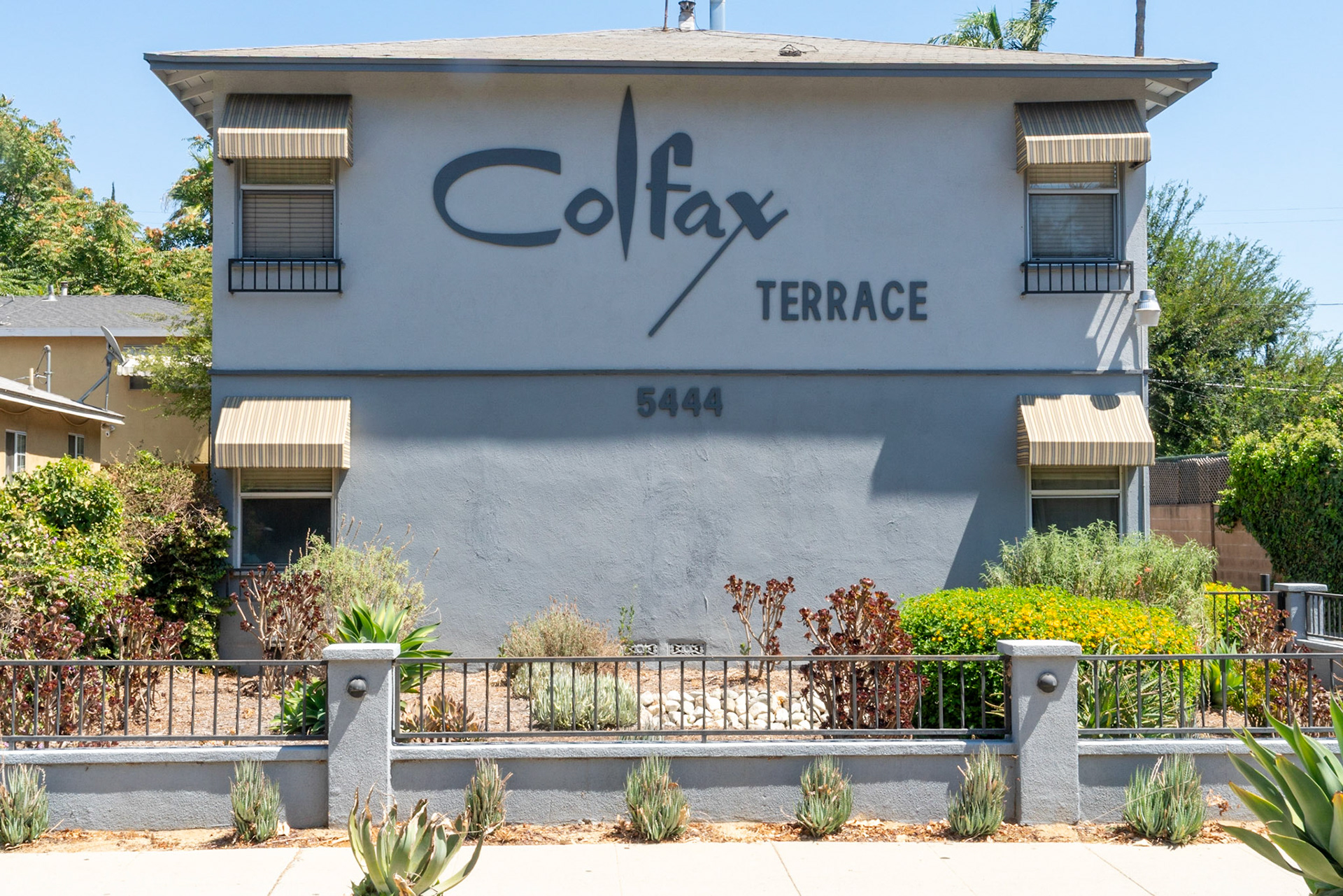
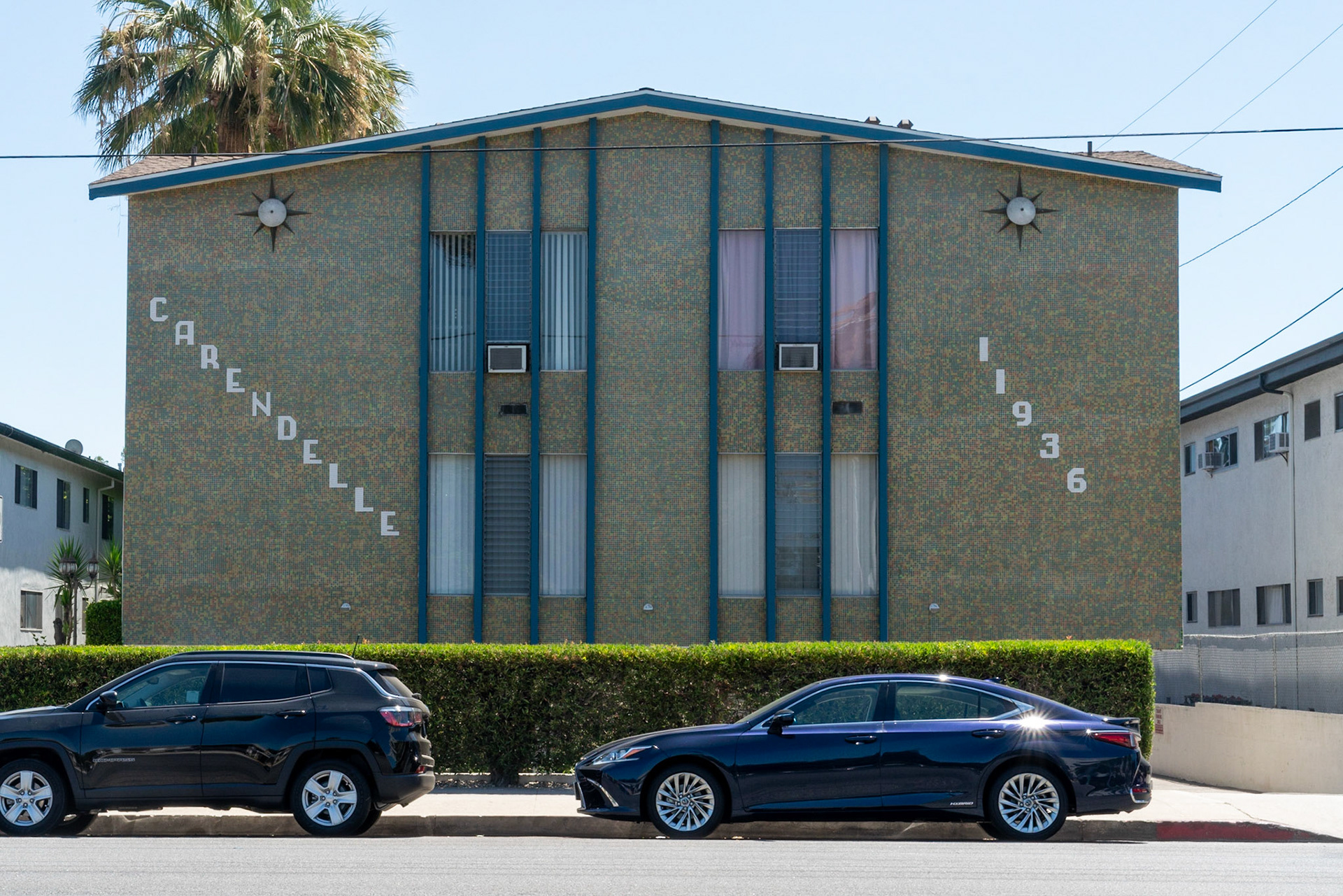
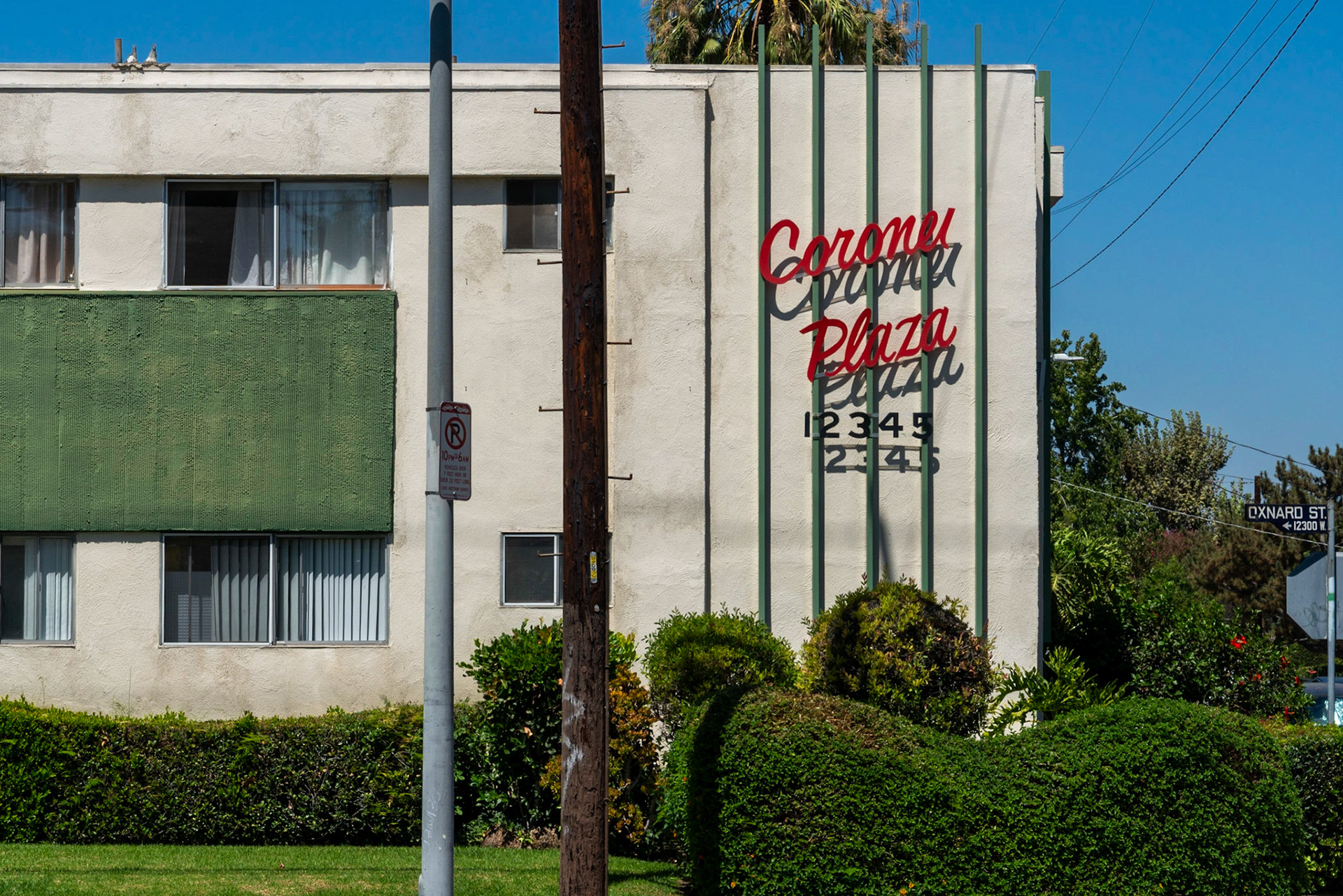
Names: Most of these buildings are just identified by an address, but a small subset were given lofty and flamboyant names by the mostly middle class people who built them. An LA Times reporter writing about a book devoted to the rediscovery of the dingbat noted, "Grandiose names—manors, arms, chezs, chateaus—abound. 'How charming is that?' Piercy asks, flipping to a big, numb box with Byron Arms printed above the doorway. 'Nobody in their right mind would think that Lord Byron lived there. It's lovely!'"
See a video about the history of Dingbats from the LA In a Minute podcast: https://www.facebook.com/reel/4050382101945633









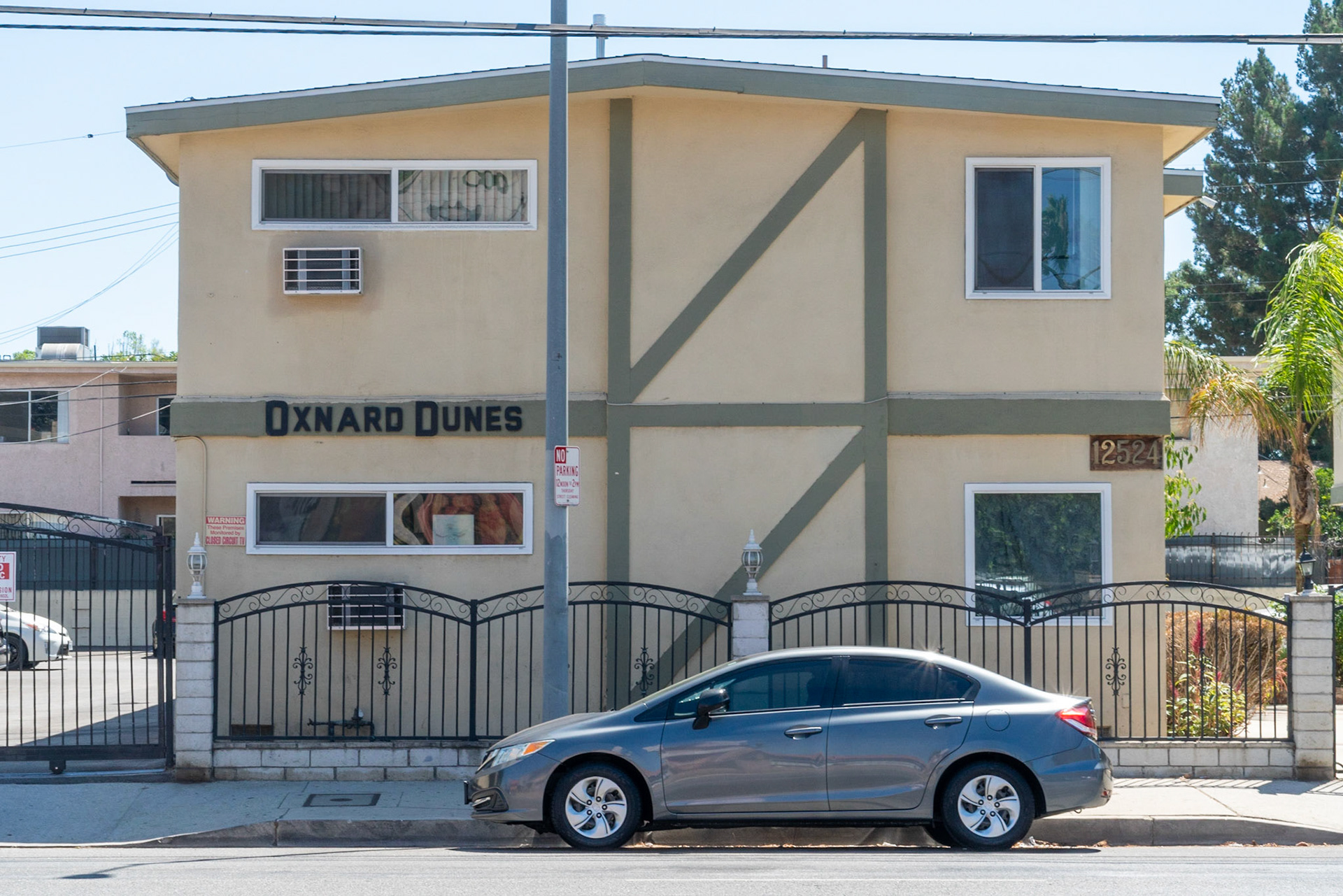
Oxnard Dunes