The extraordinary profusion of Christian sects, congregations, and denominations in the United States has fostered a culture in which religious fragmentation often mirrors and reinforces political fragmentation. Rooted in traditions of individual conscience and institutional independence, American Christianity has produced thousands of competing interpretations of faith, authority, and moral truth. While this diversity reflects religious freedom, it also encourages communities to sort themselves into increasingly homogeneous ideological enclaves.
As congregations become aligned with particular social and political identities, theological disagreement can evolve into political antagonism. The habit of defining one's religious community against competing denominations can translate into a broader tendency to view political opponents not merely as people with different views, but as adherents of fundamentally misguided or illegitimate worldviews. In this way, the decentralized landscape of American Christianity contributes to a political culture marked by polarization, suspicion, and diminished tolerance for pluralism.
The result is a feedback loop in which religious and political identities increasingly reinforce one another, making compromise more difficult and deepening divisions within American public life.
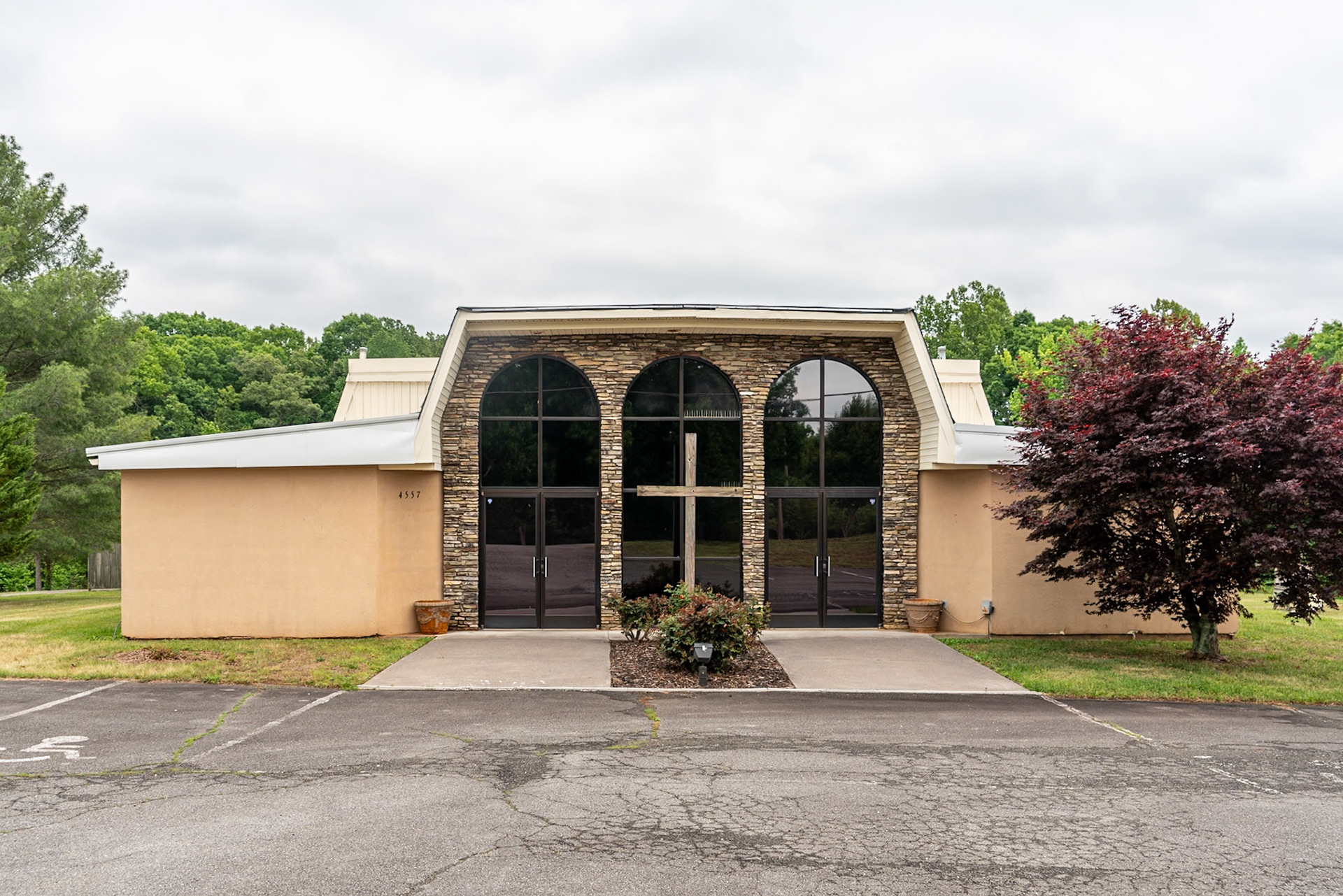
This is the macro view. I decided to take a visual look at the view on the ground.
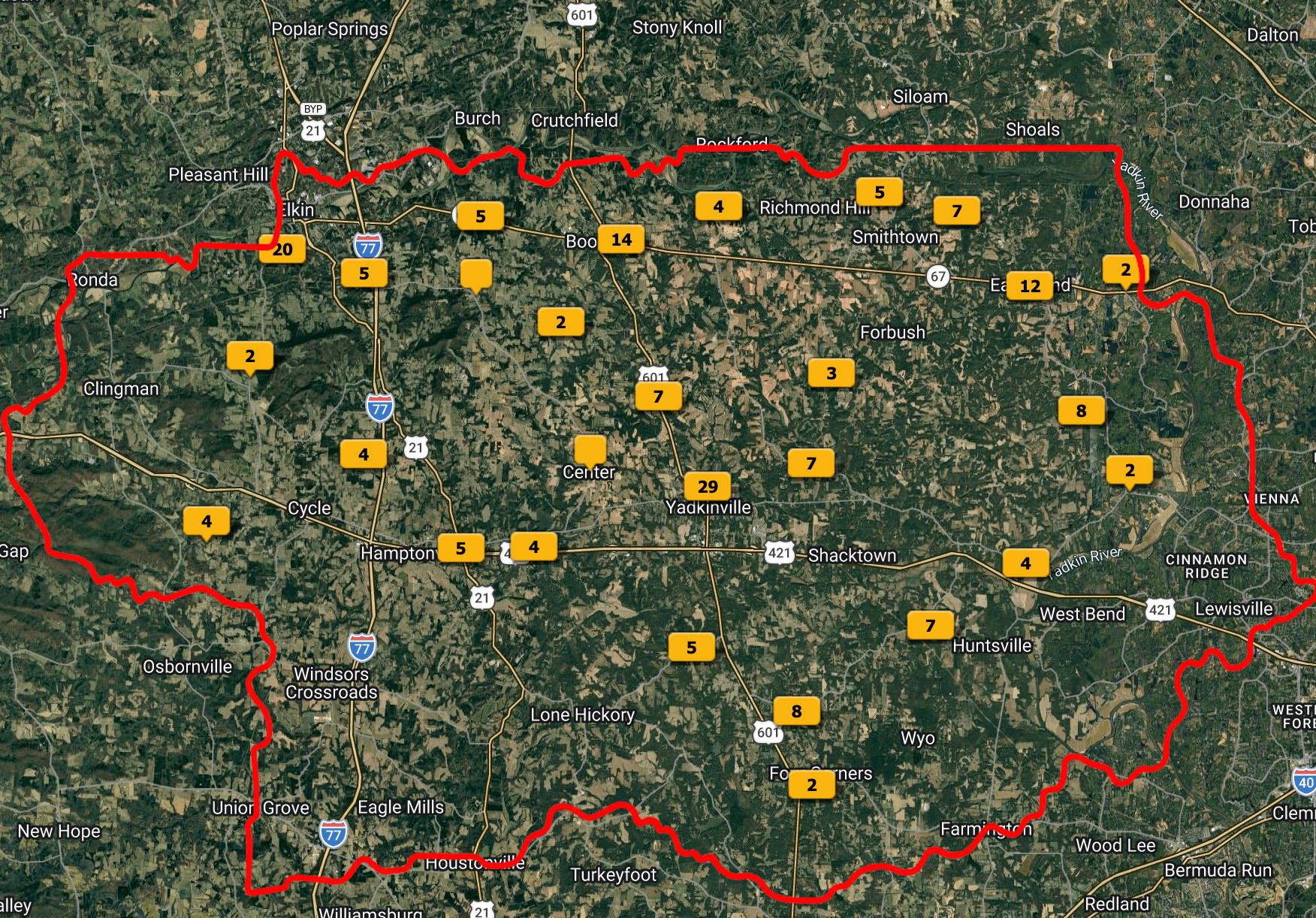
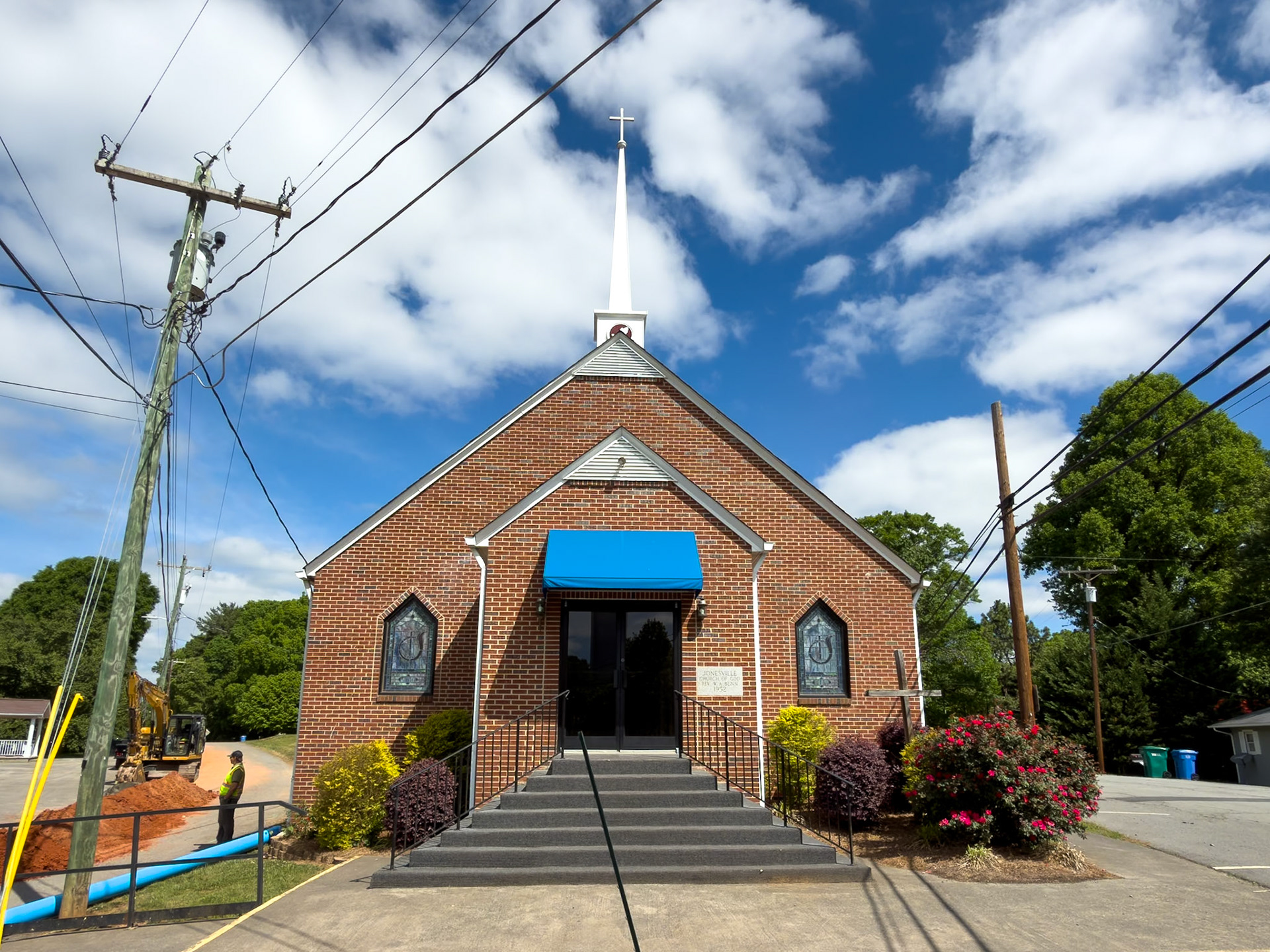
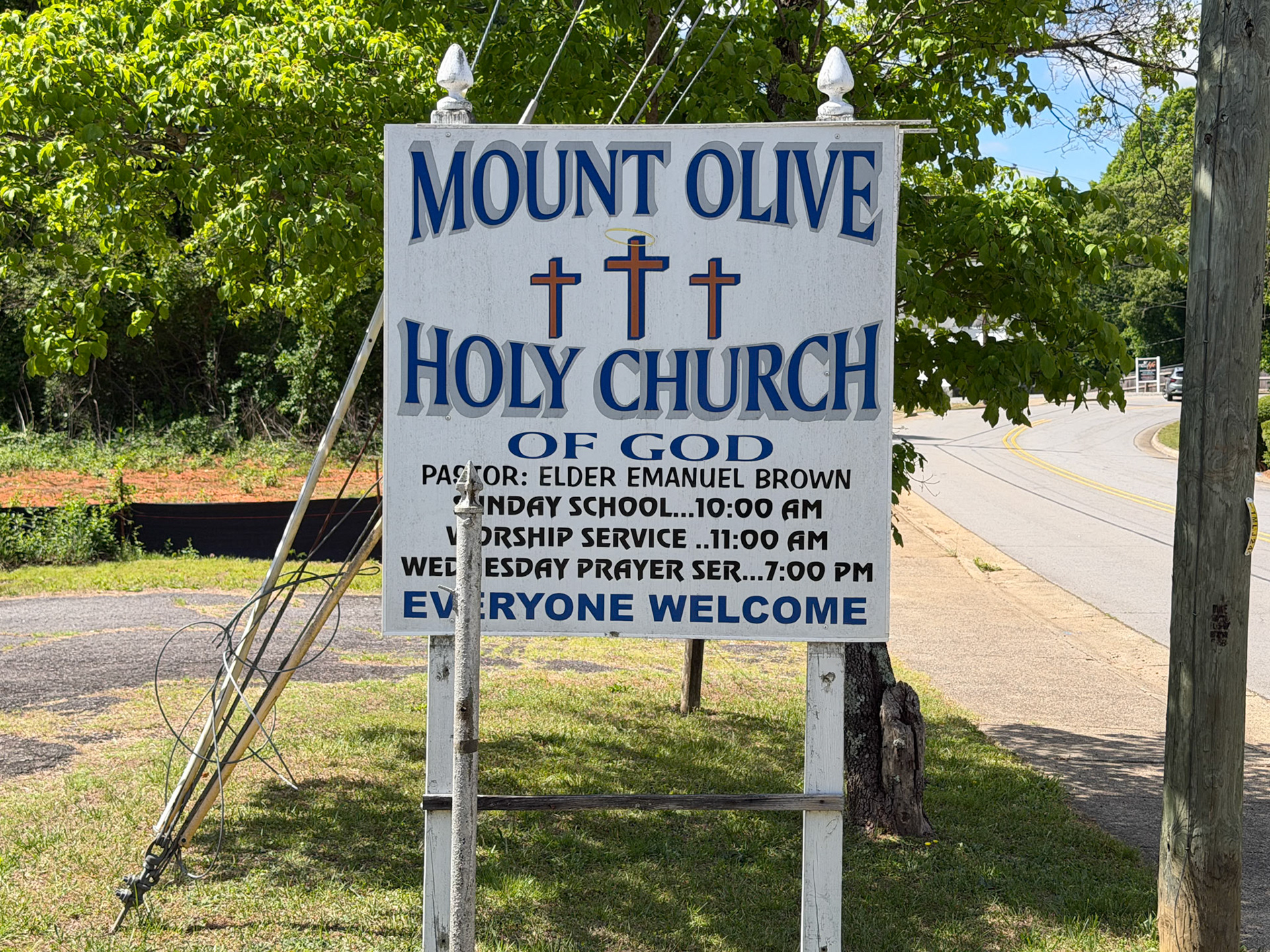
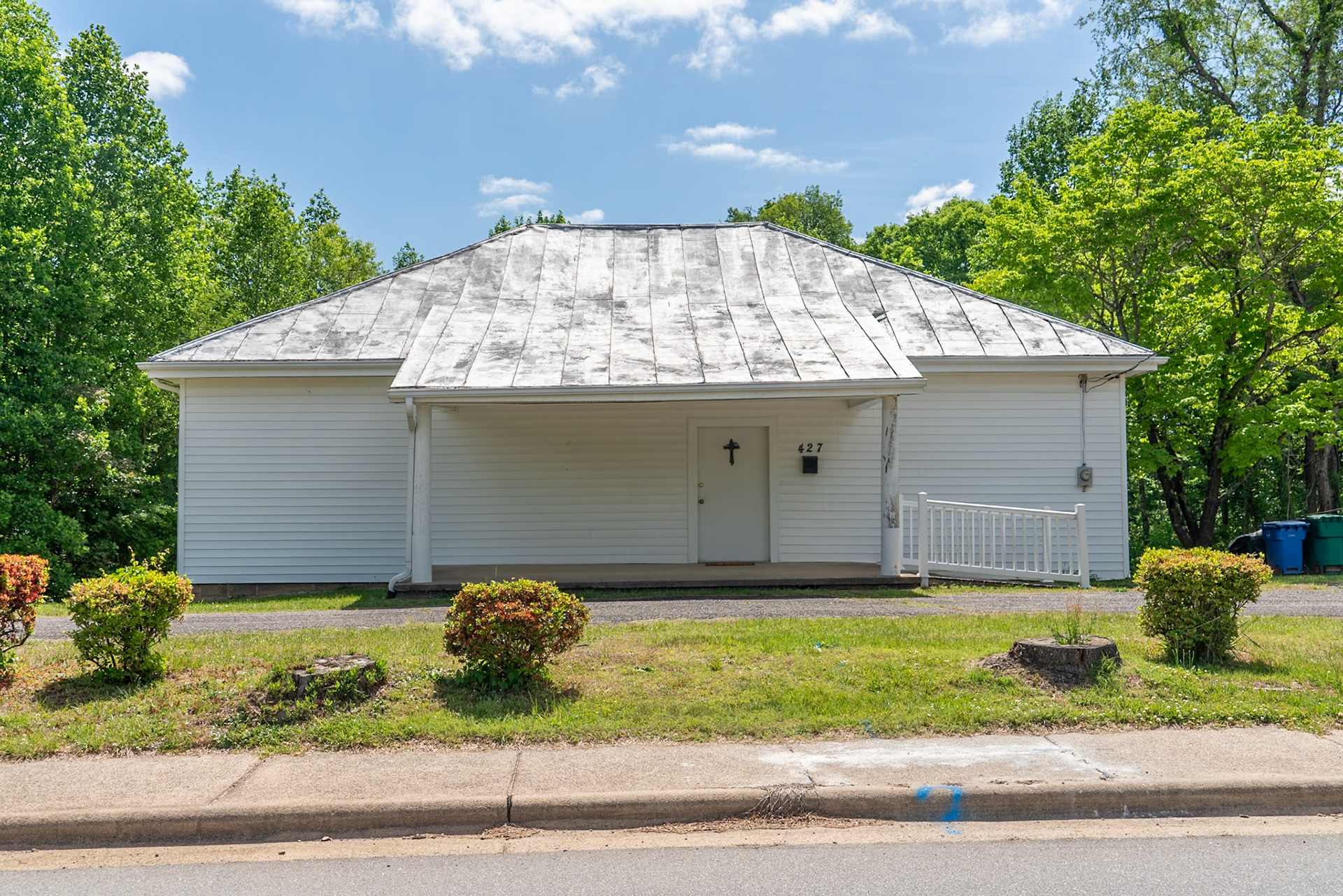
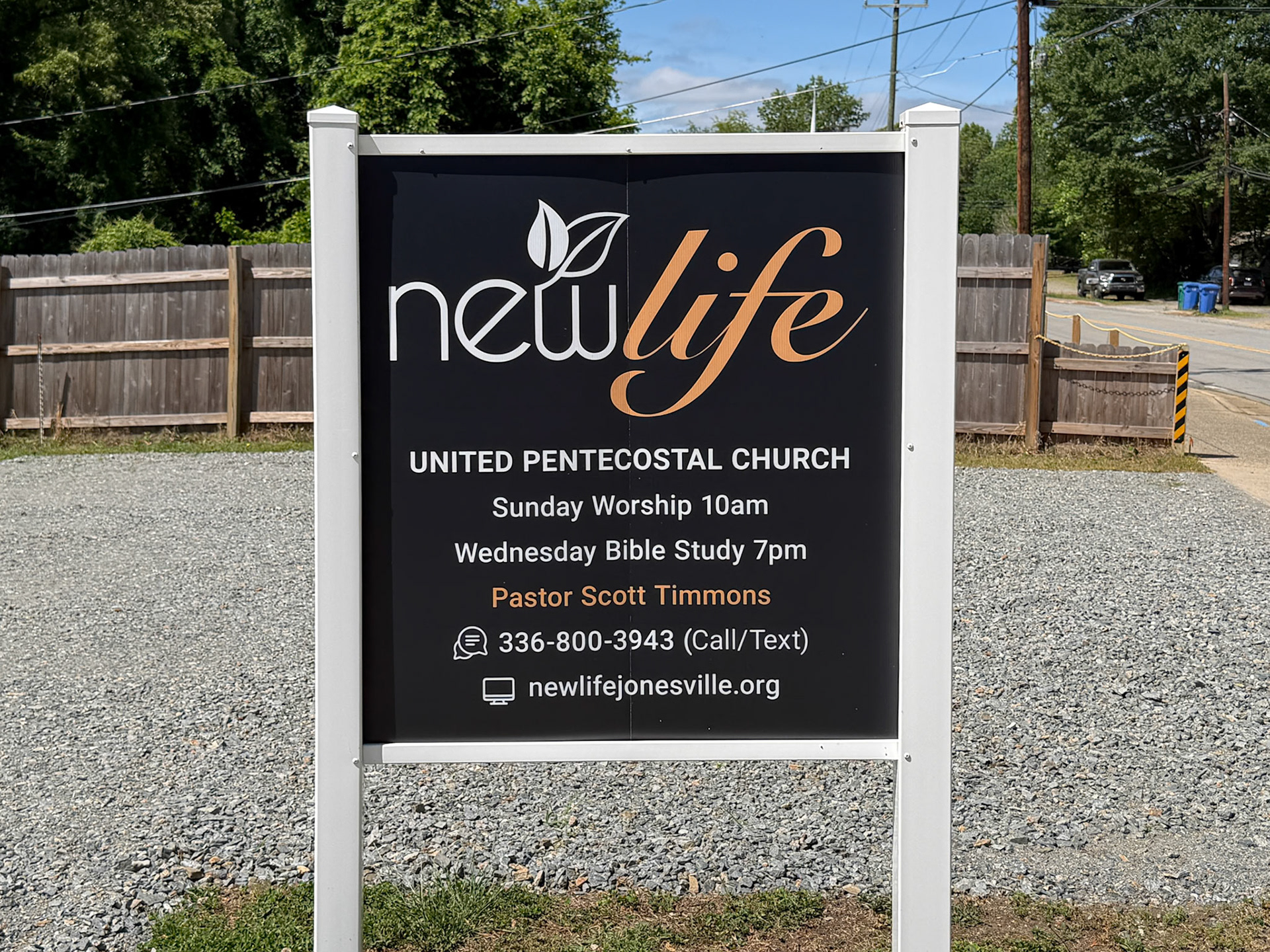
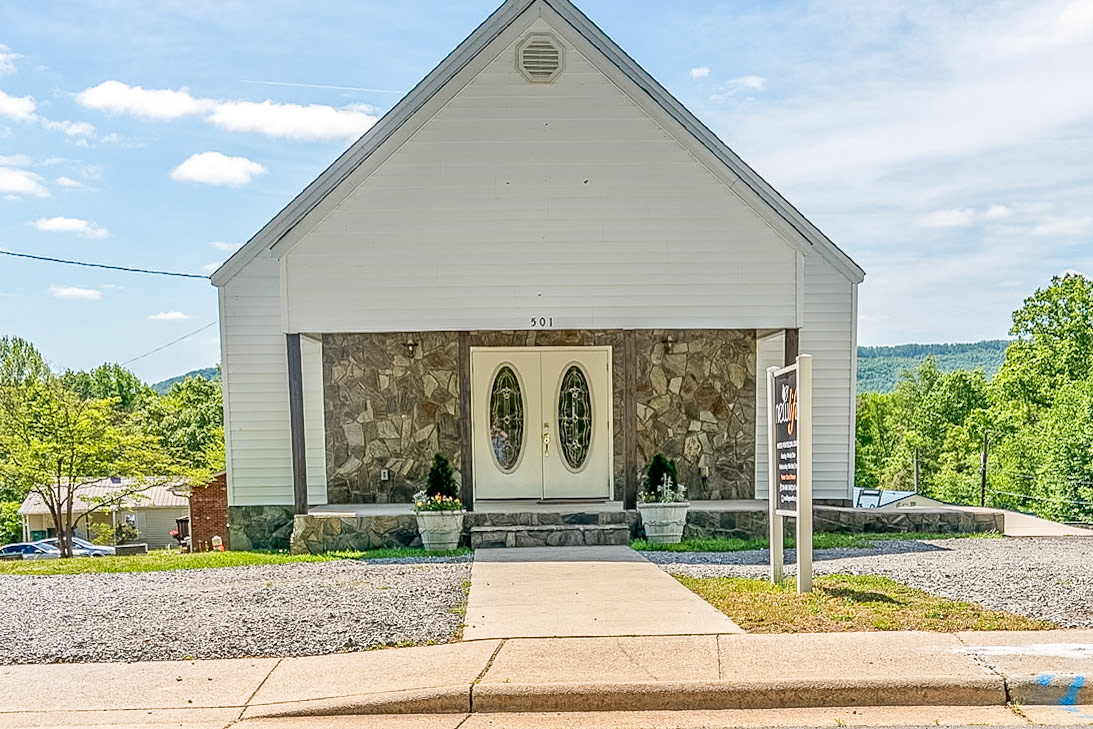
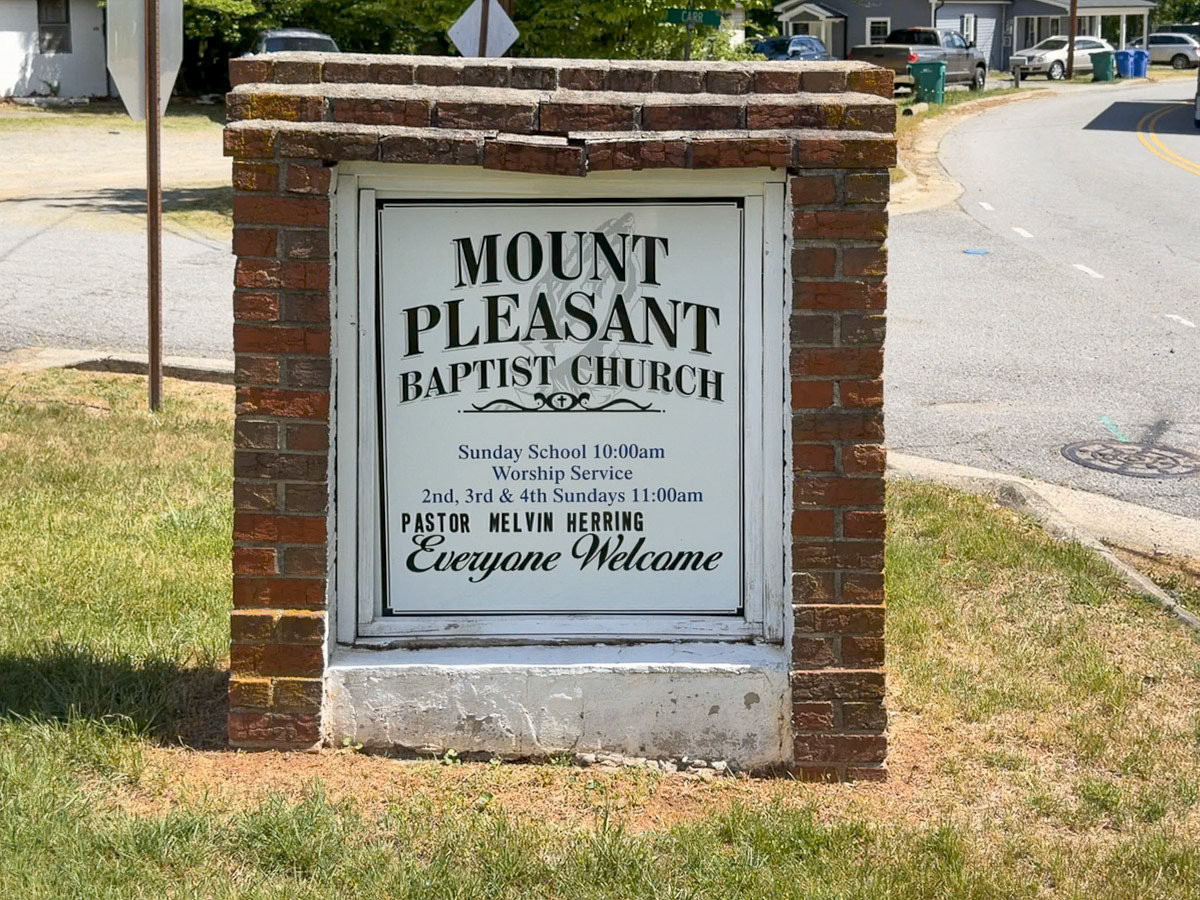
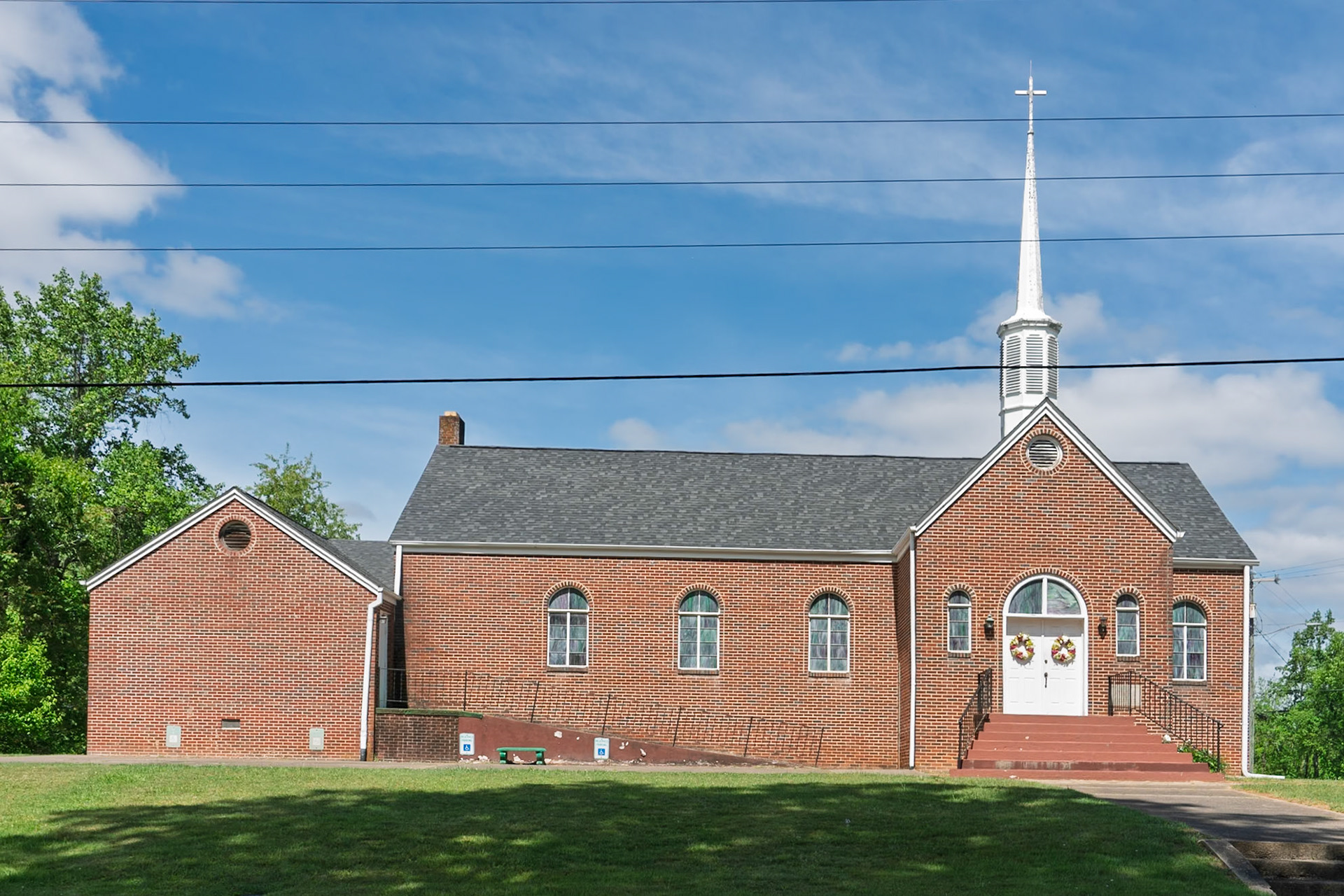
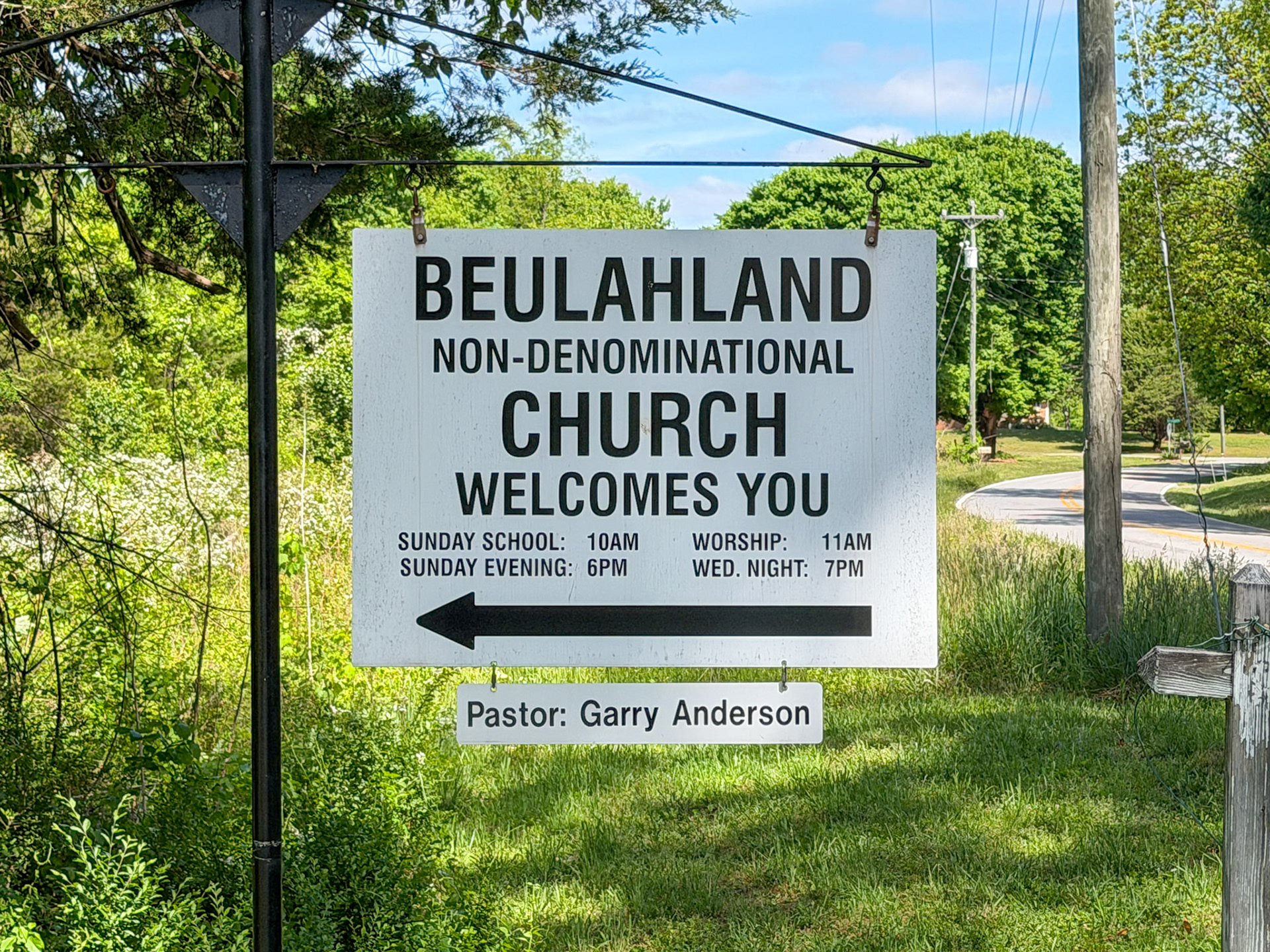
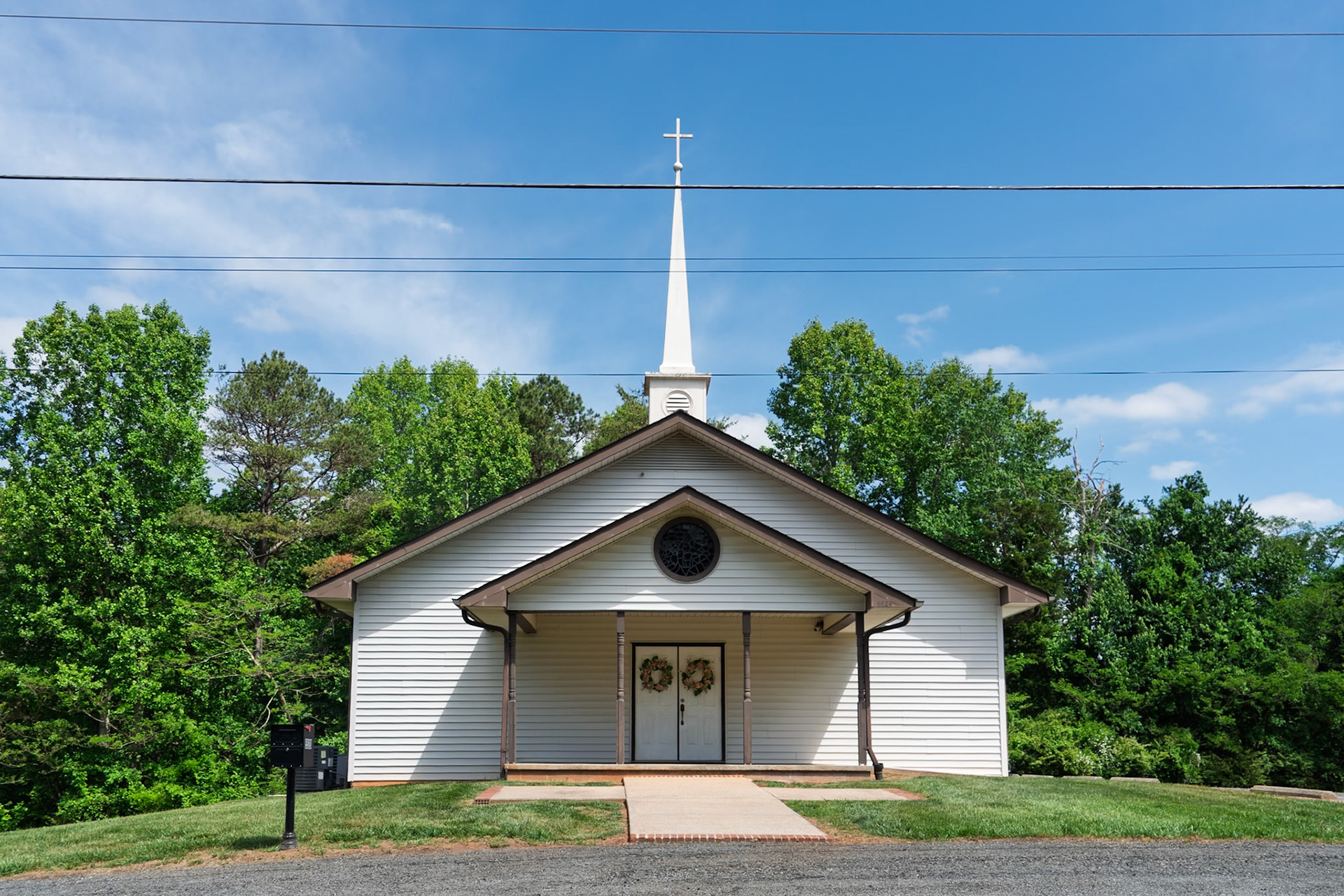
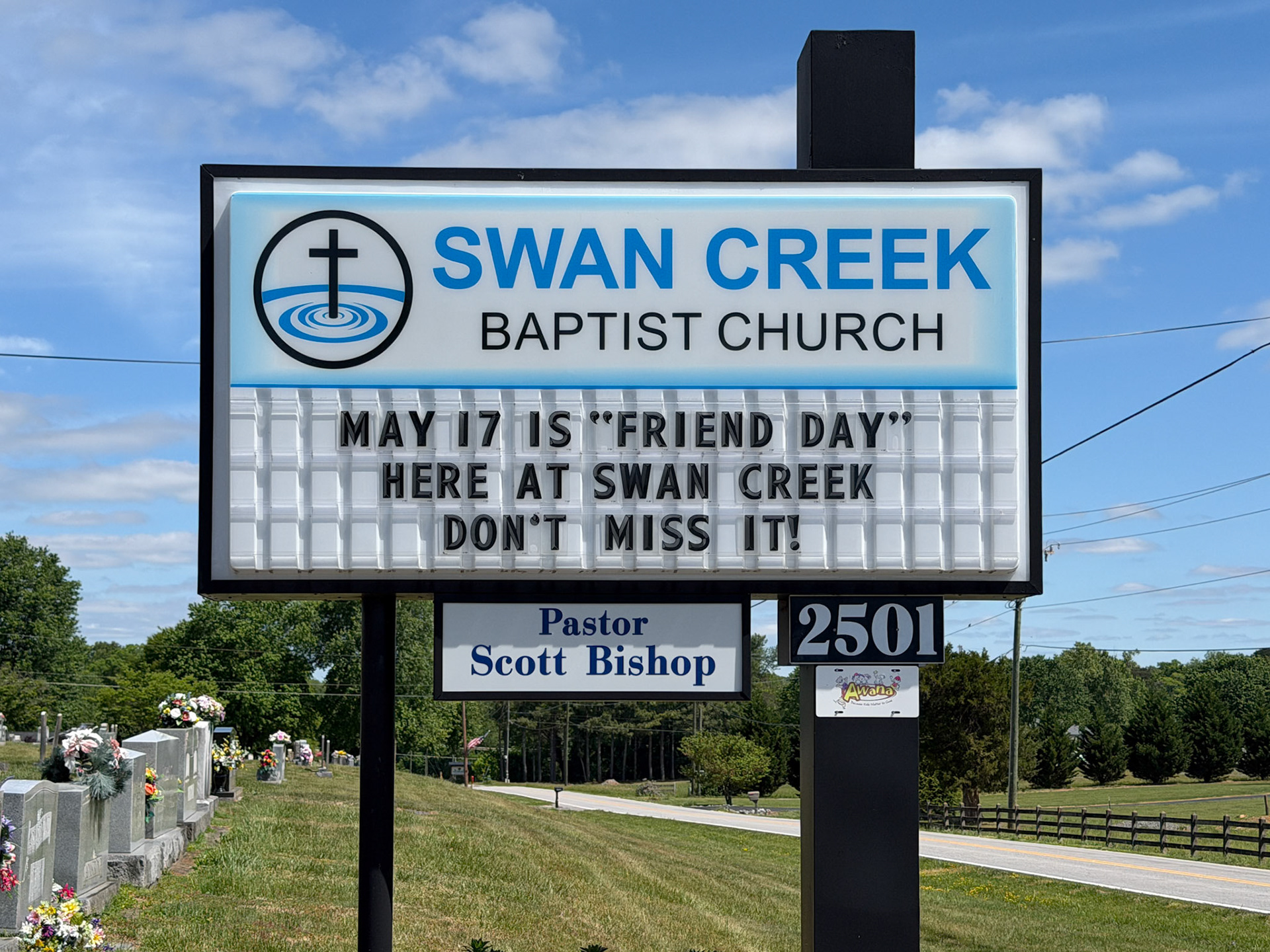
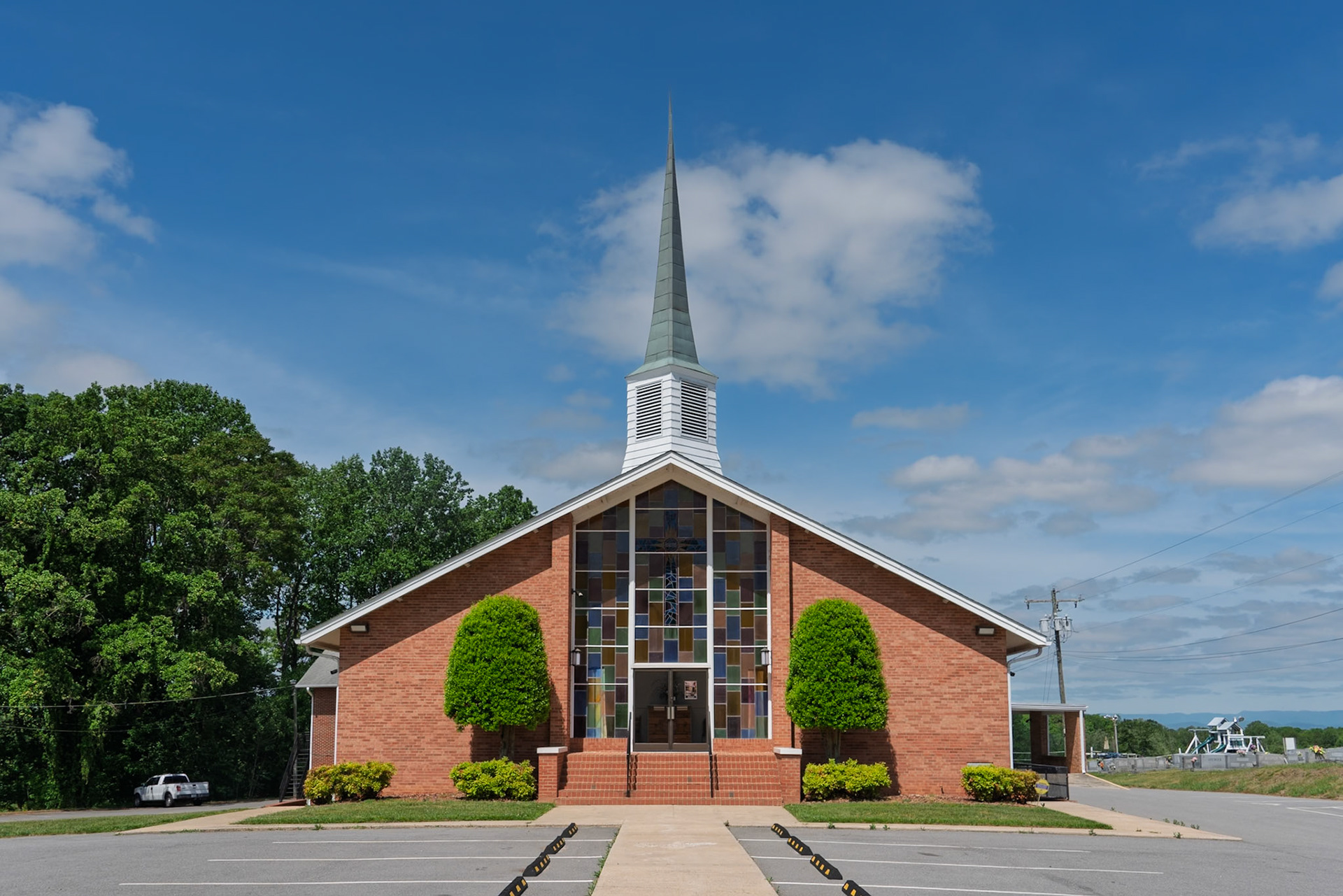
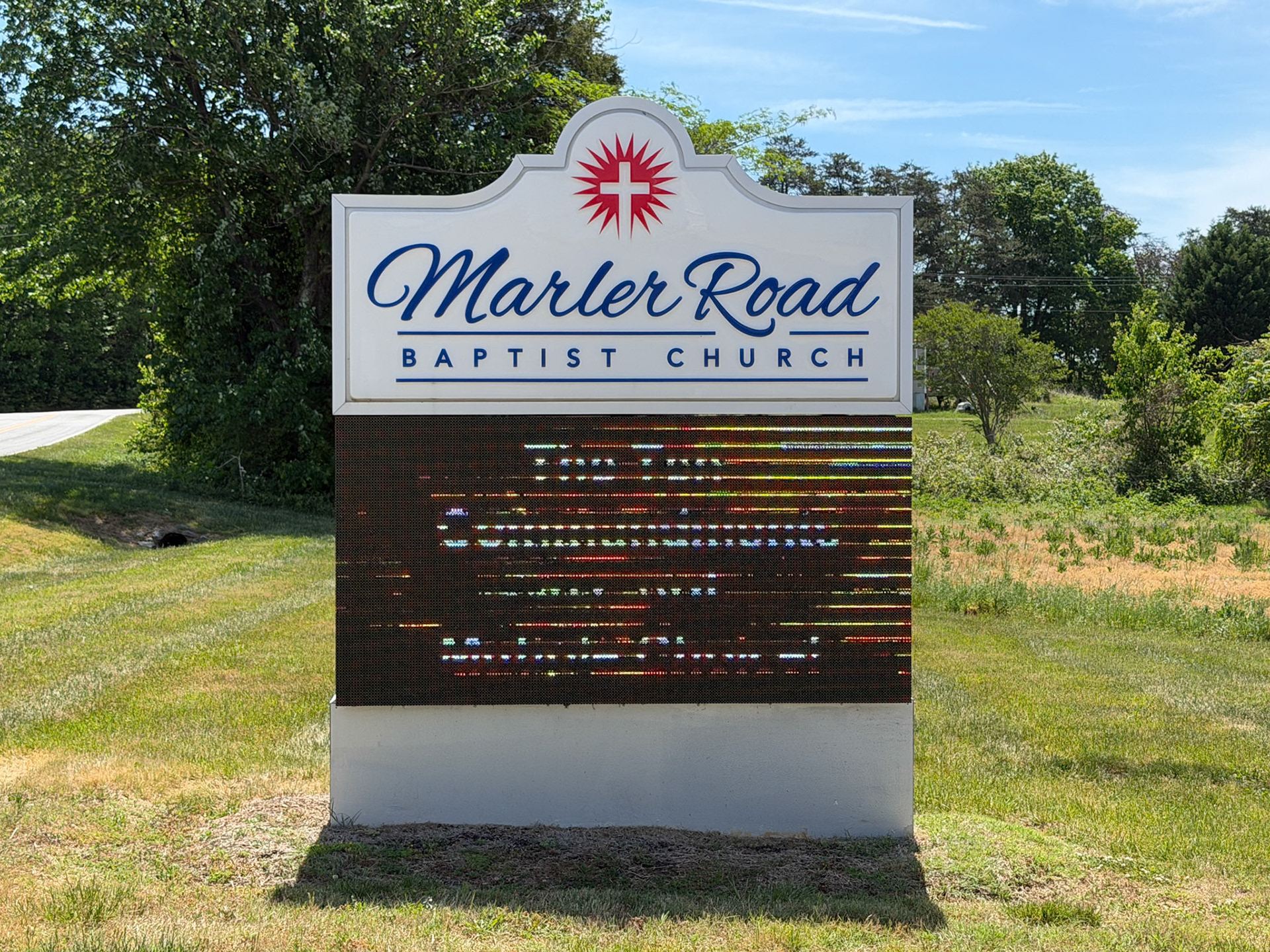
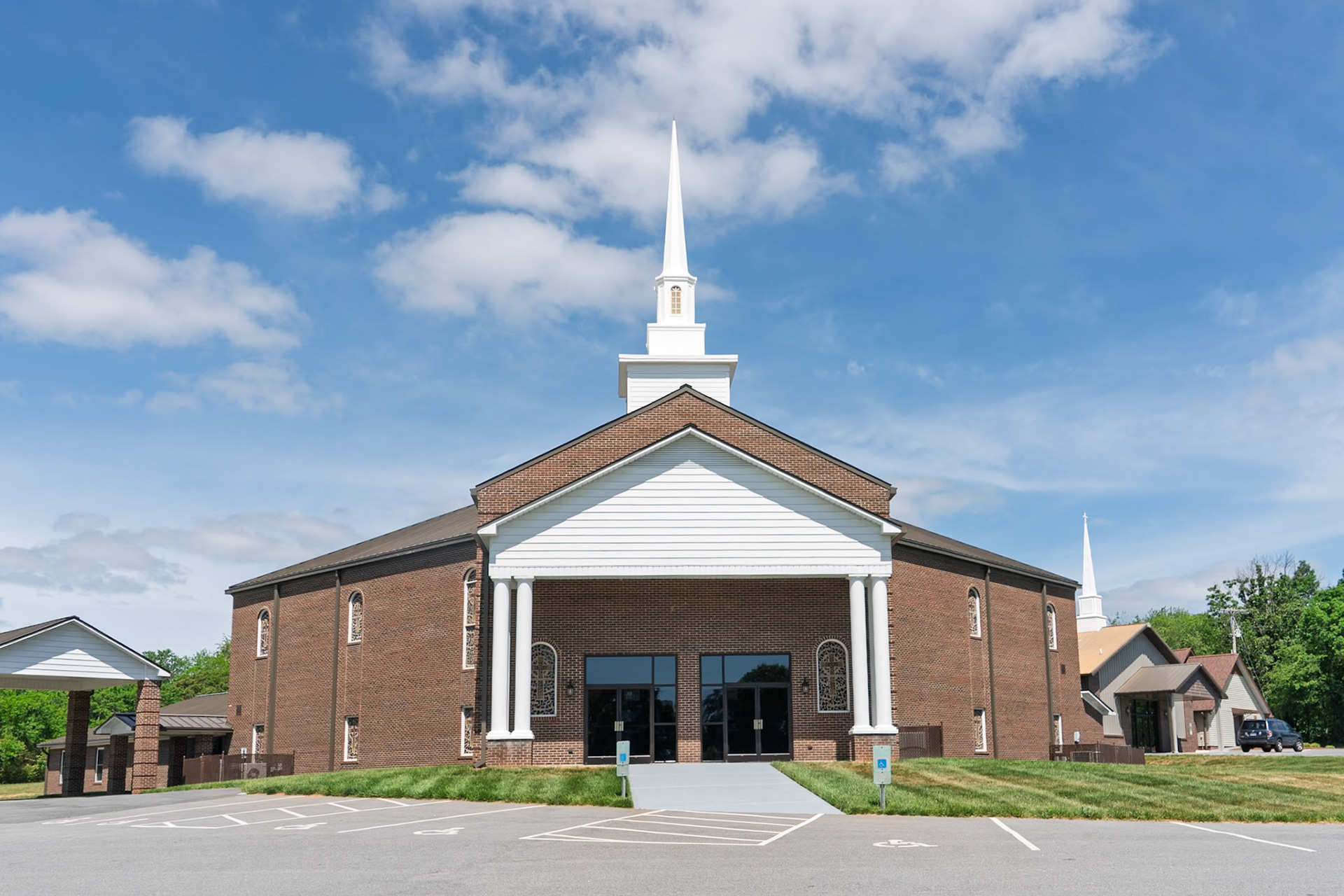
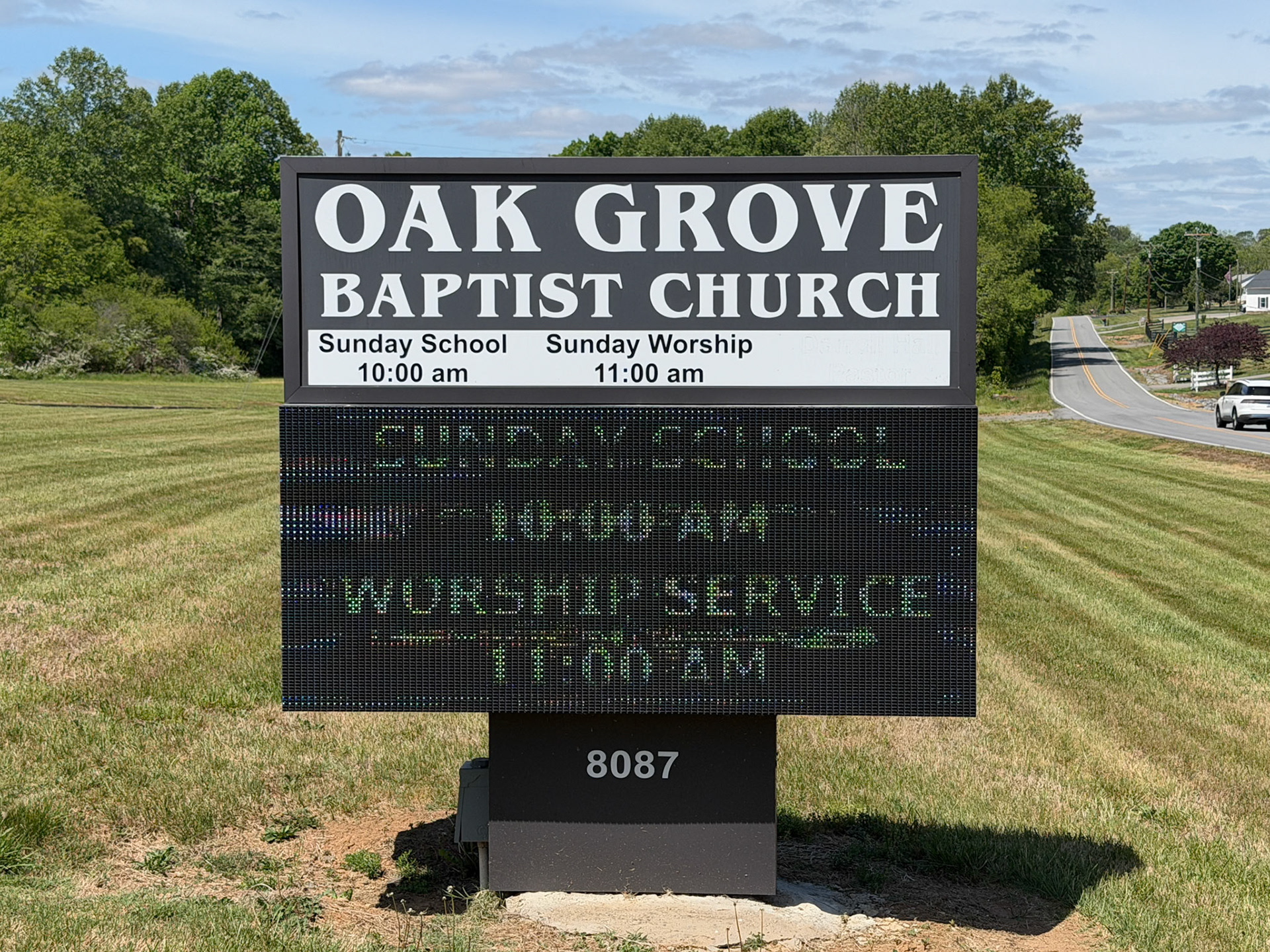
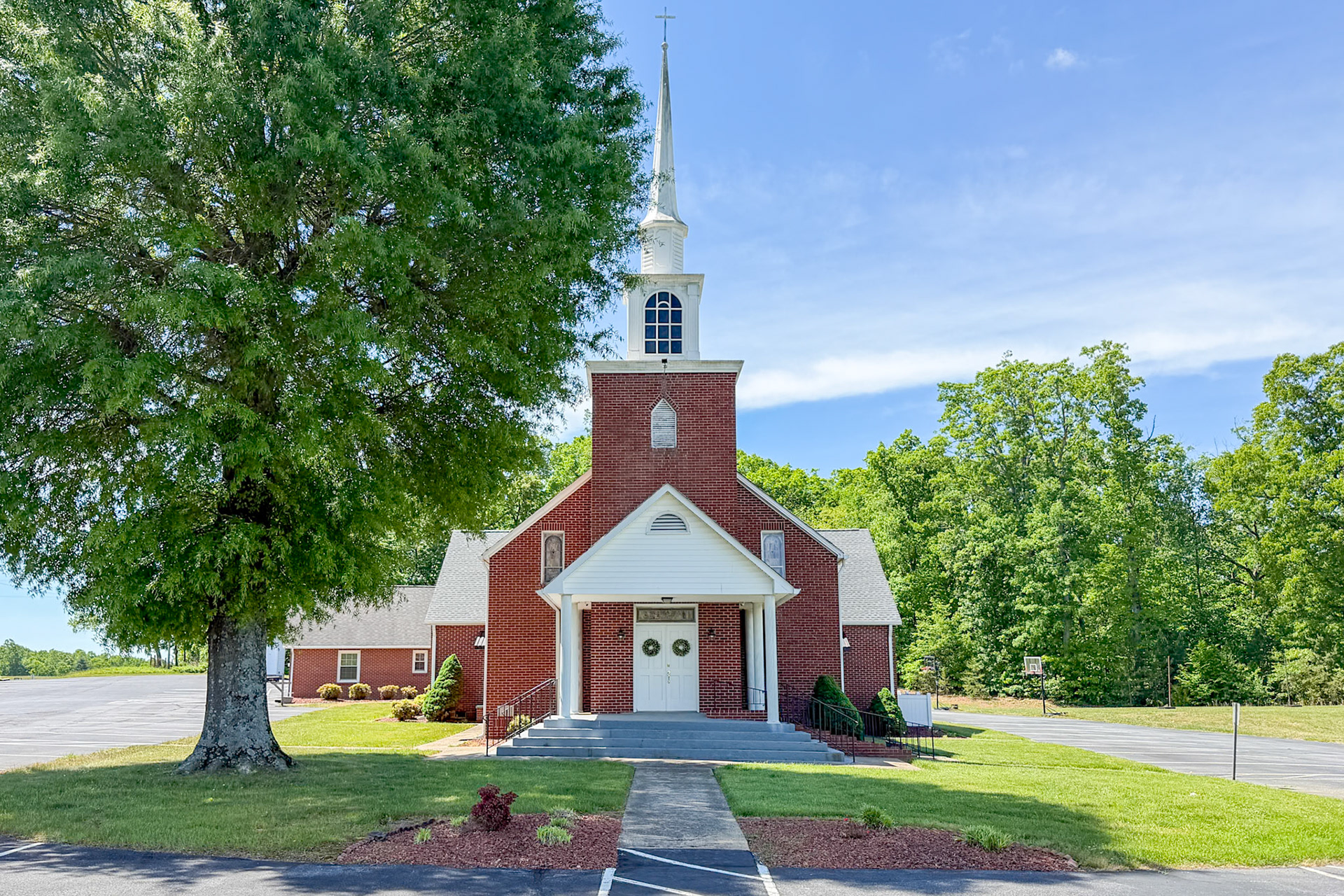
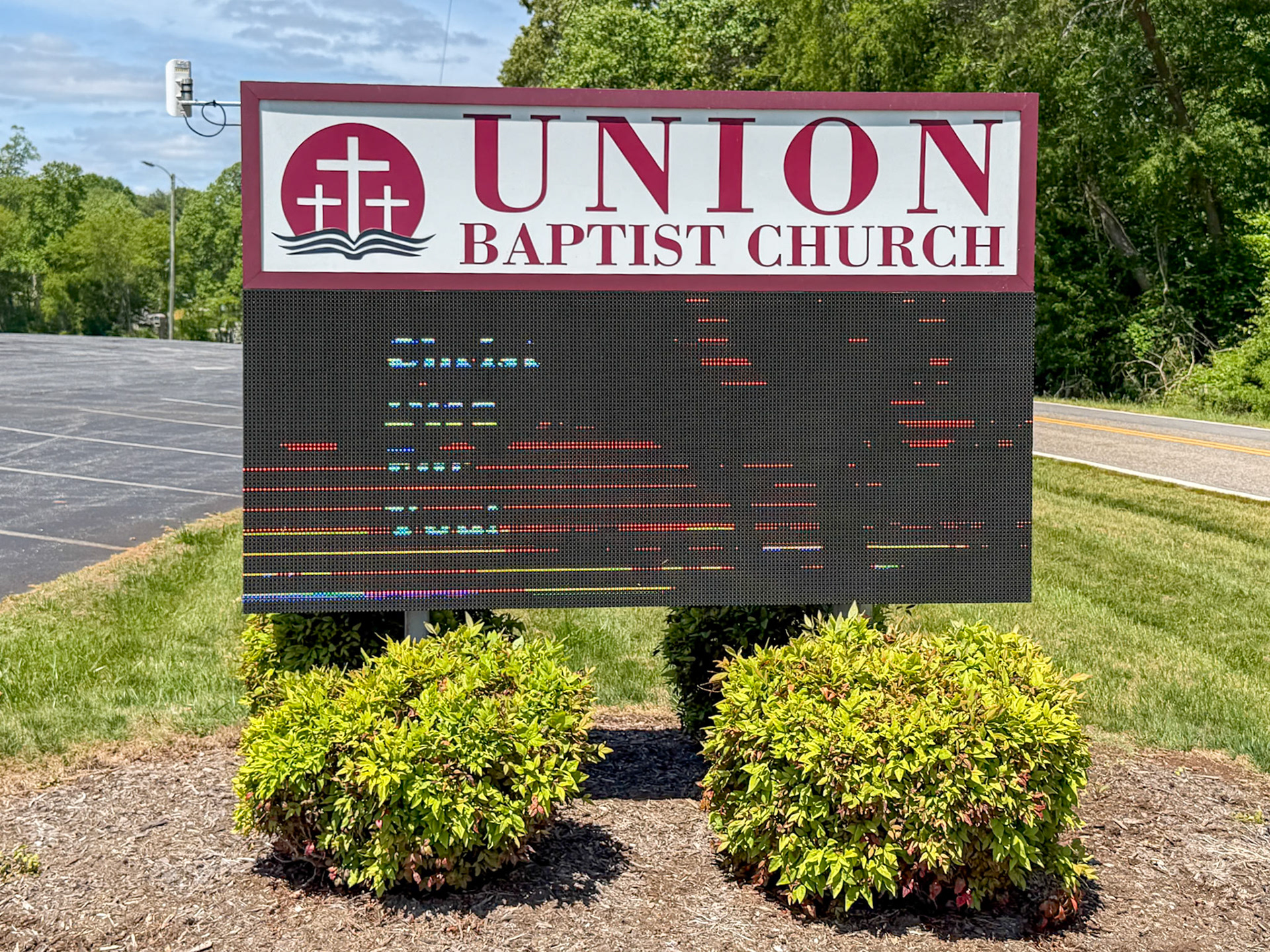
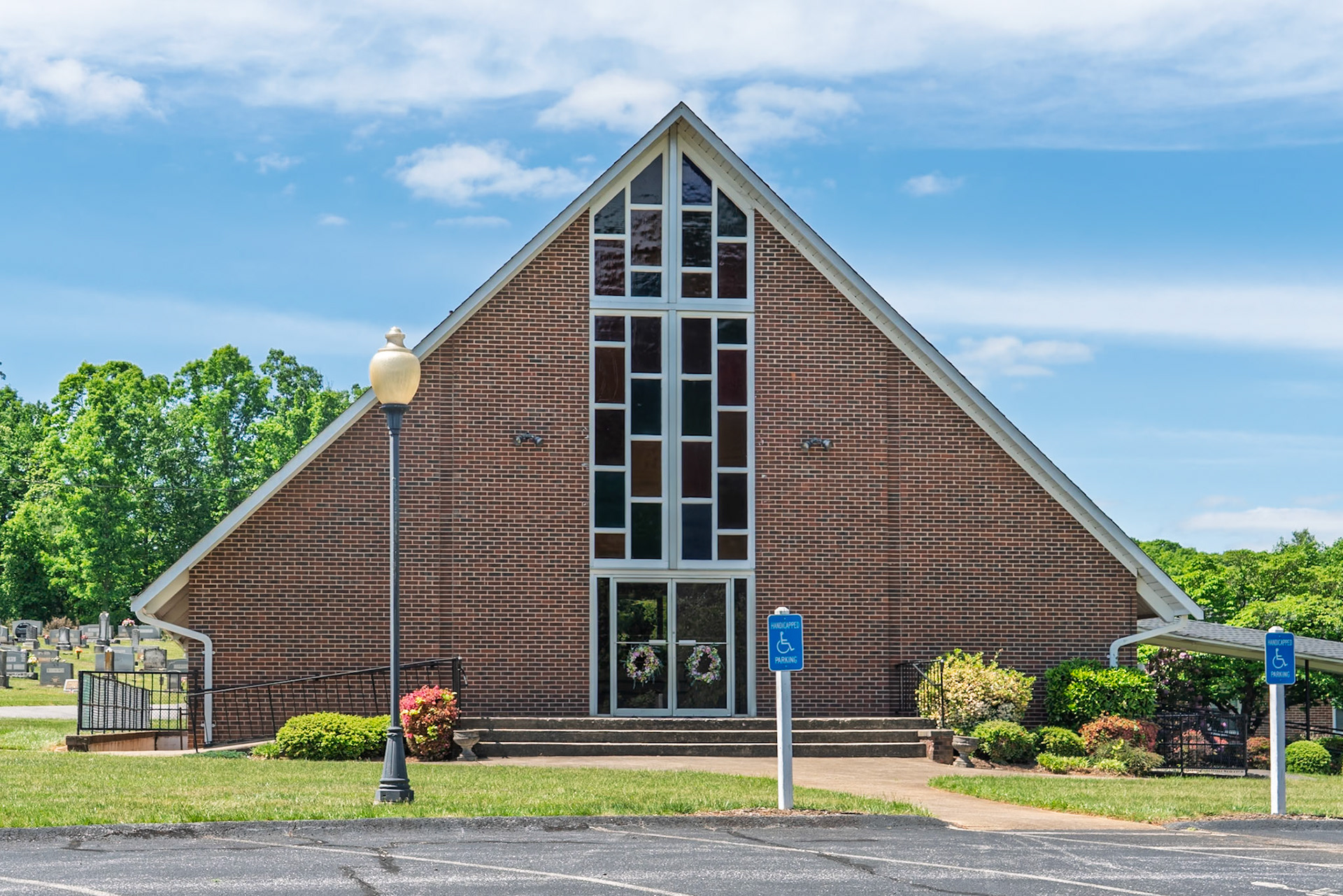
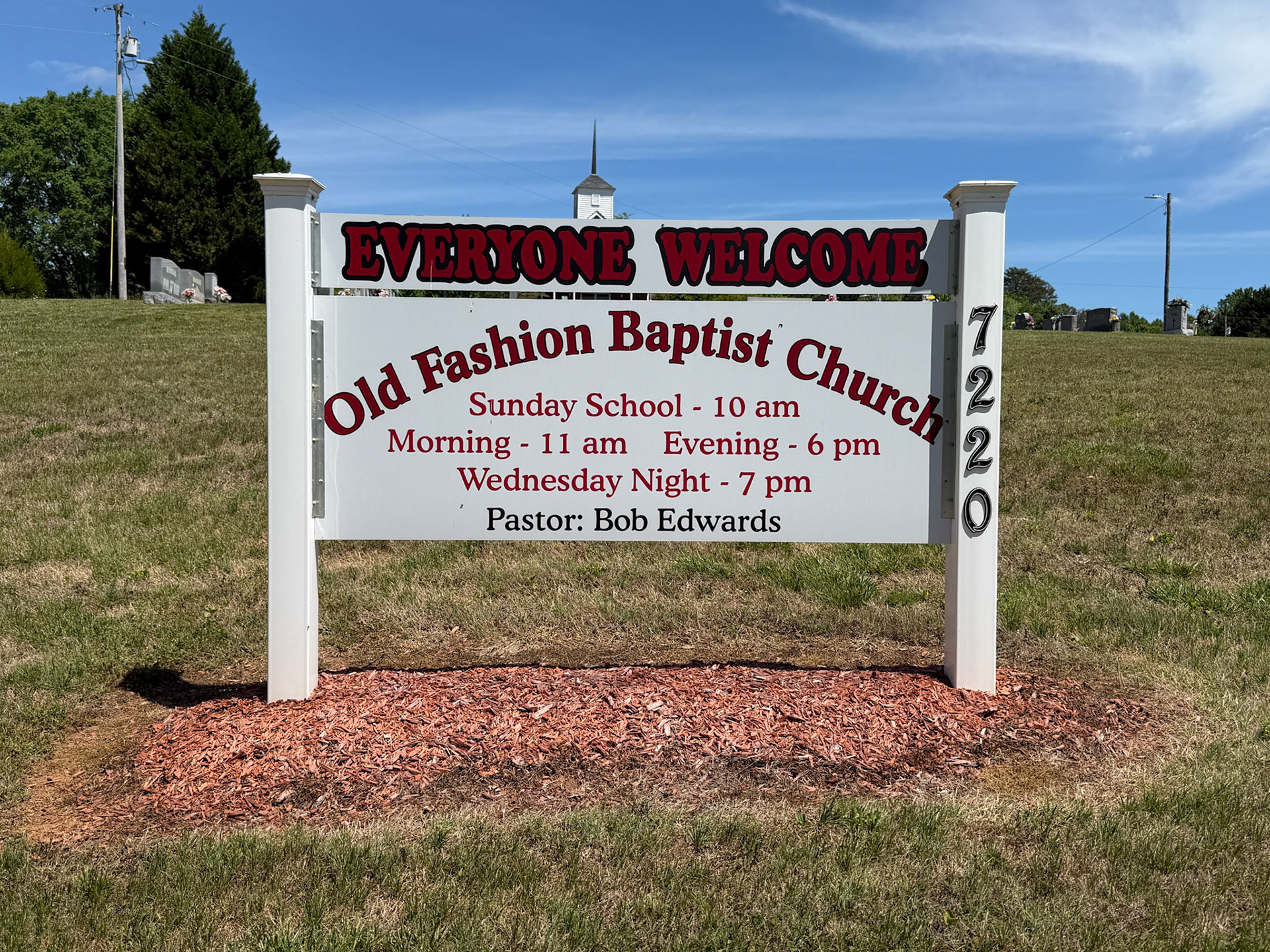
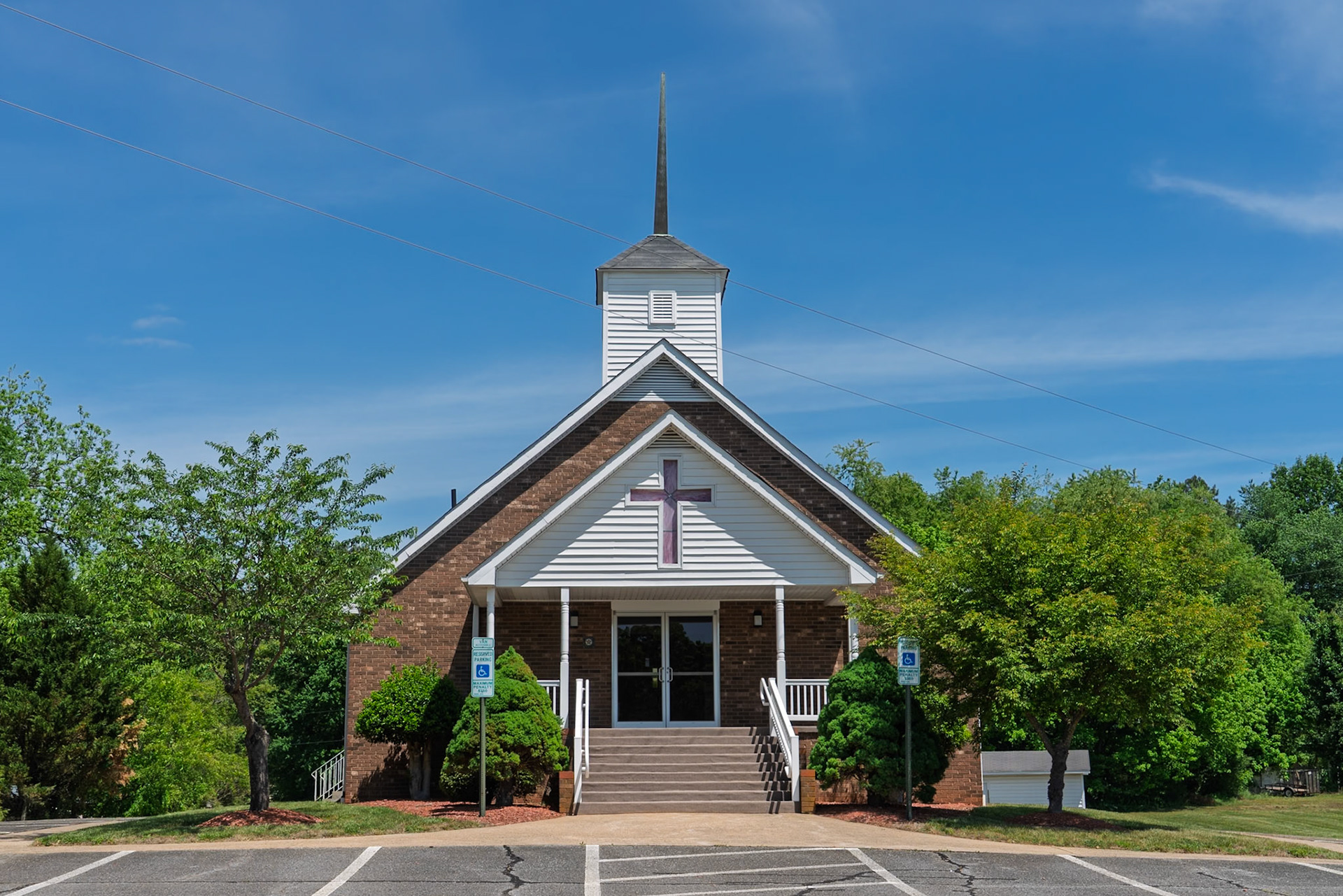
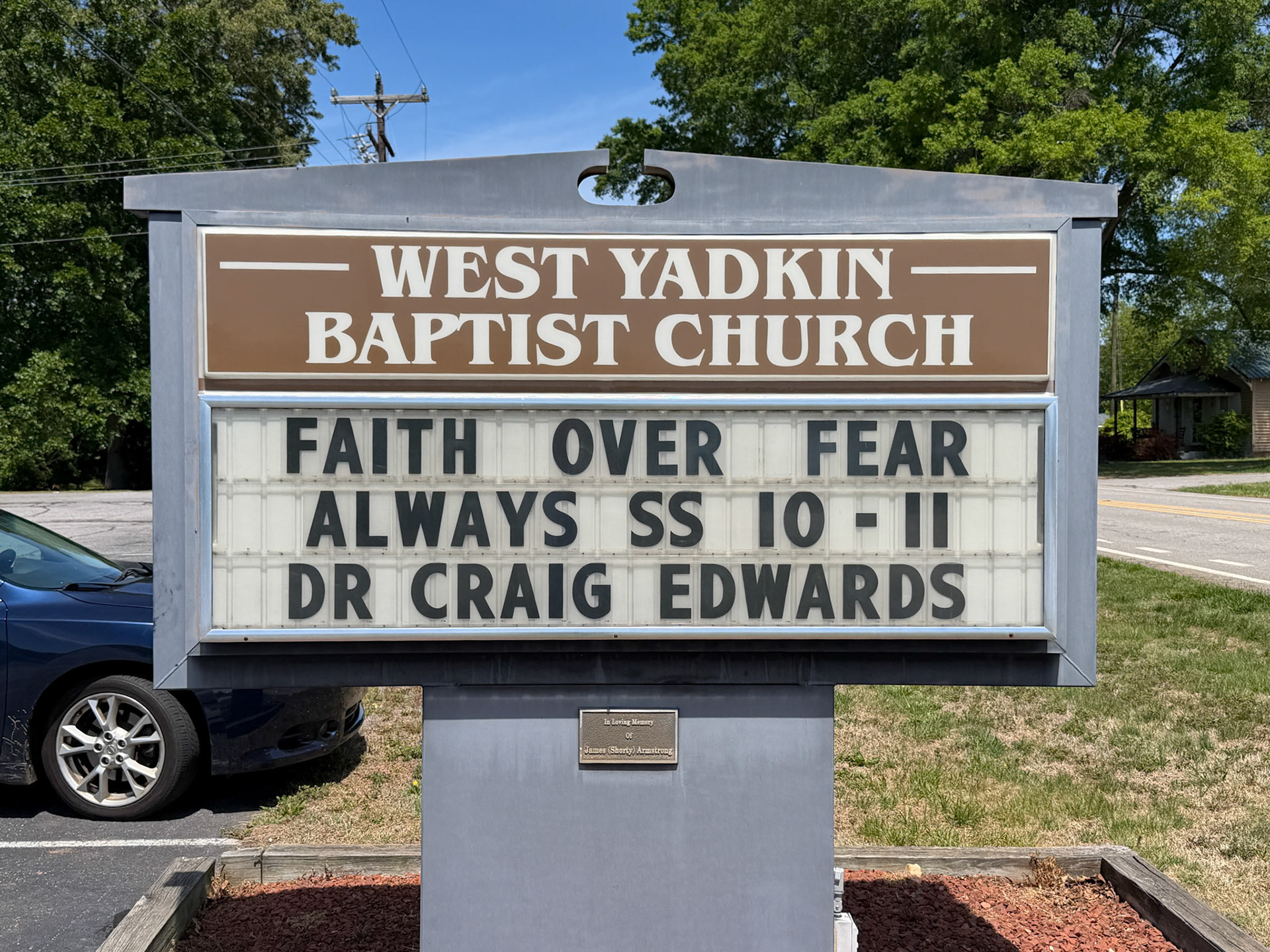
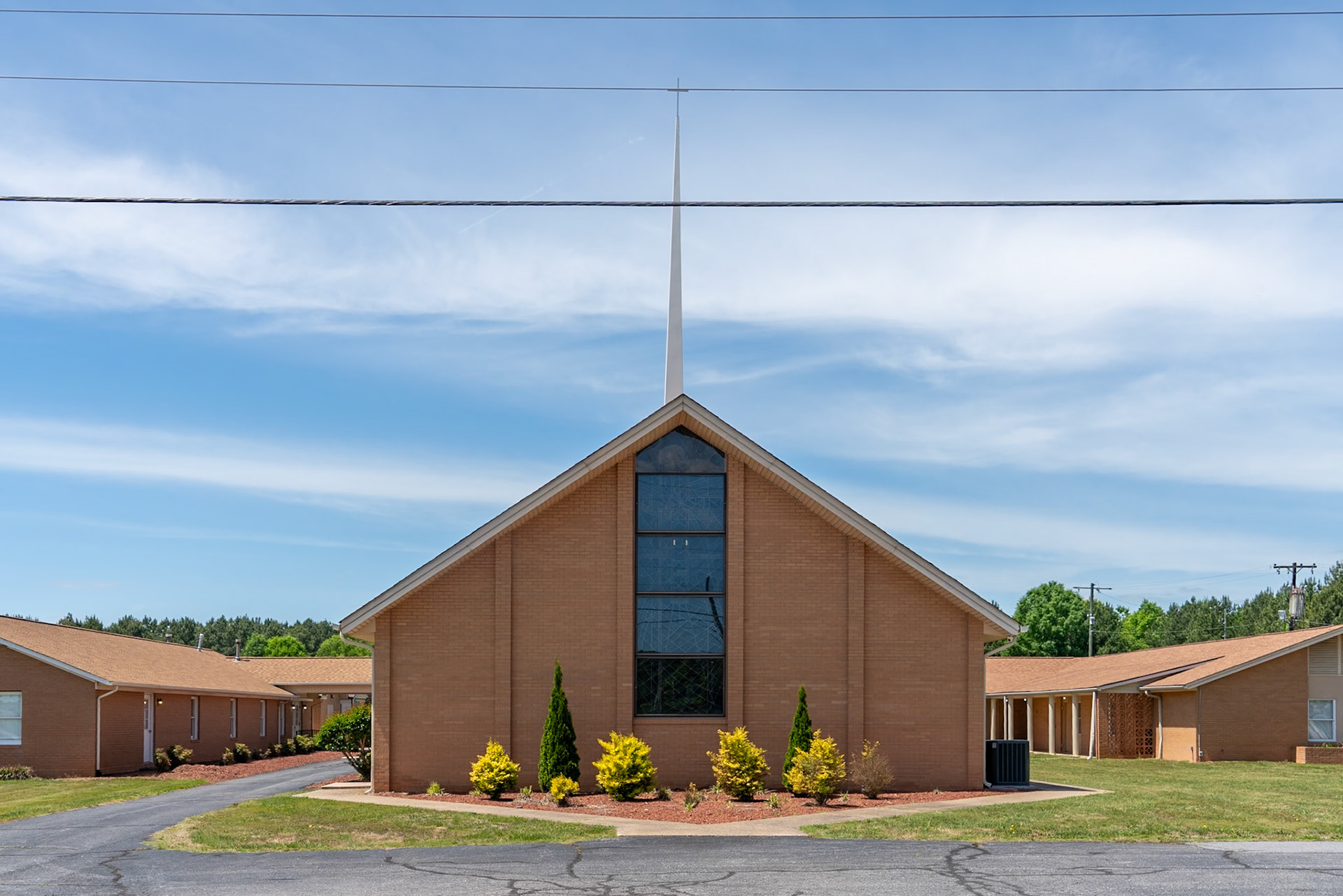
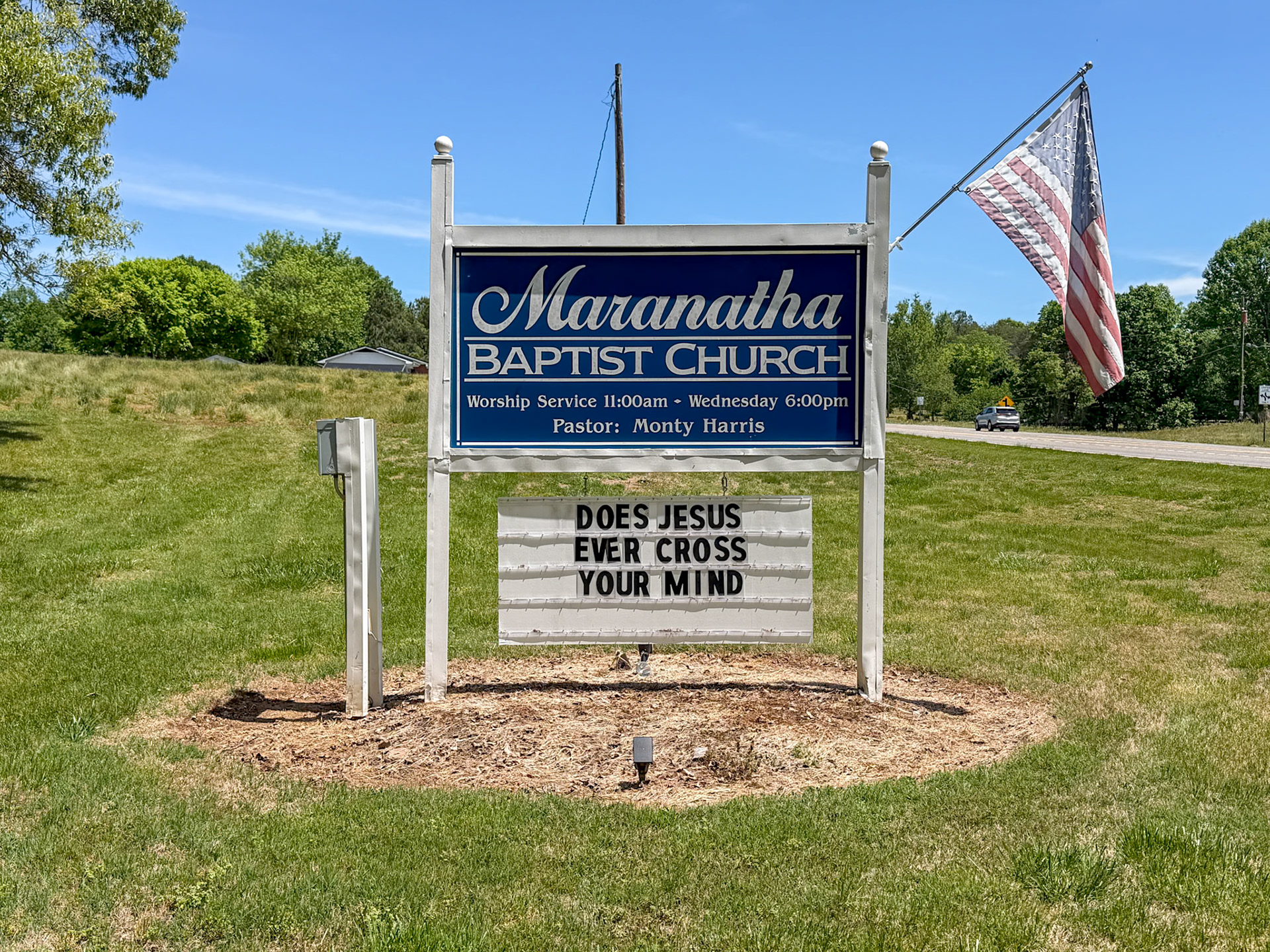
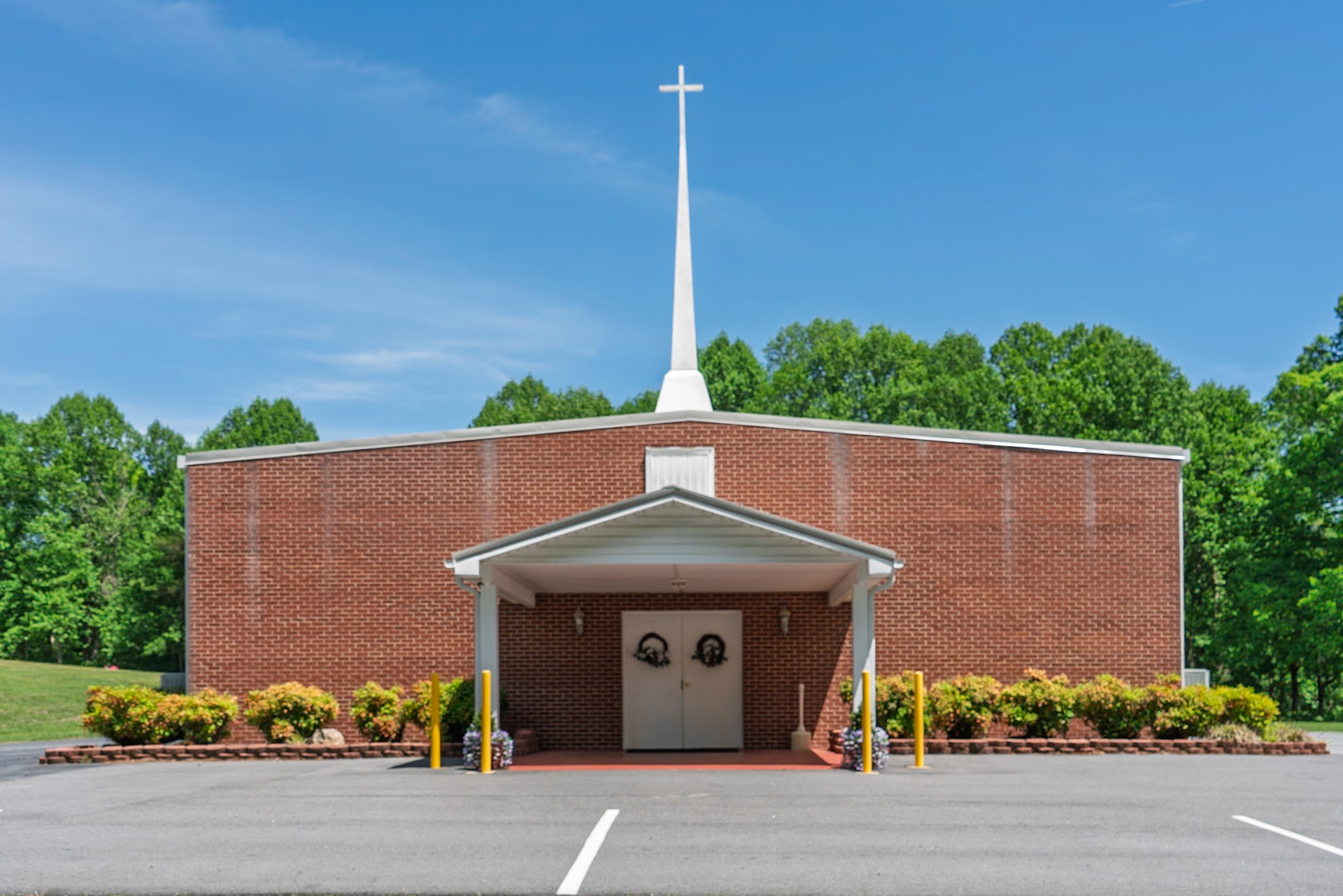
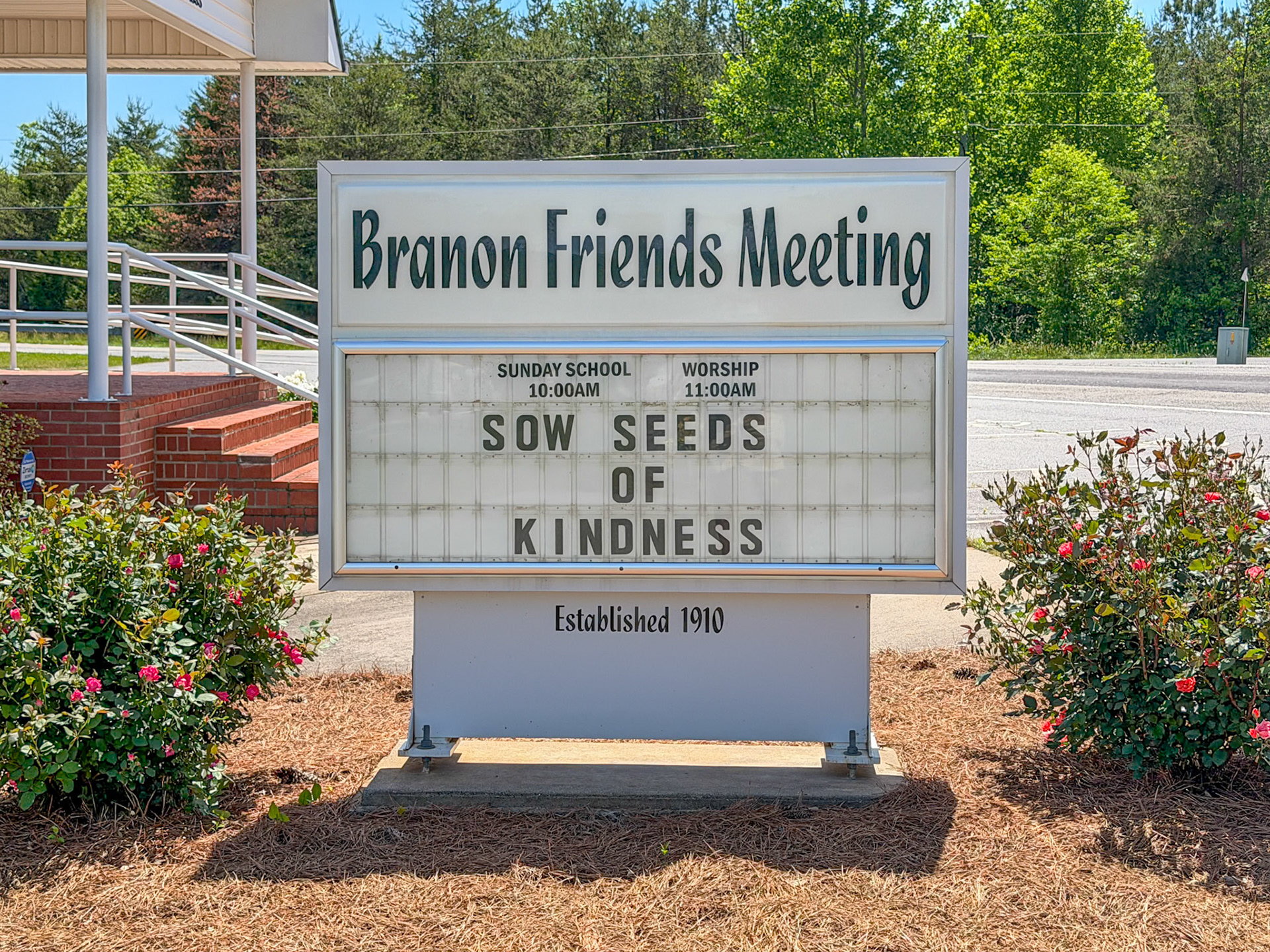
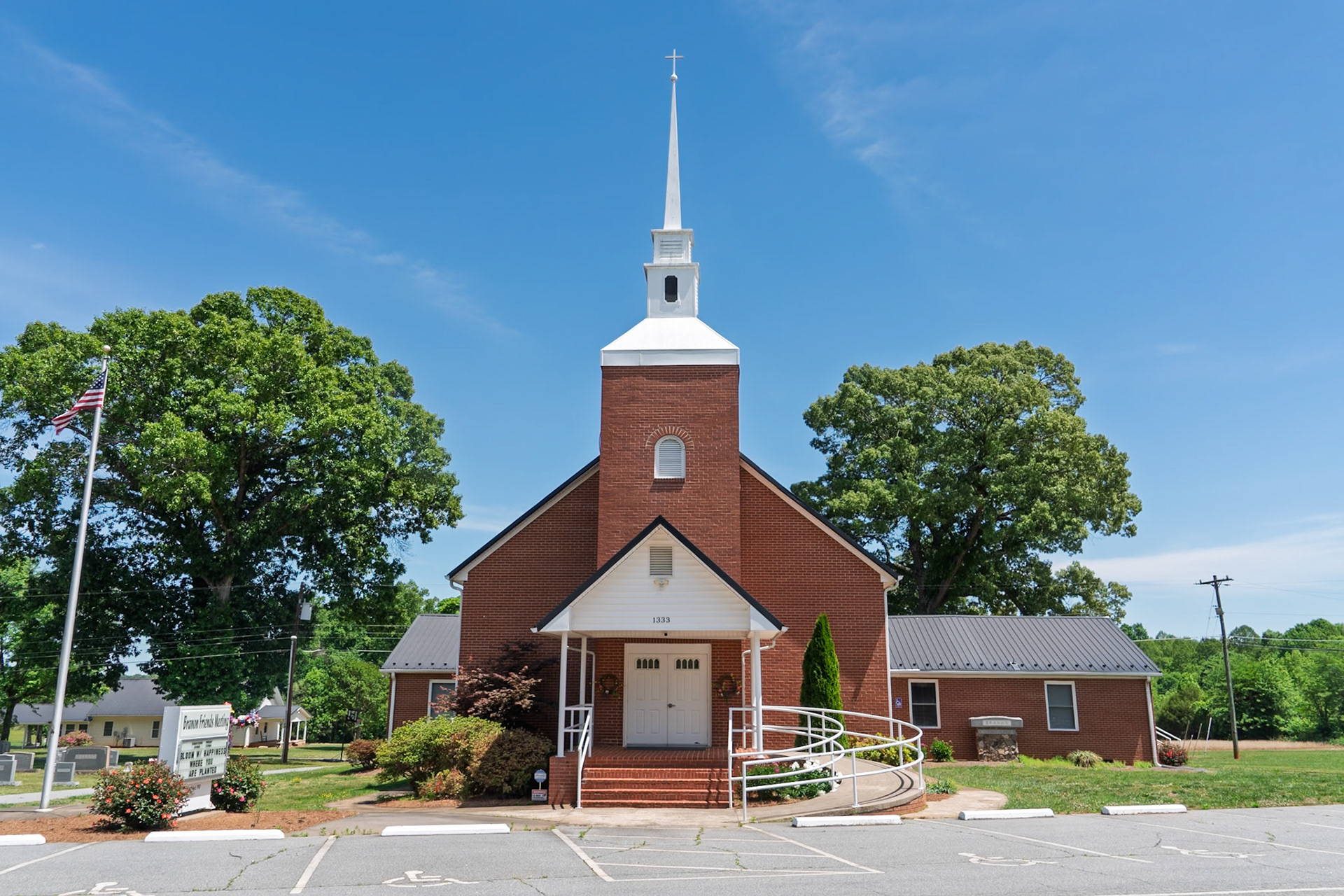
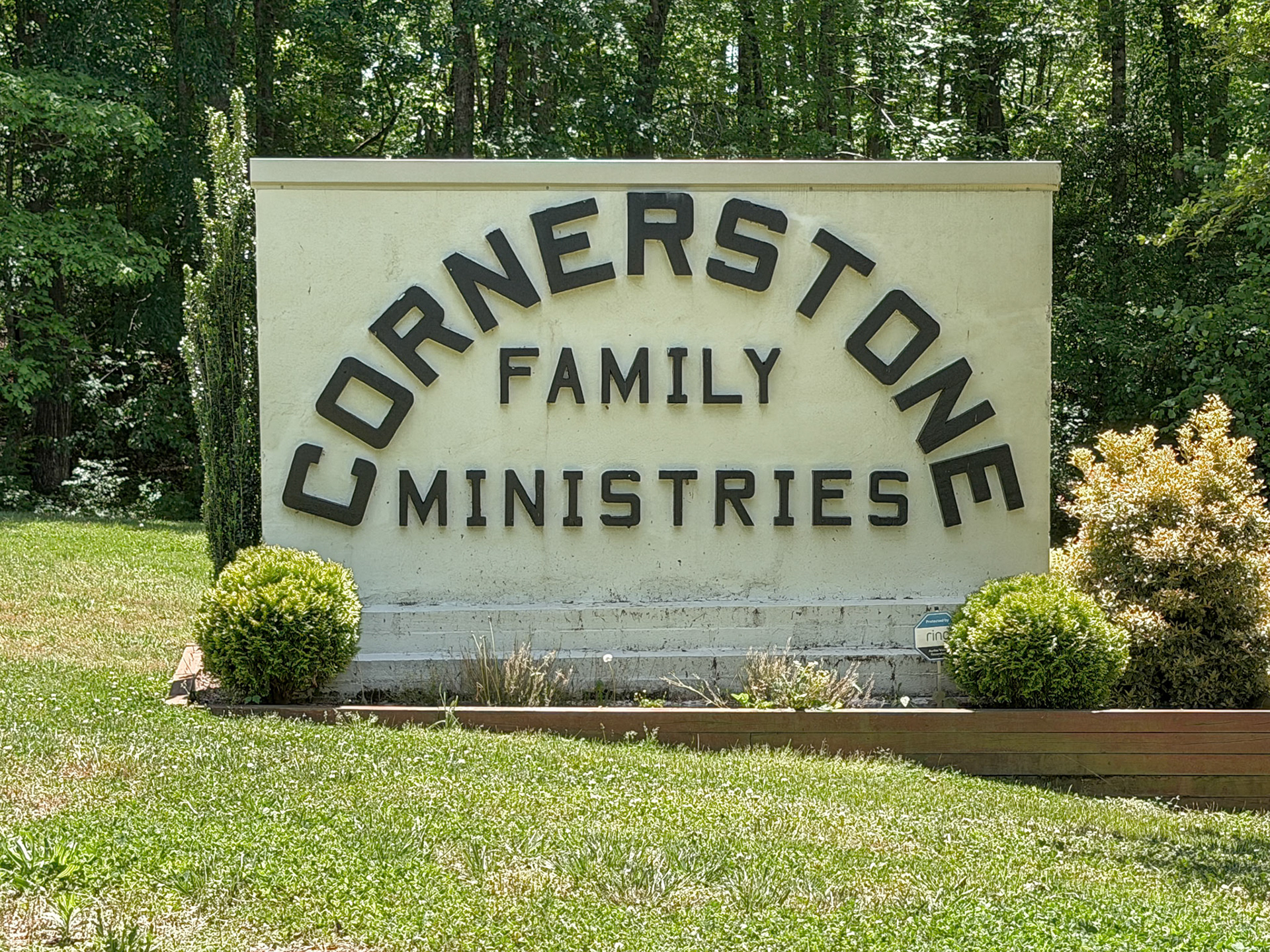
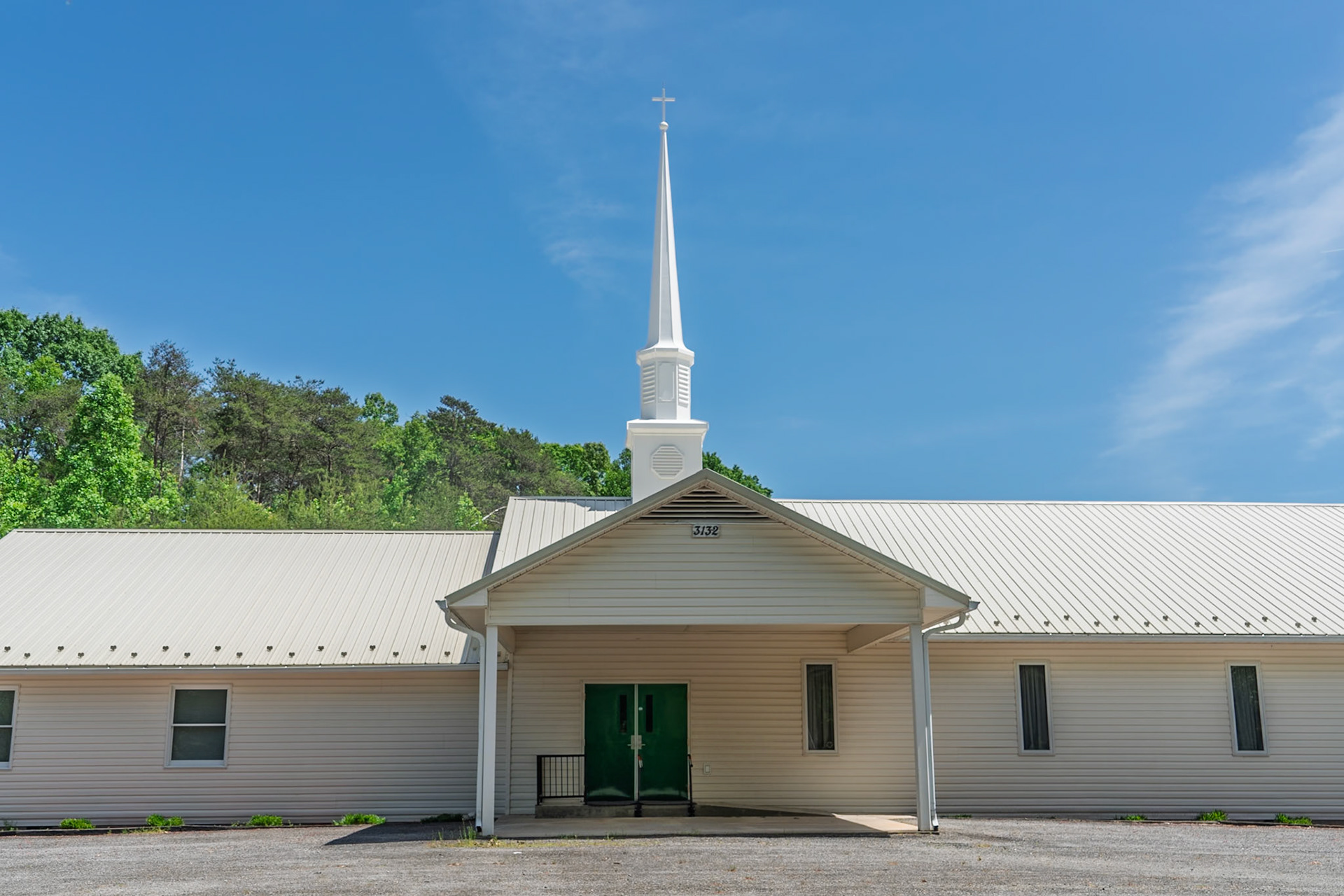
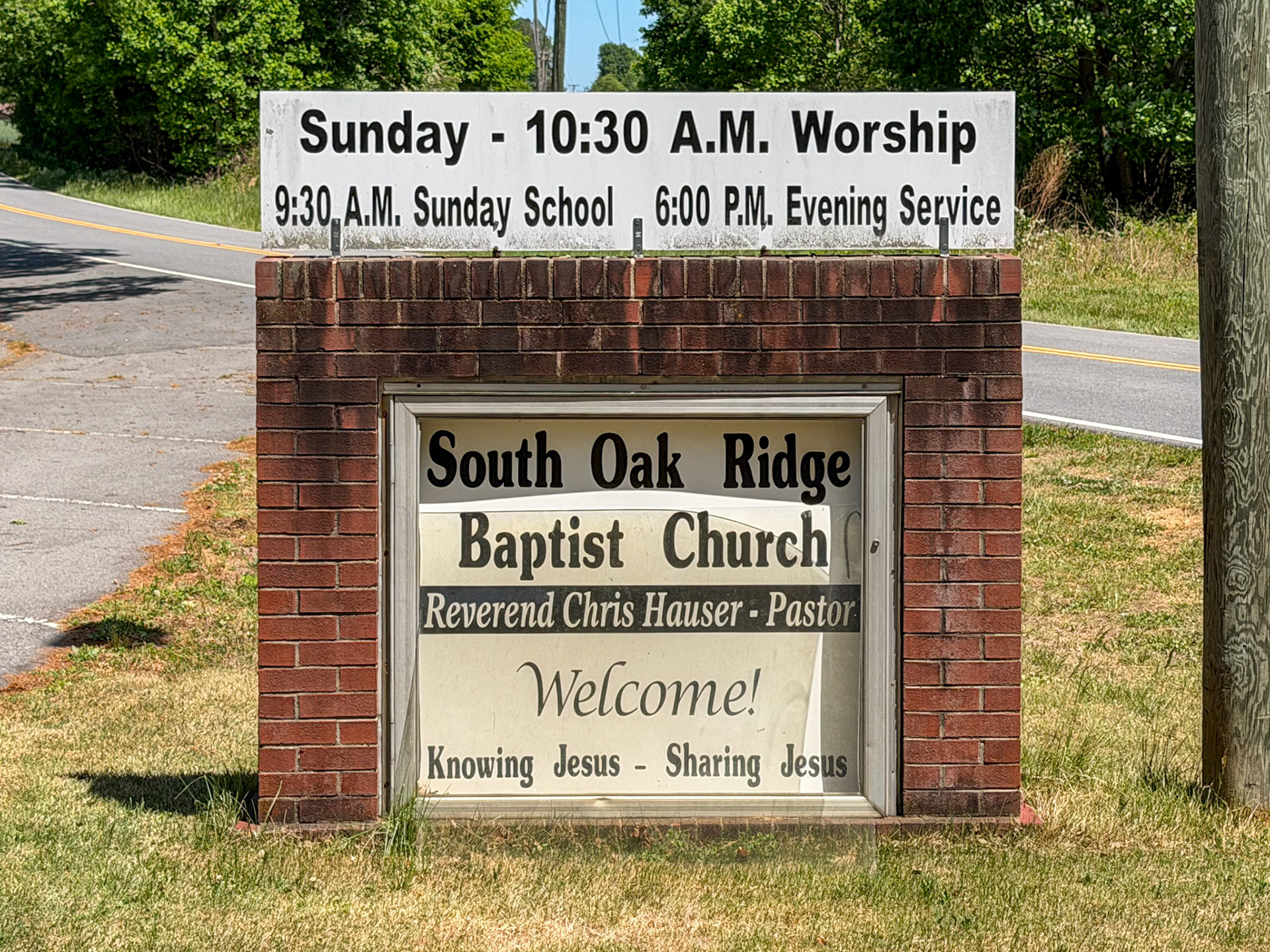
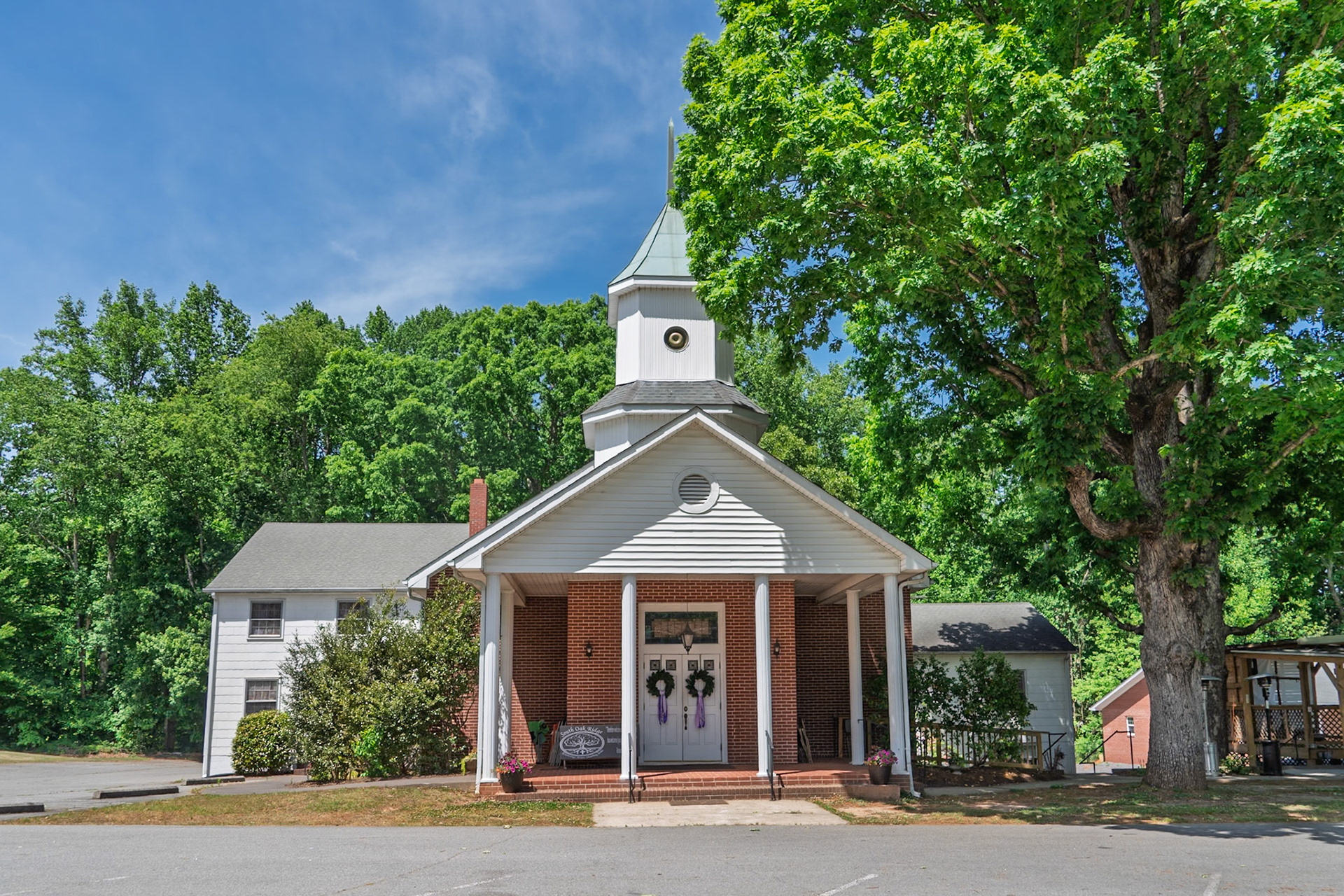
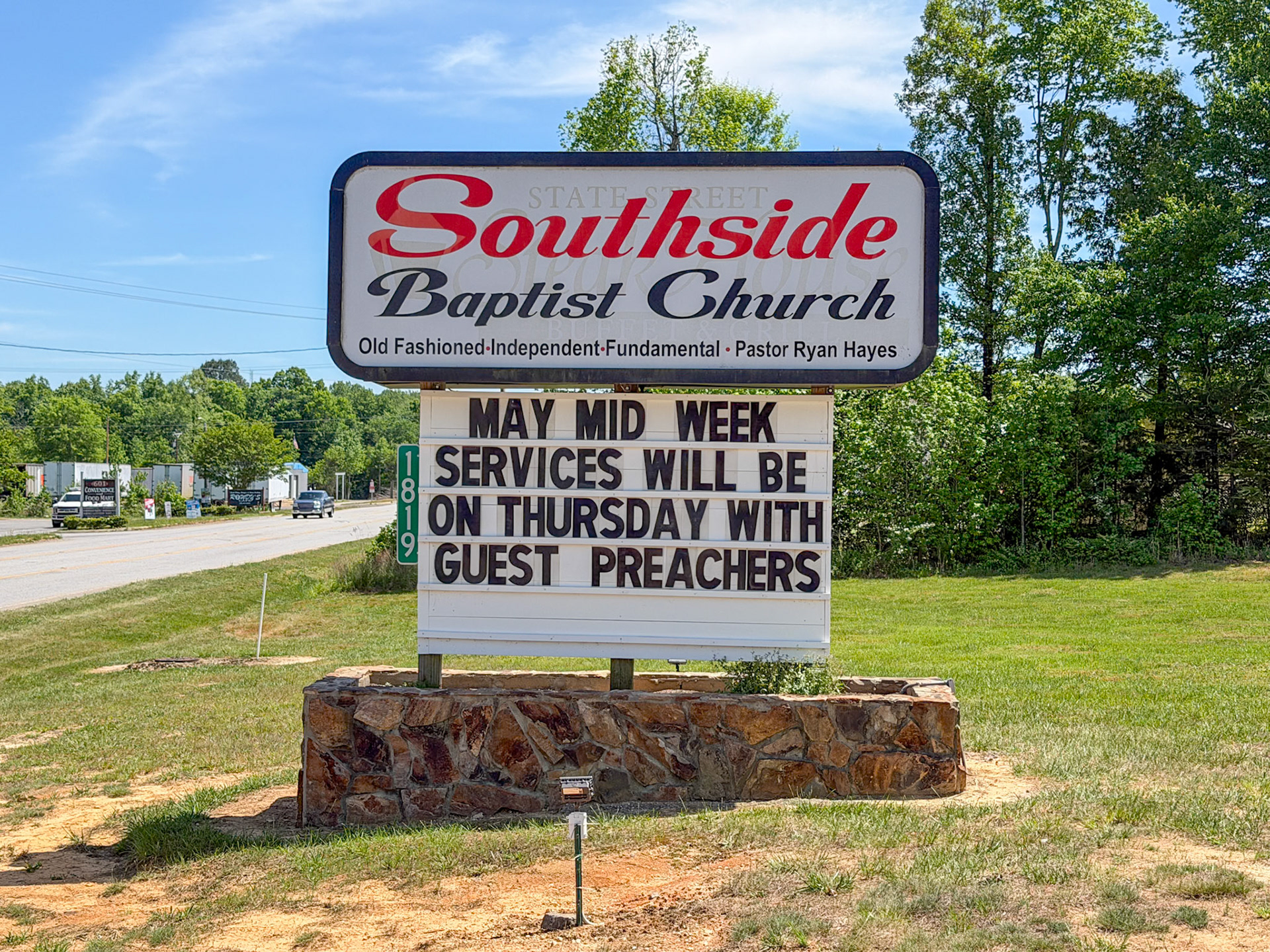
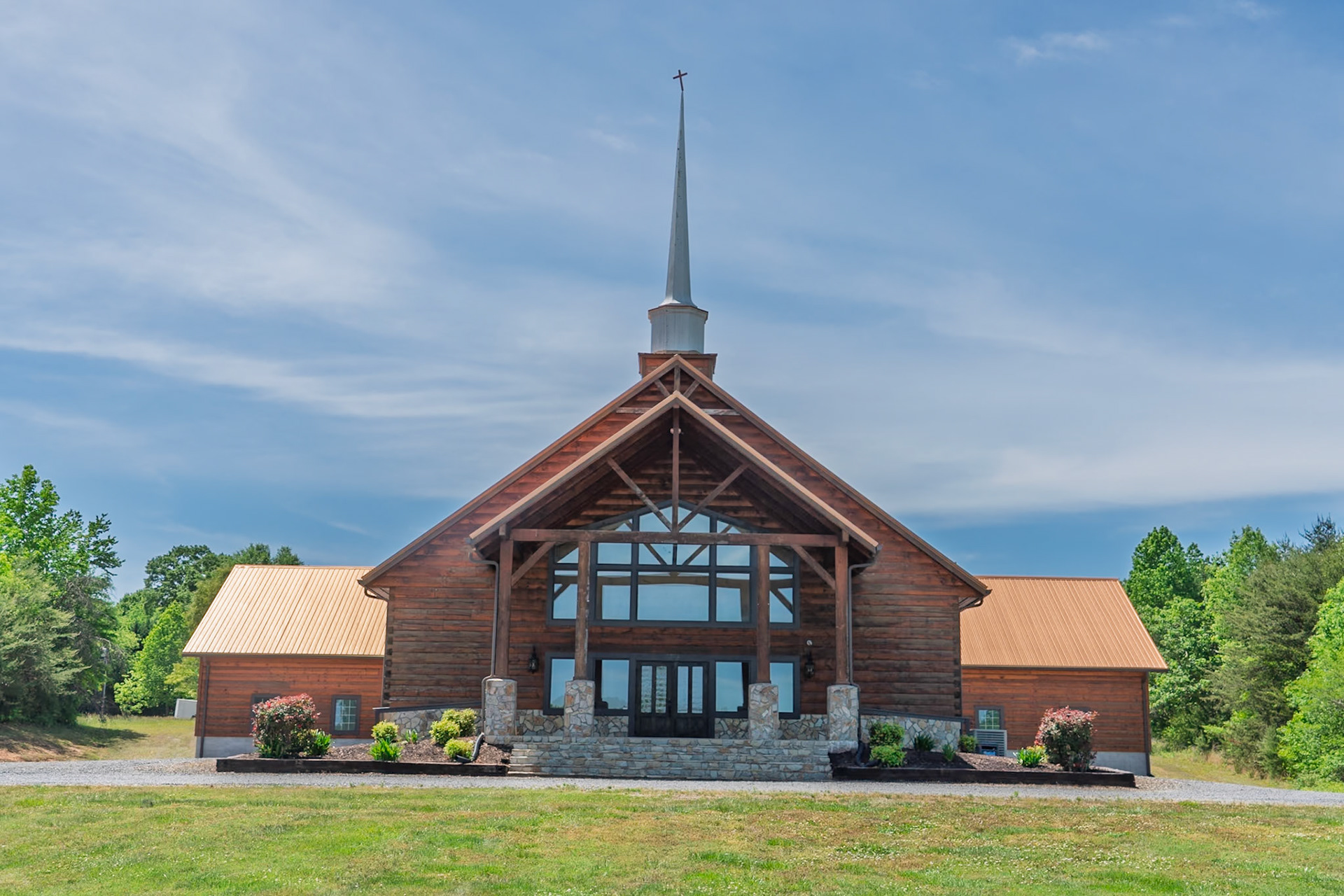
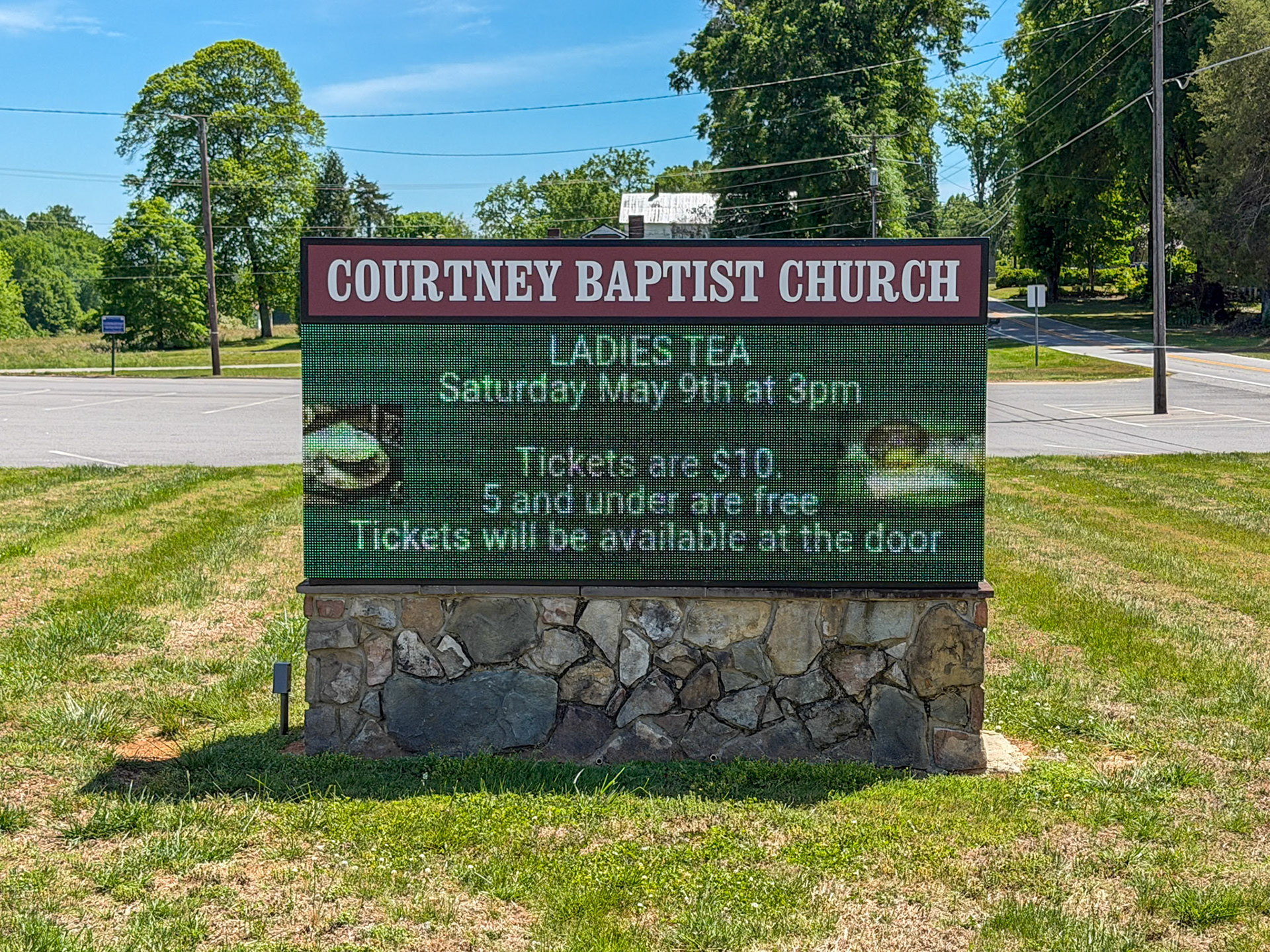
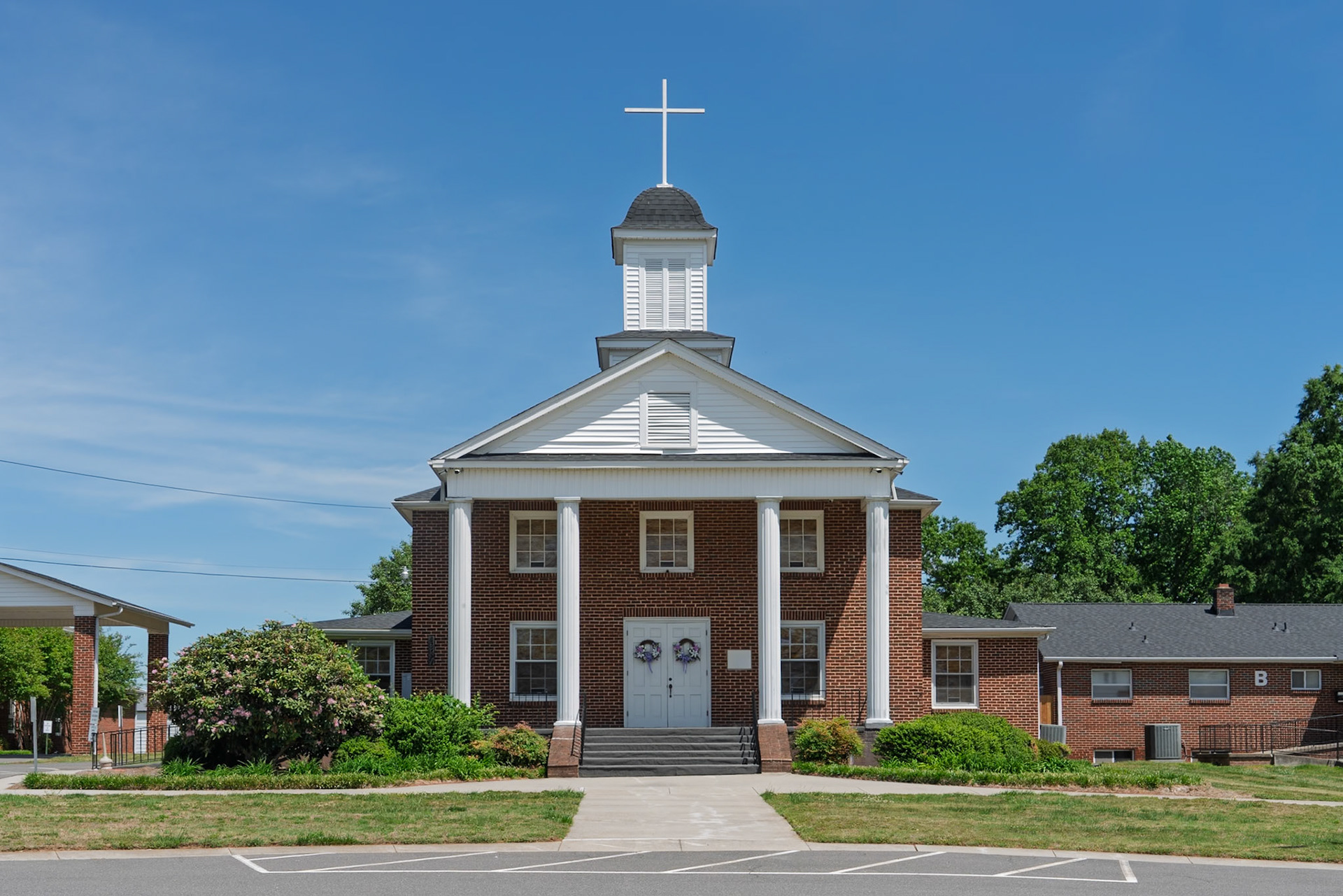
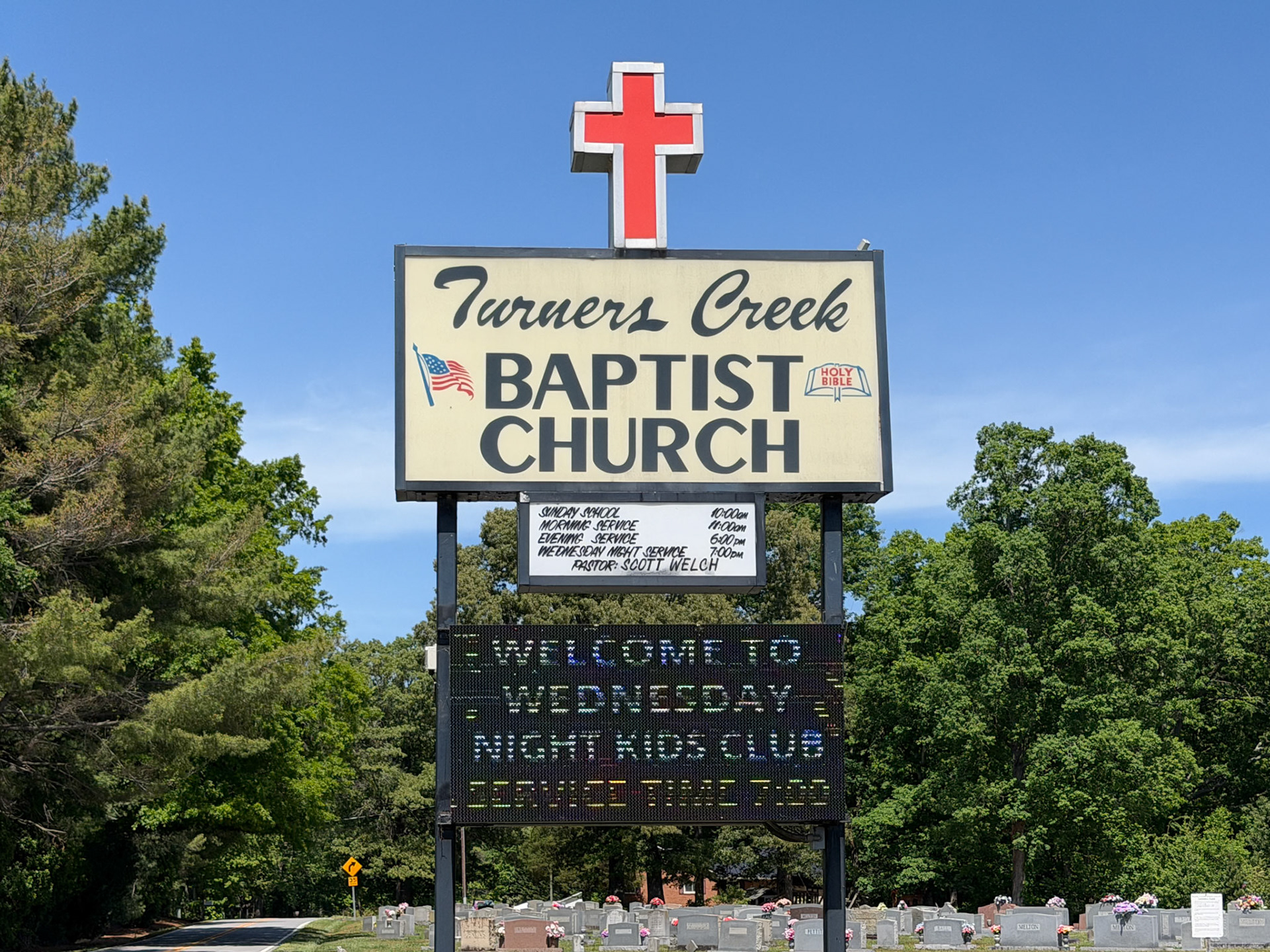
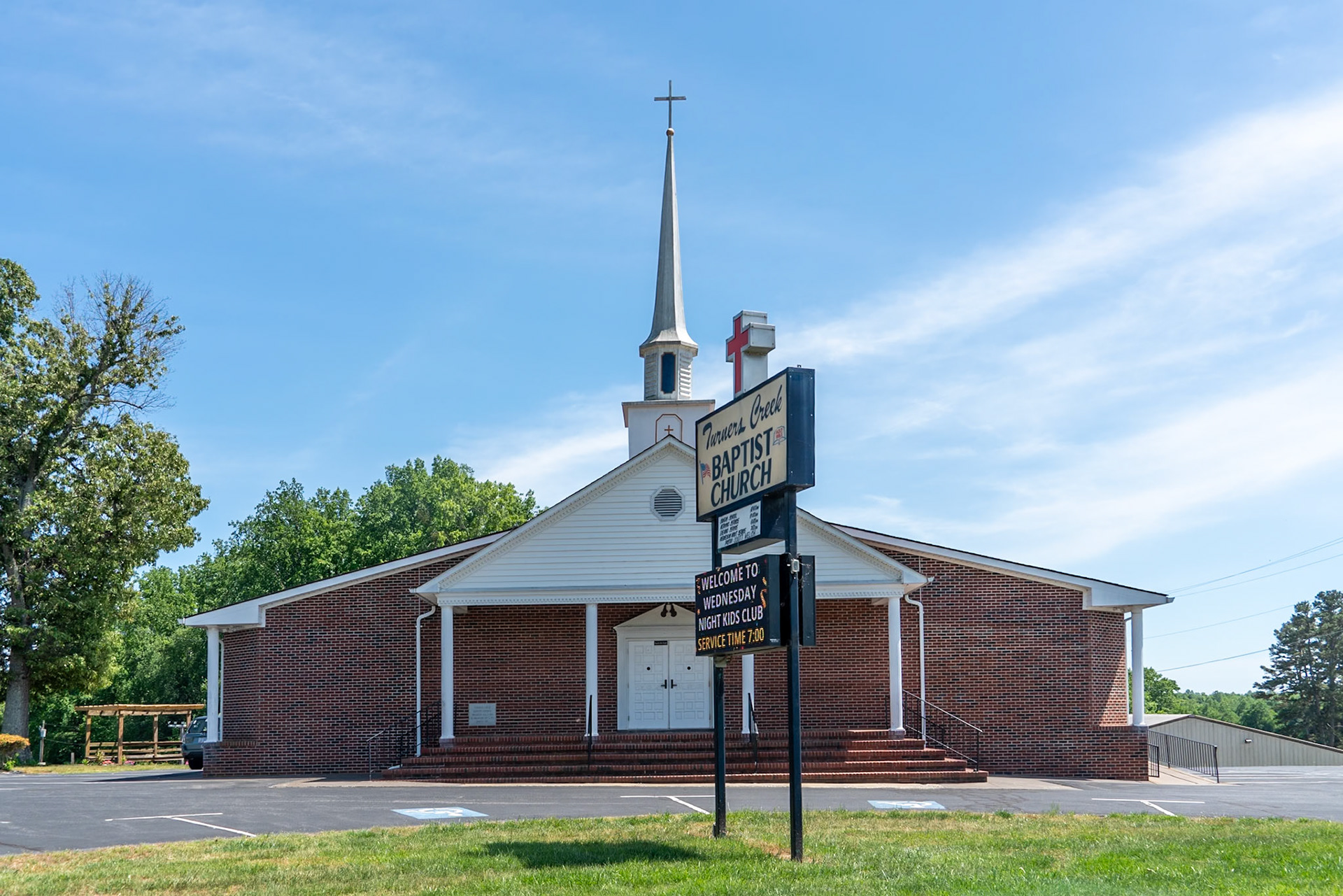
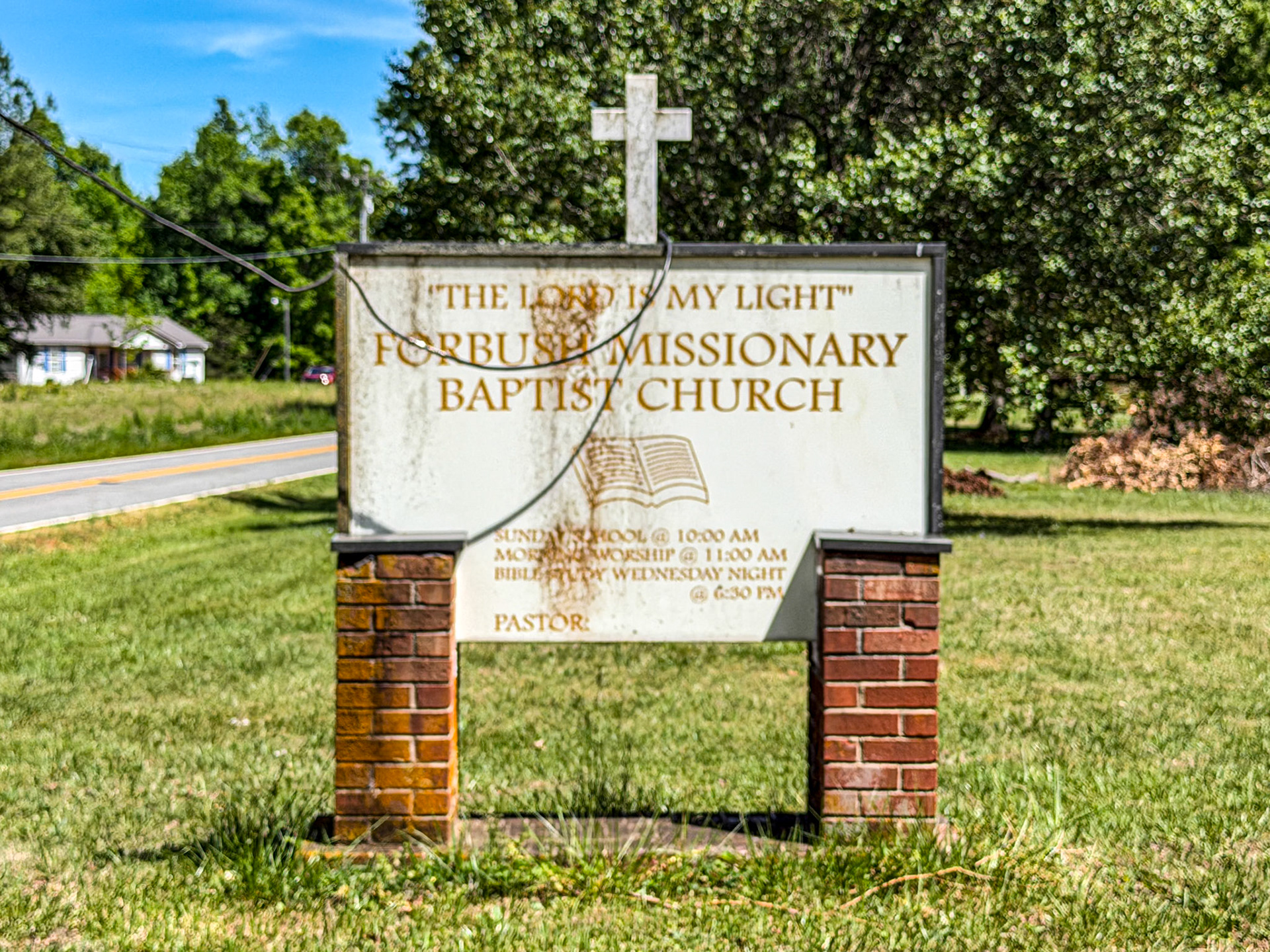
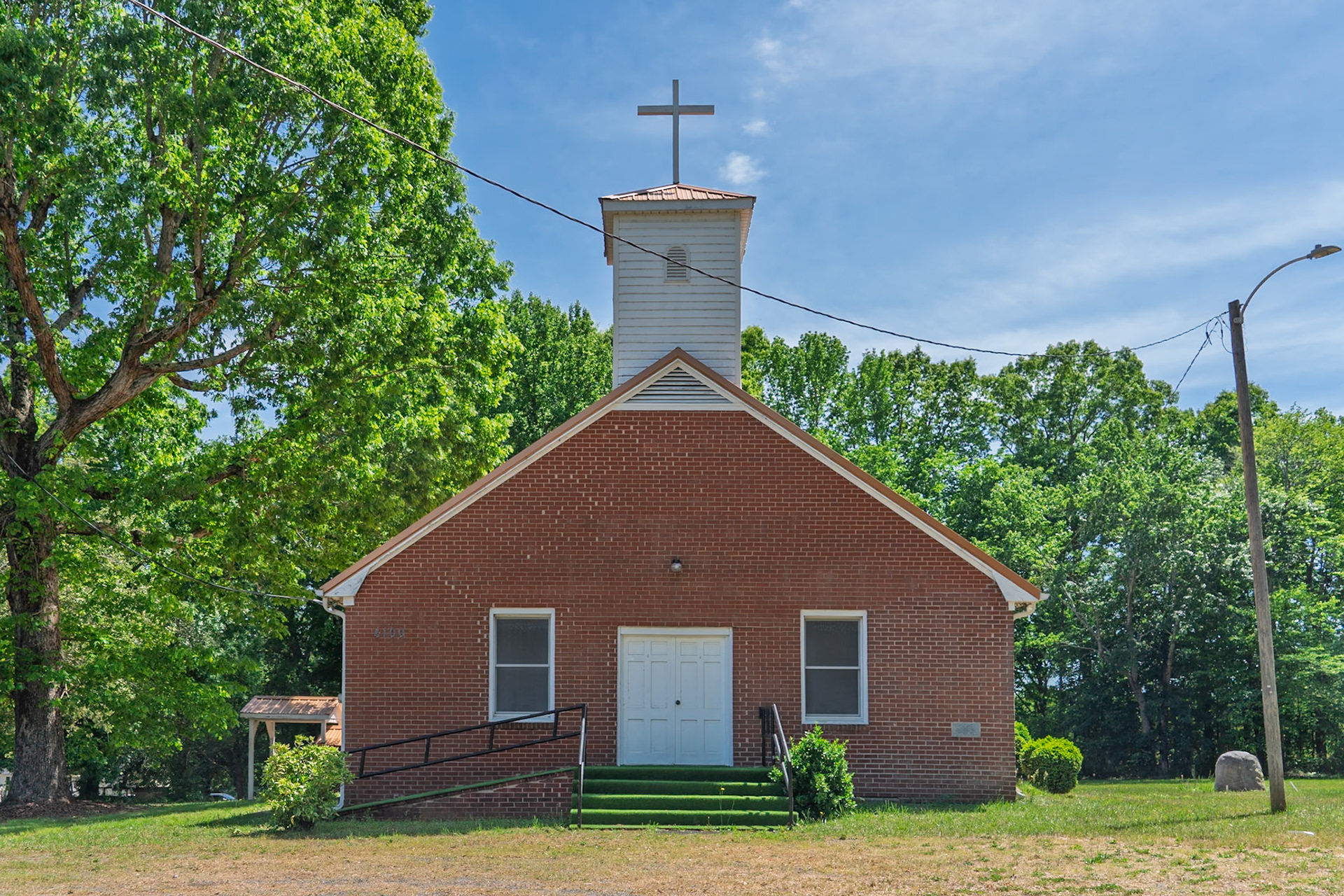
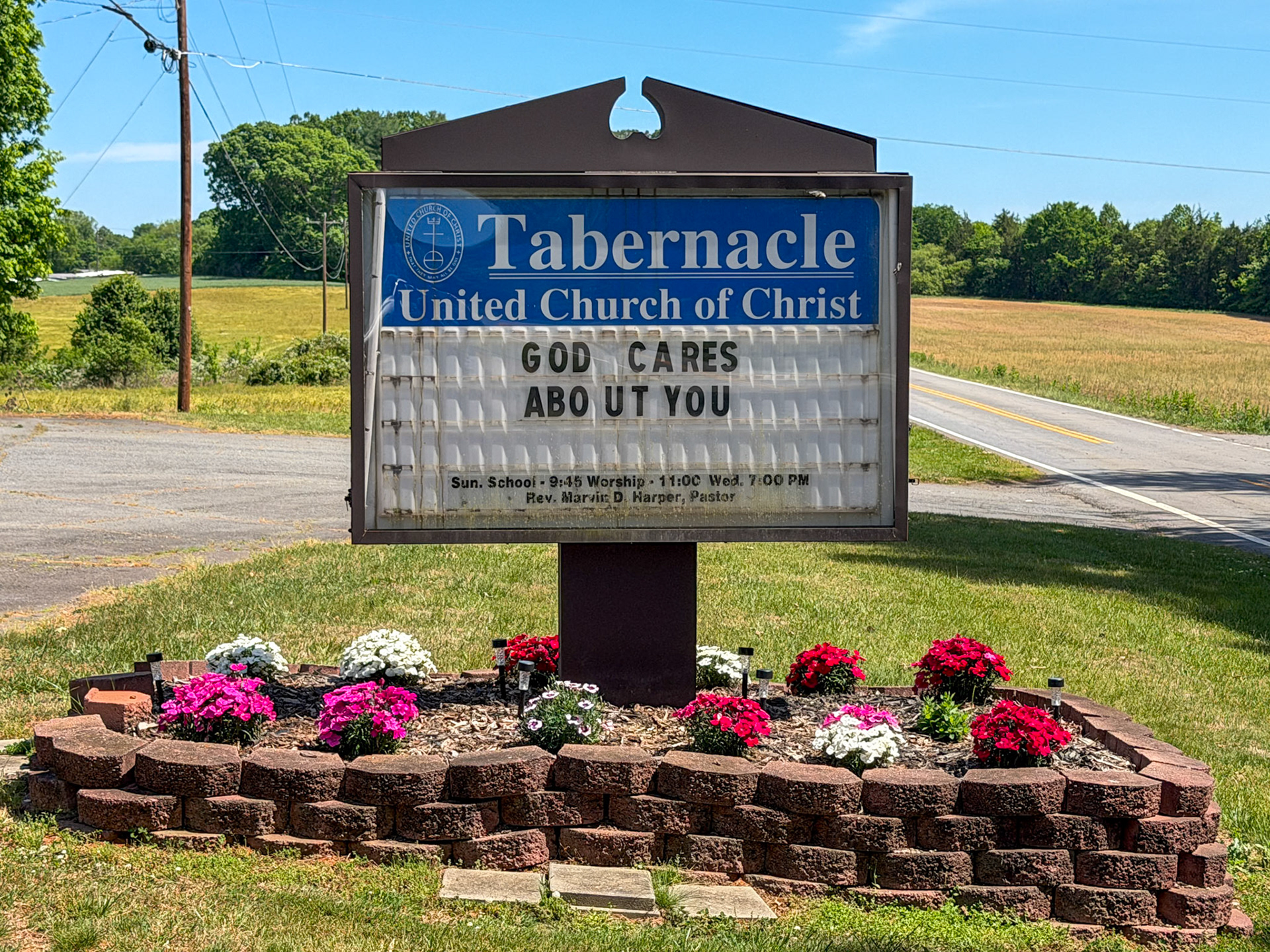
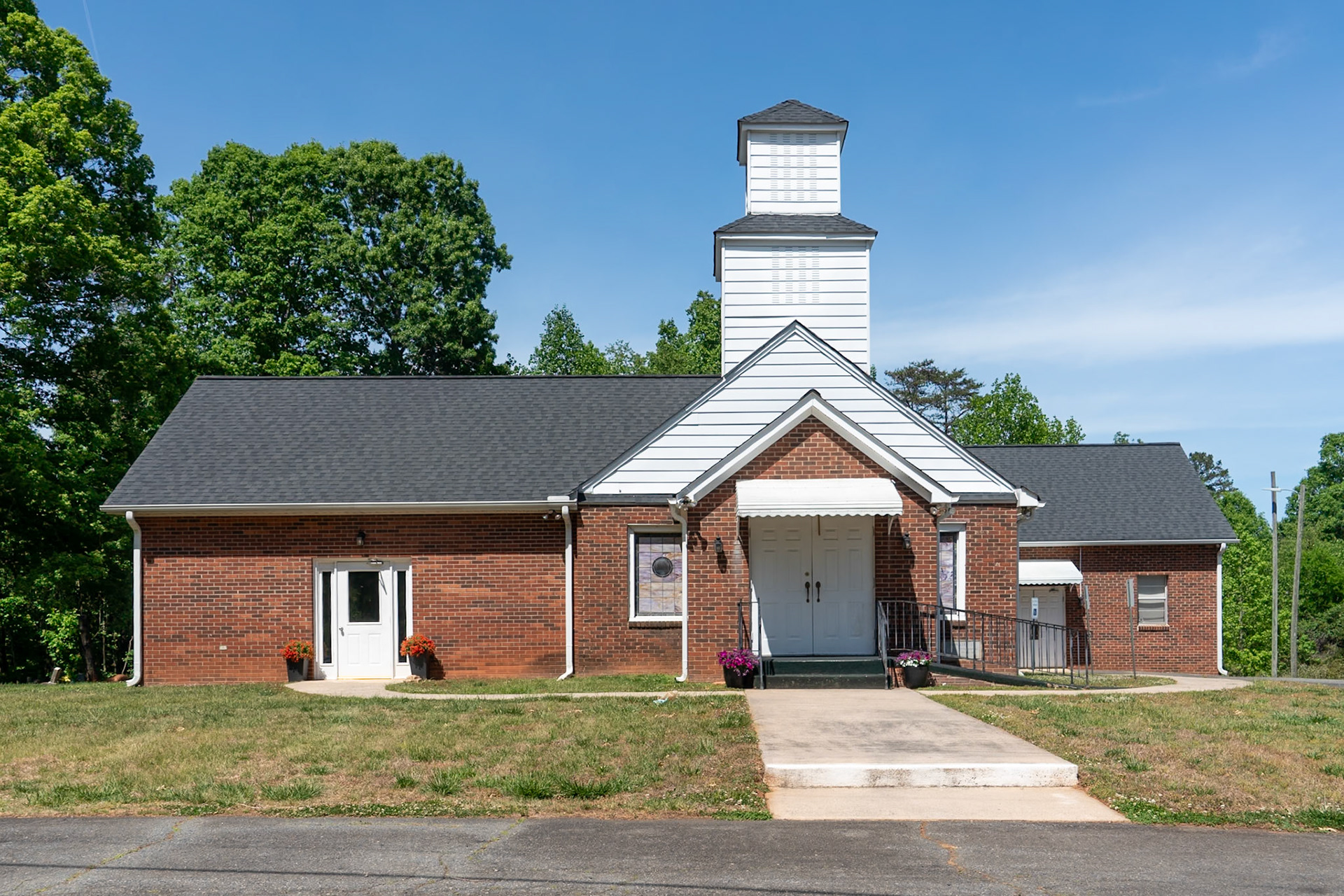
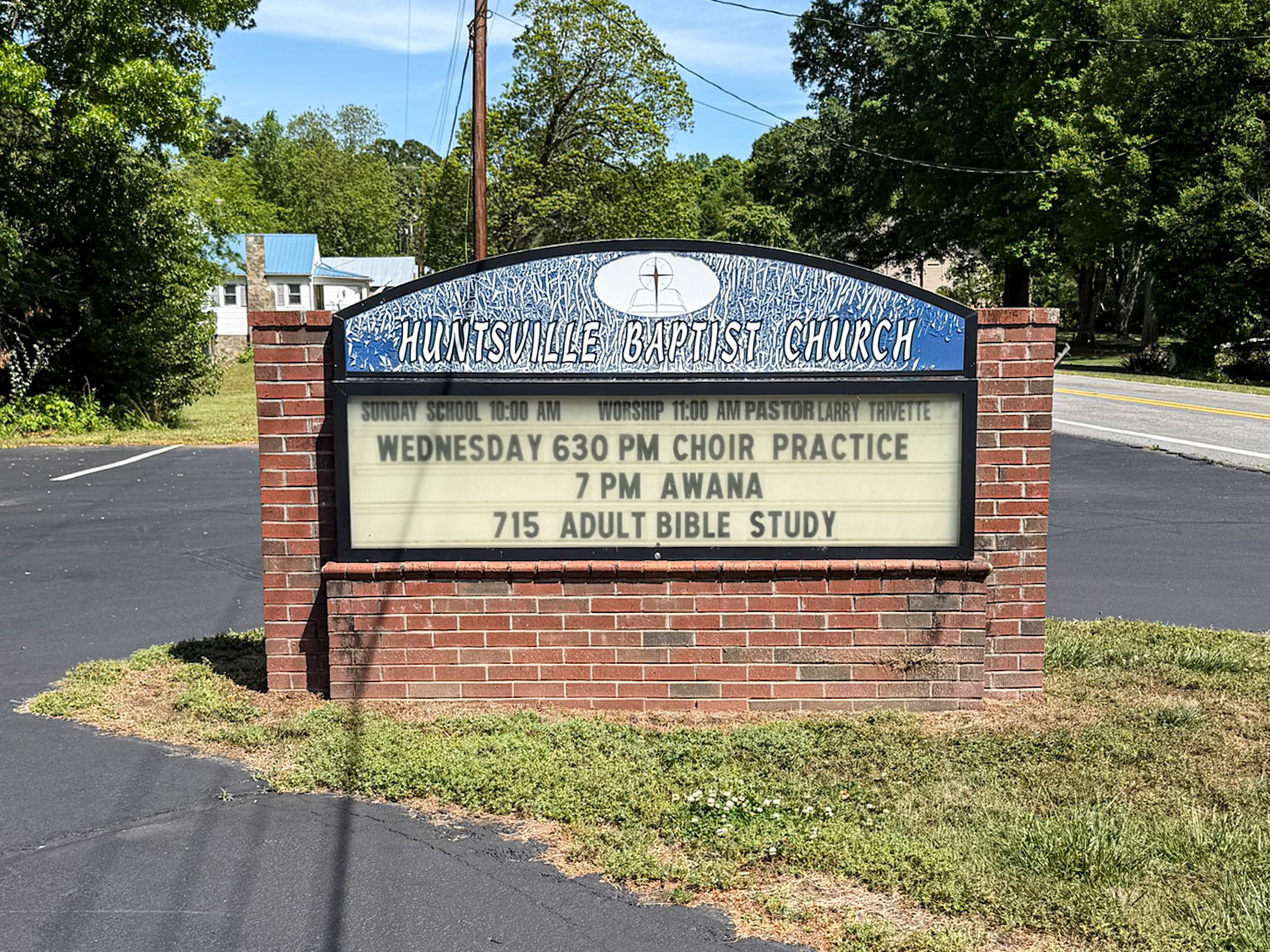
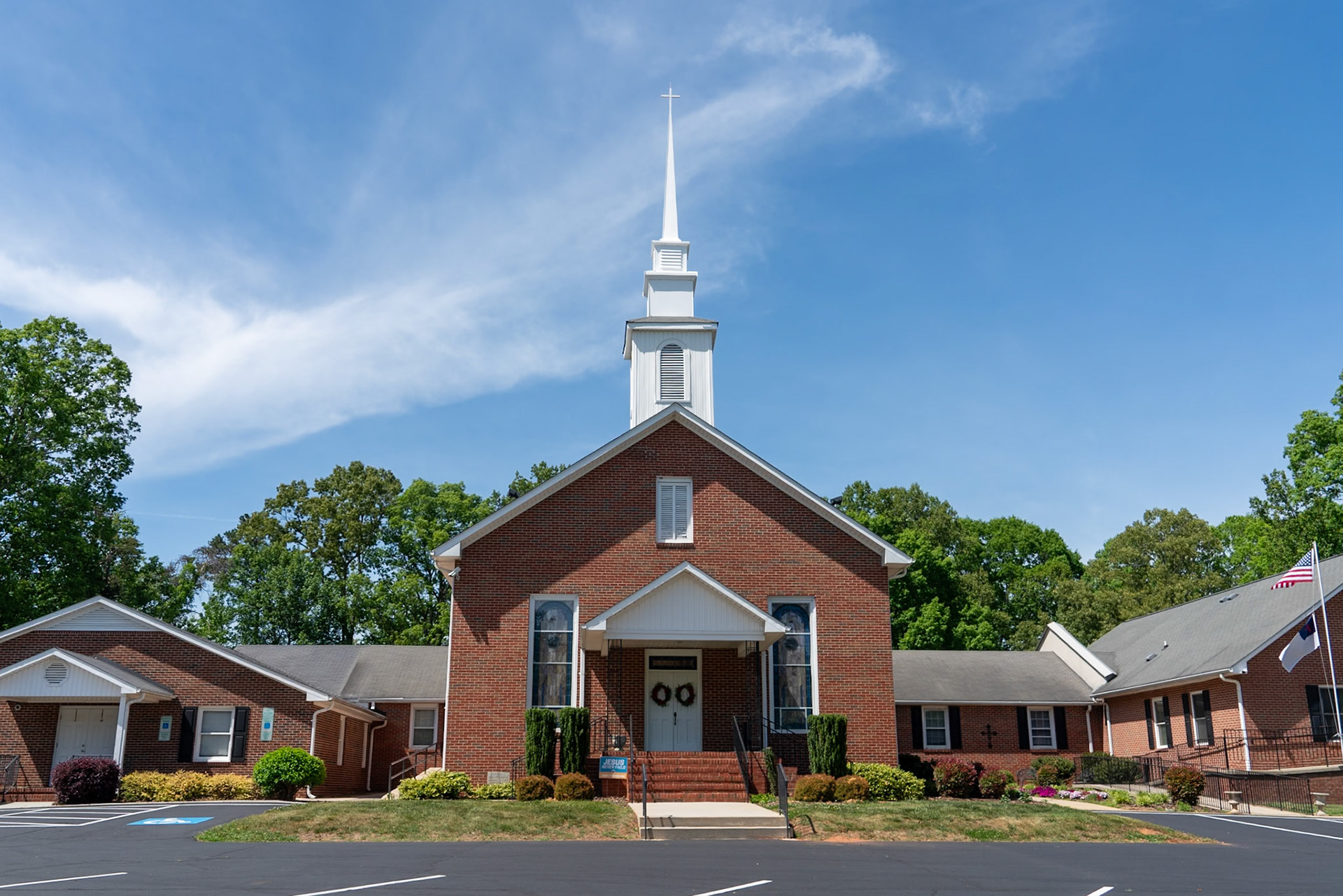
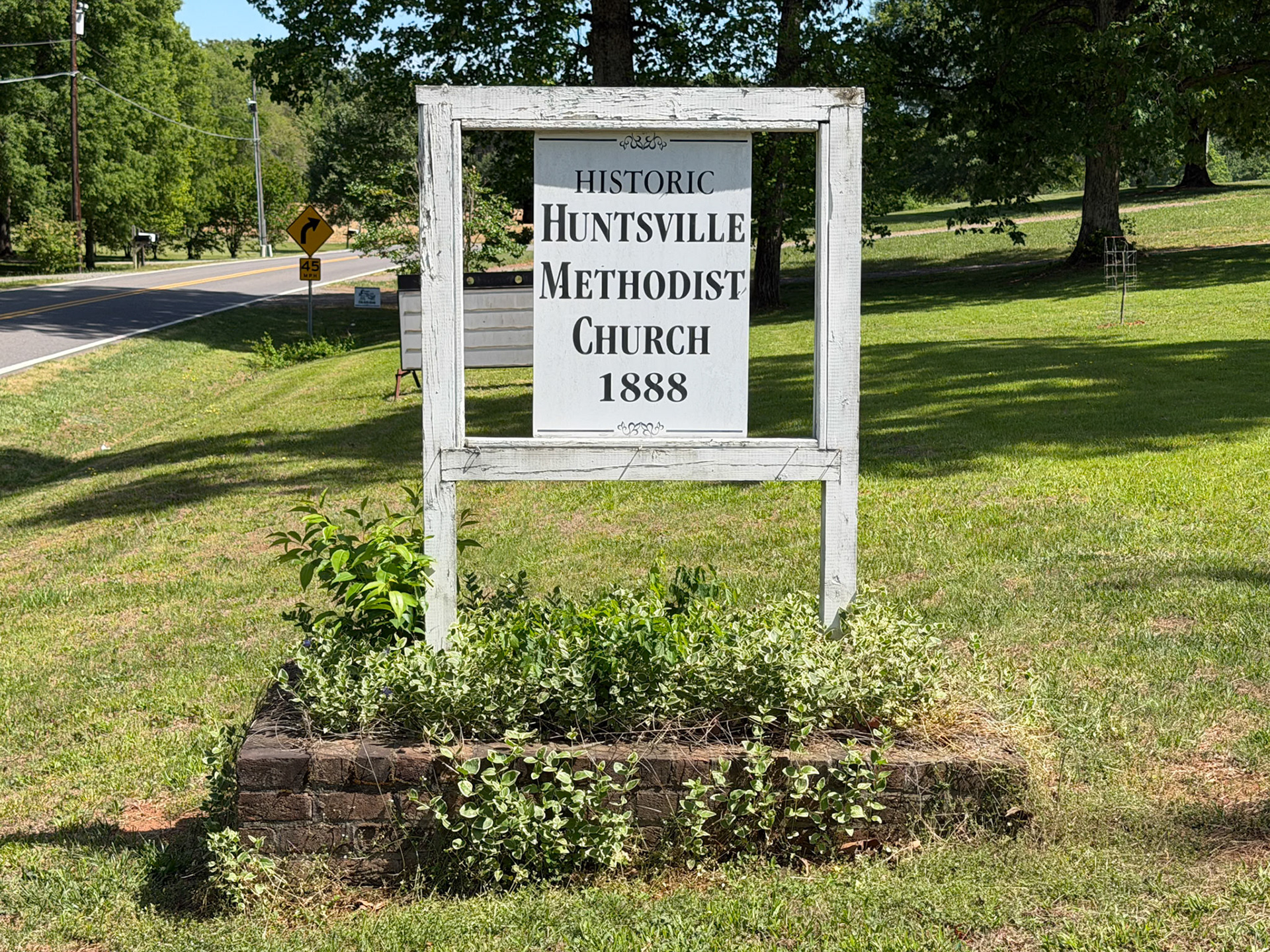
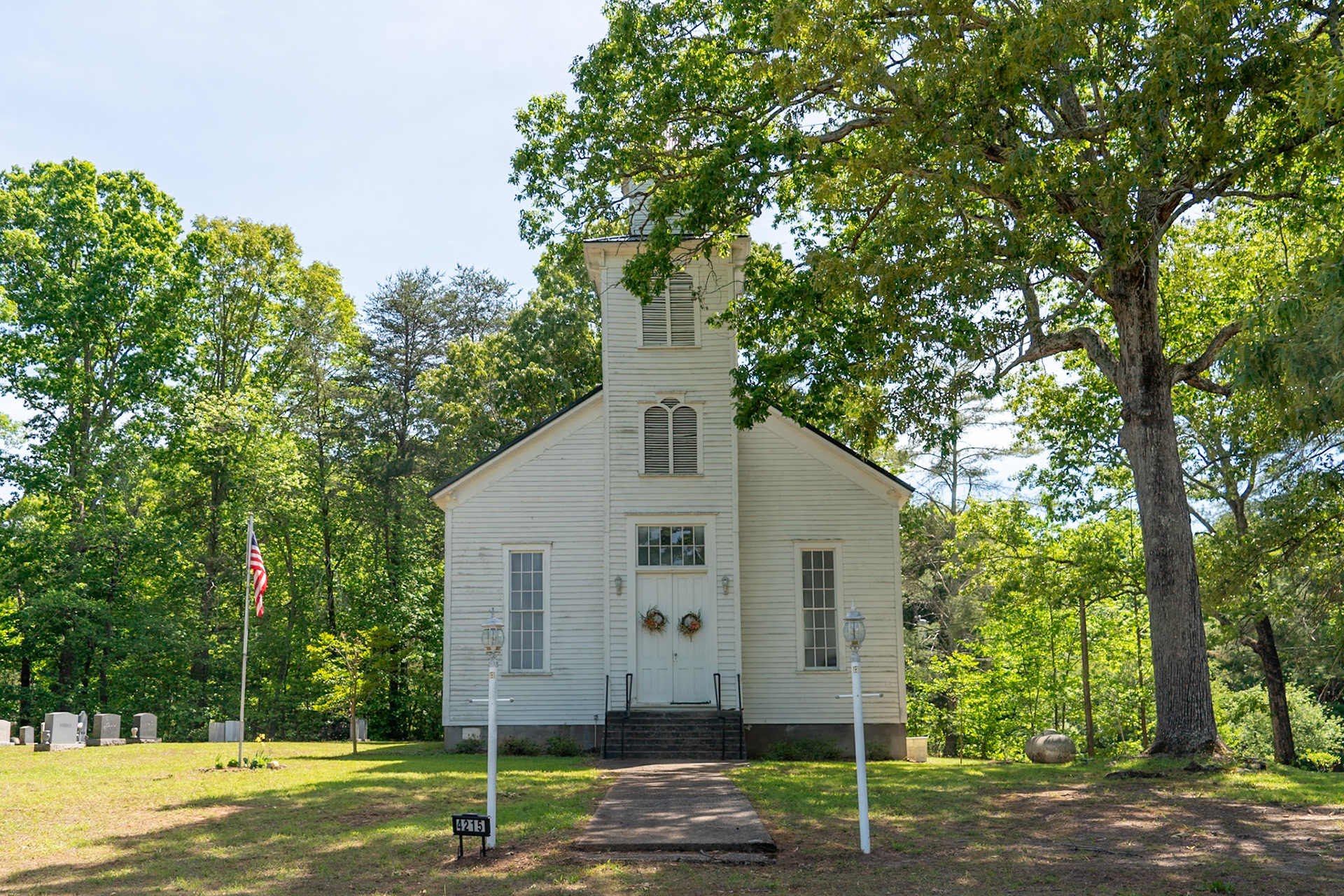
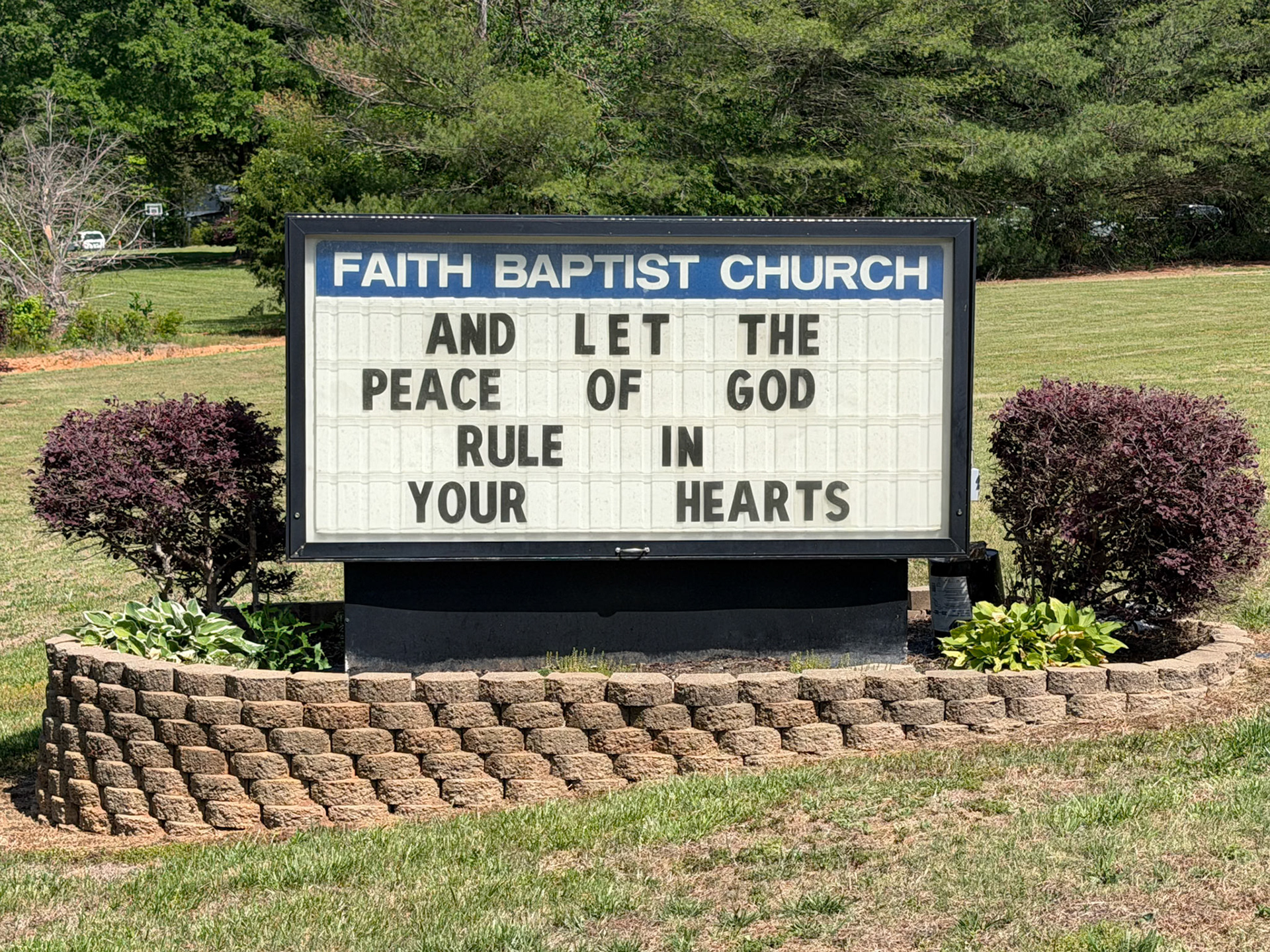
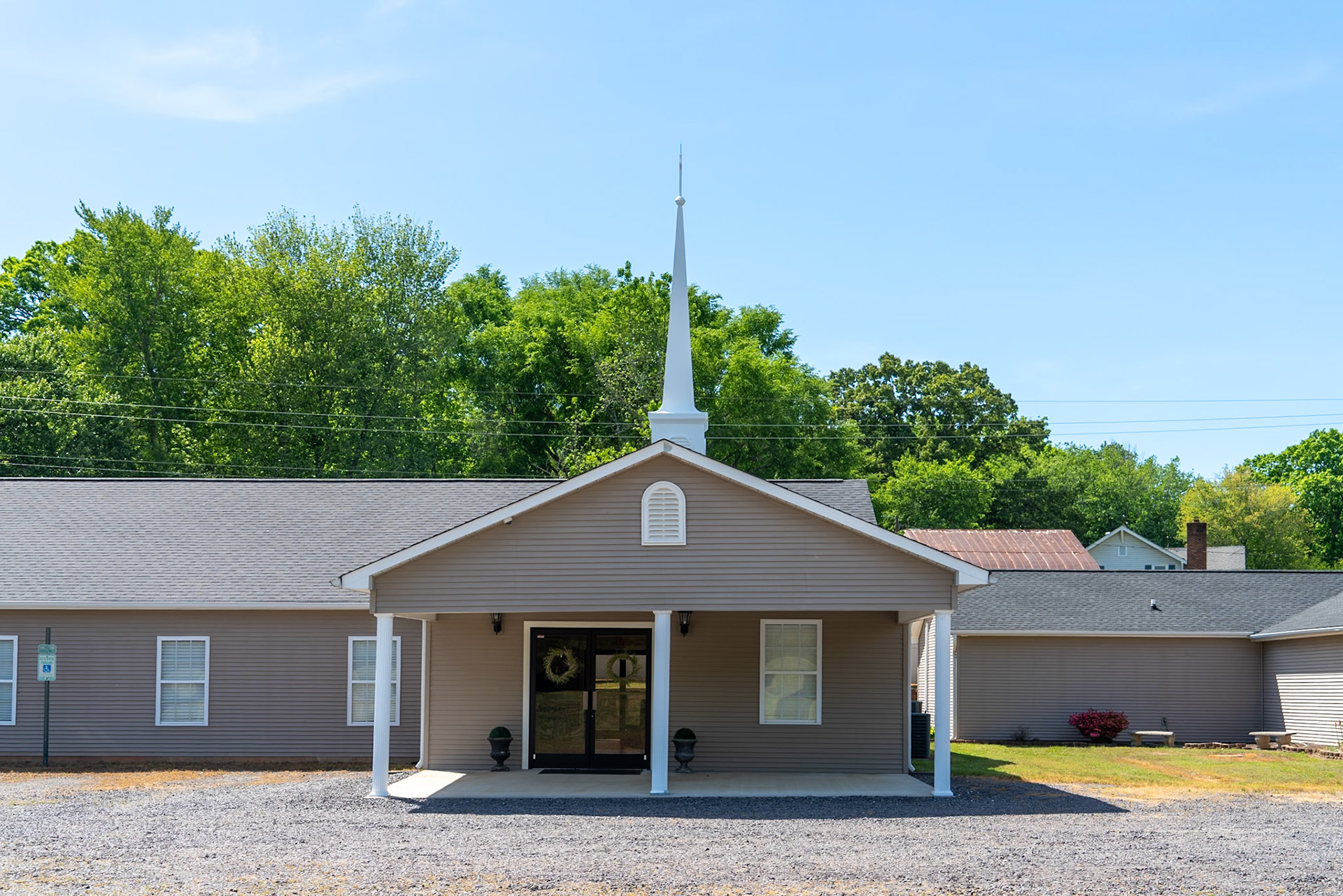
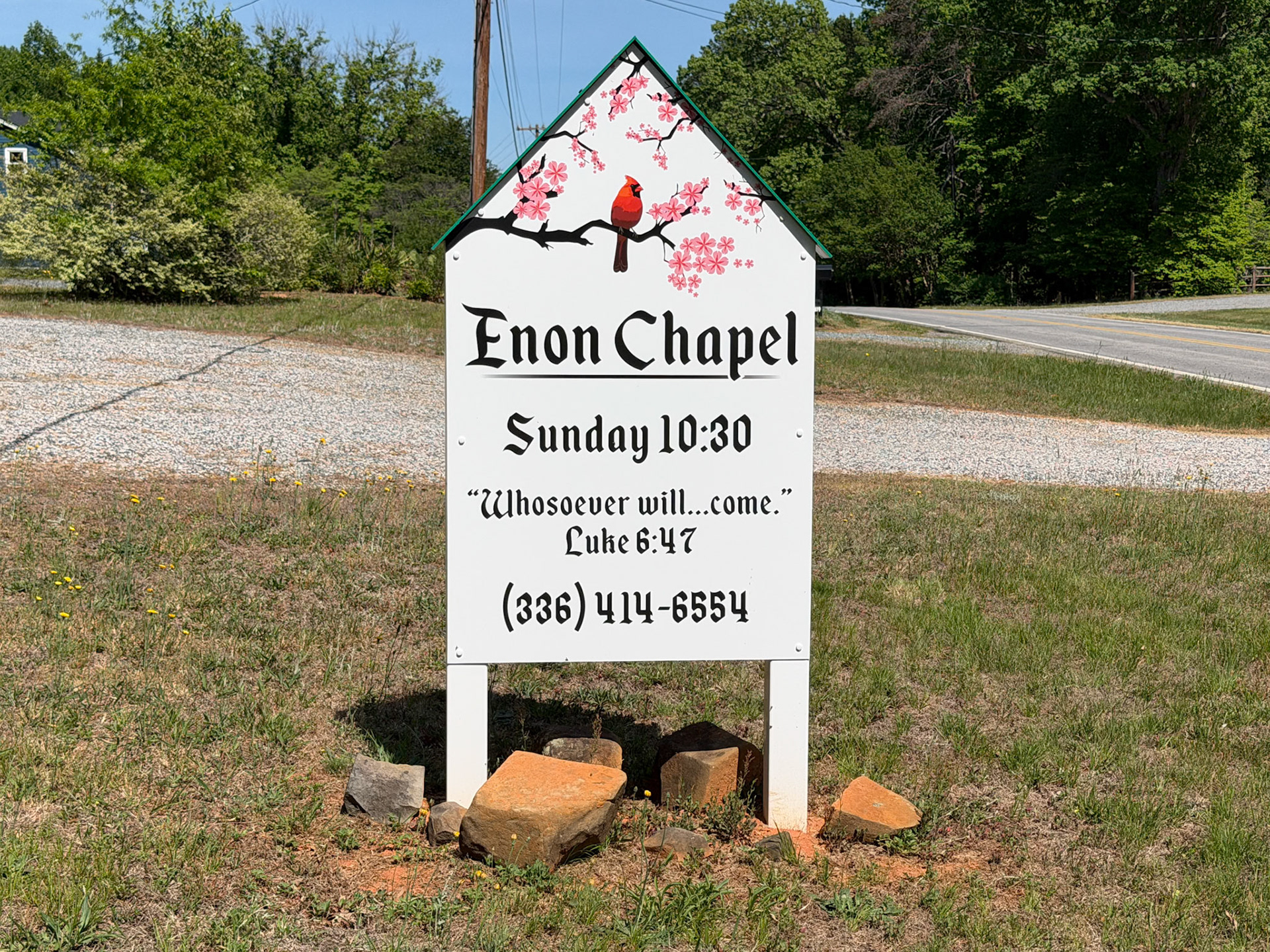
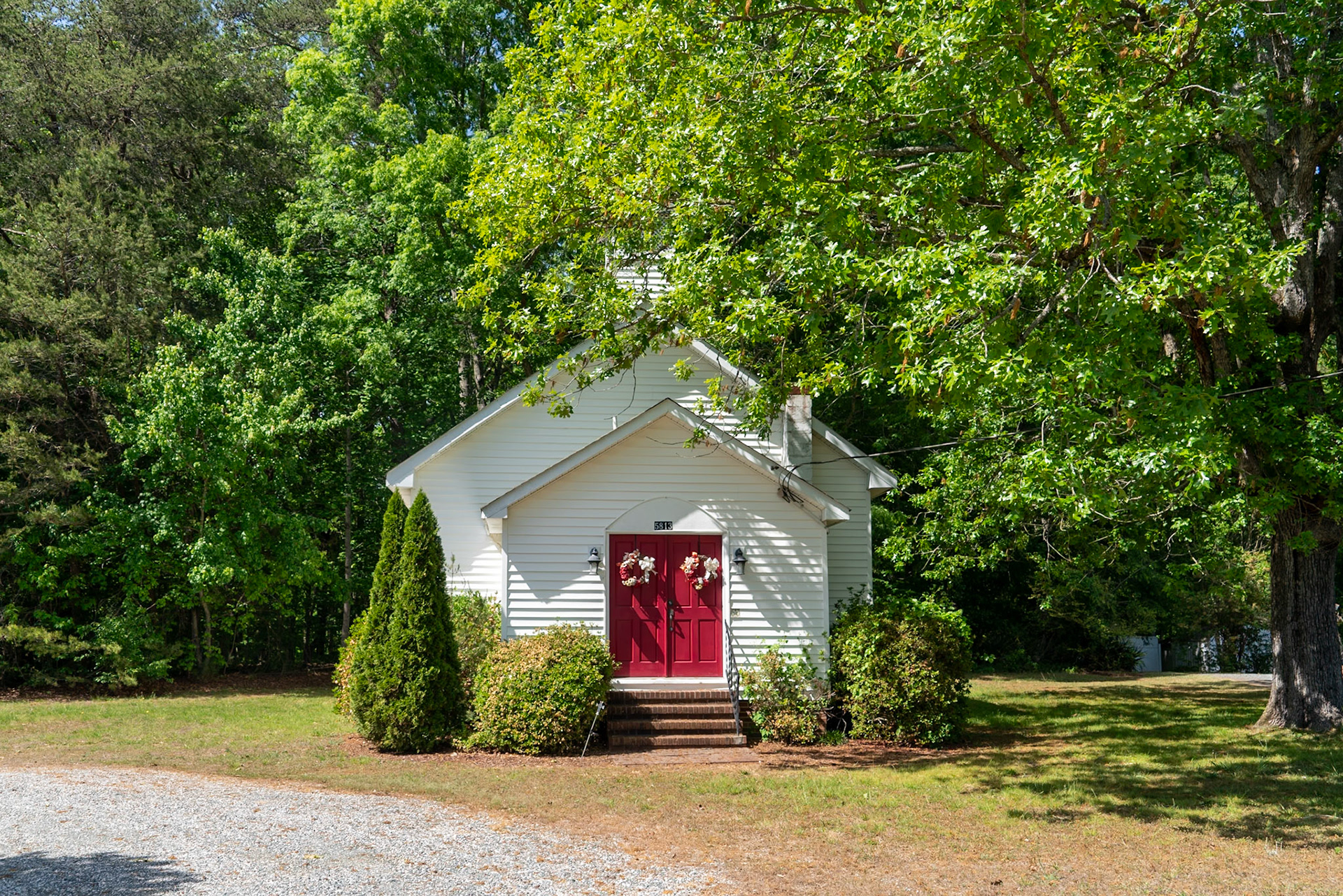
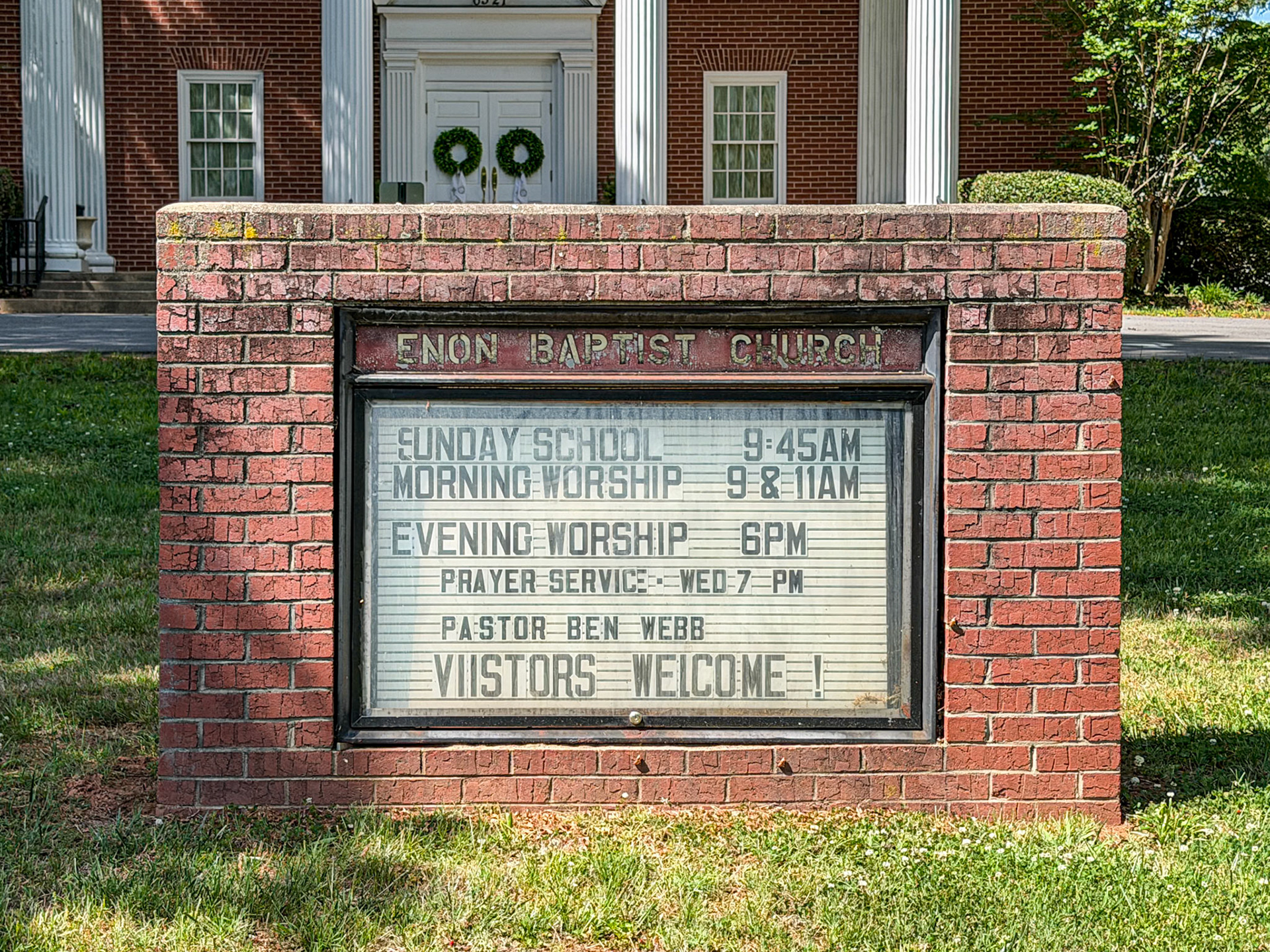
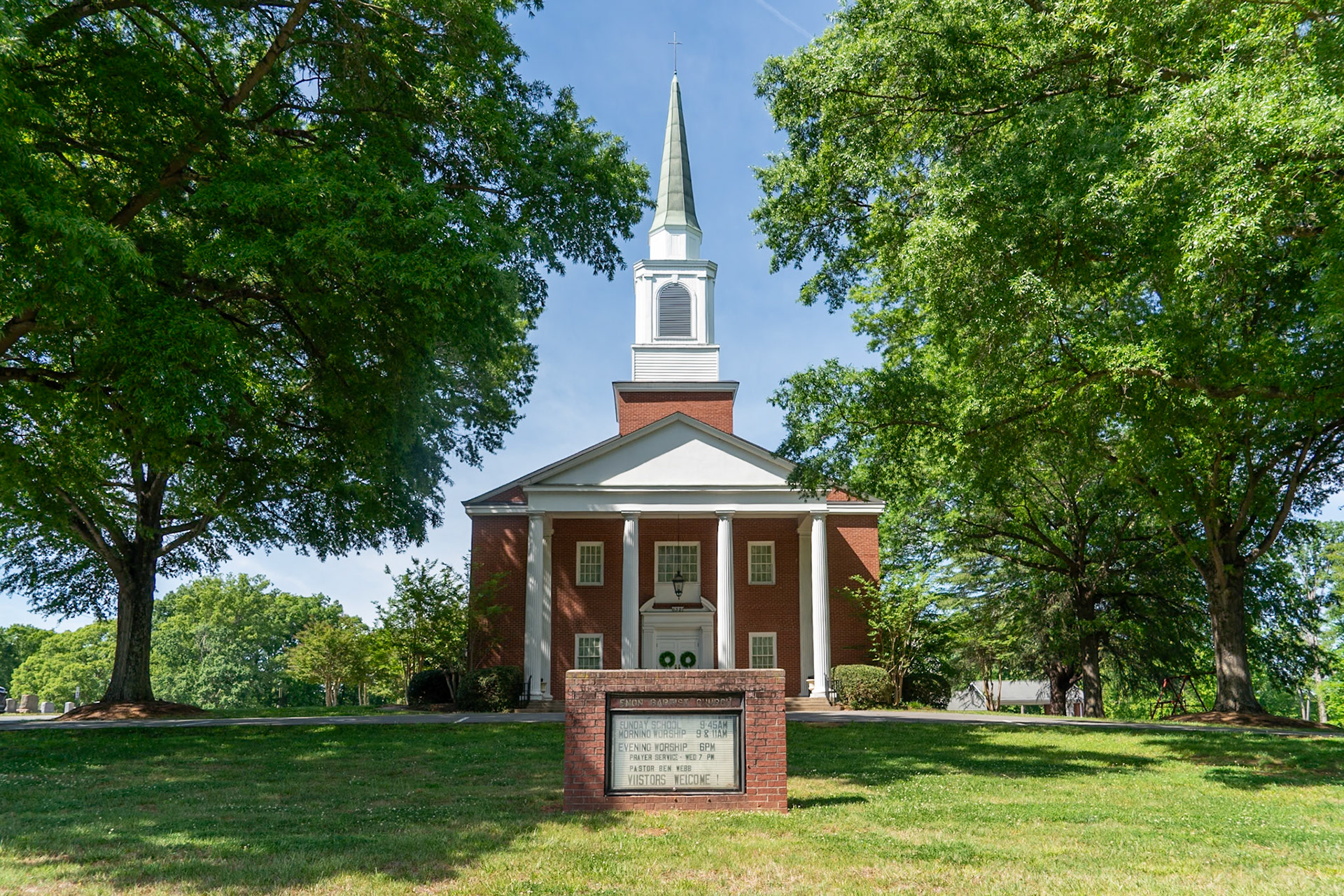
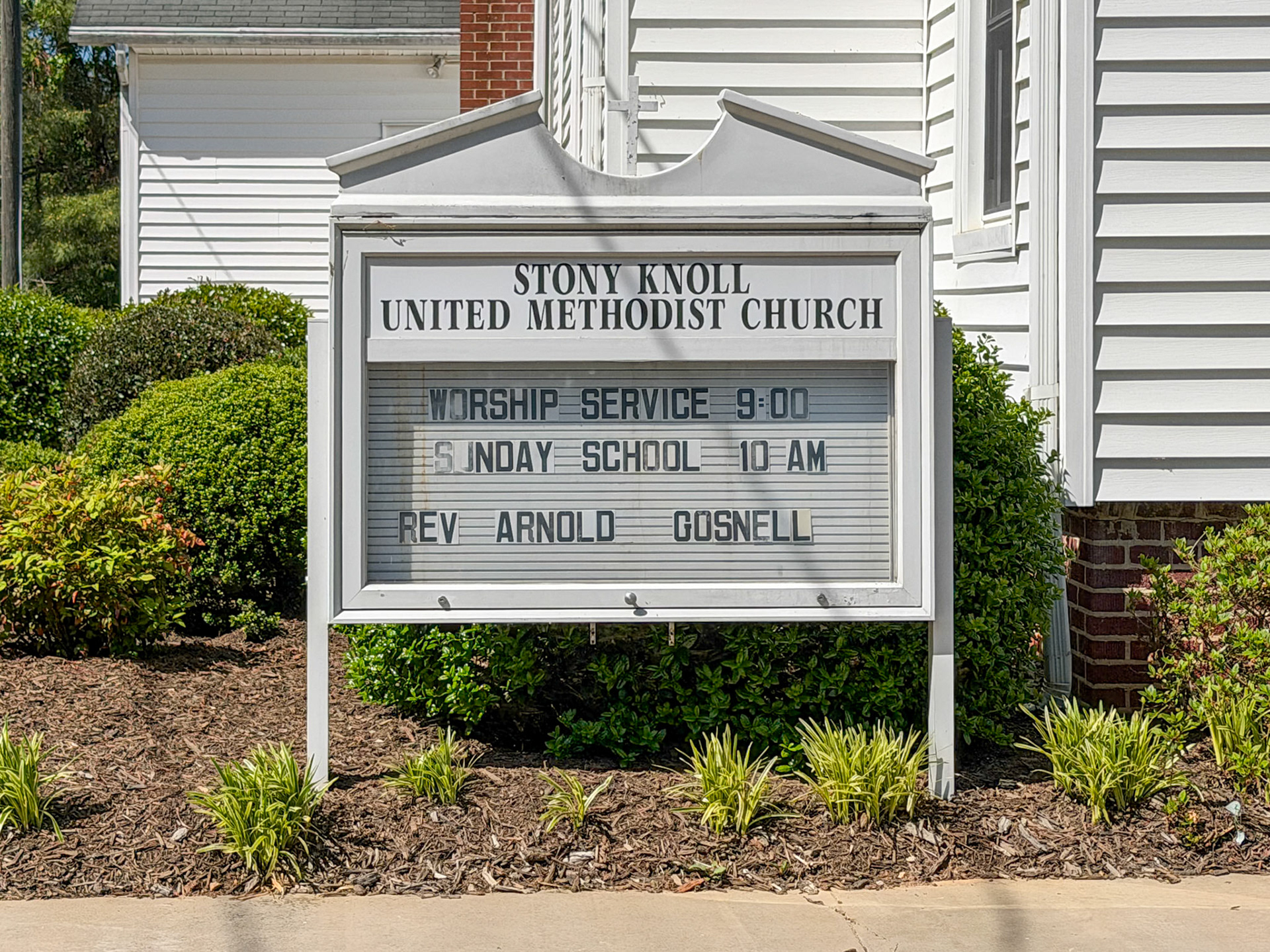
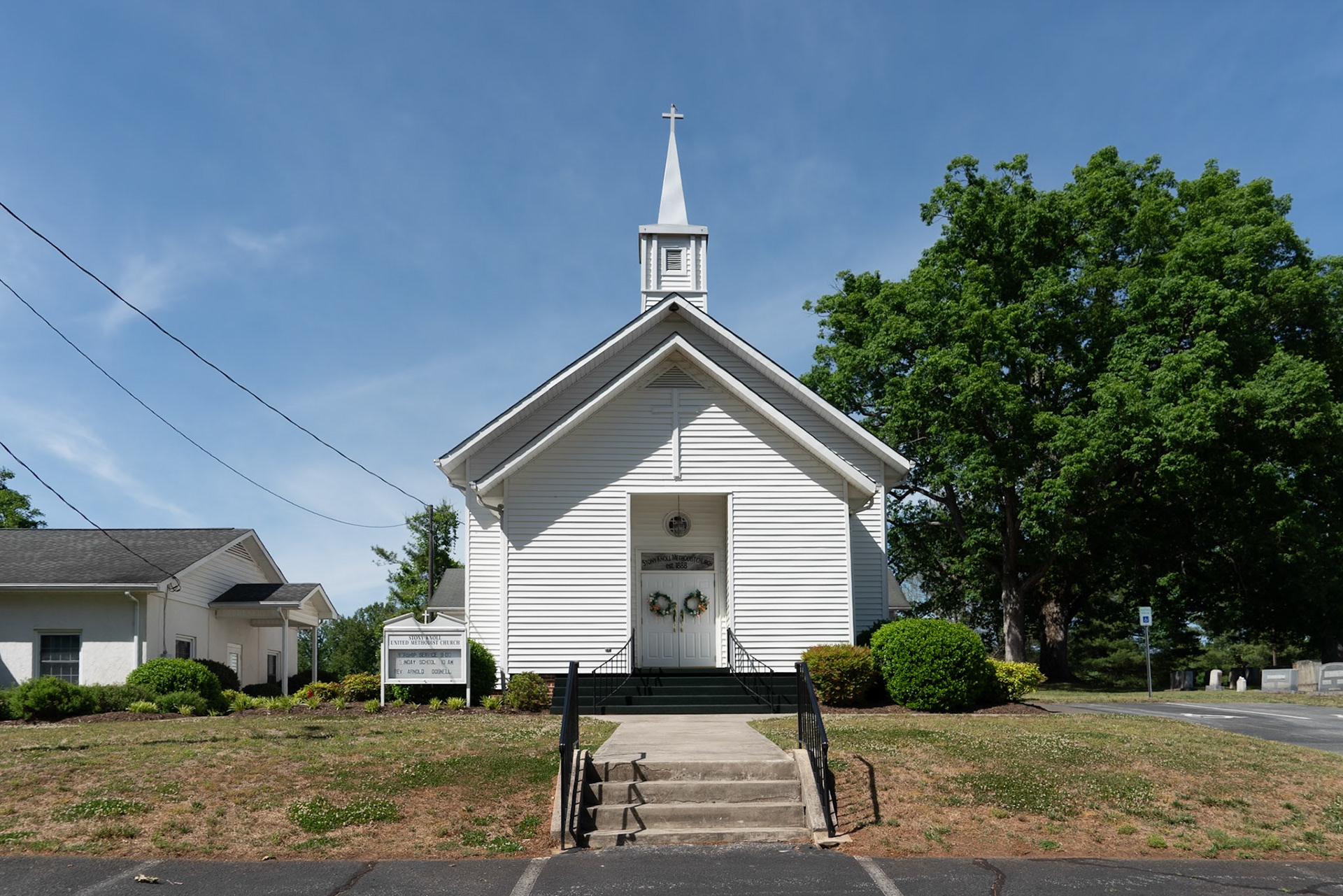
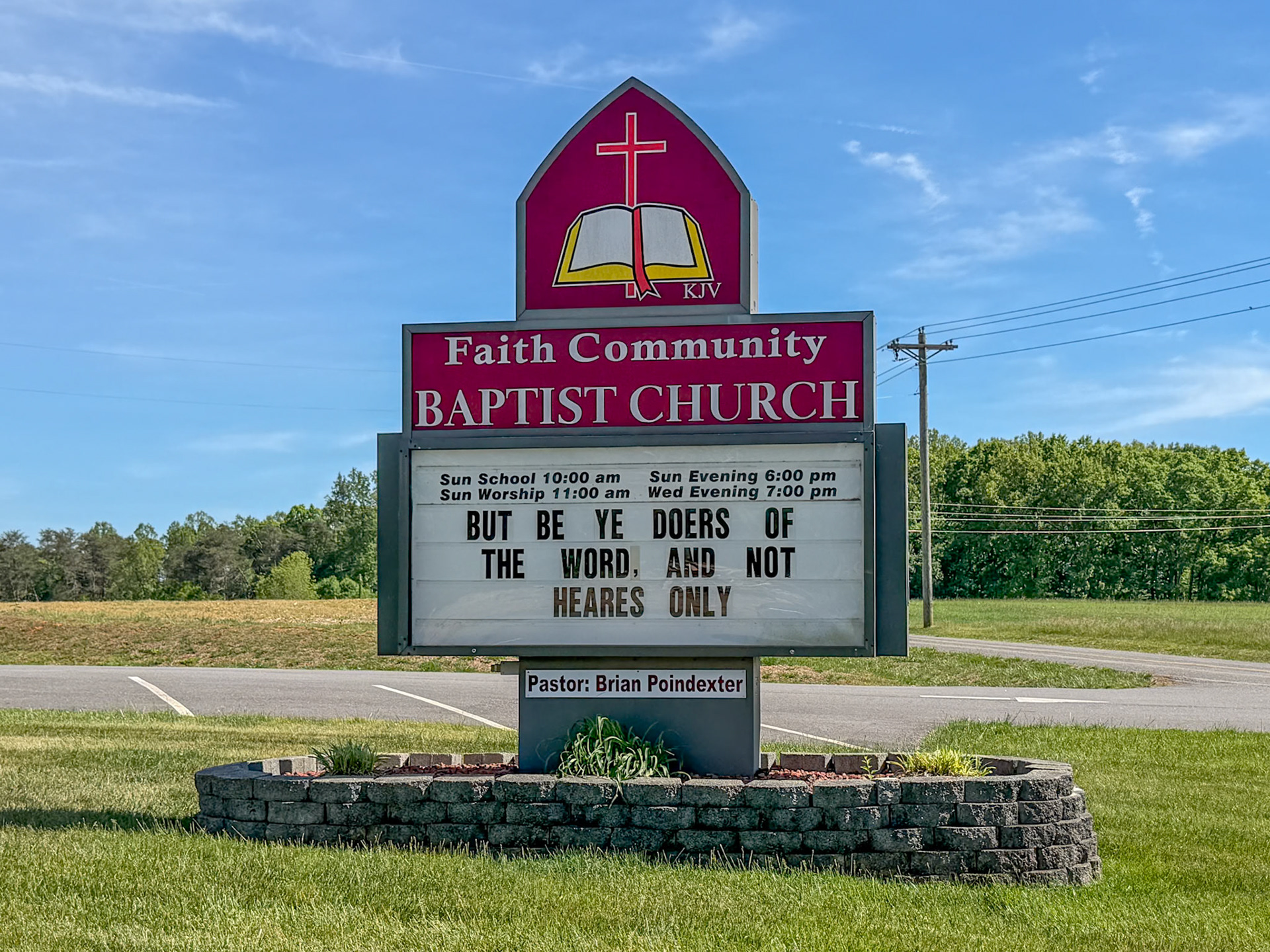
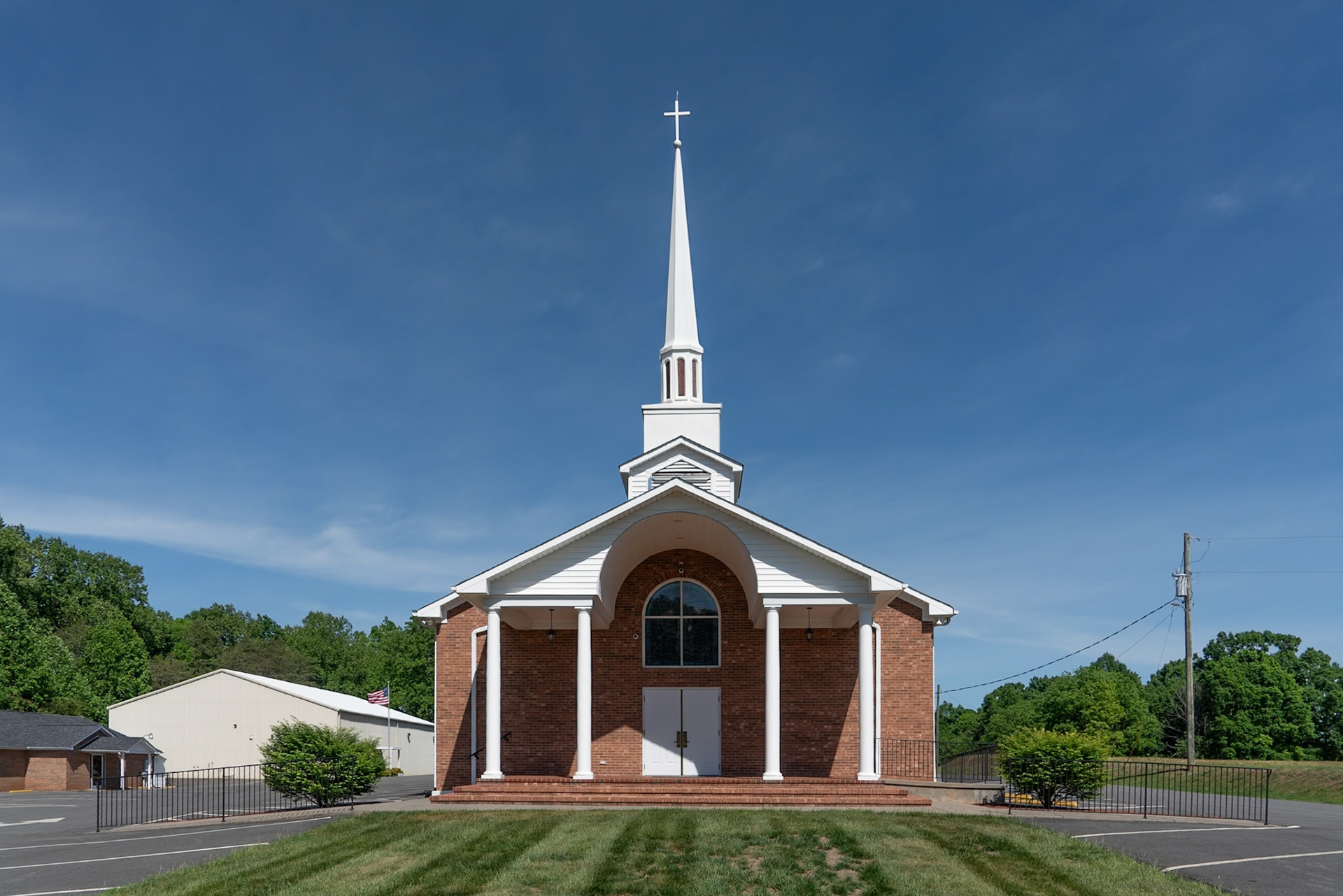
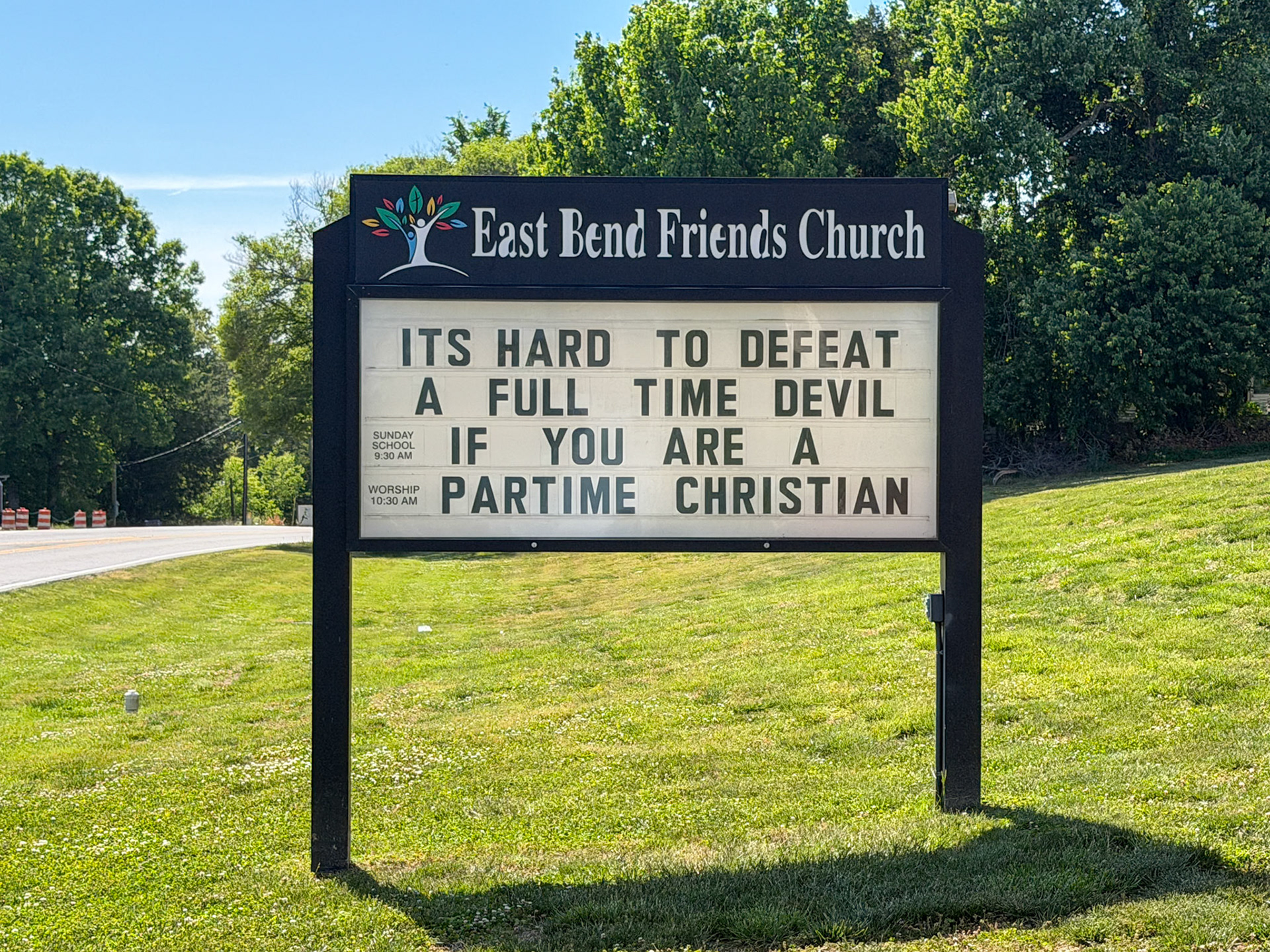
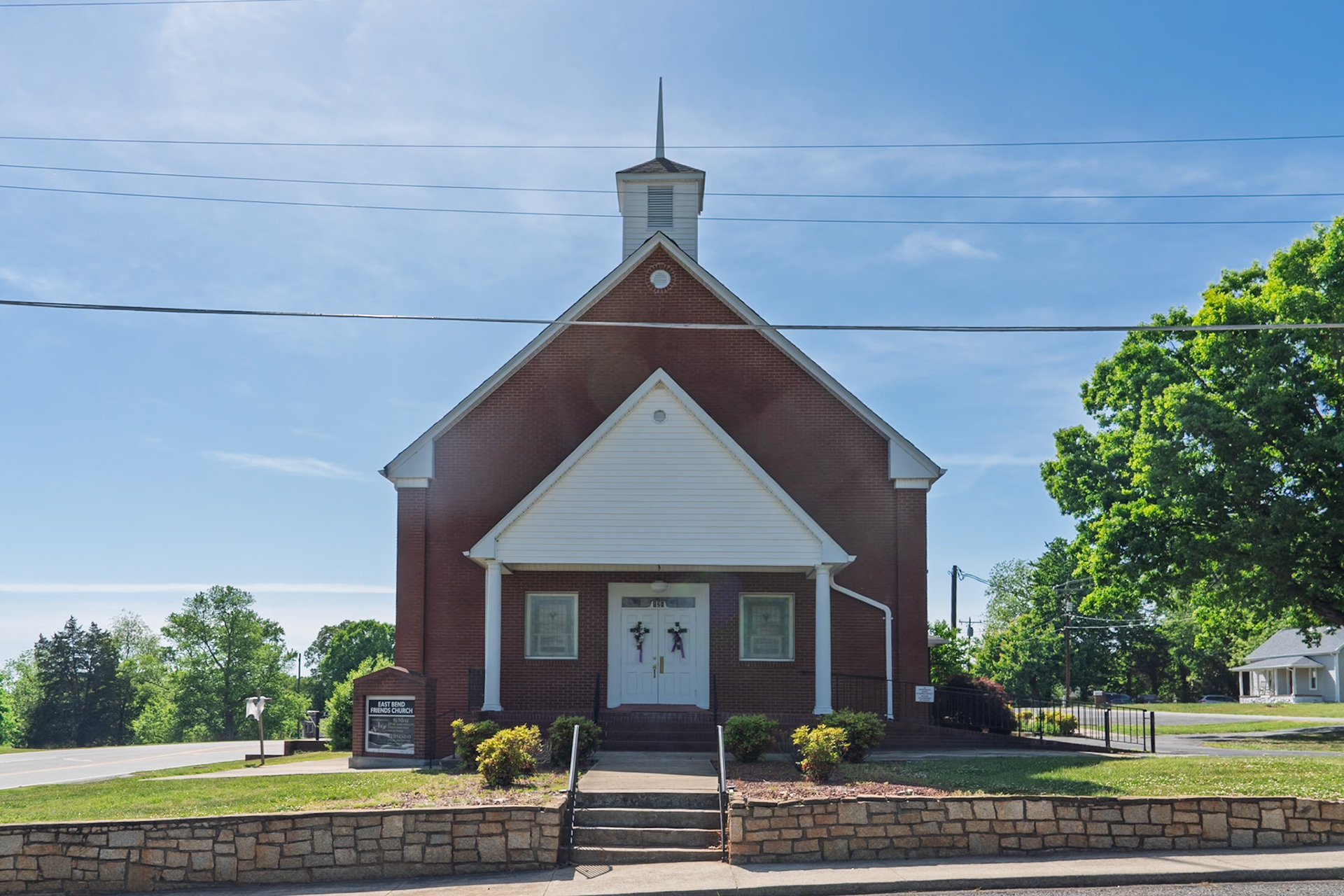
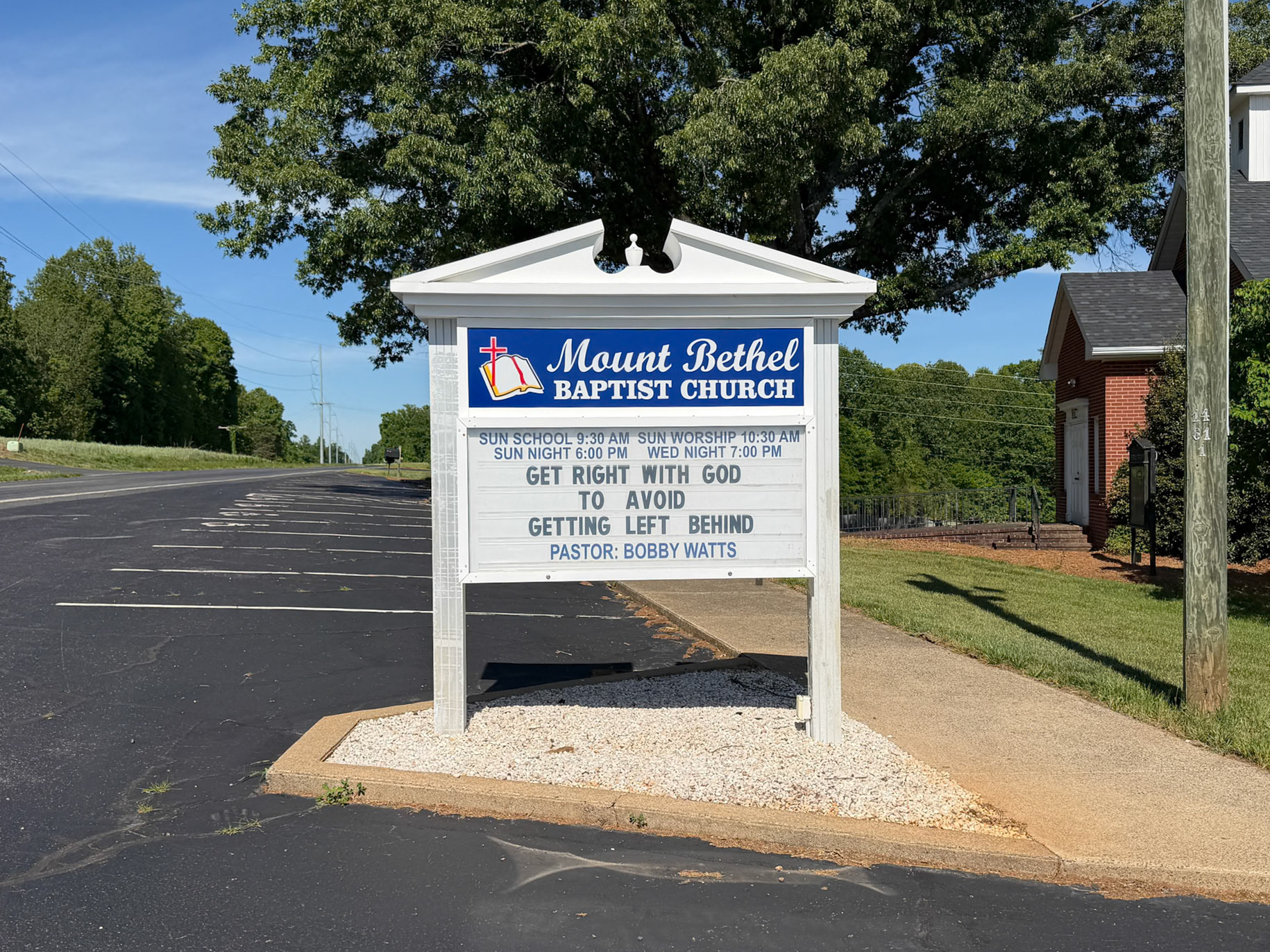
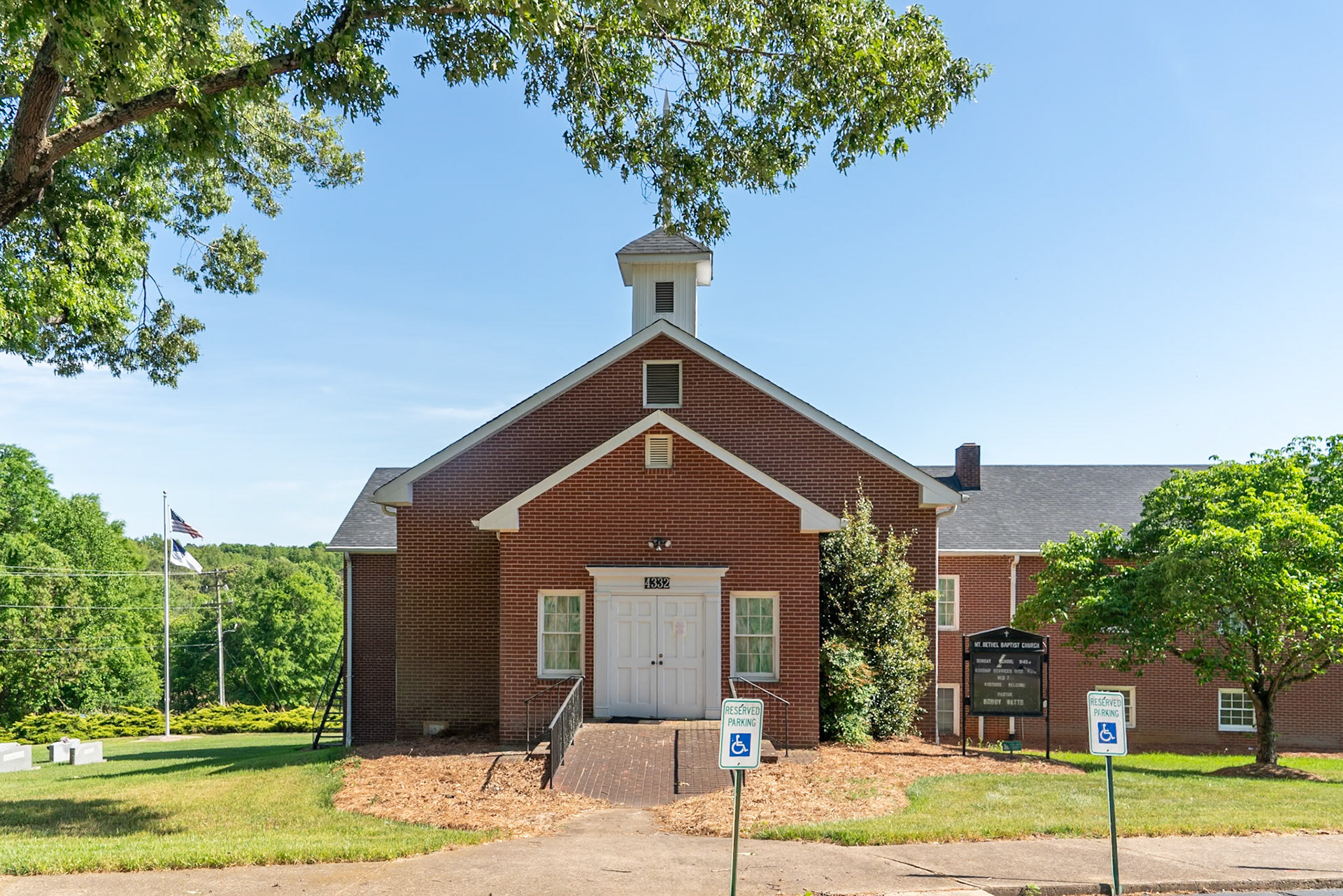
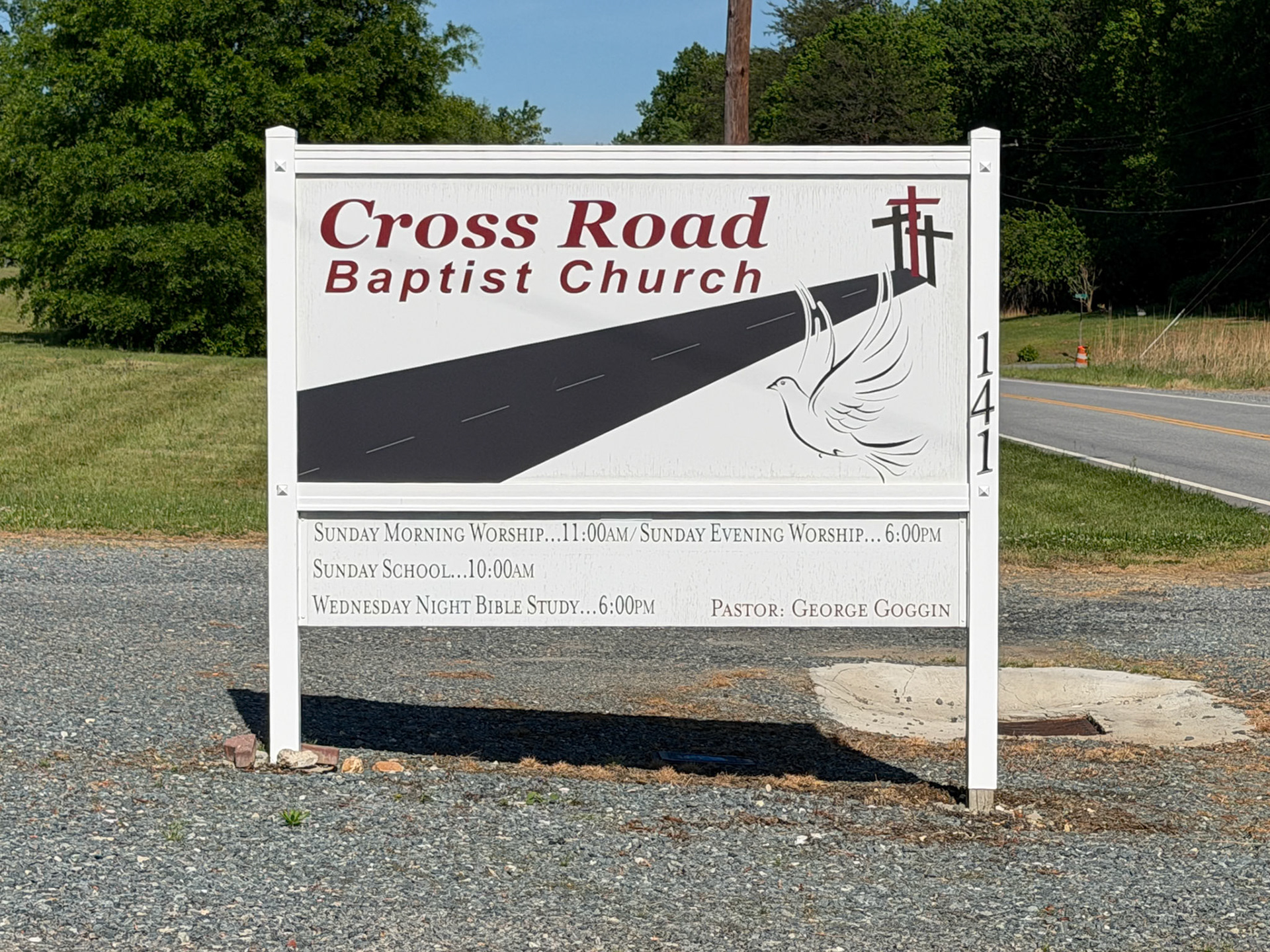
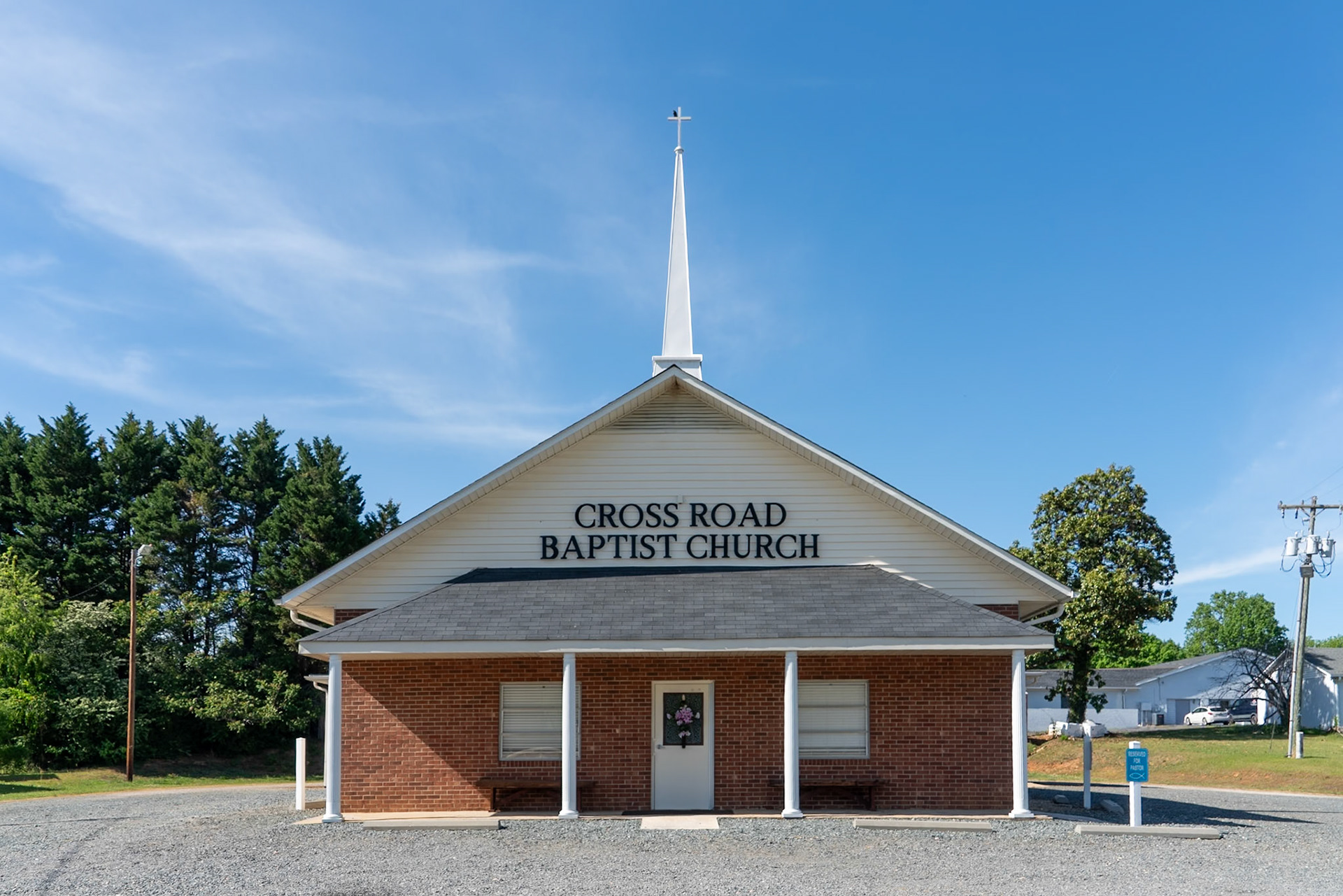
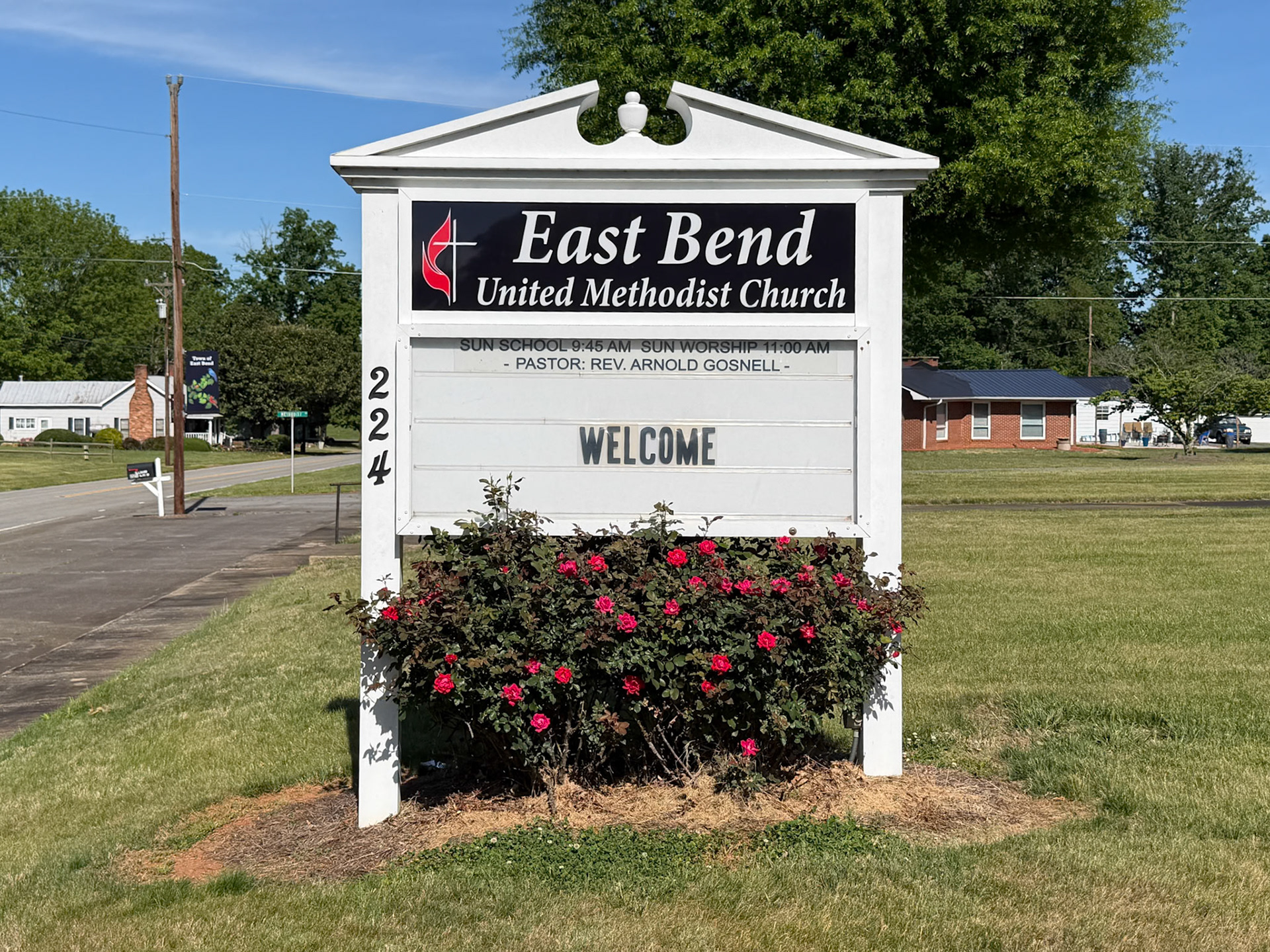
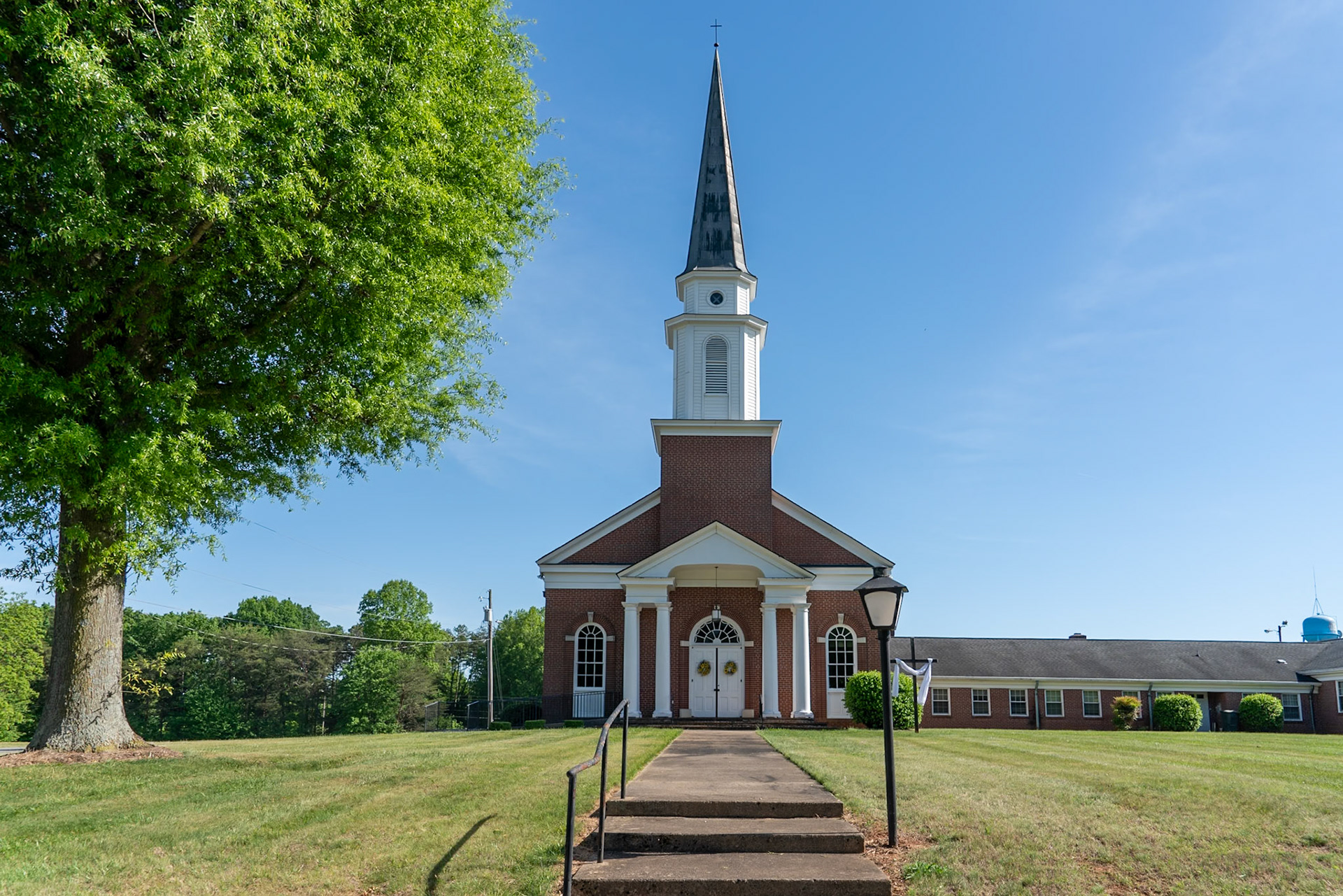
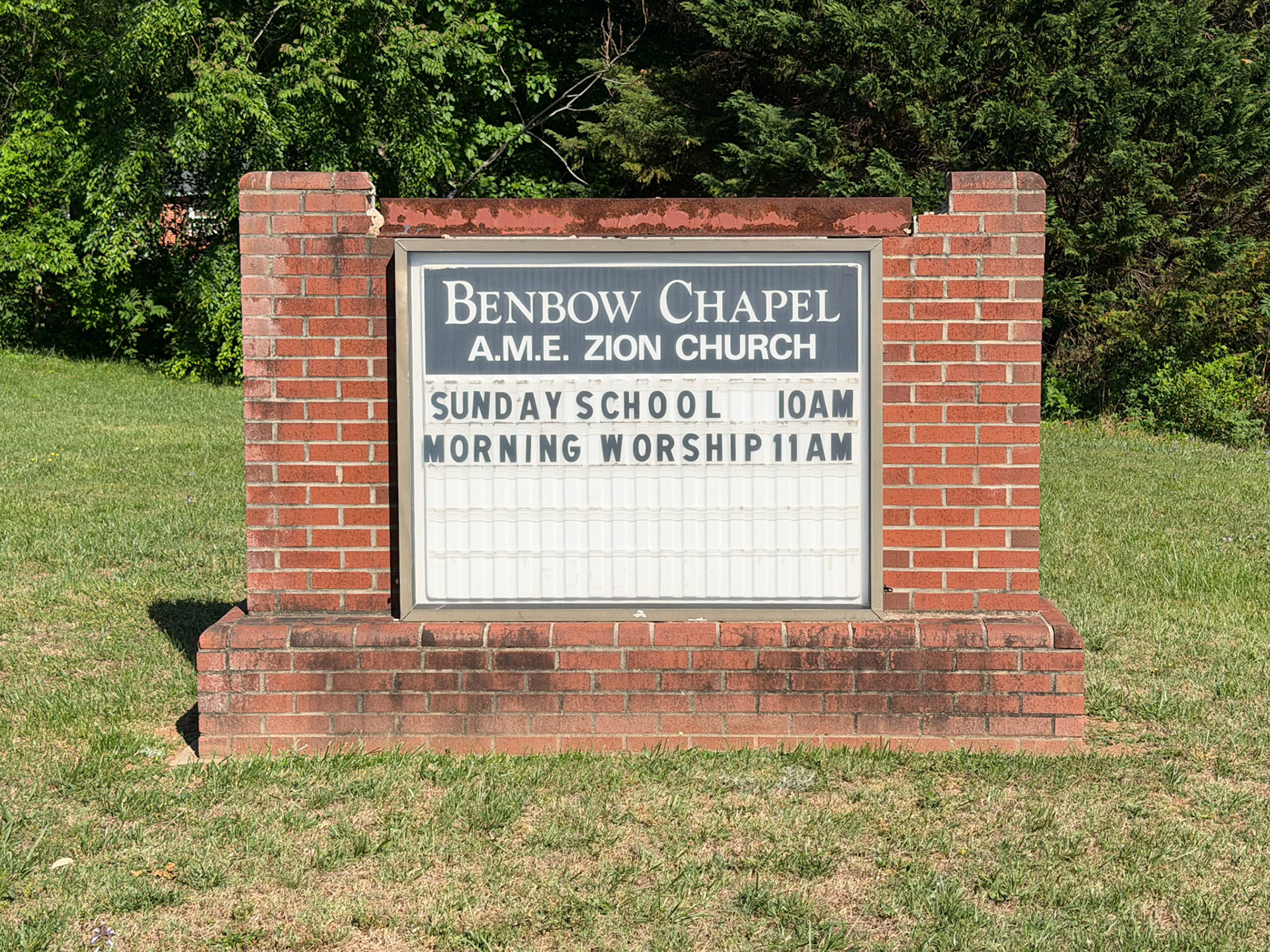
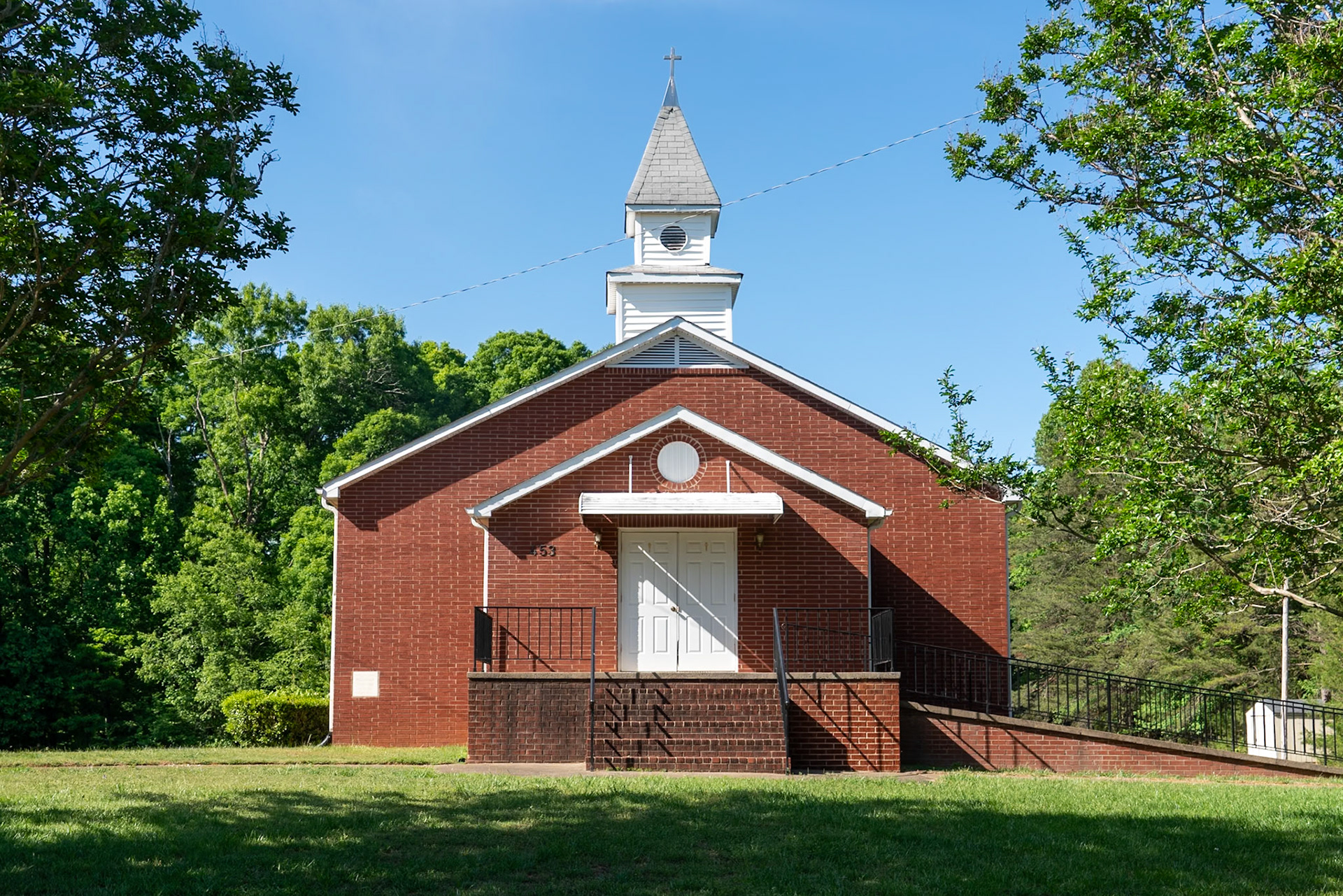
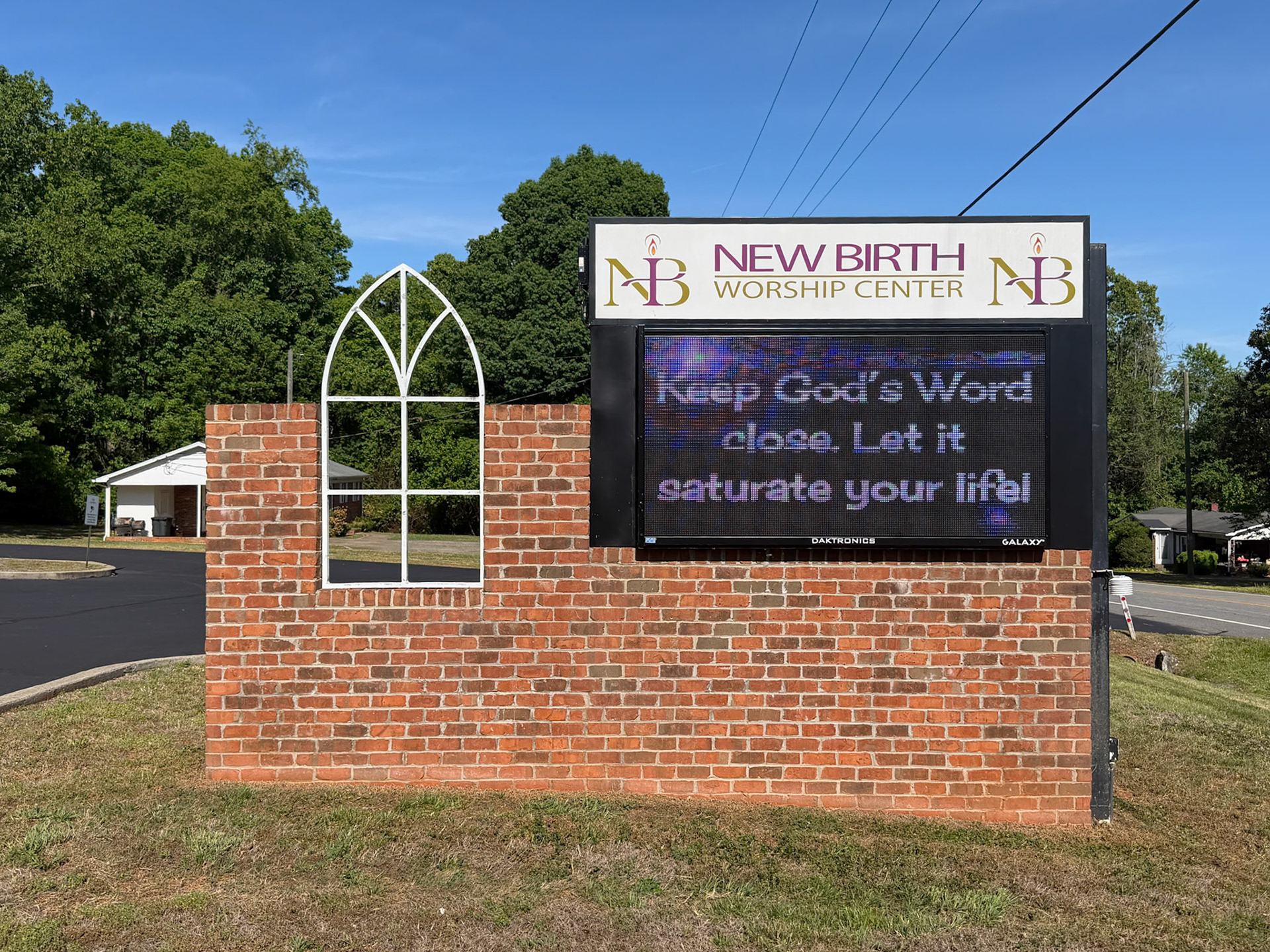
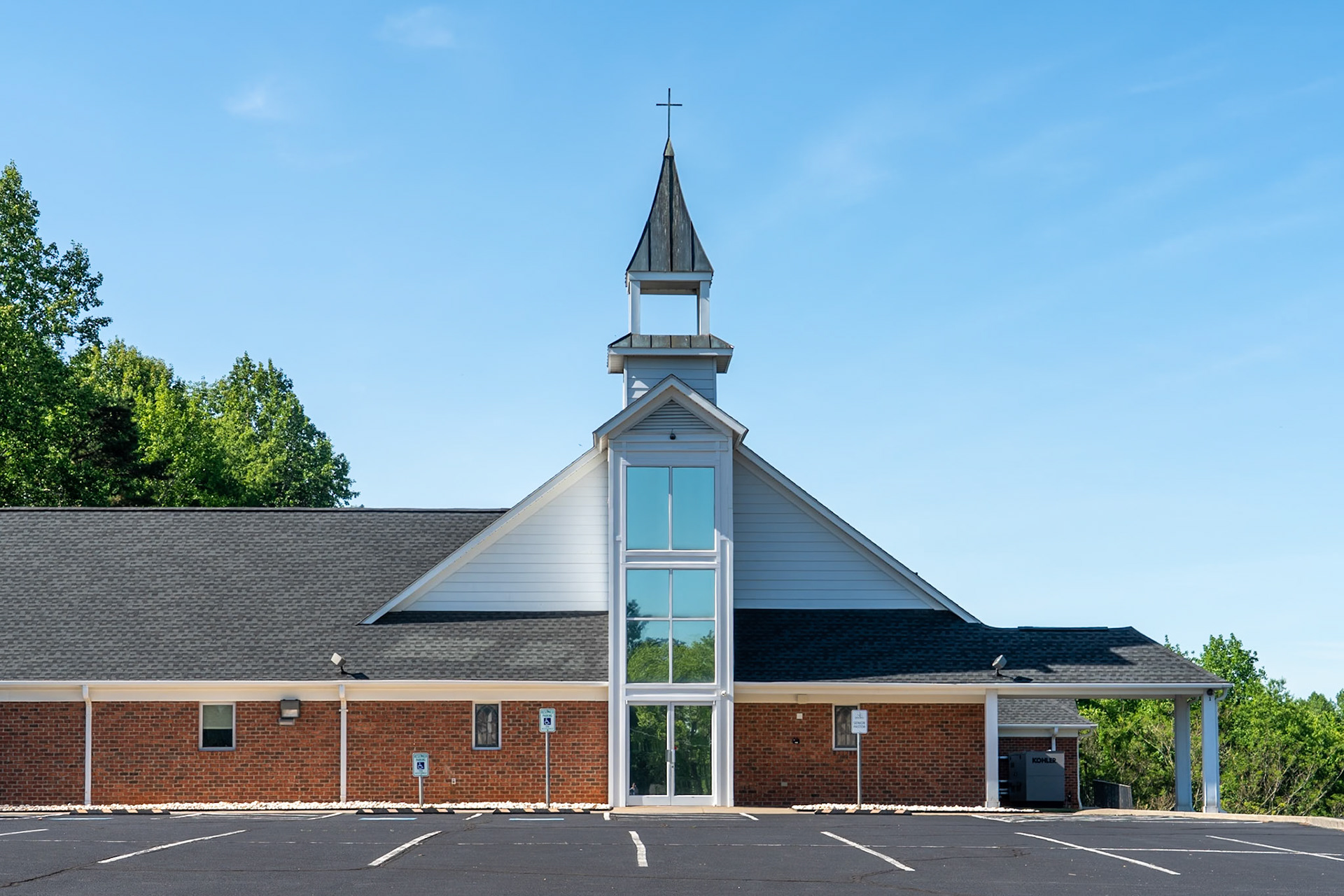
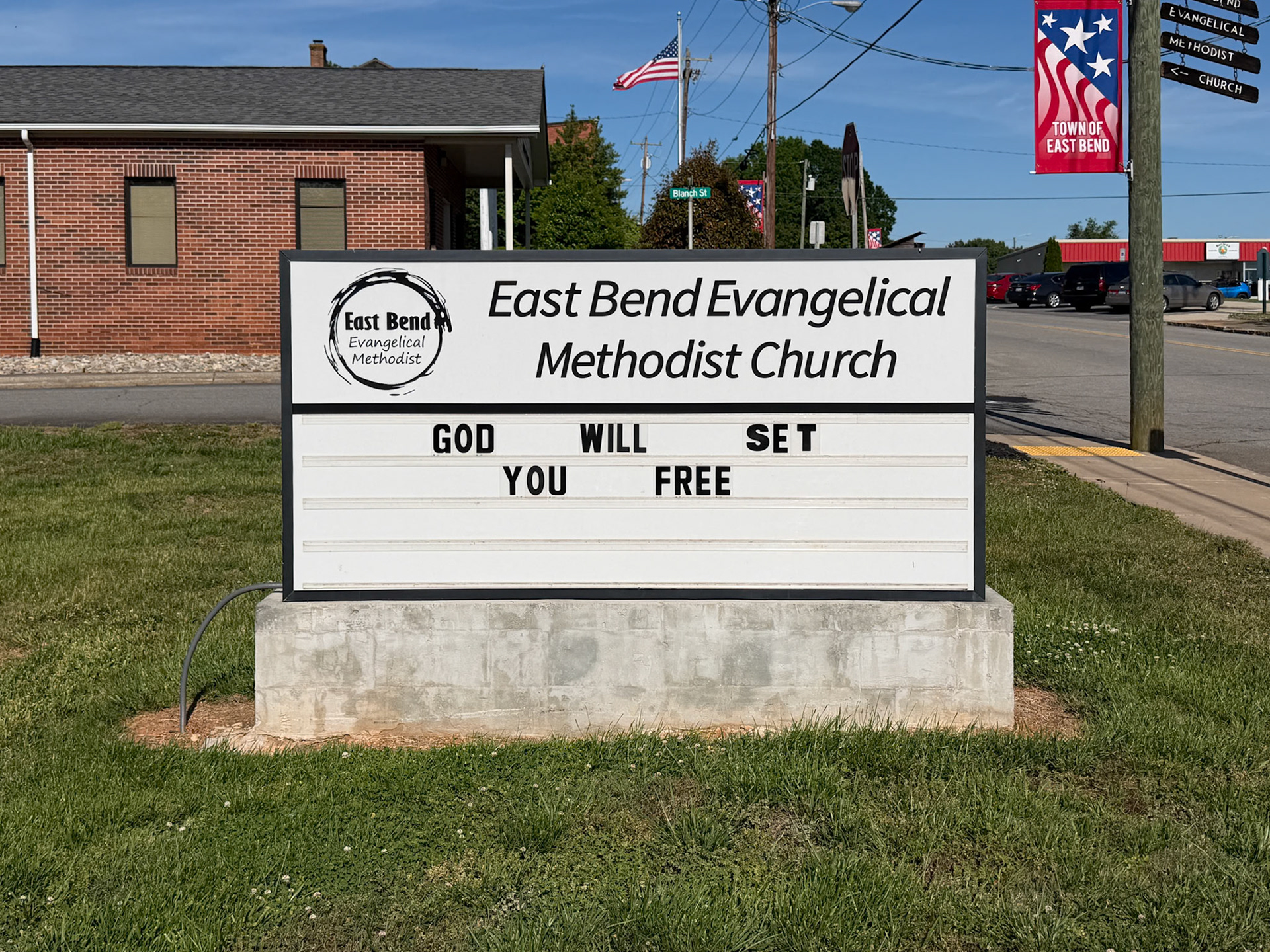
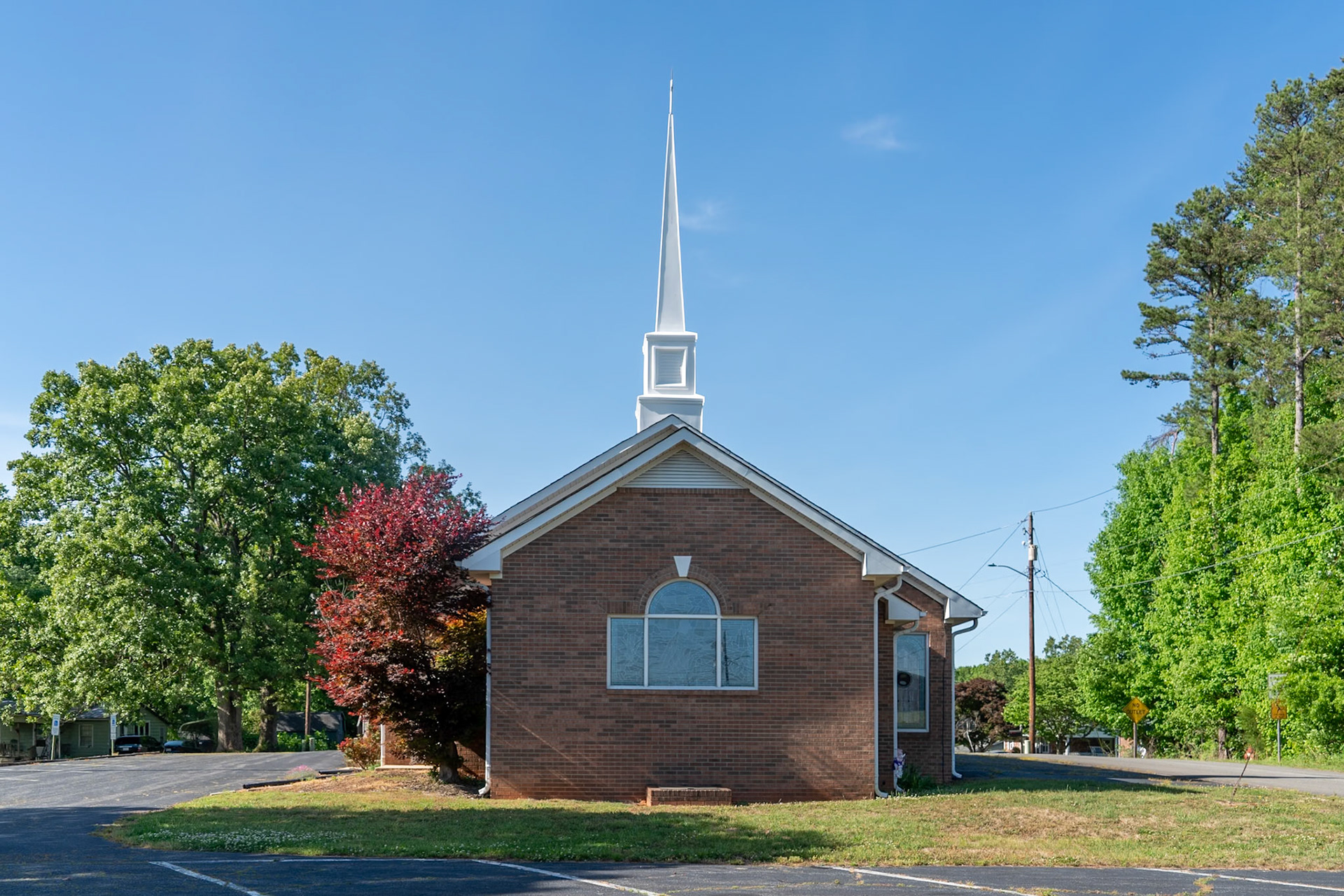
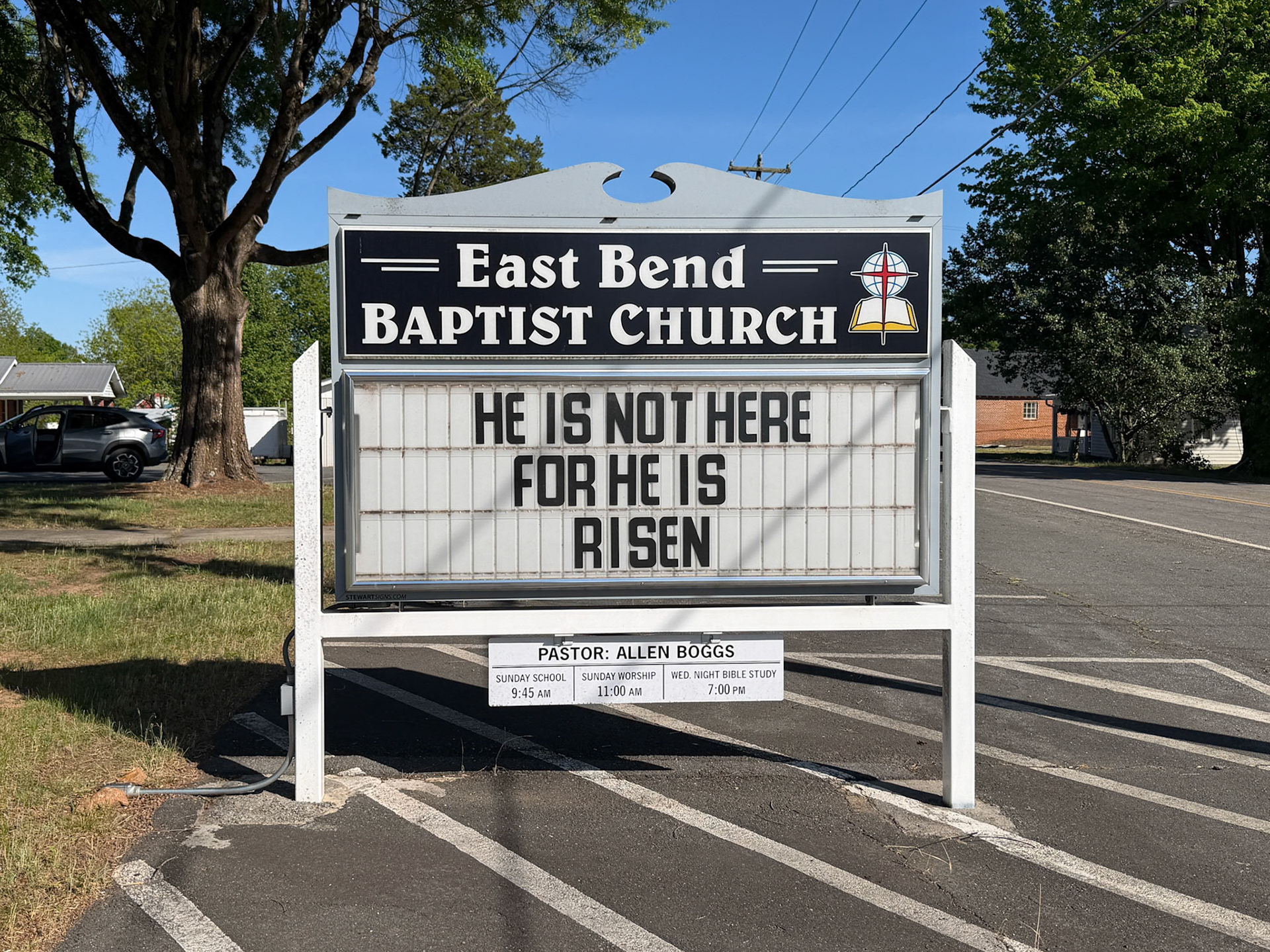
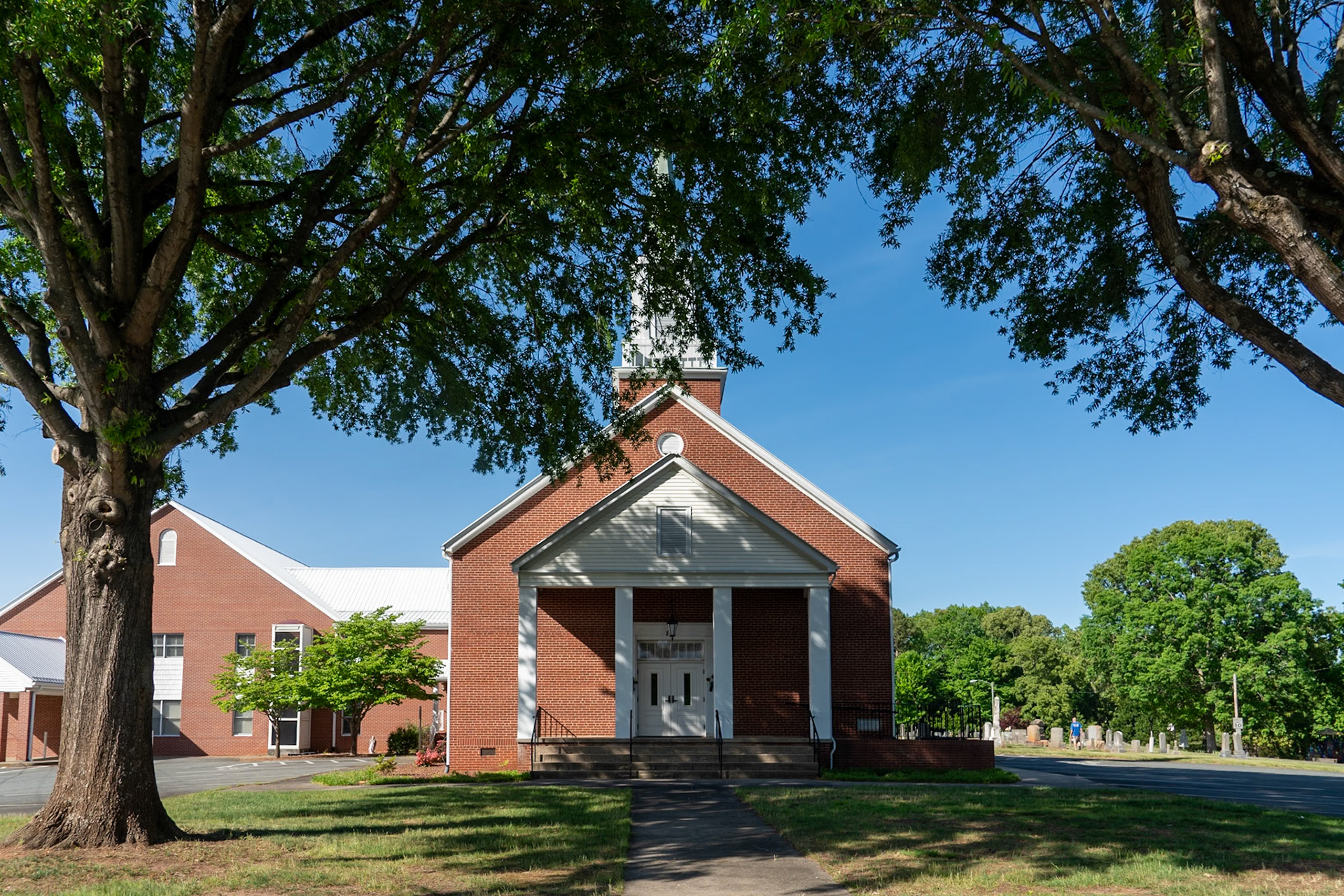
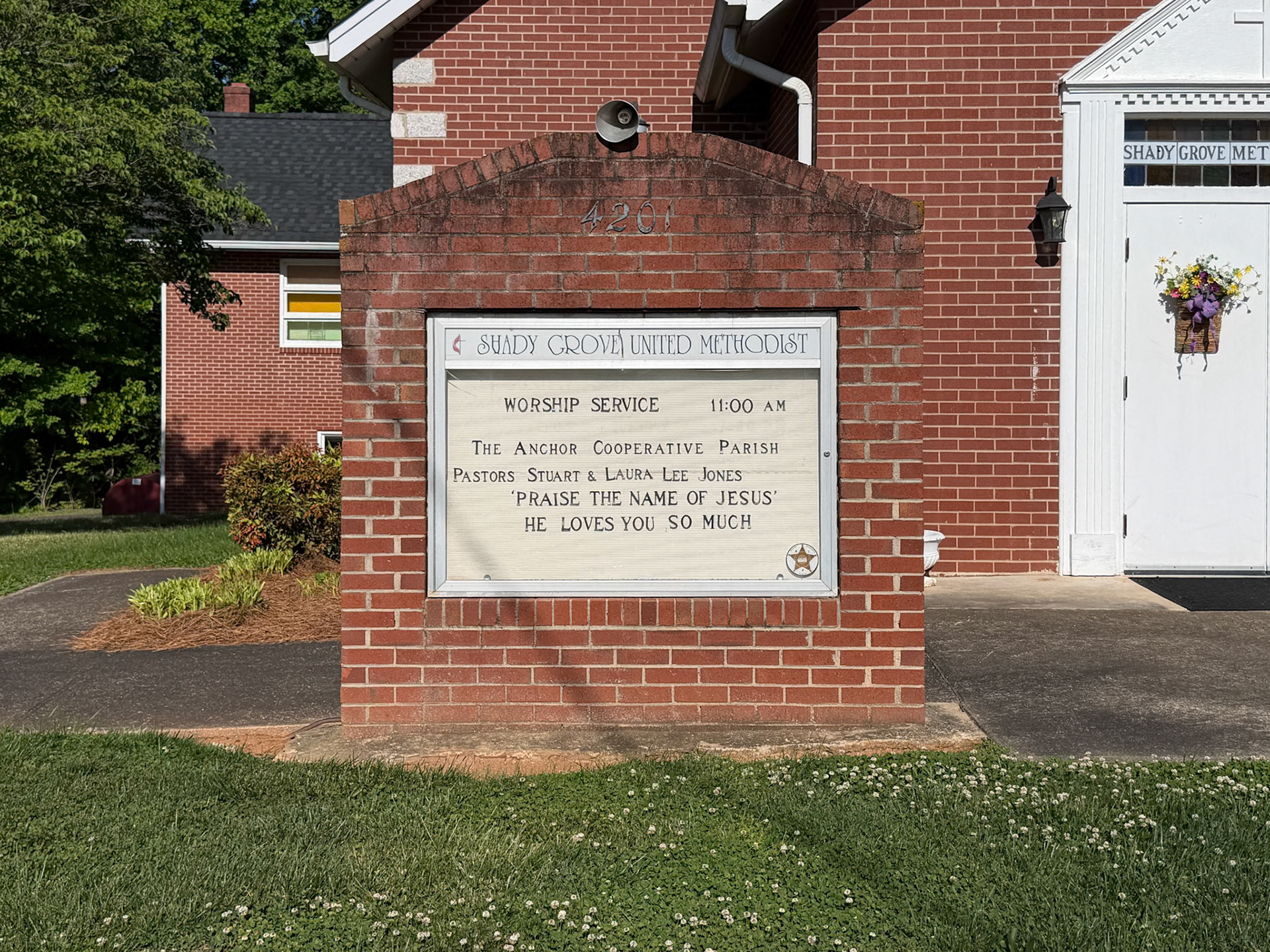
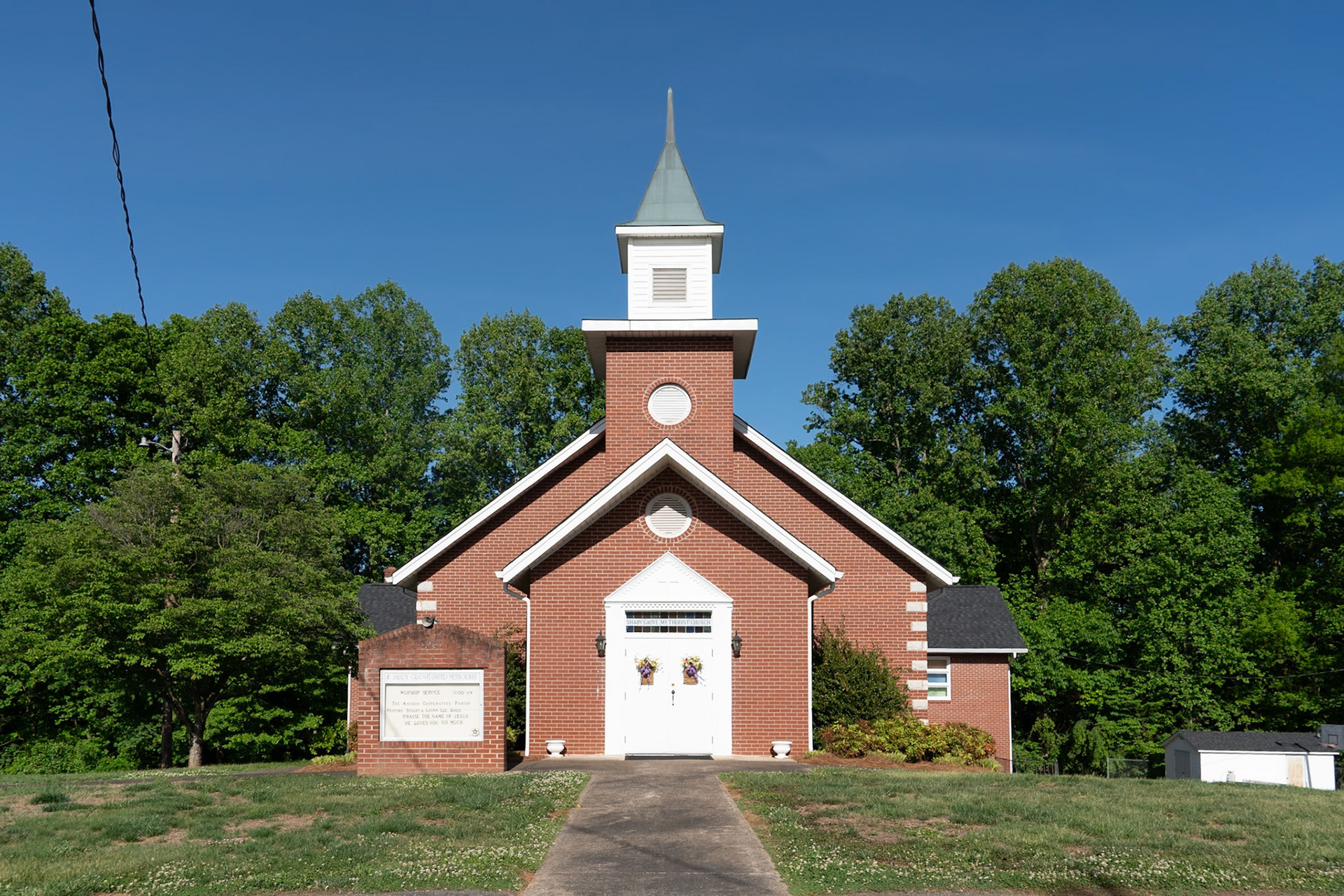
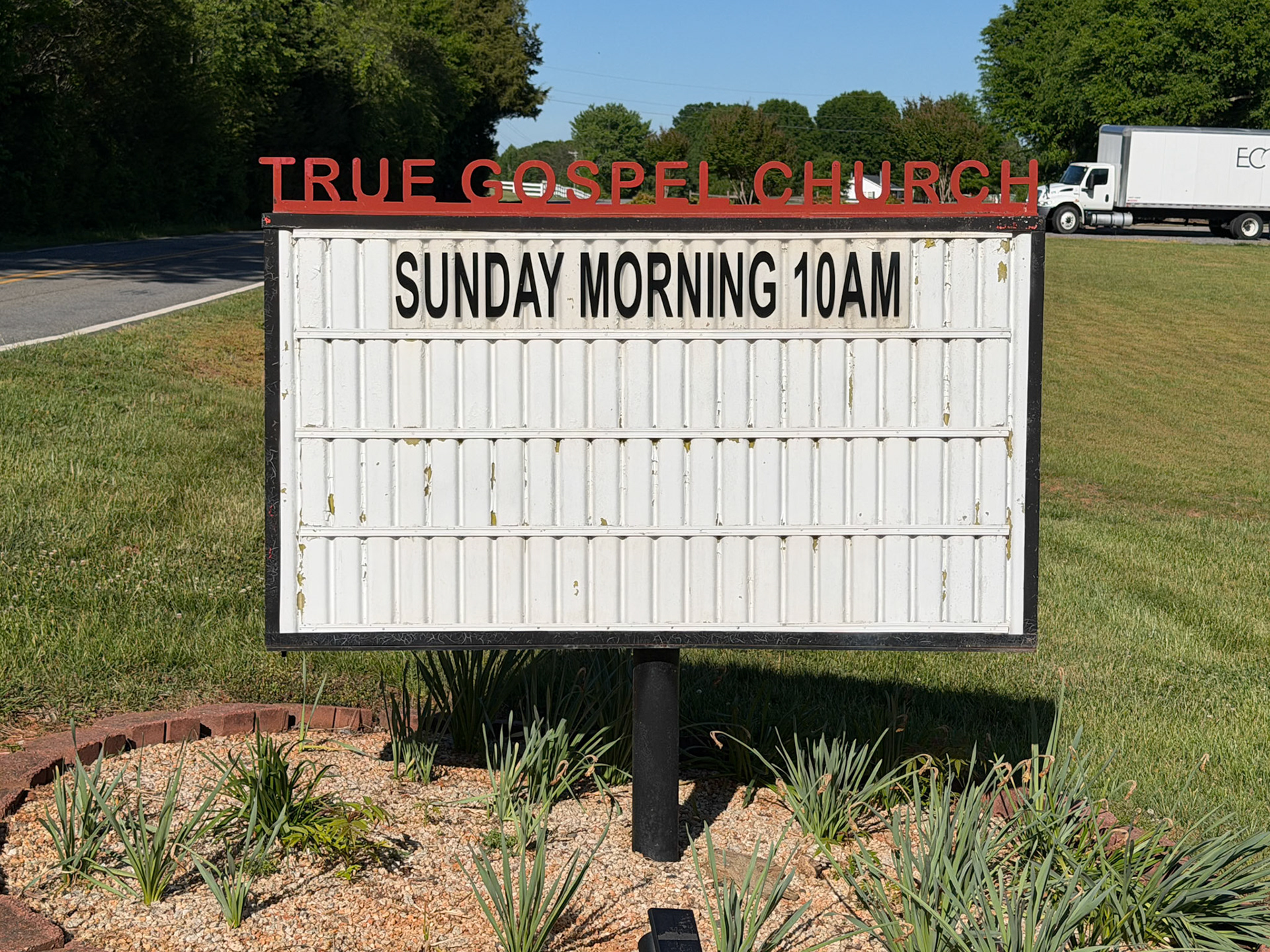
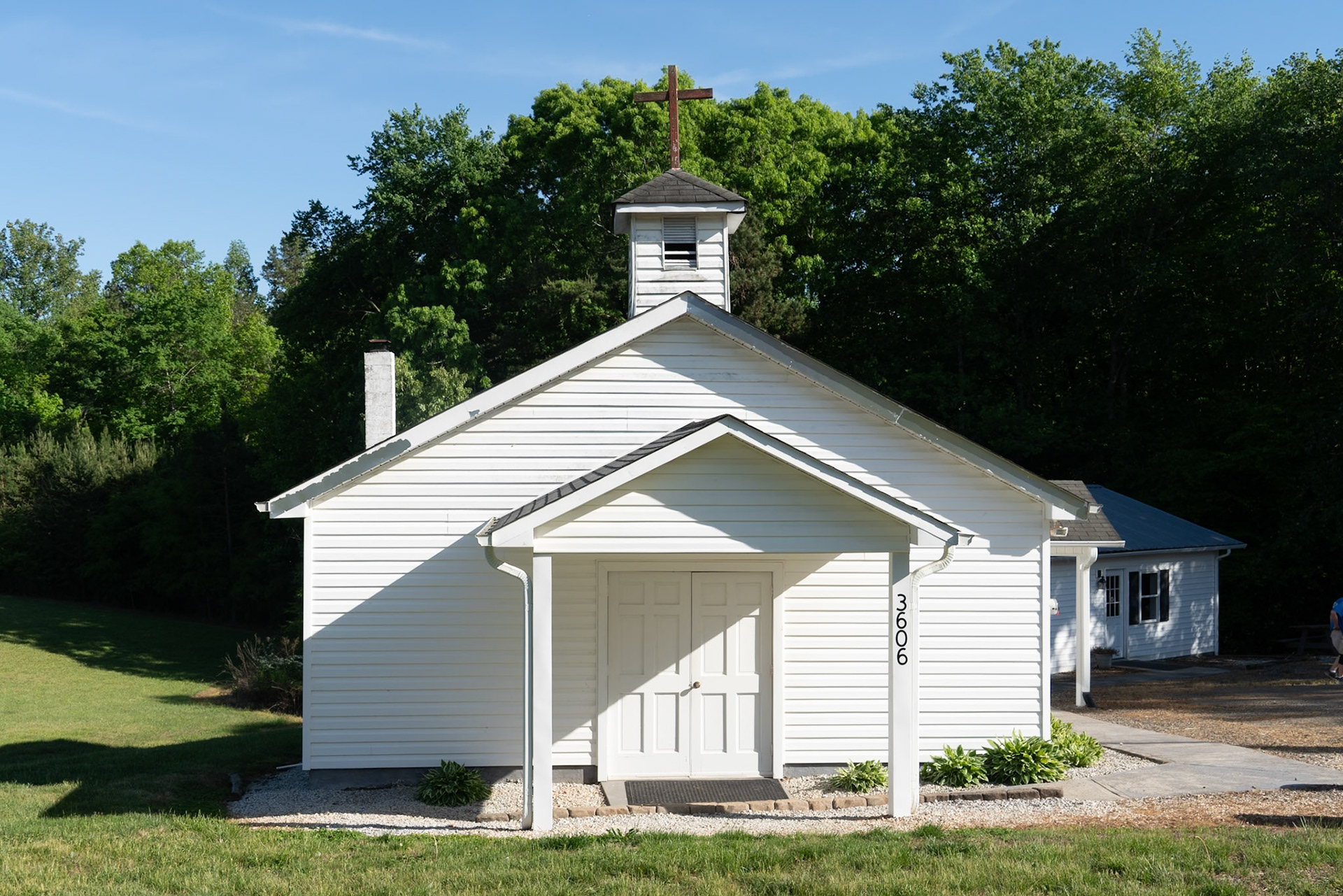
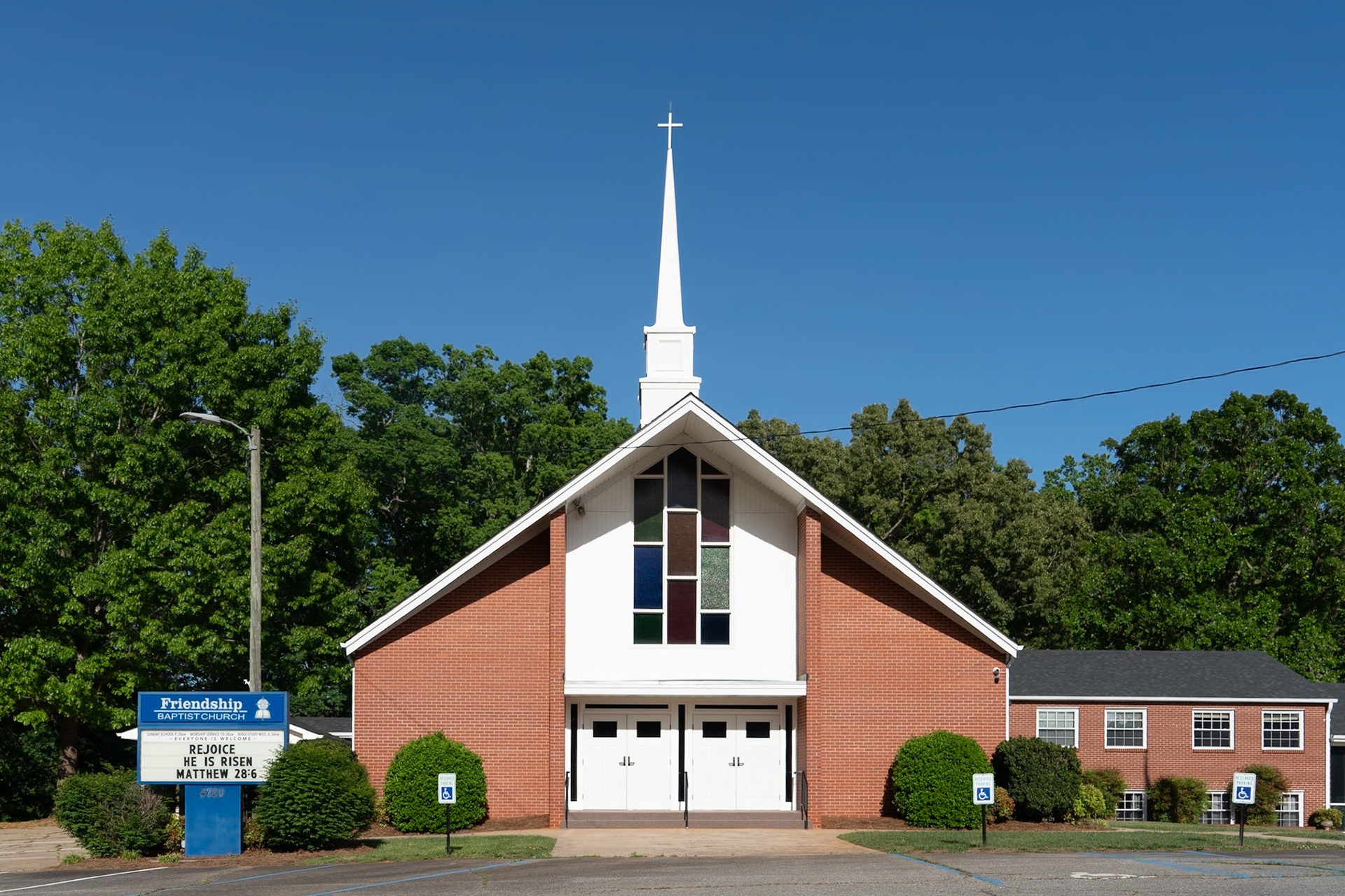
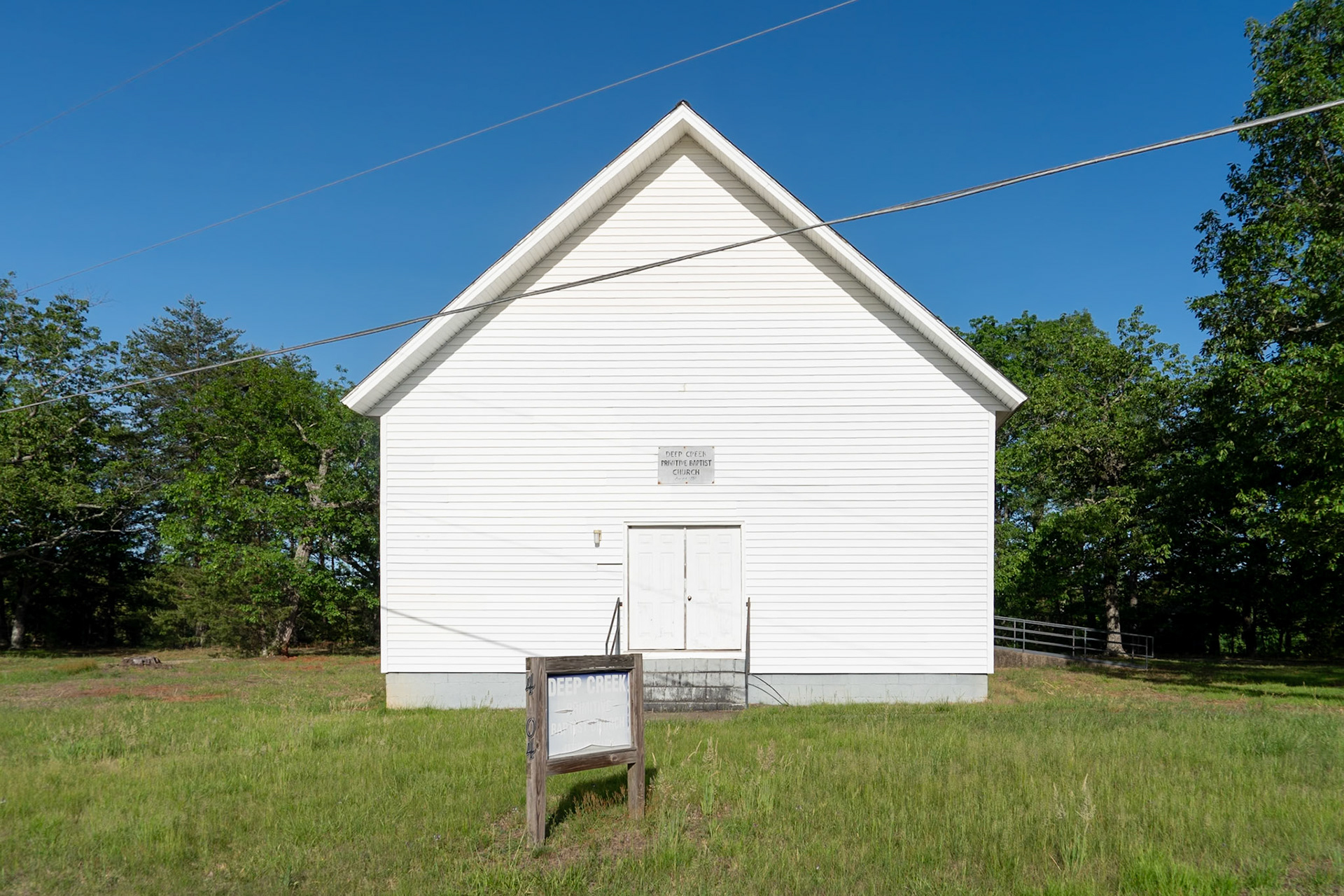
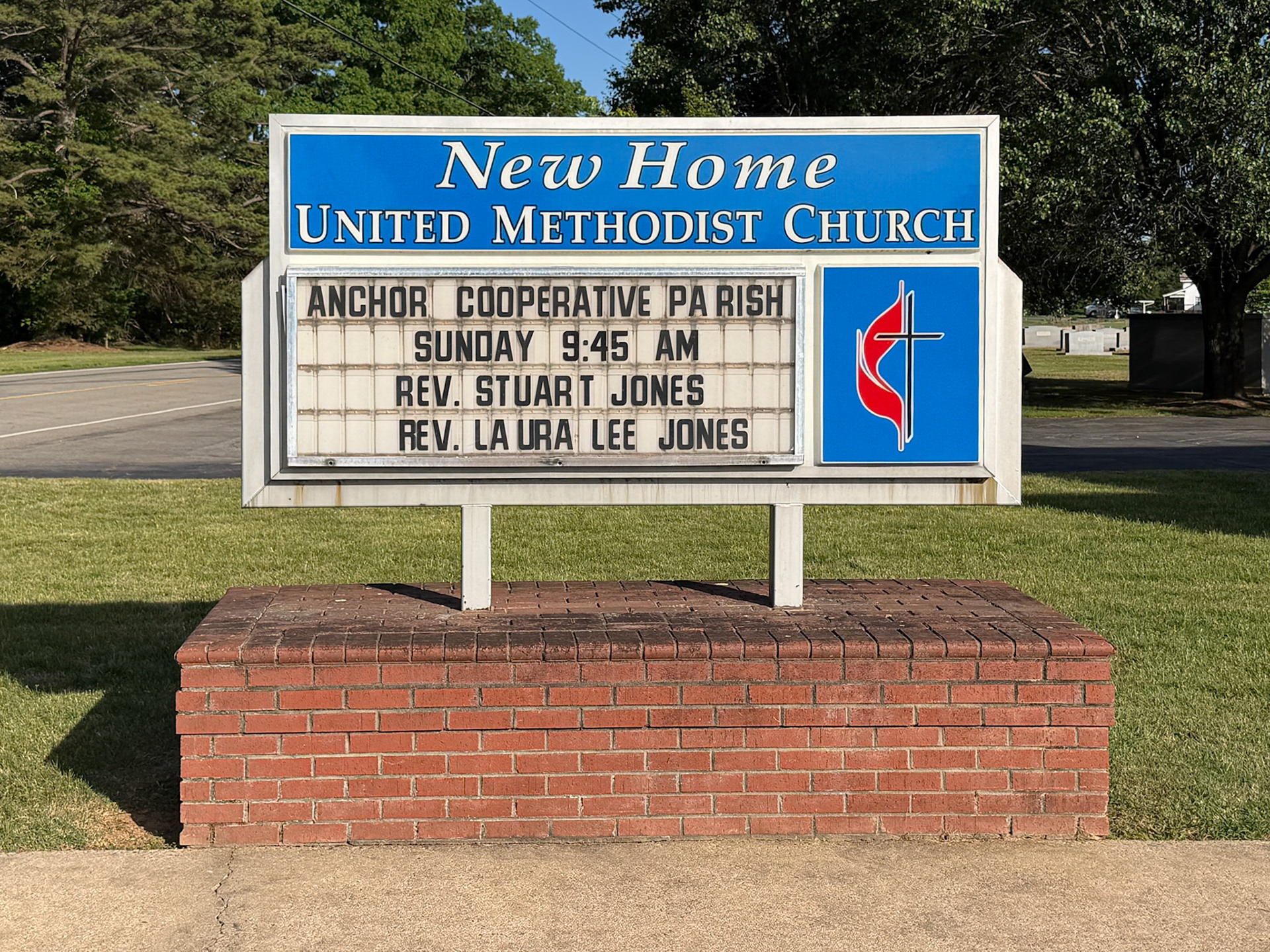
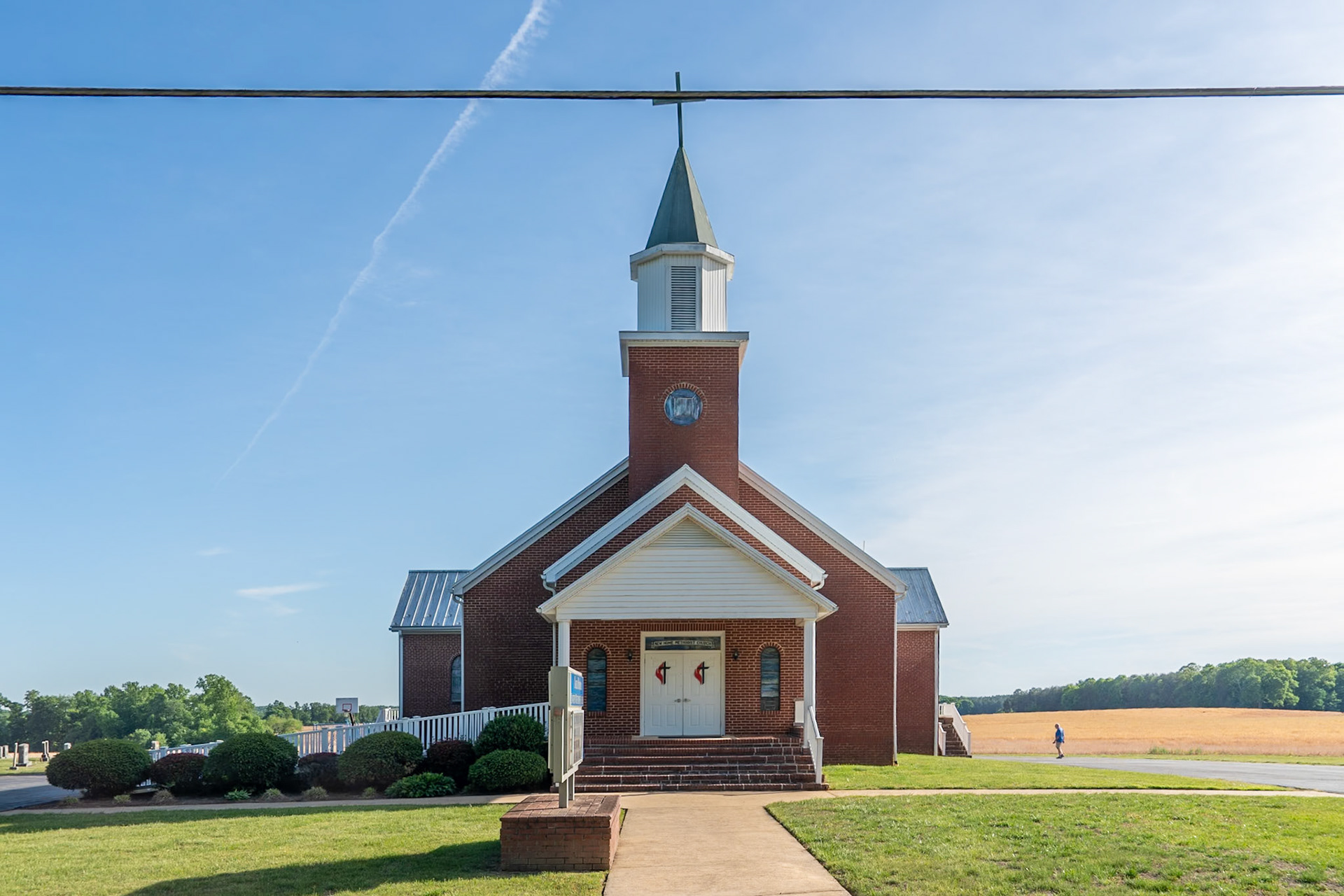
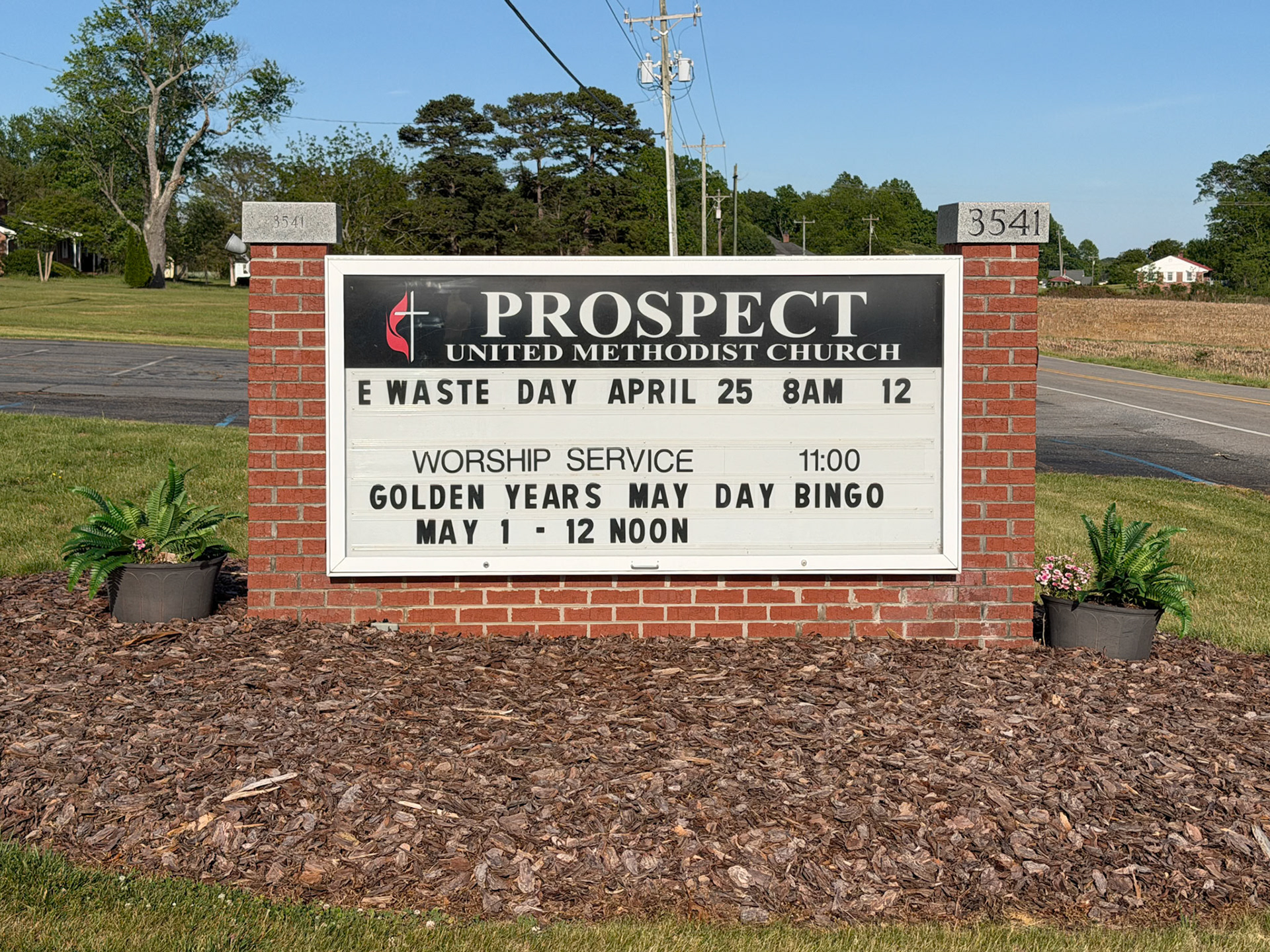
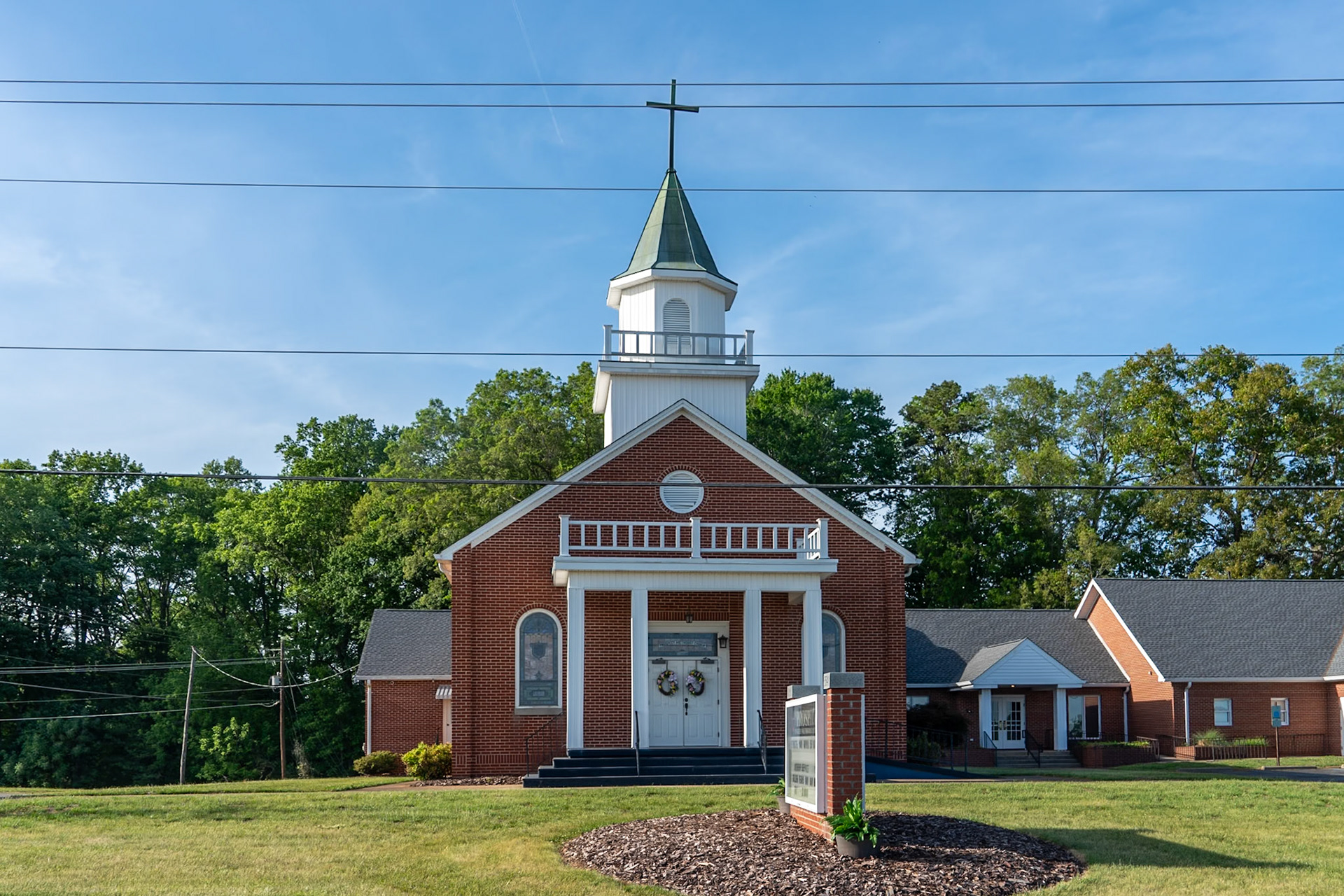
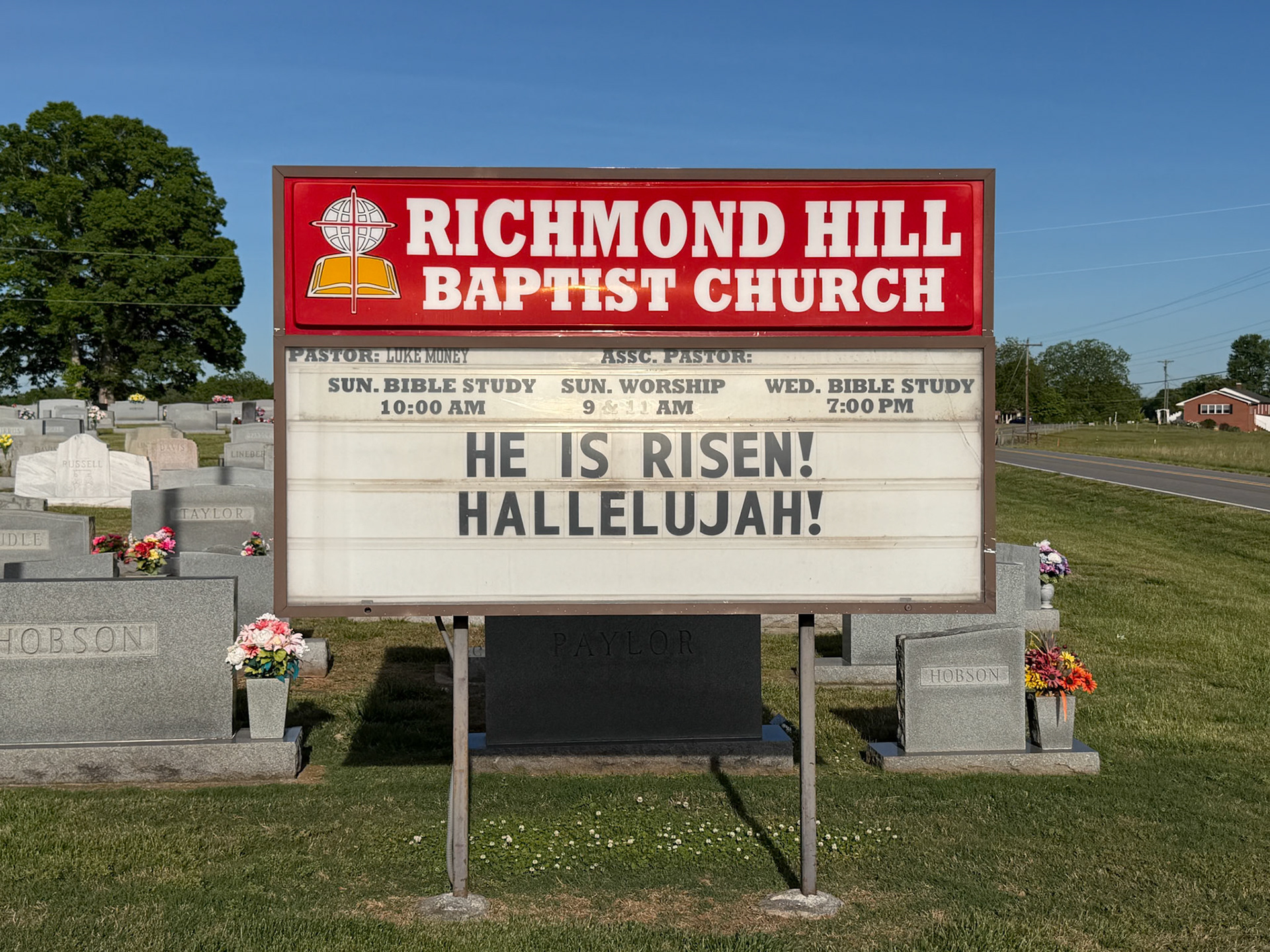
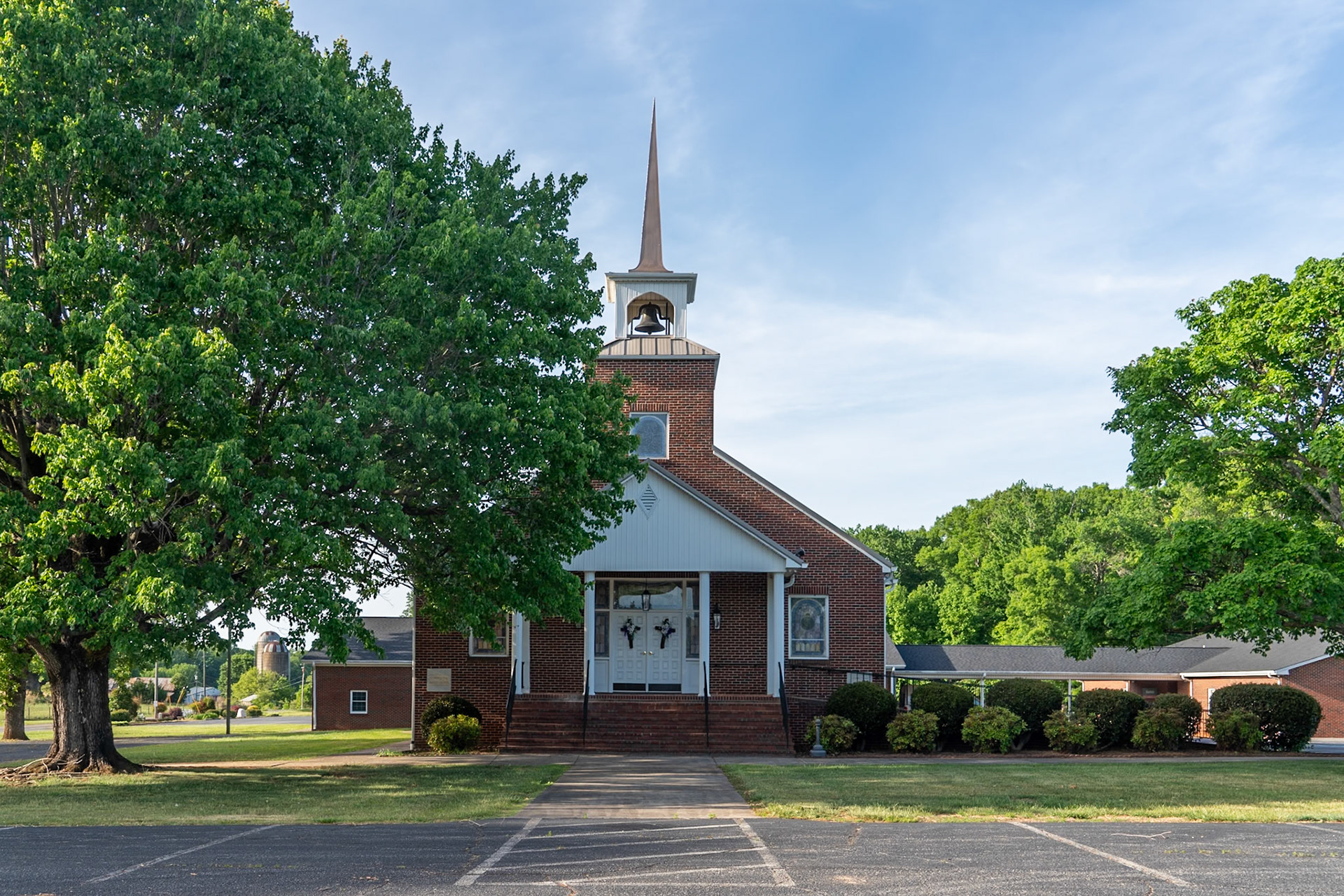
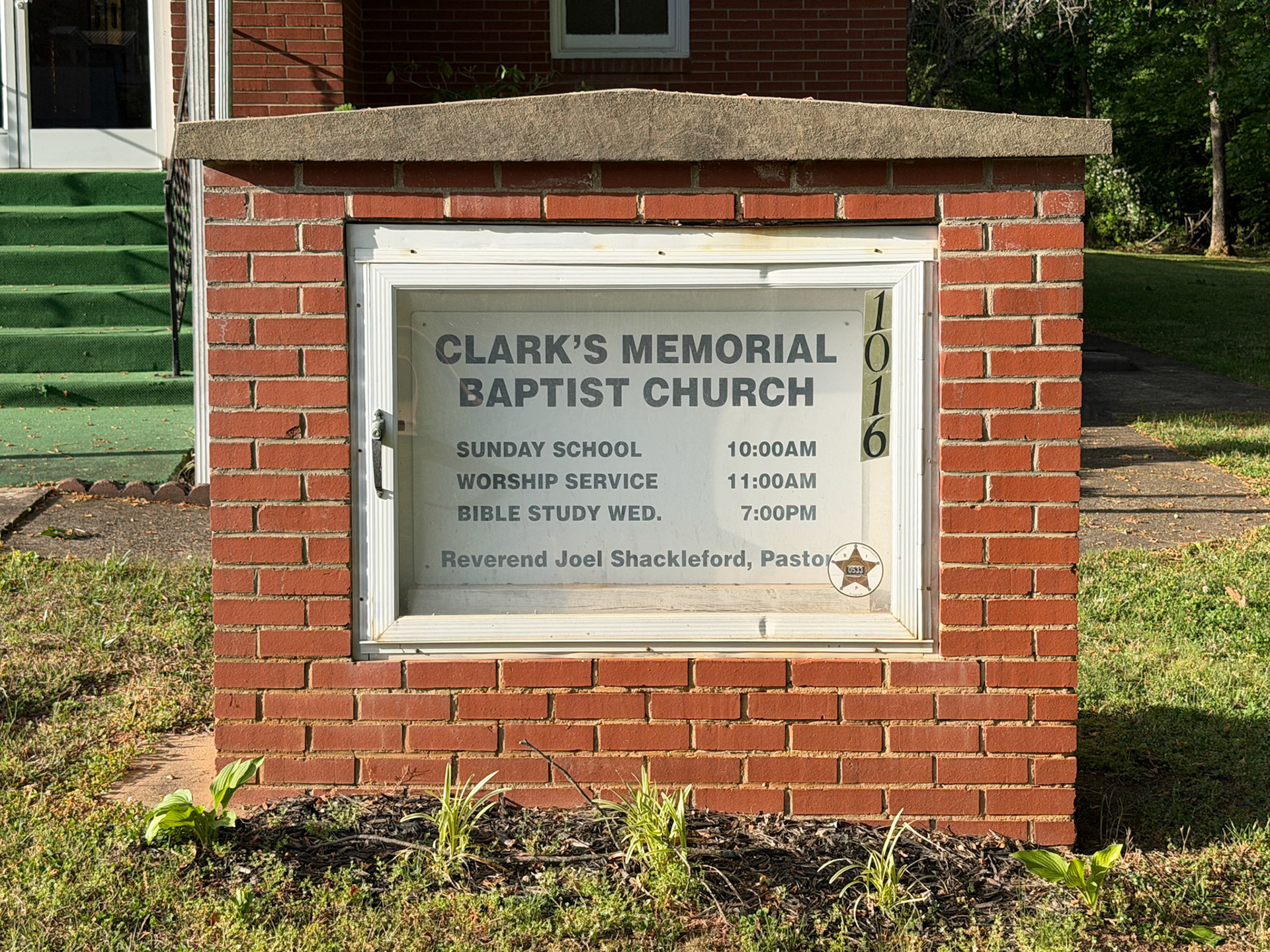
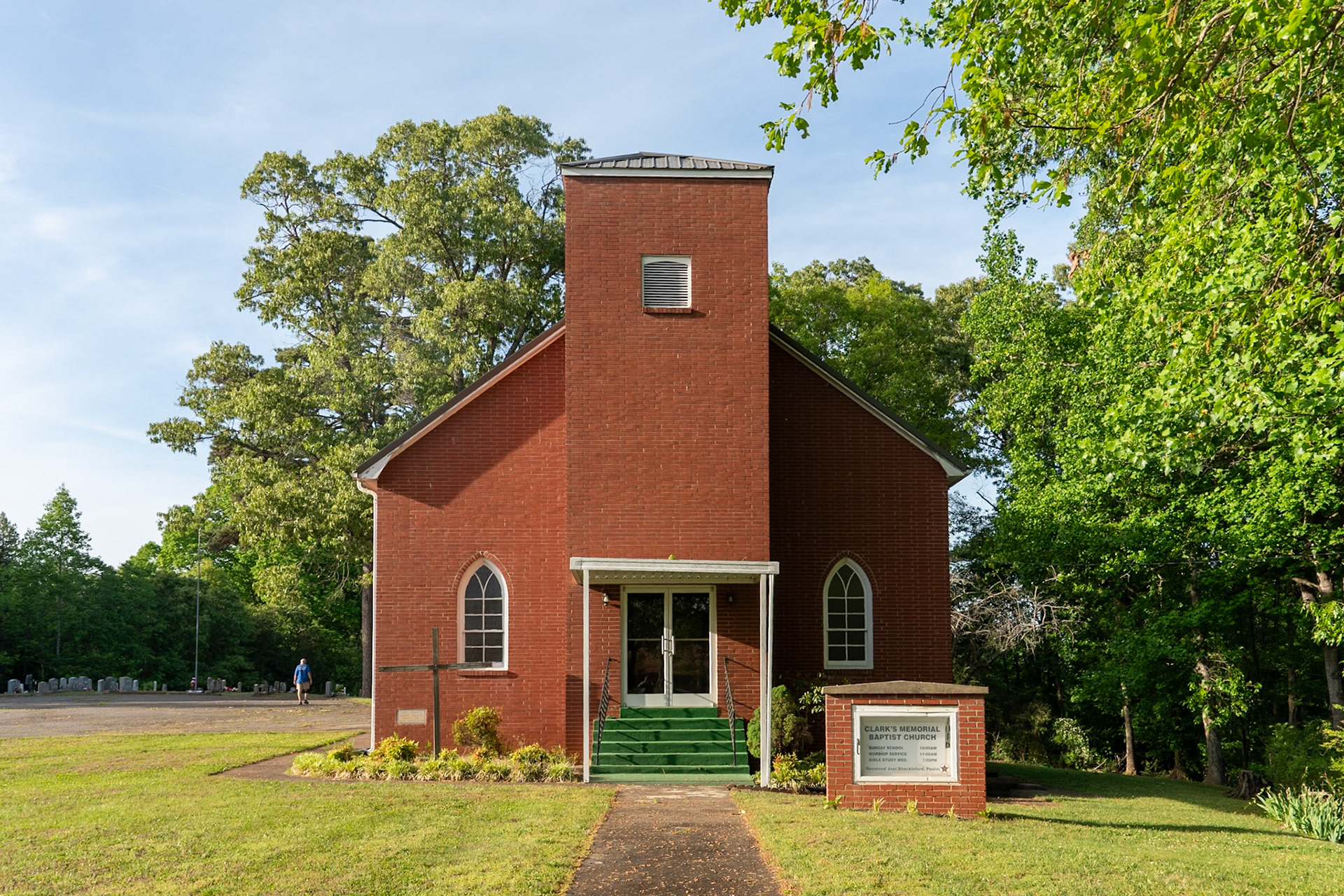
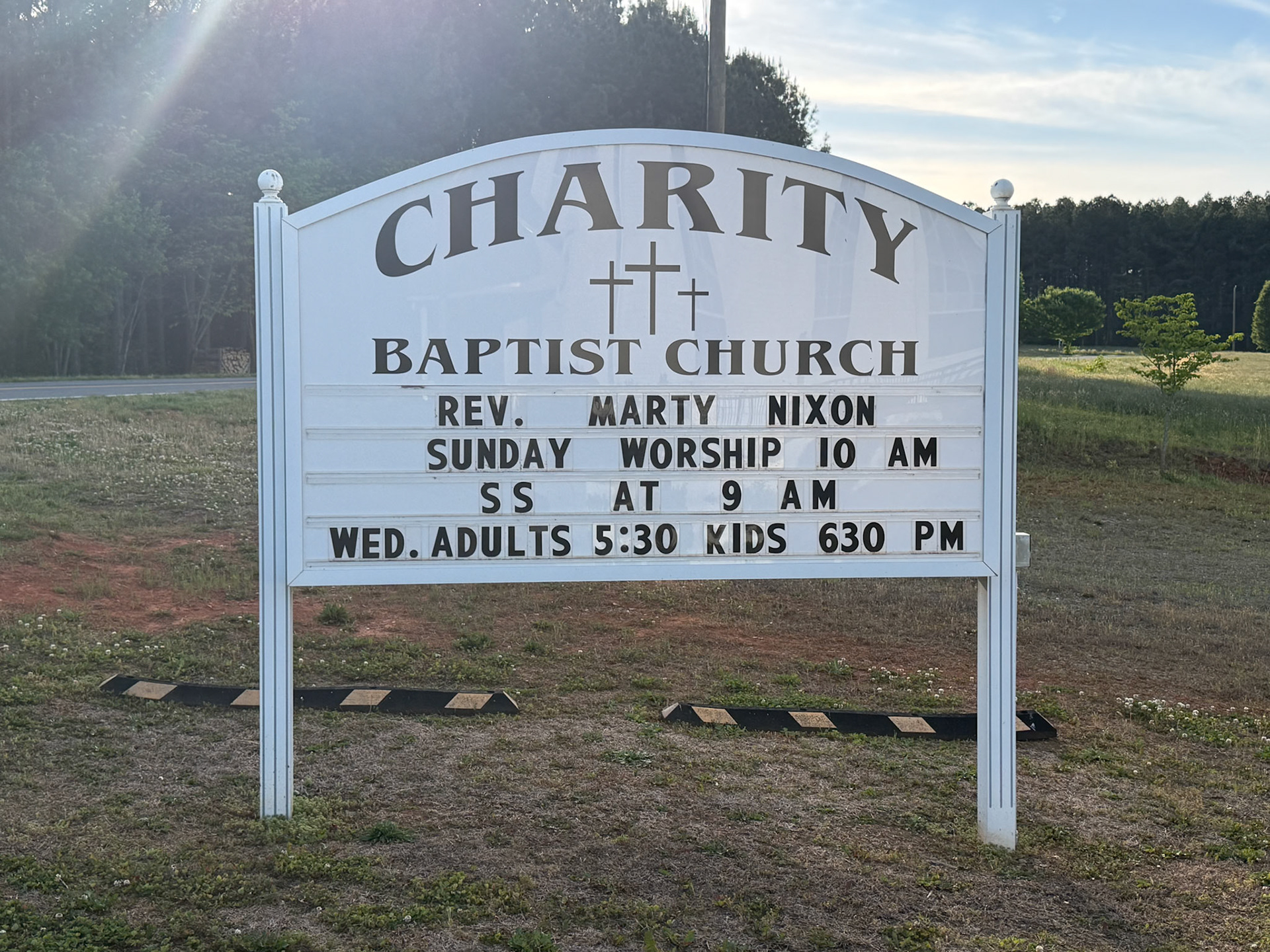
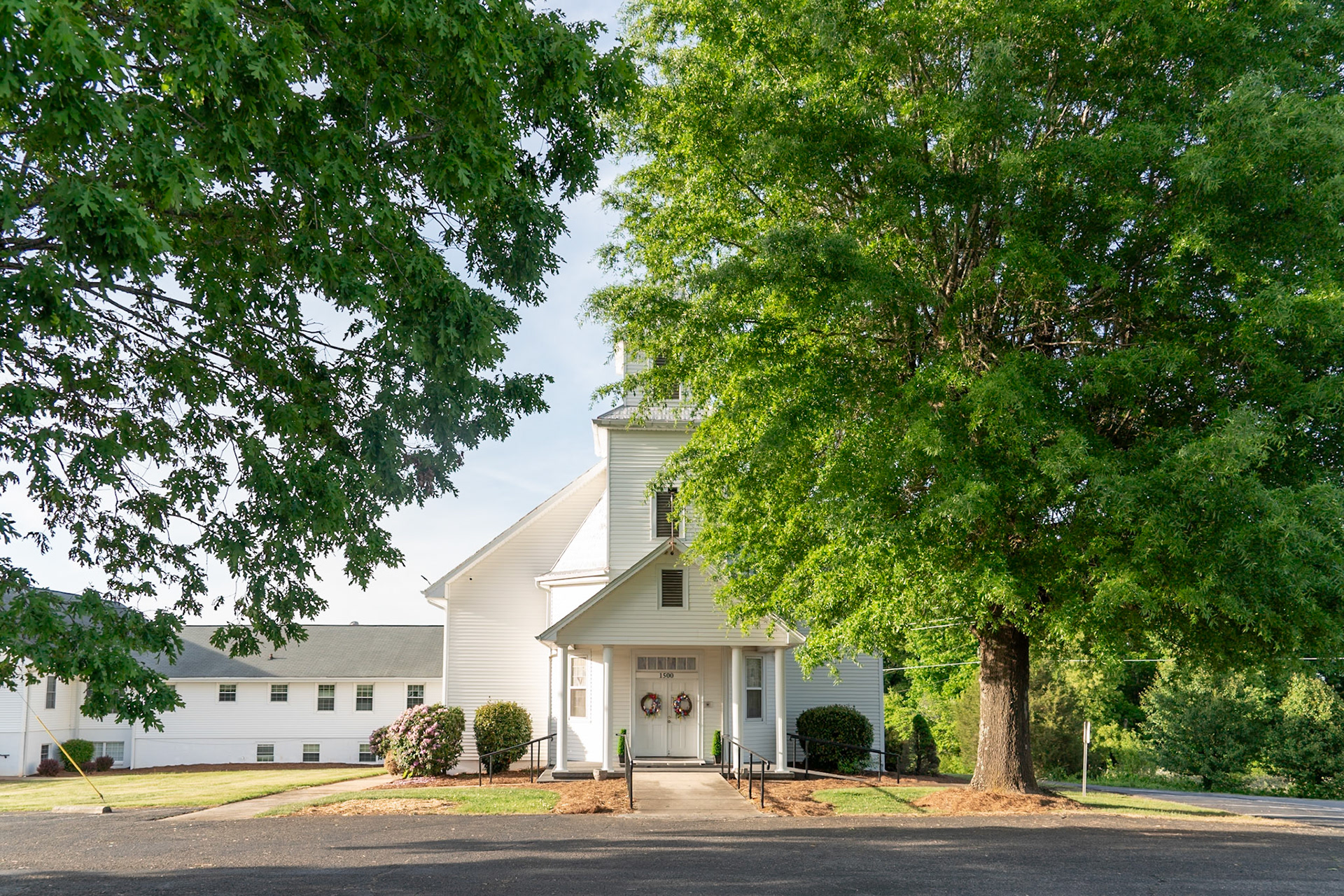
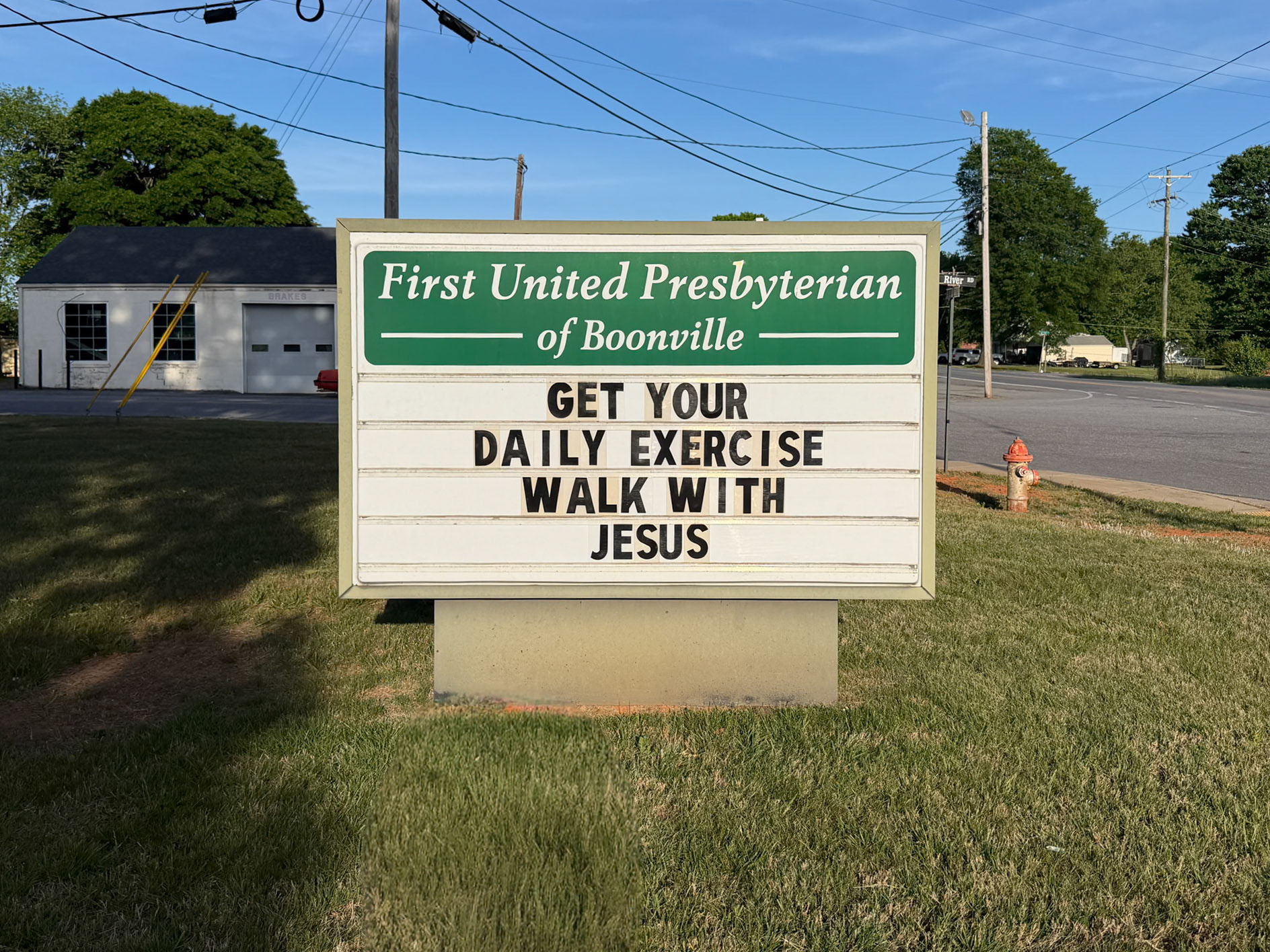
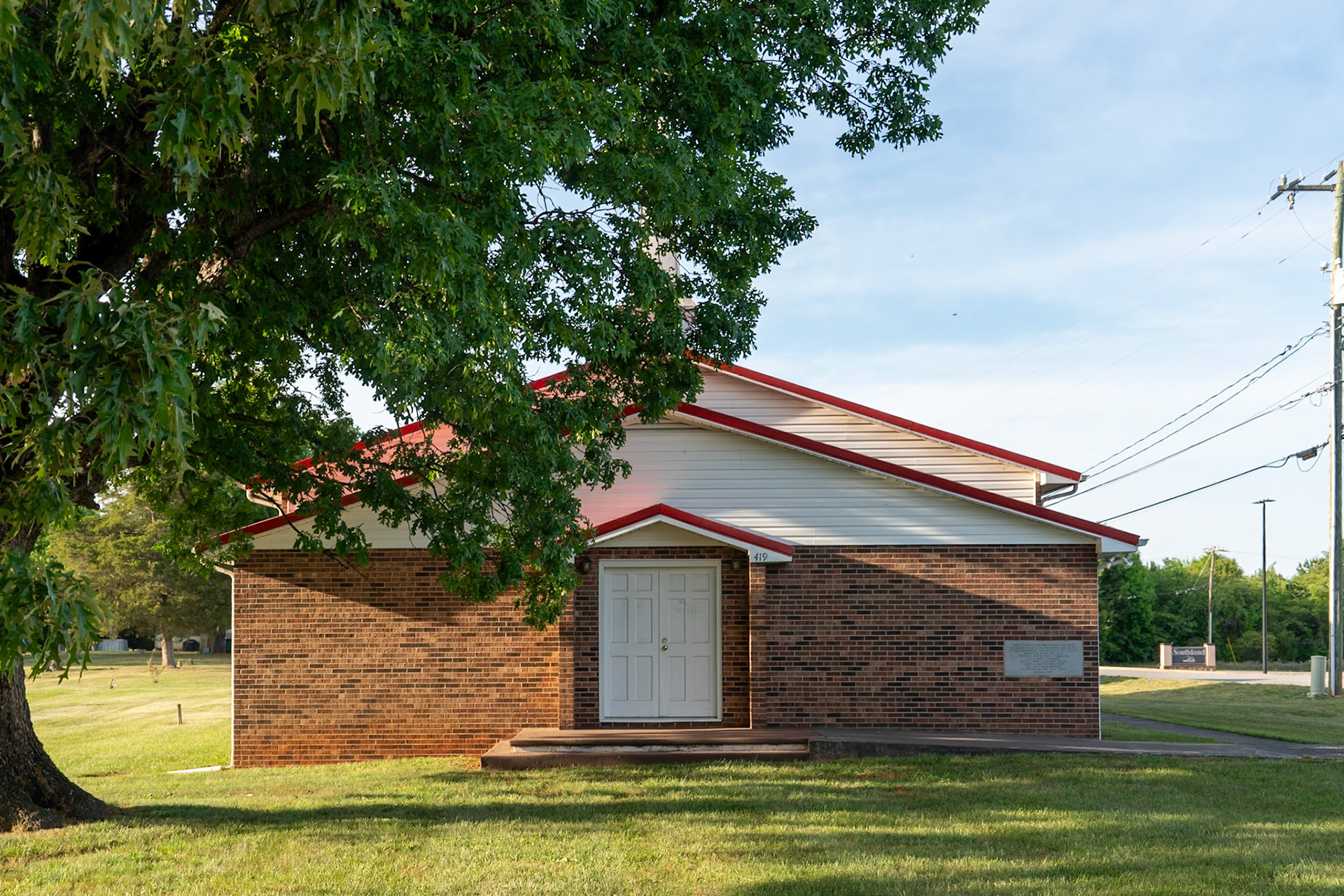
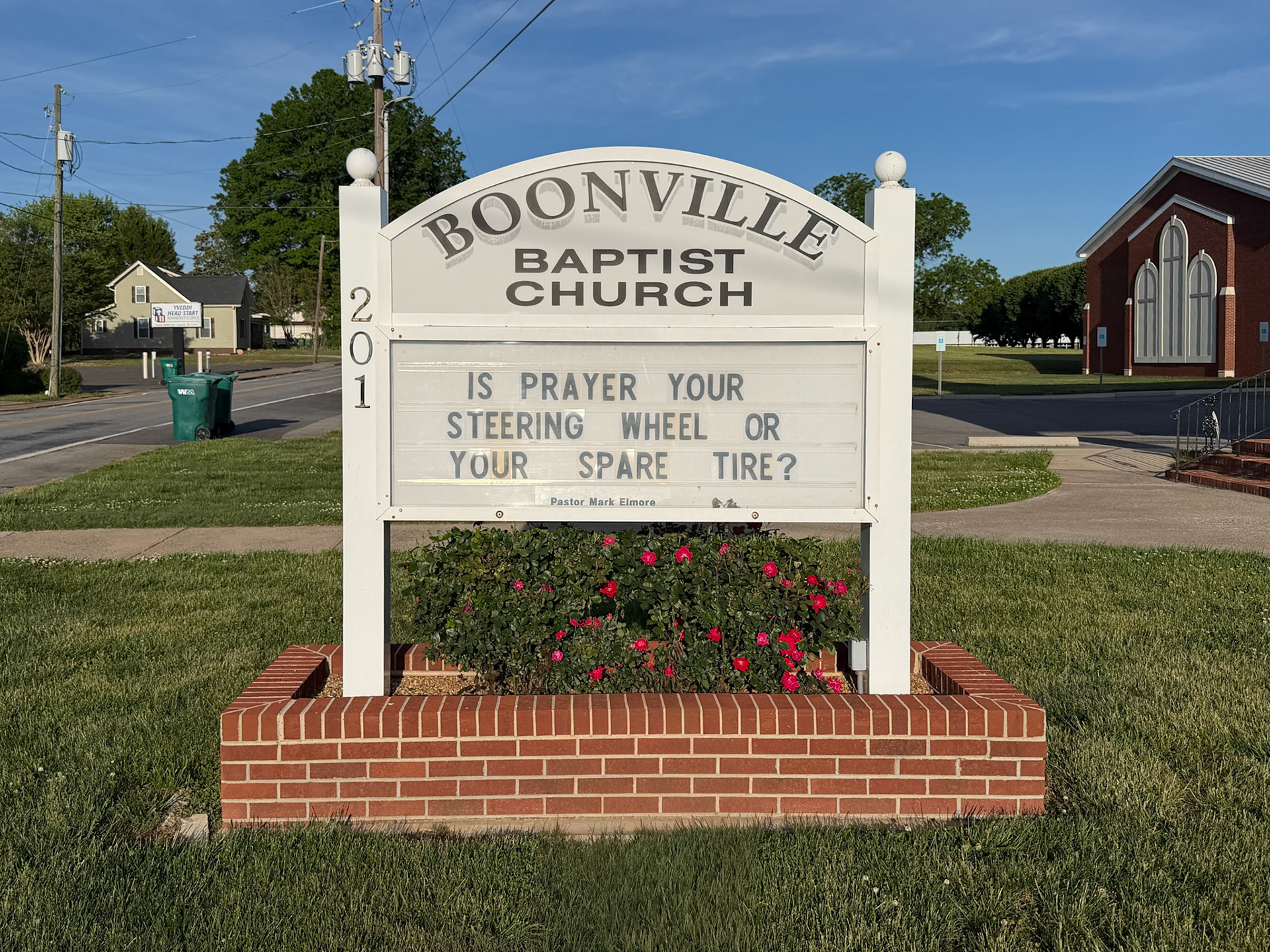
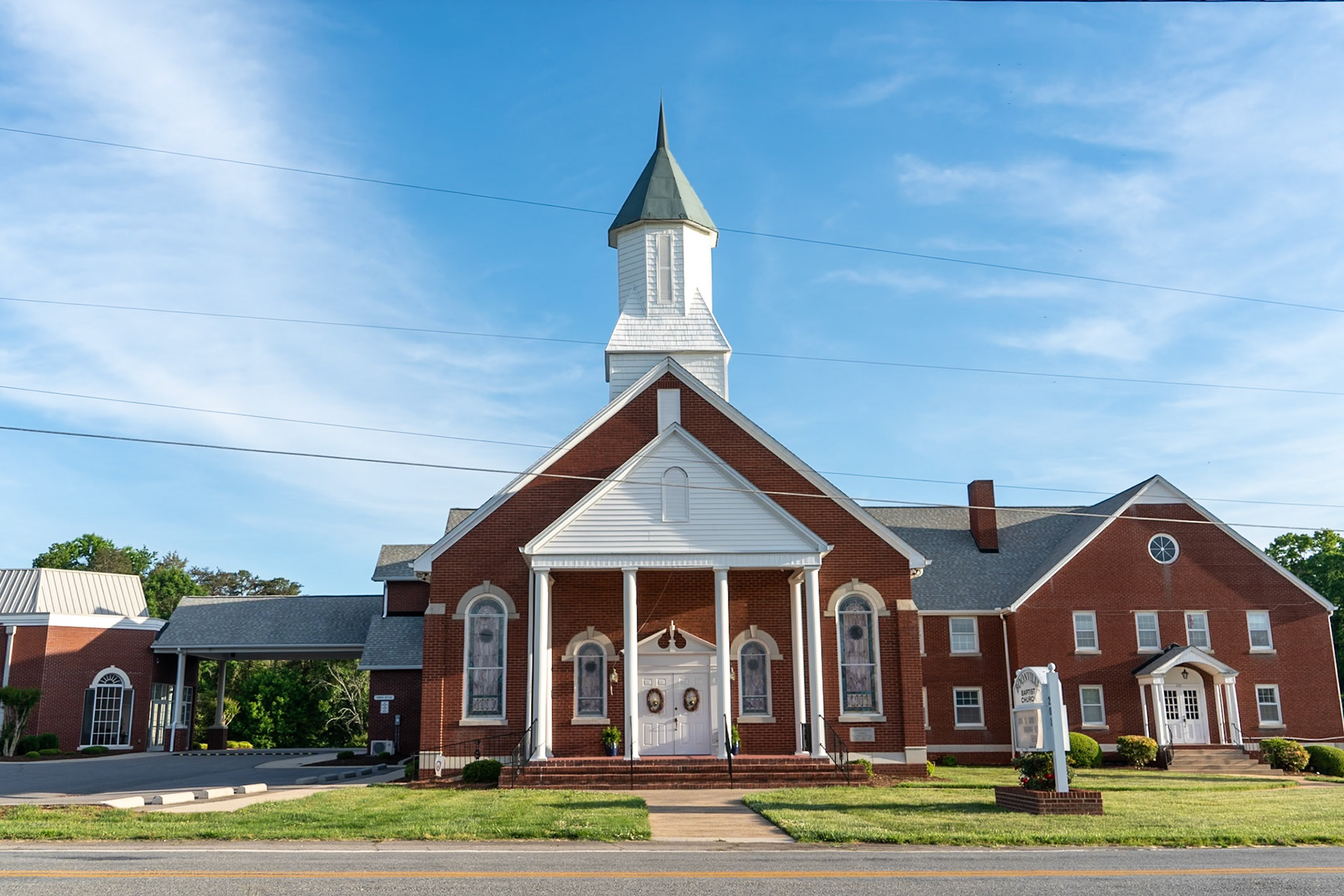
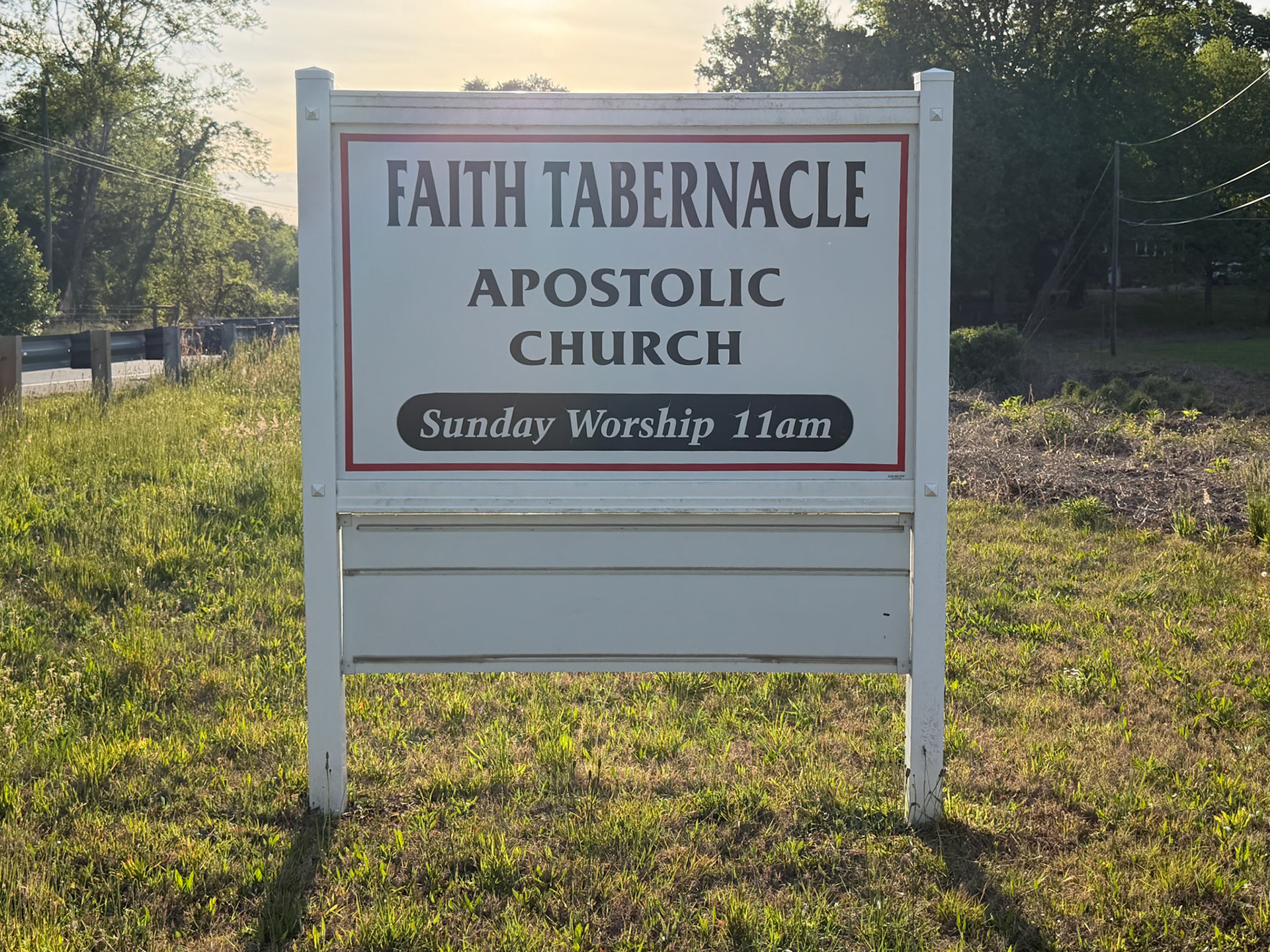
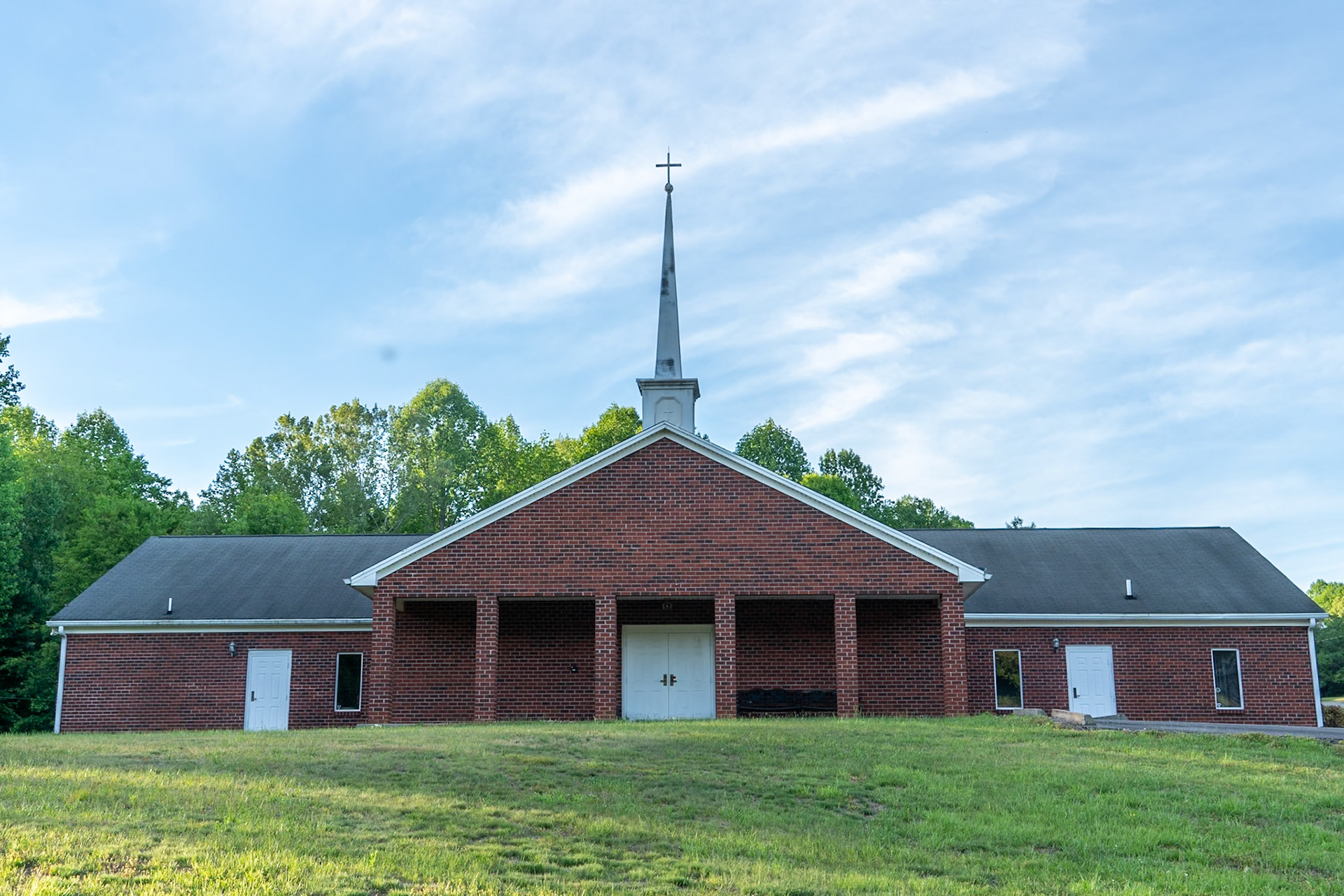
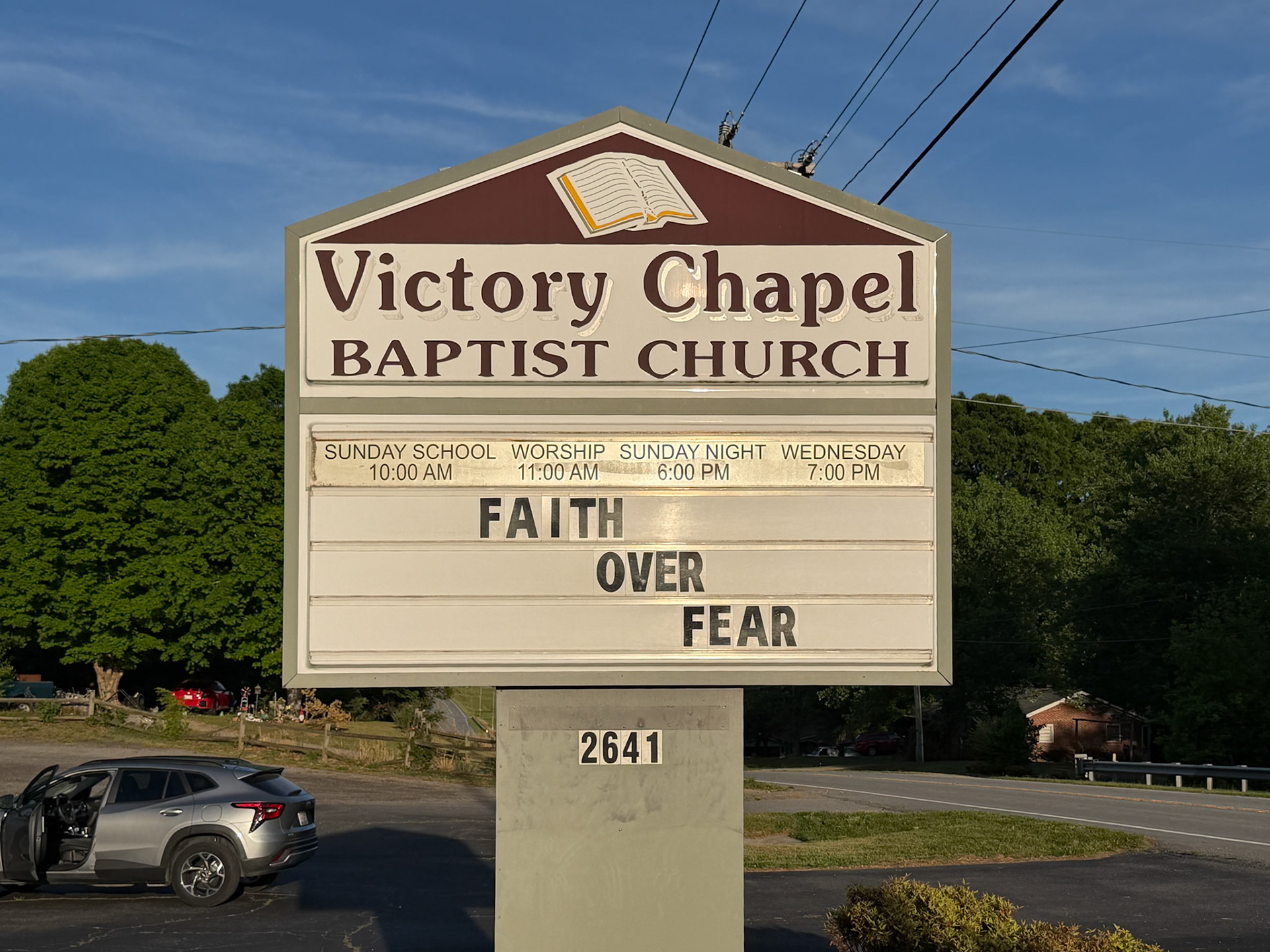
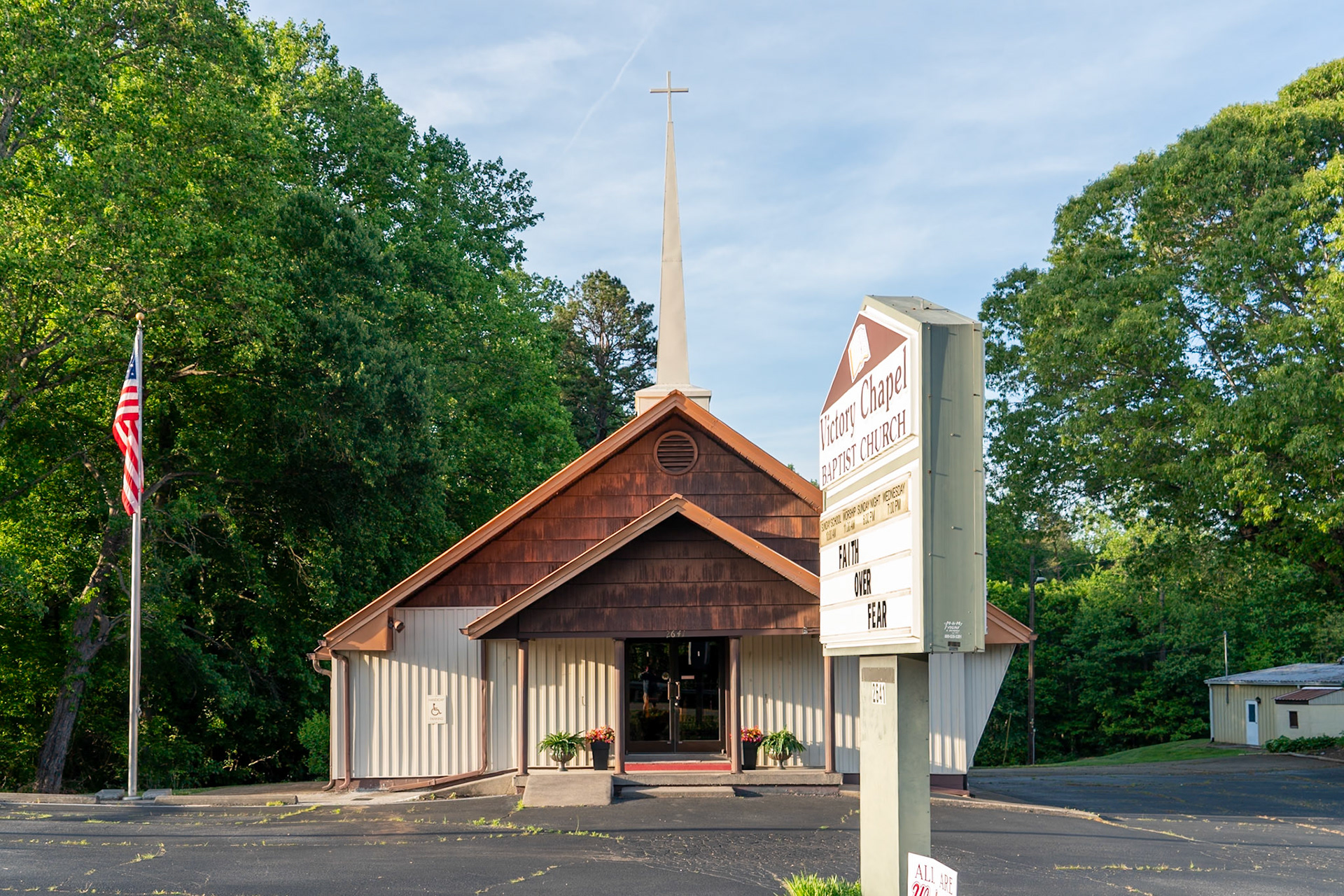
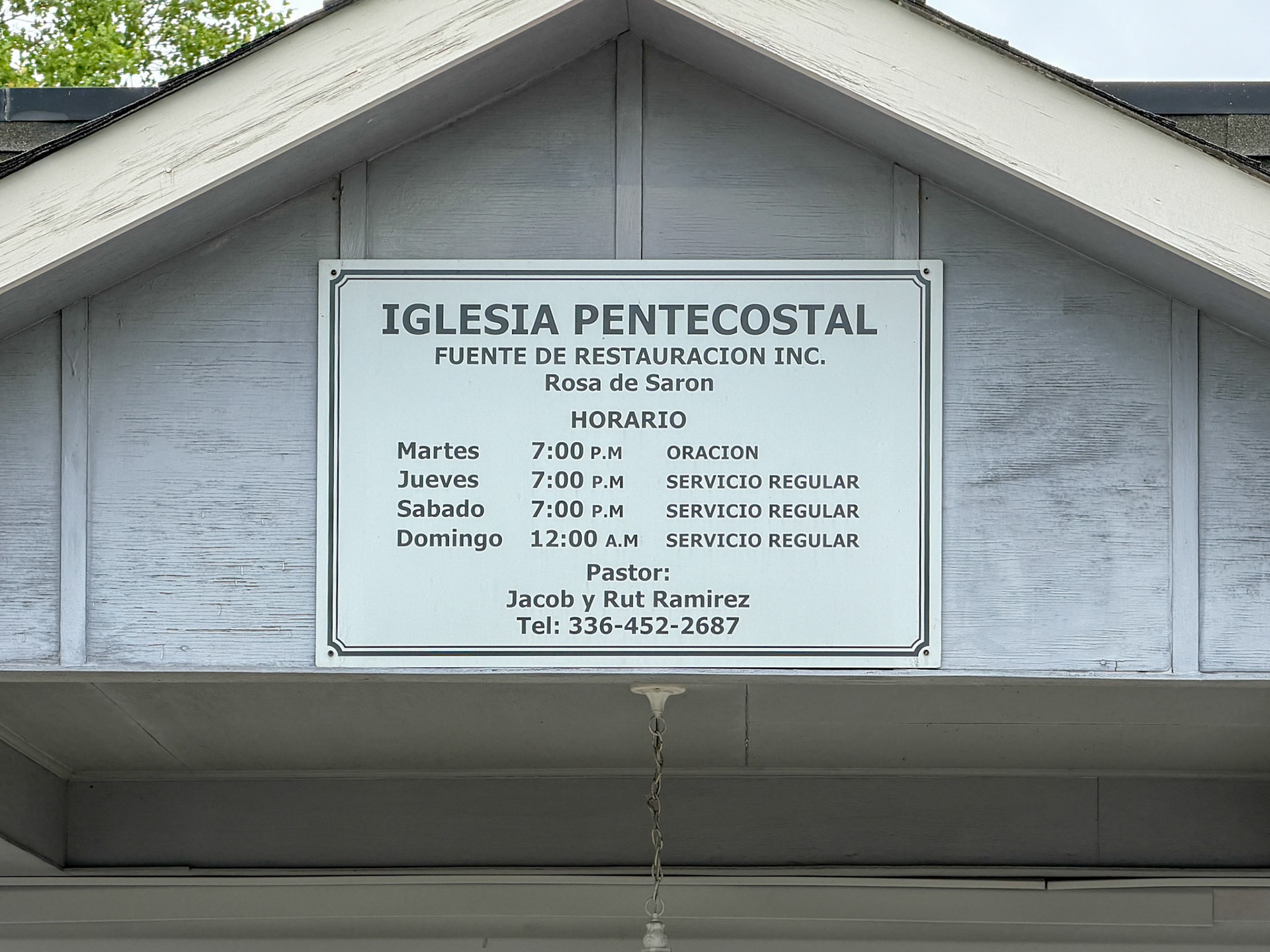
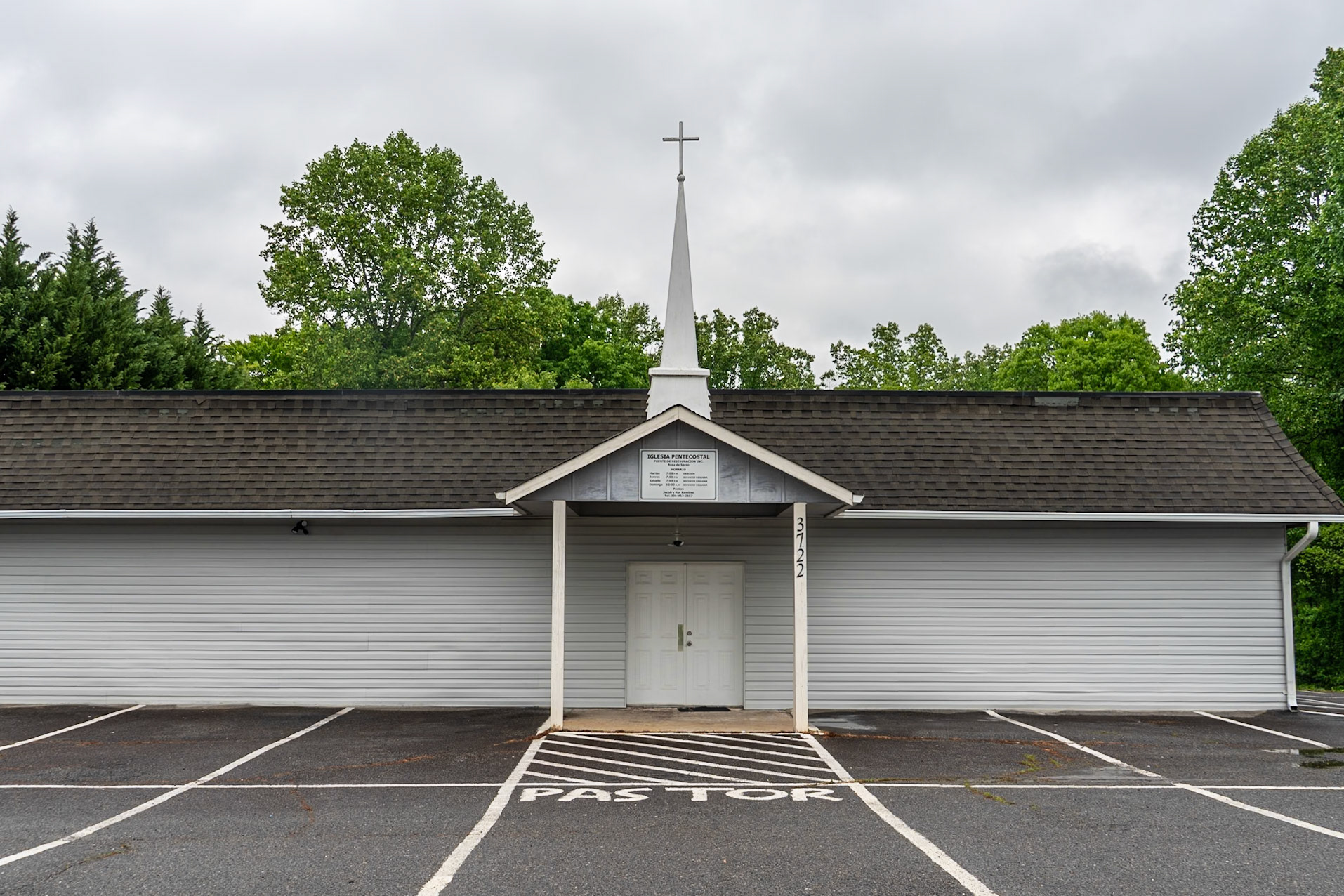
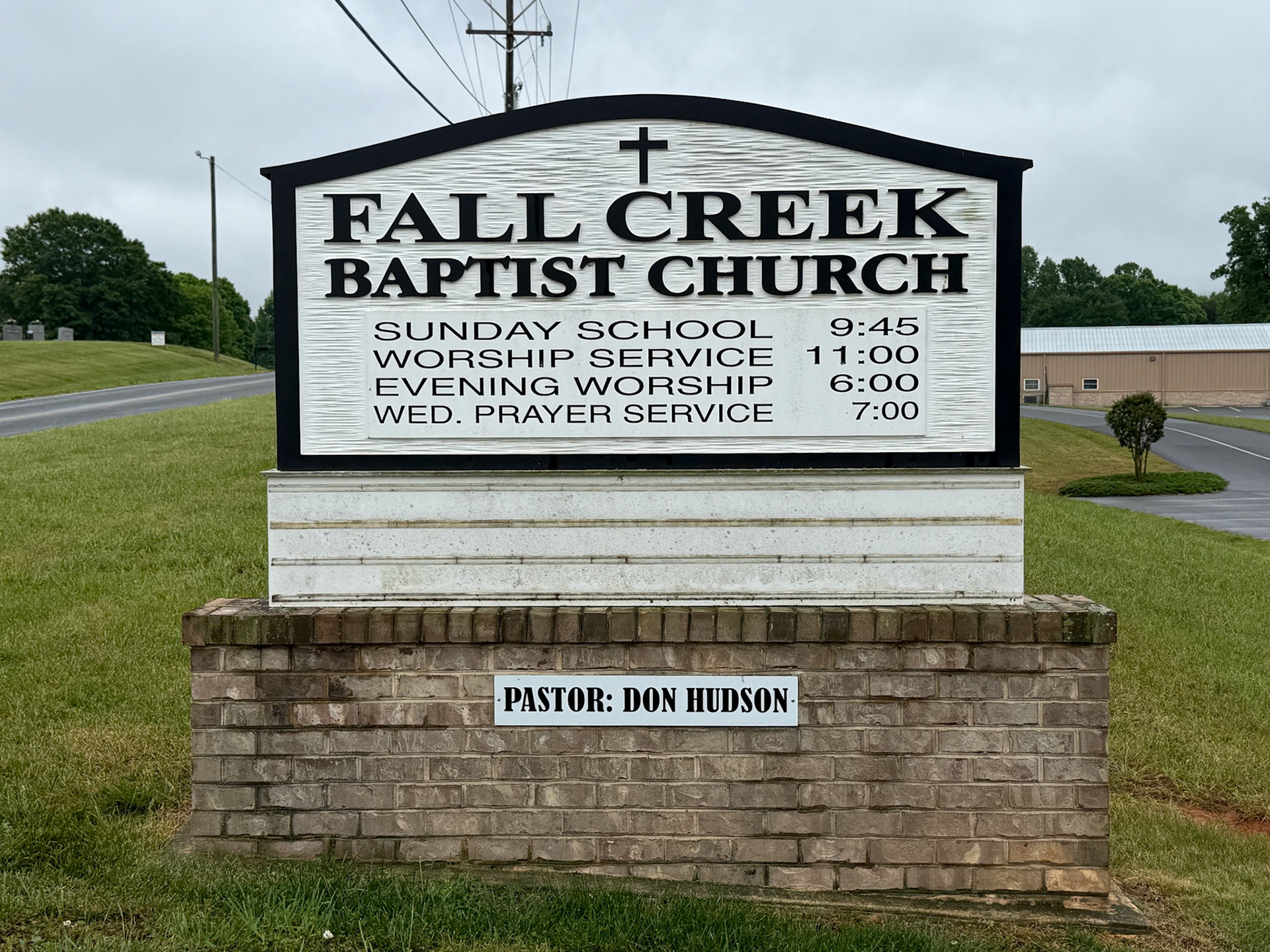
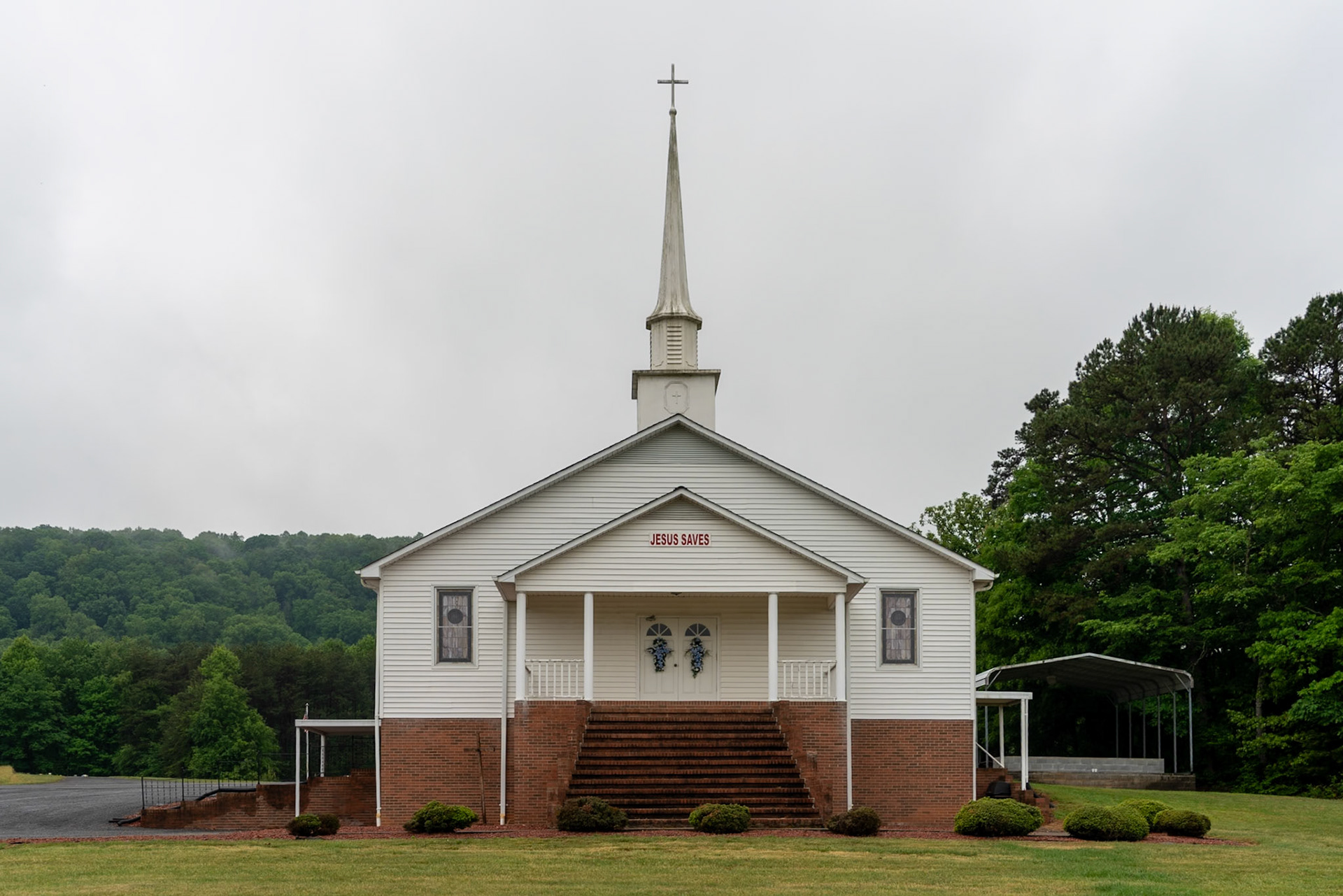
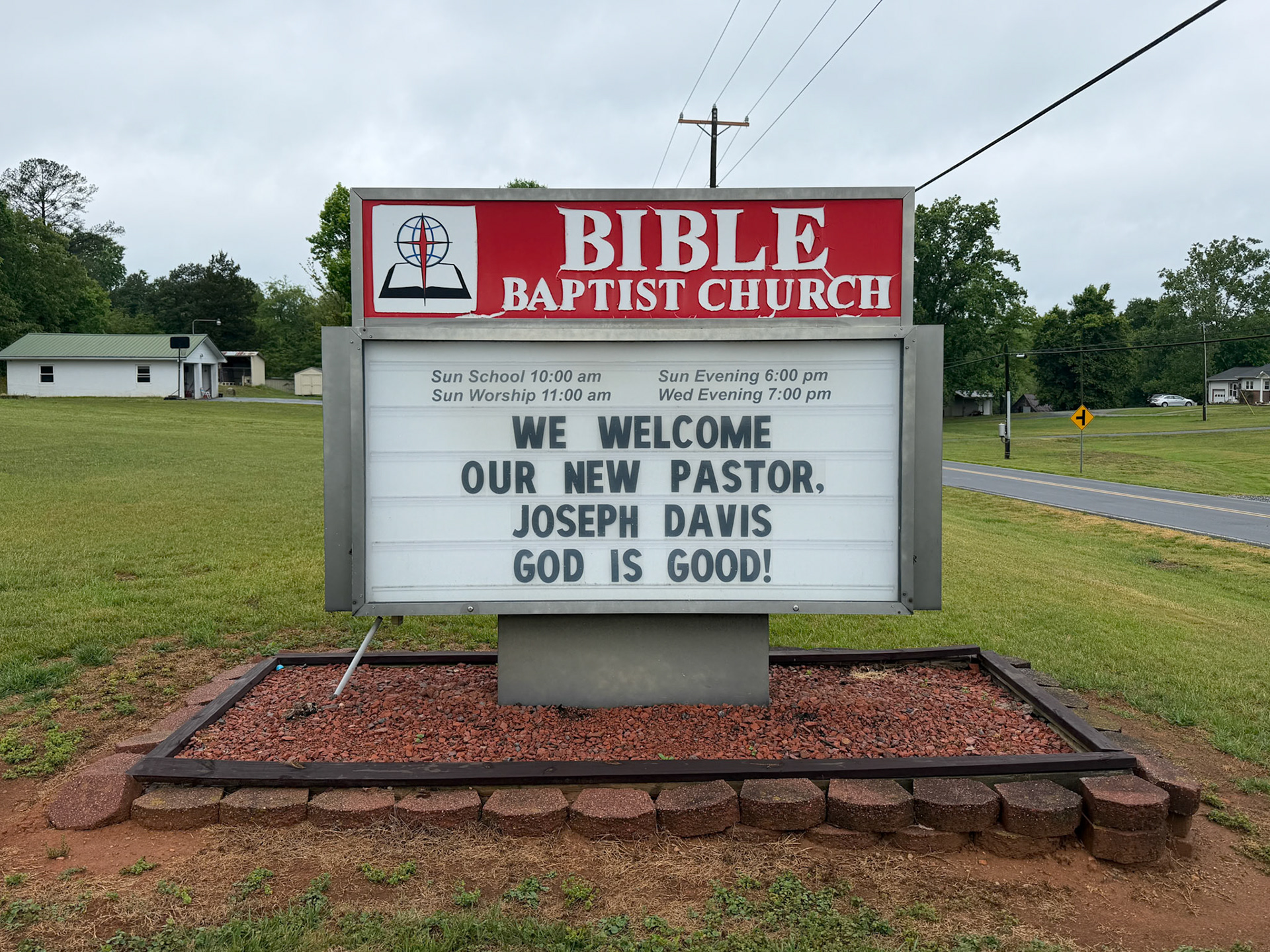
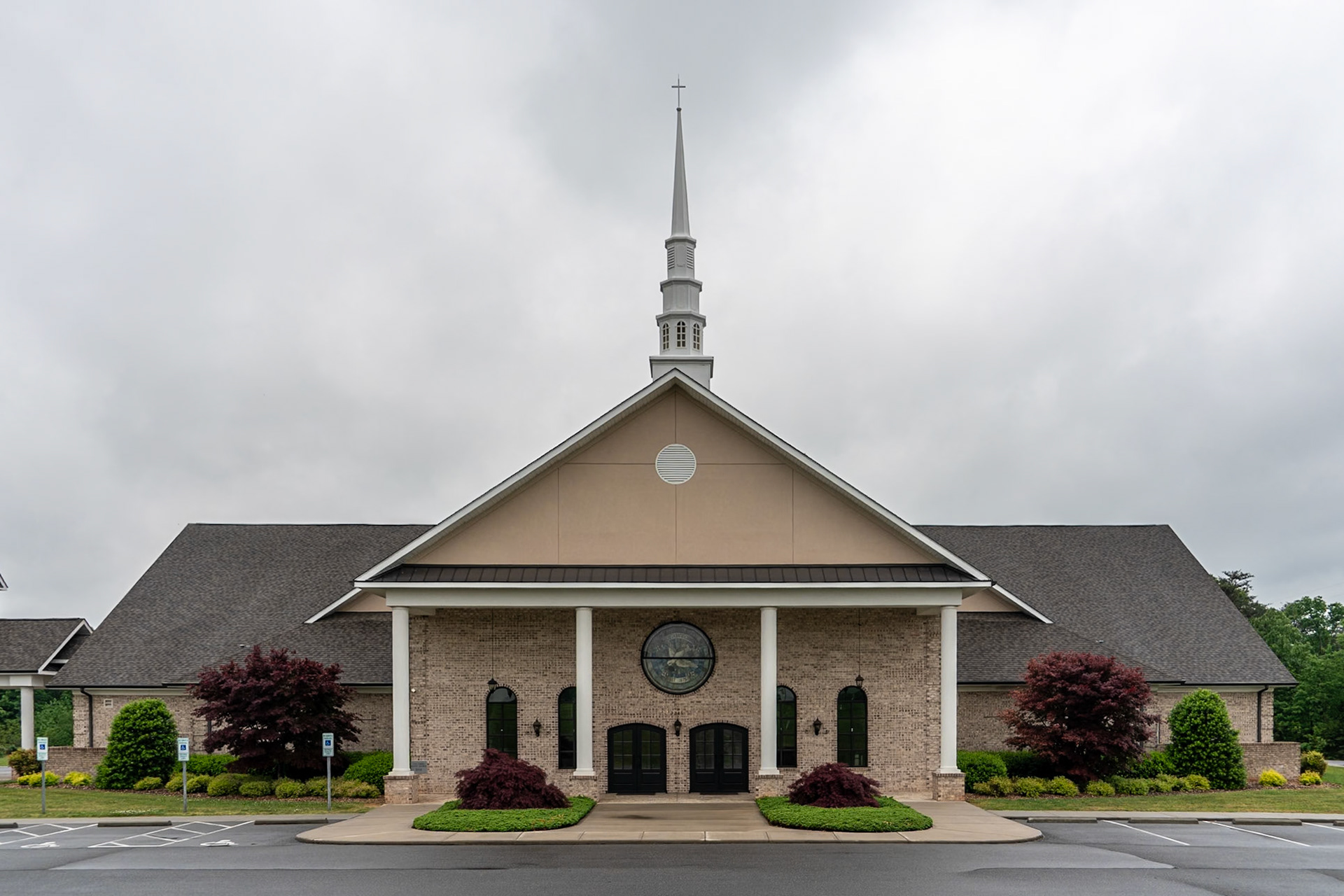
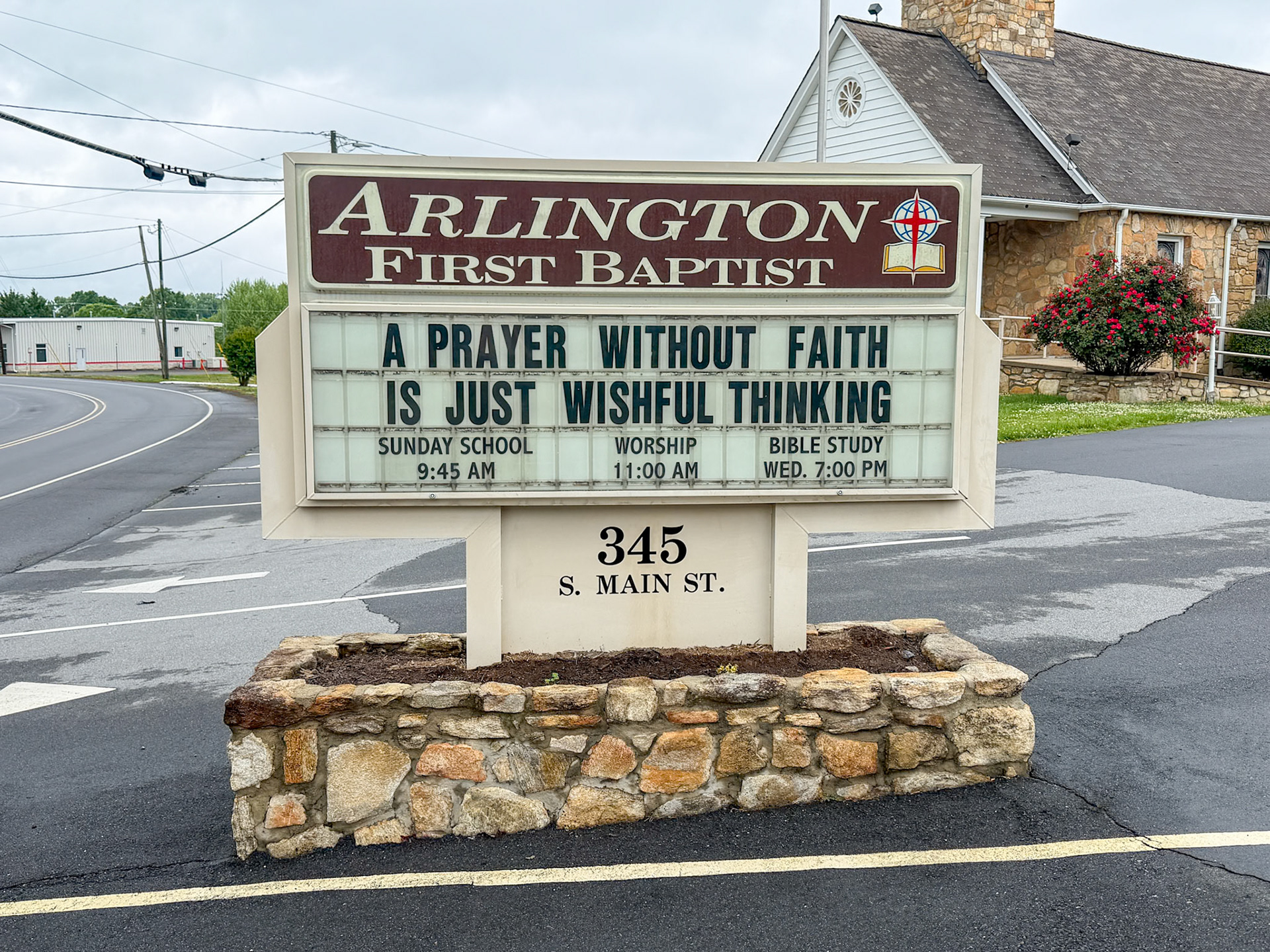
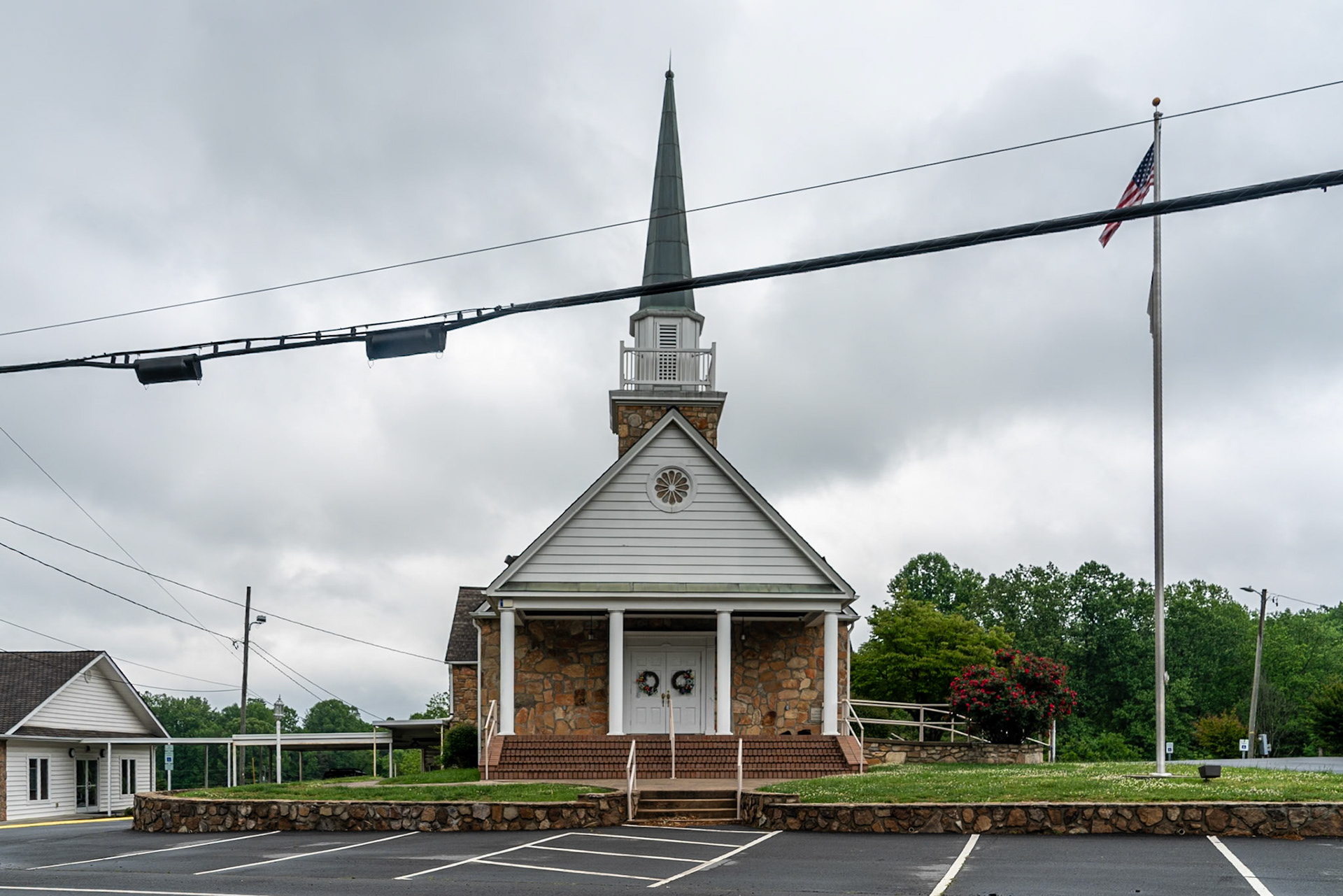
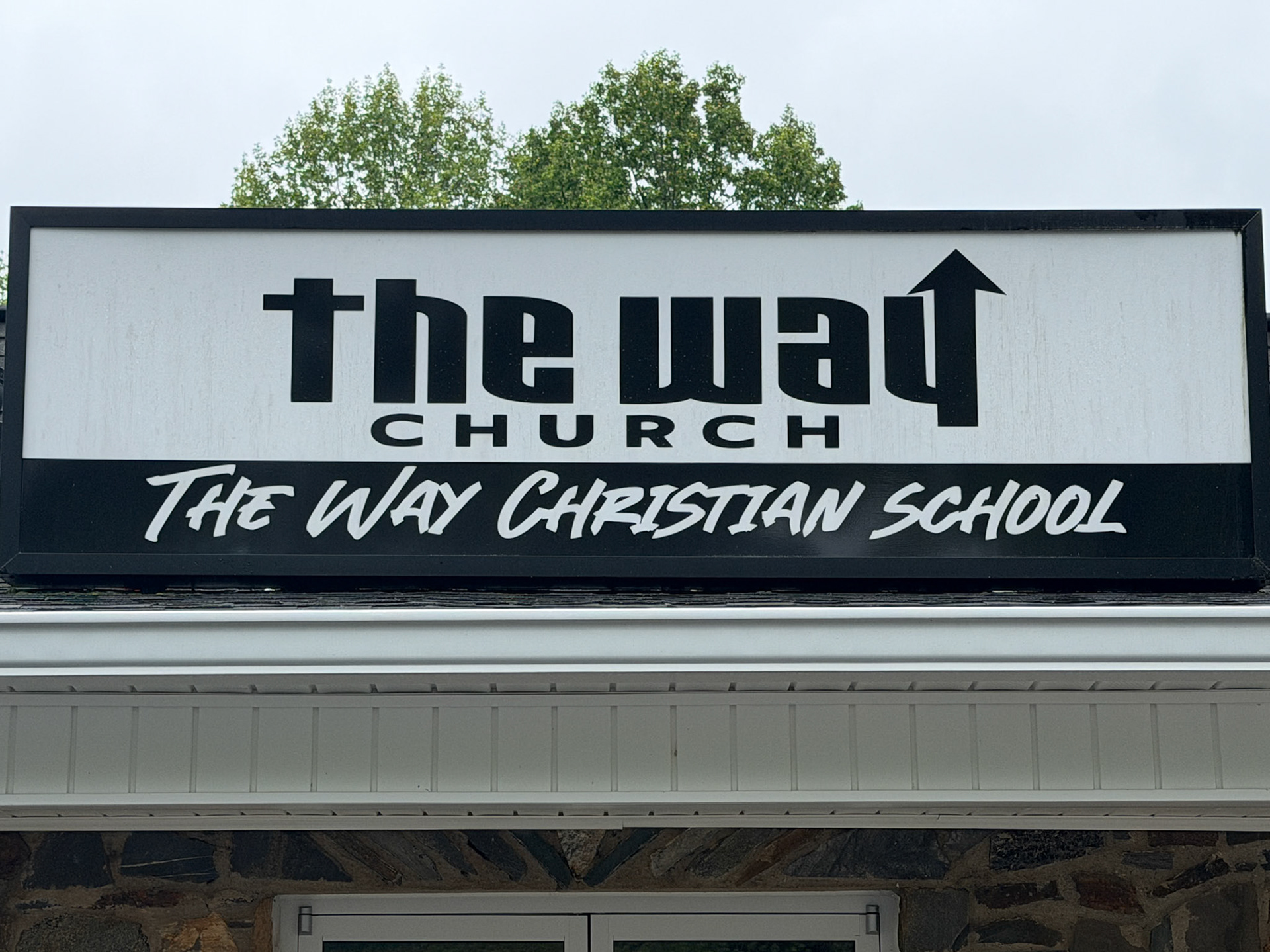
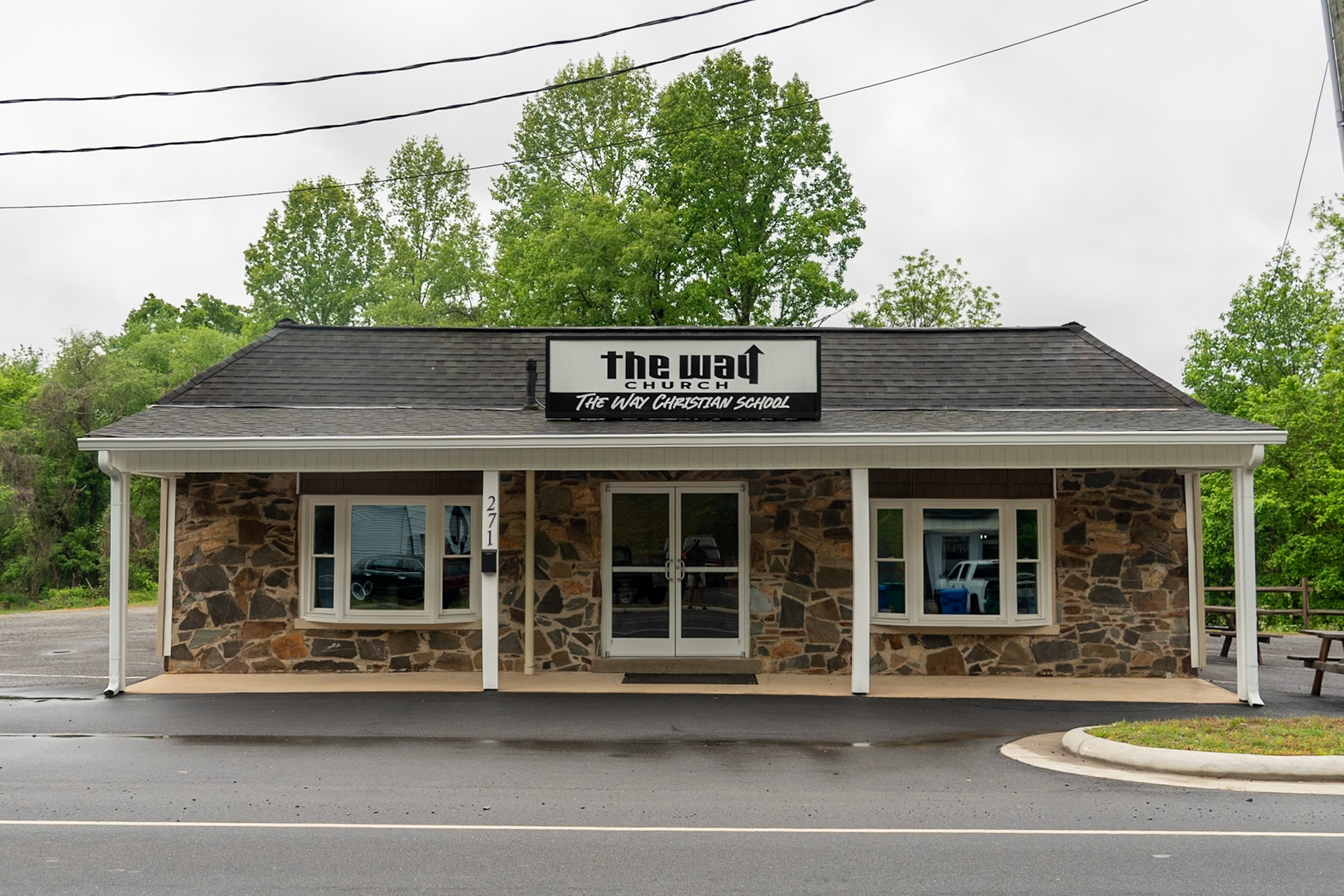
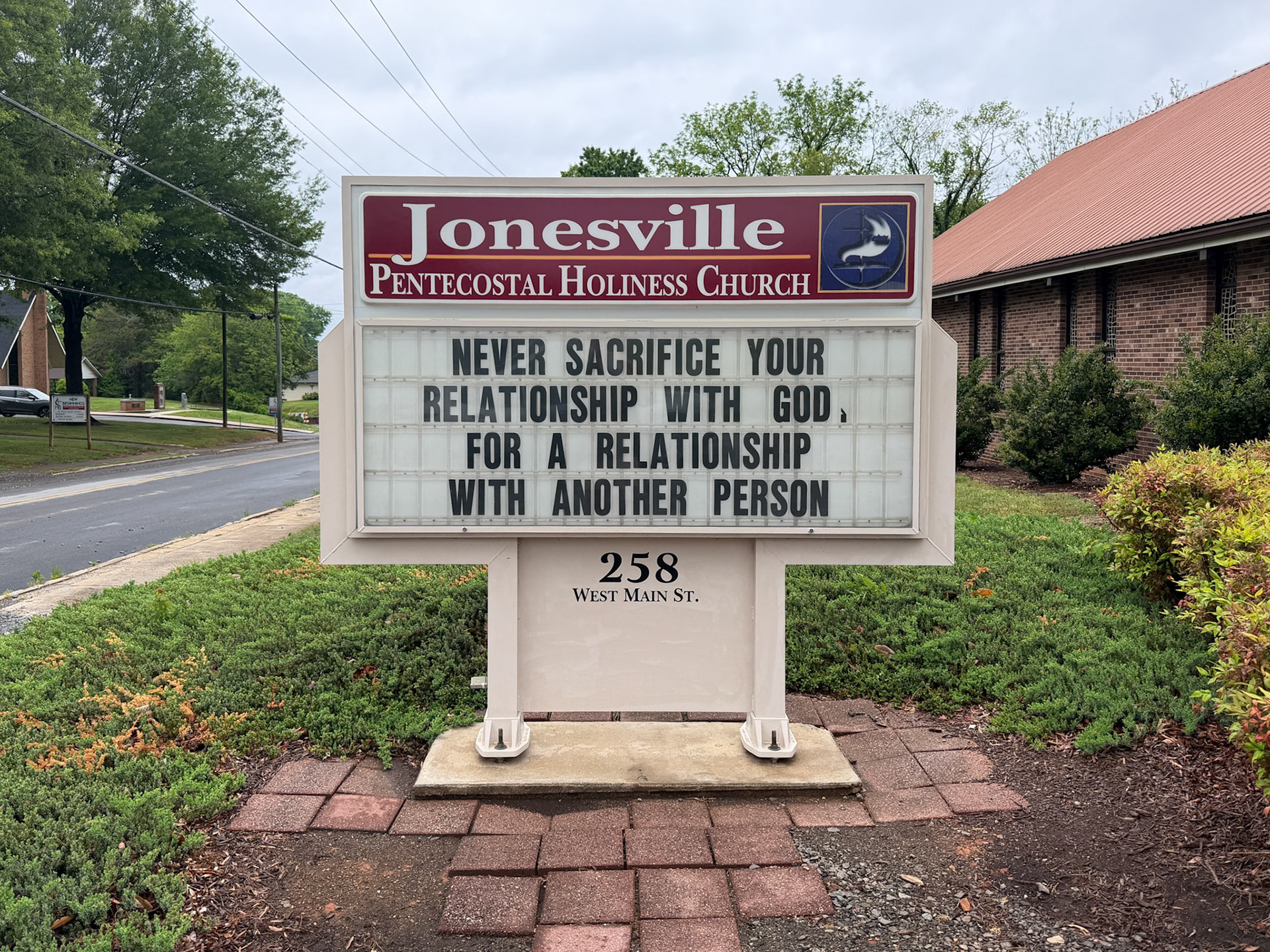
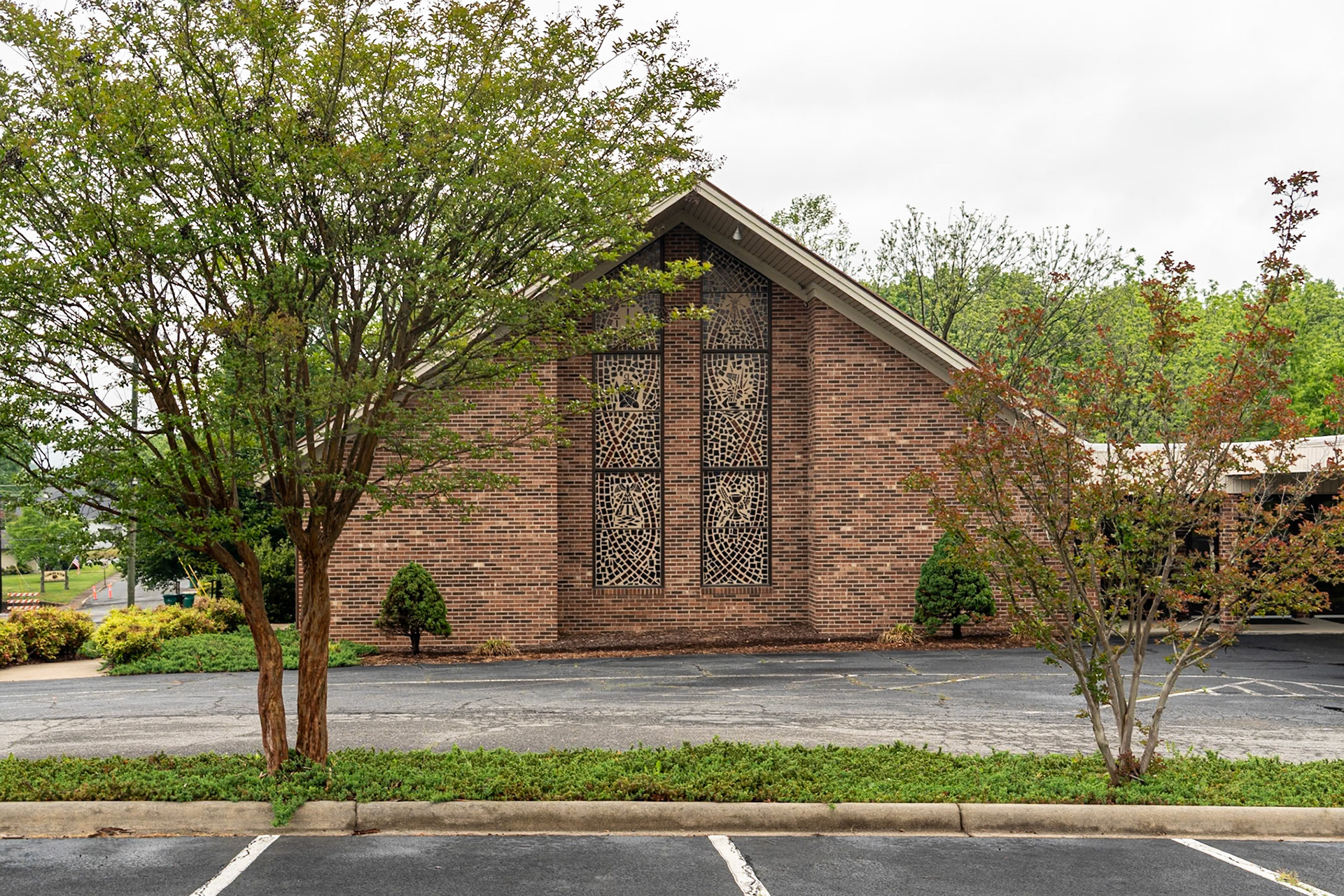
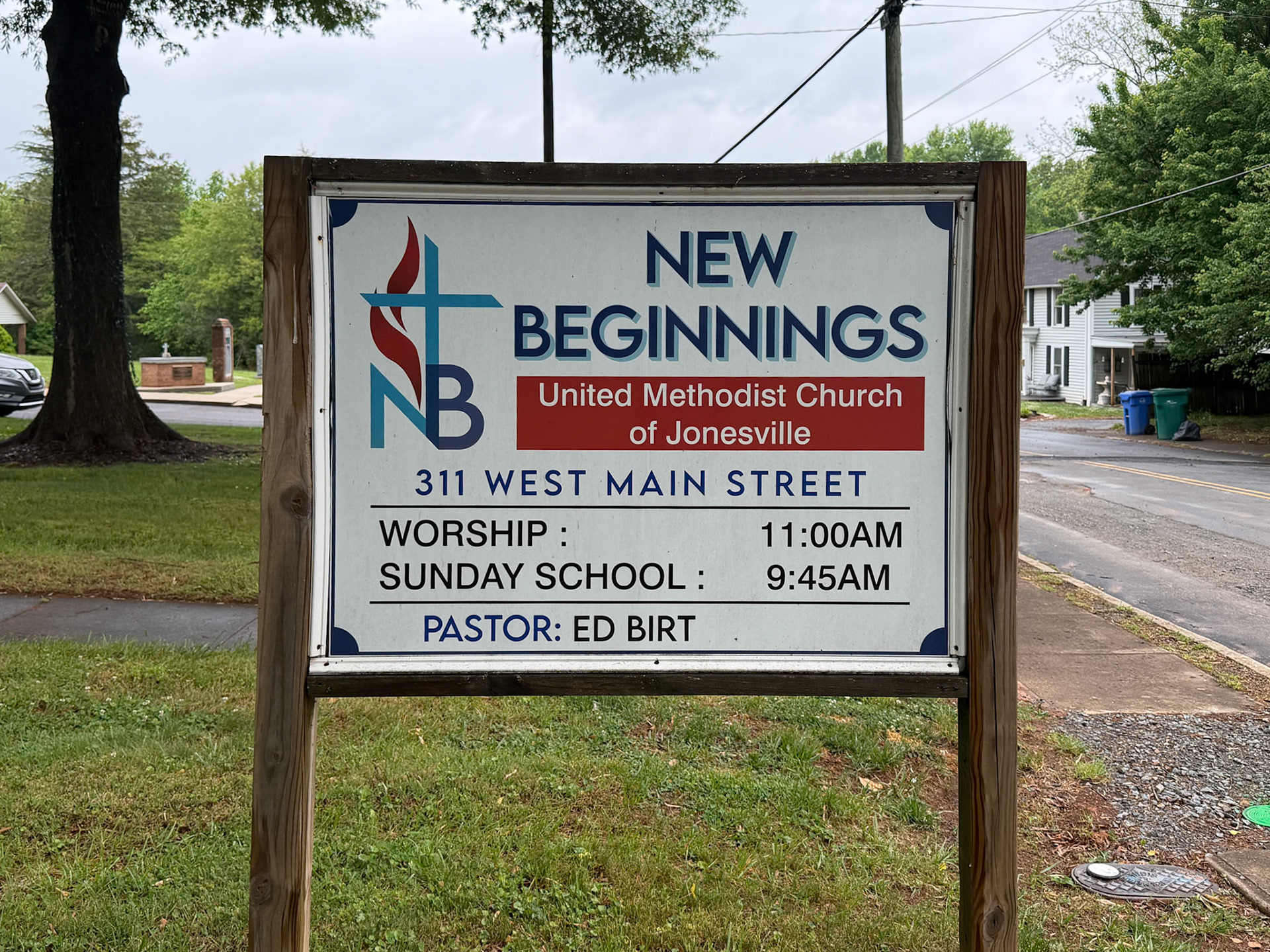
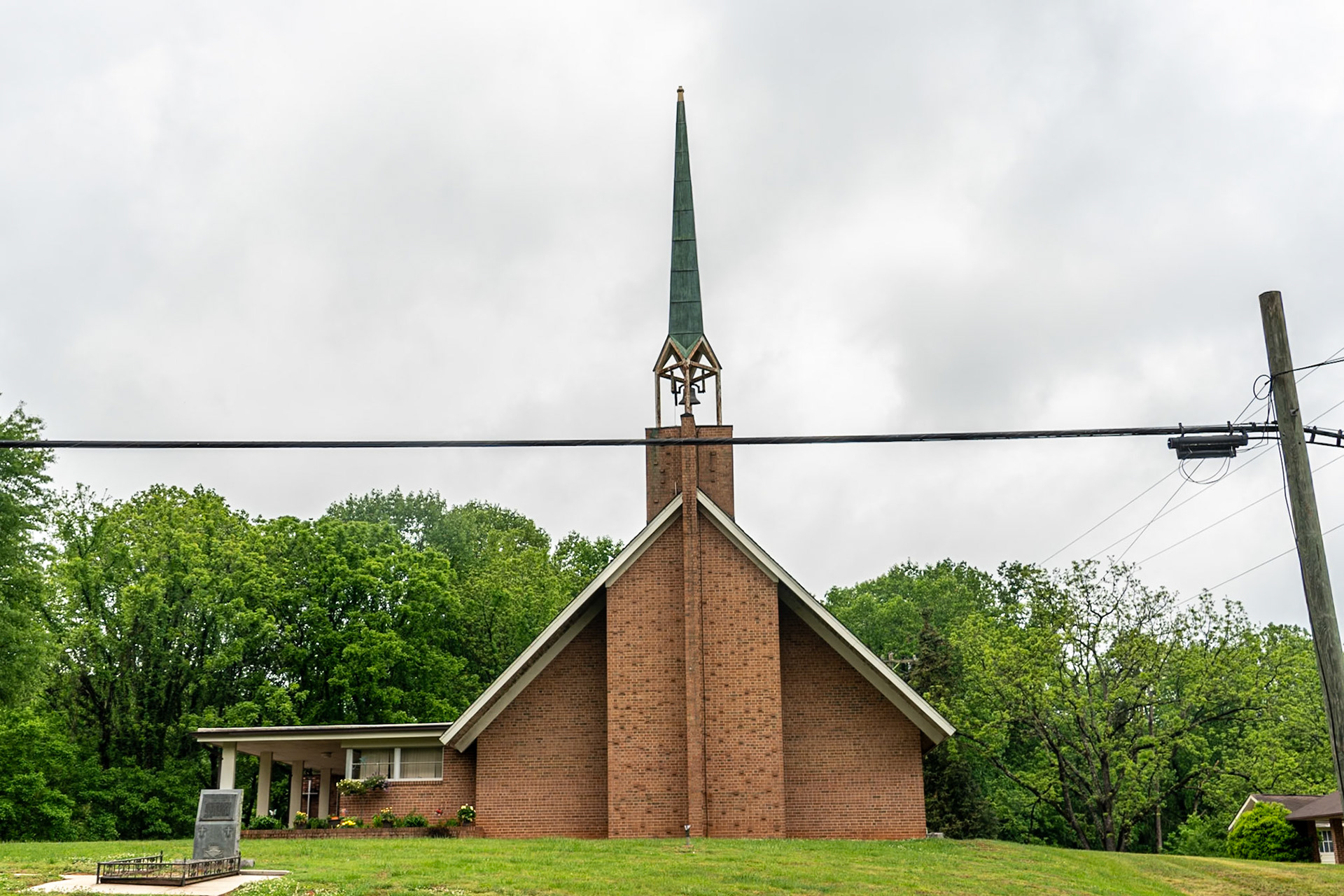
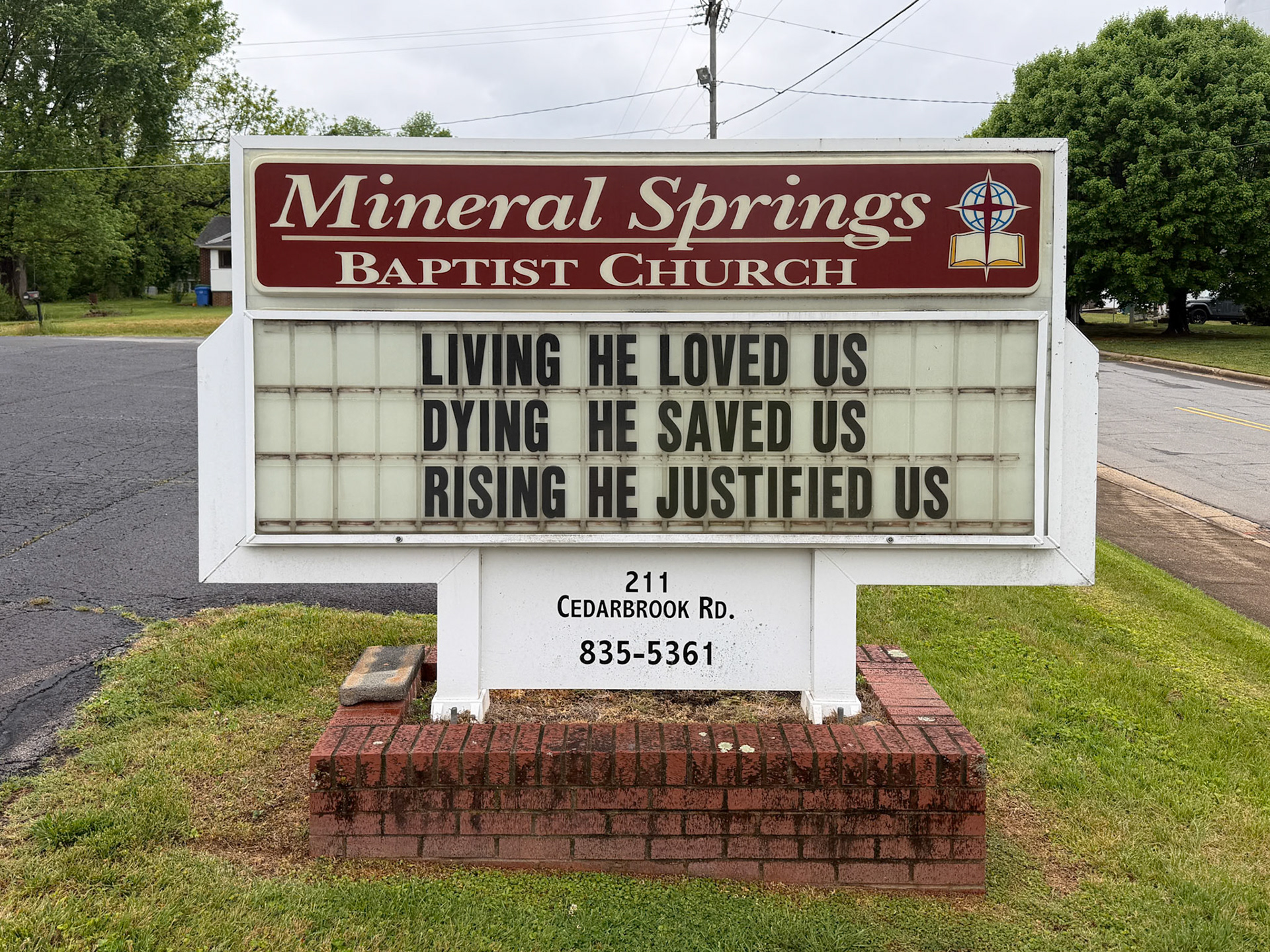
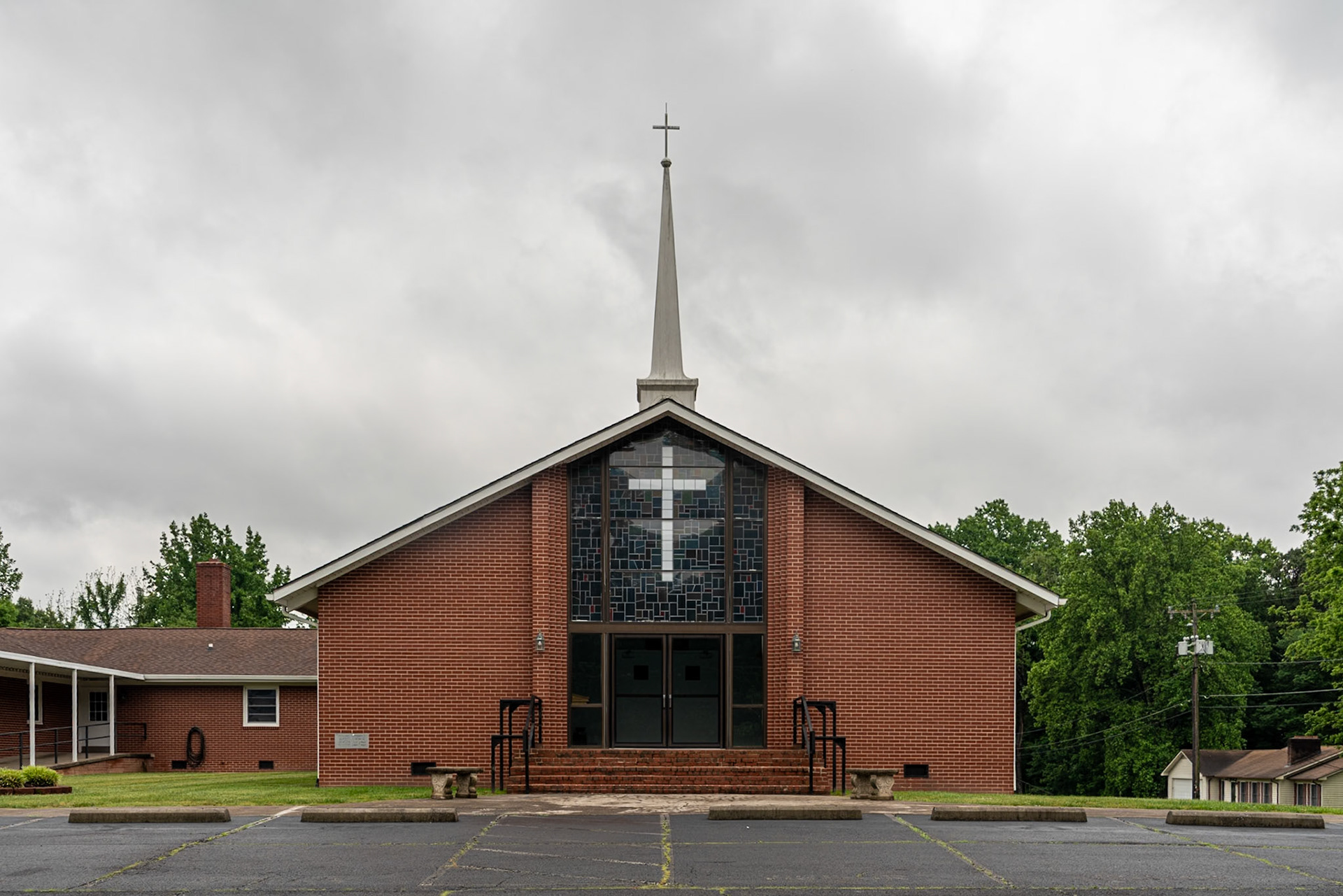
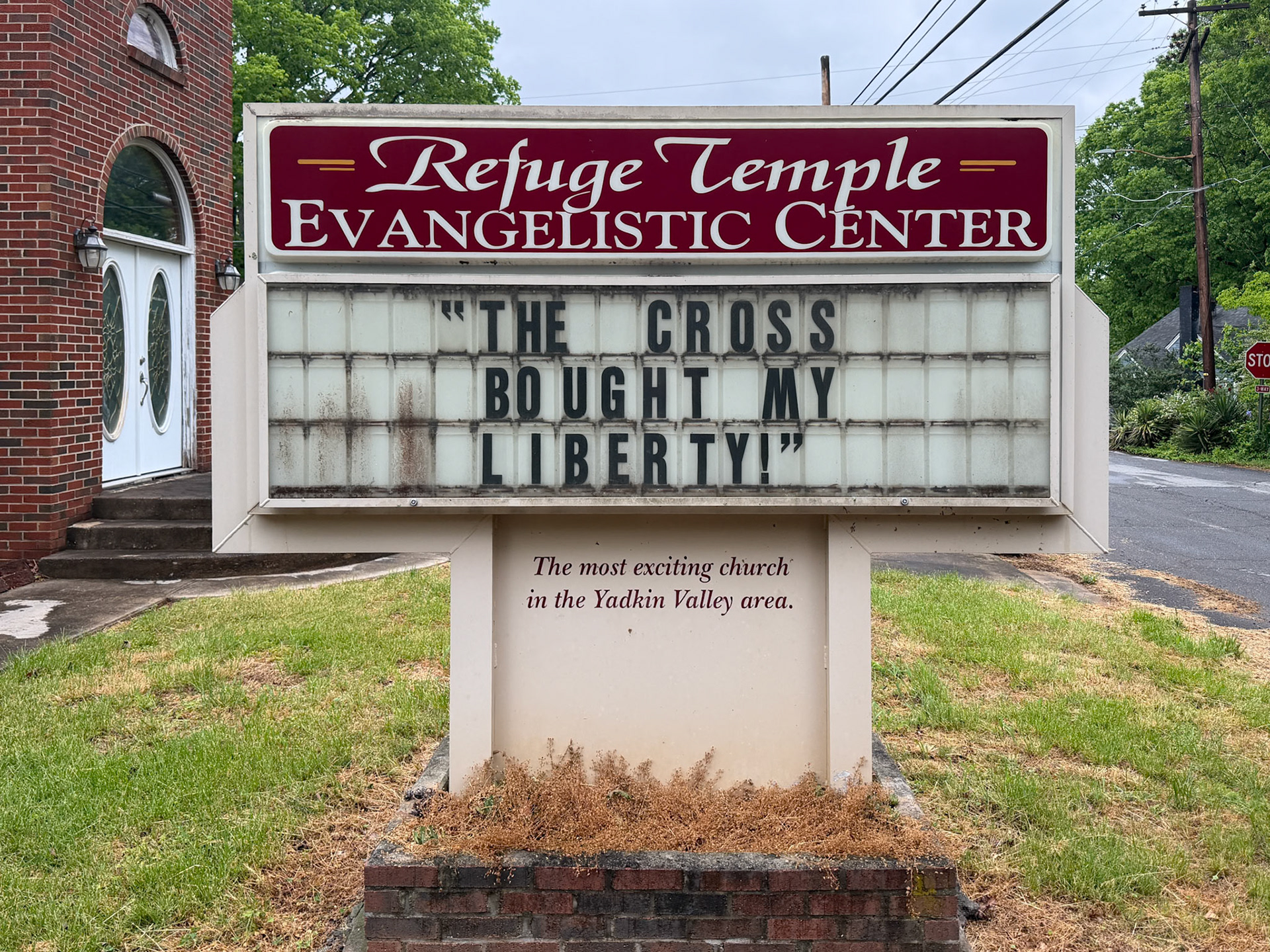
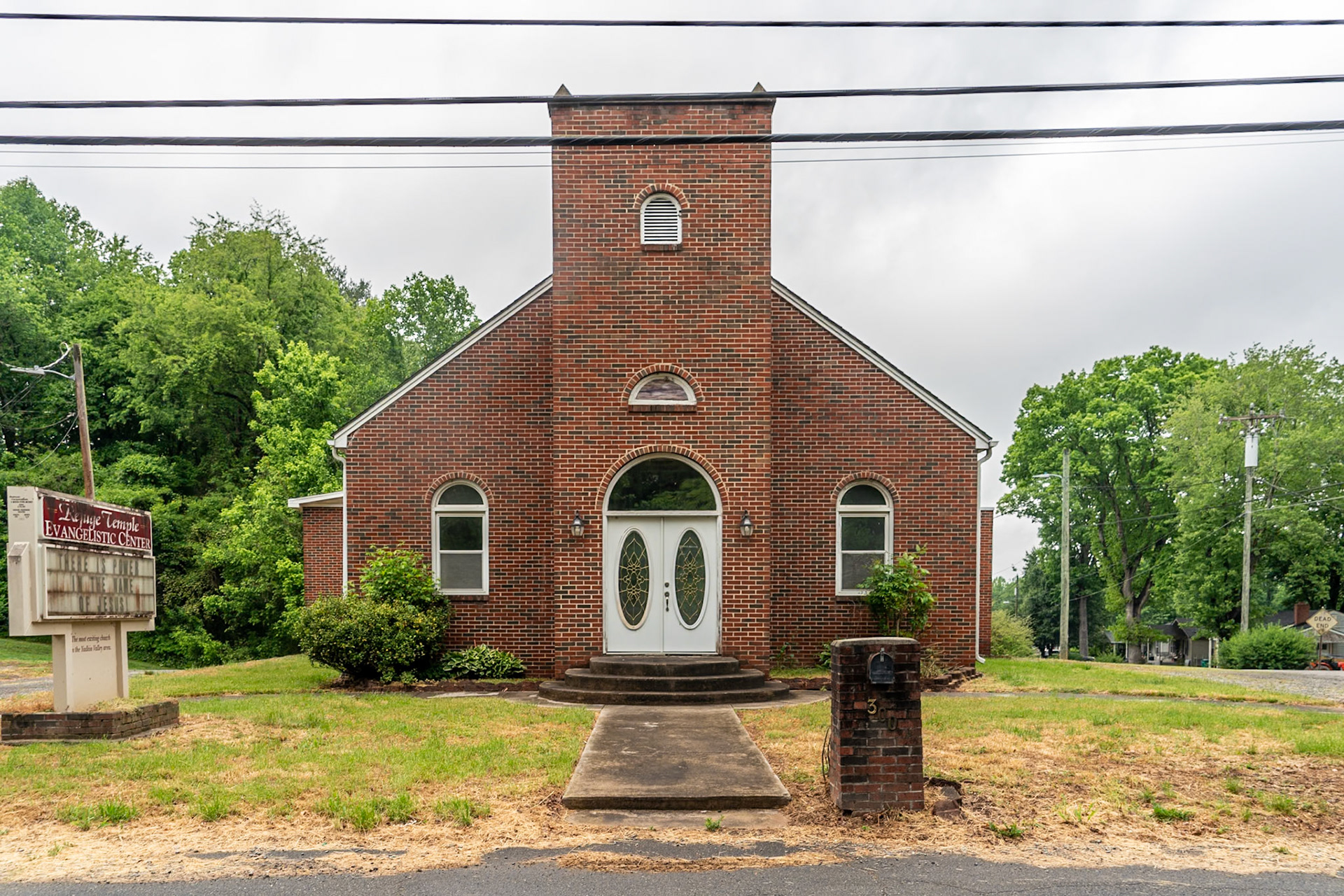
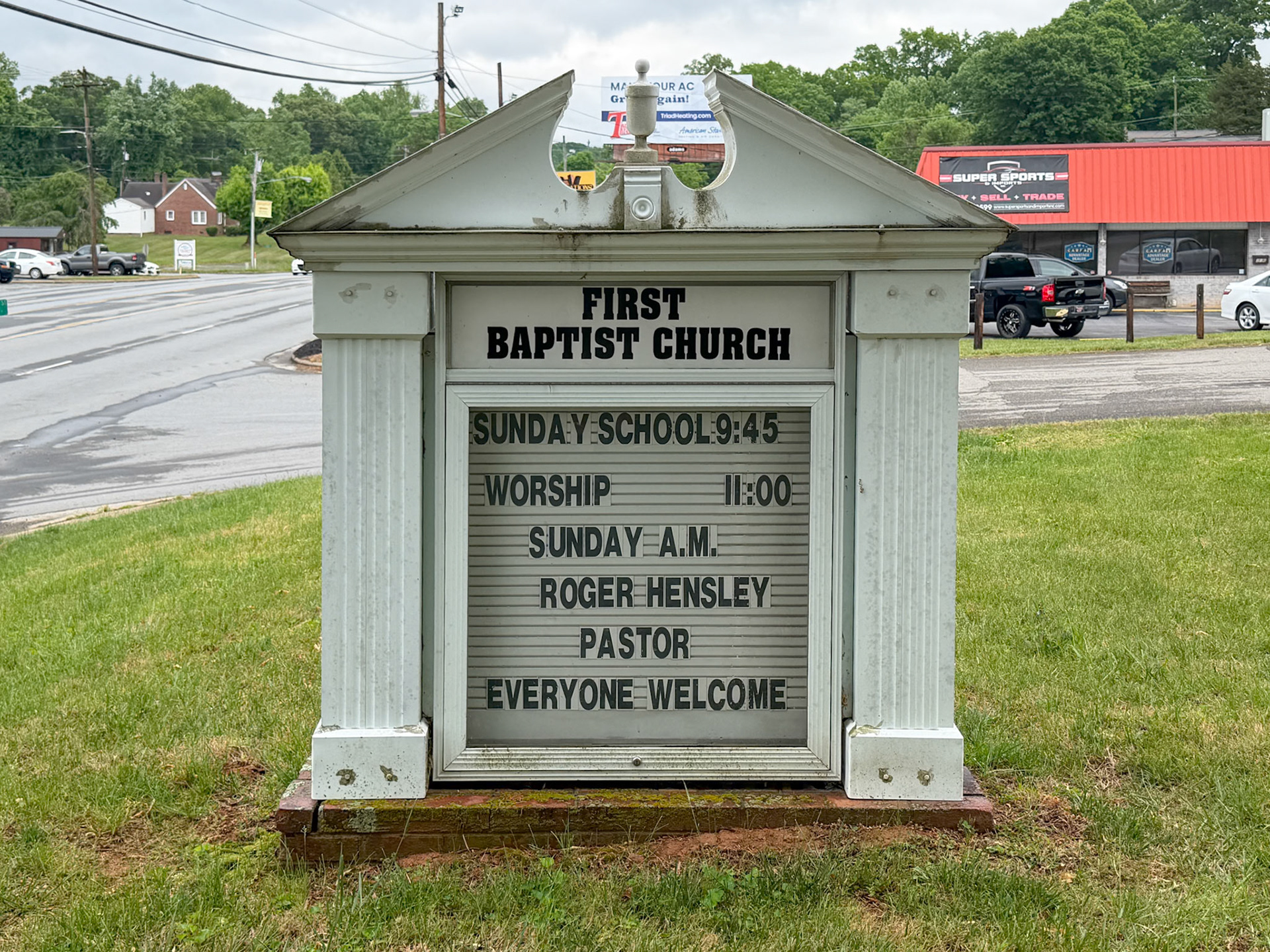
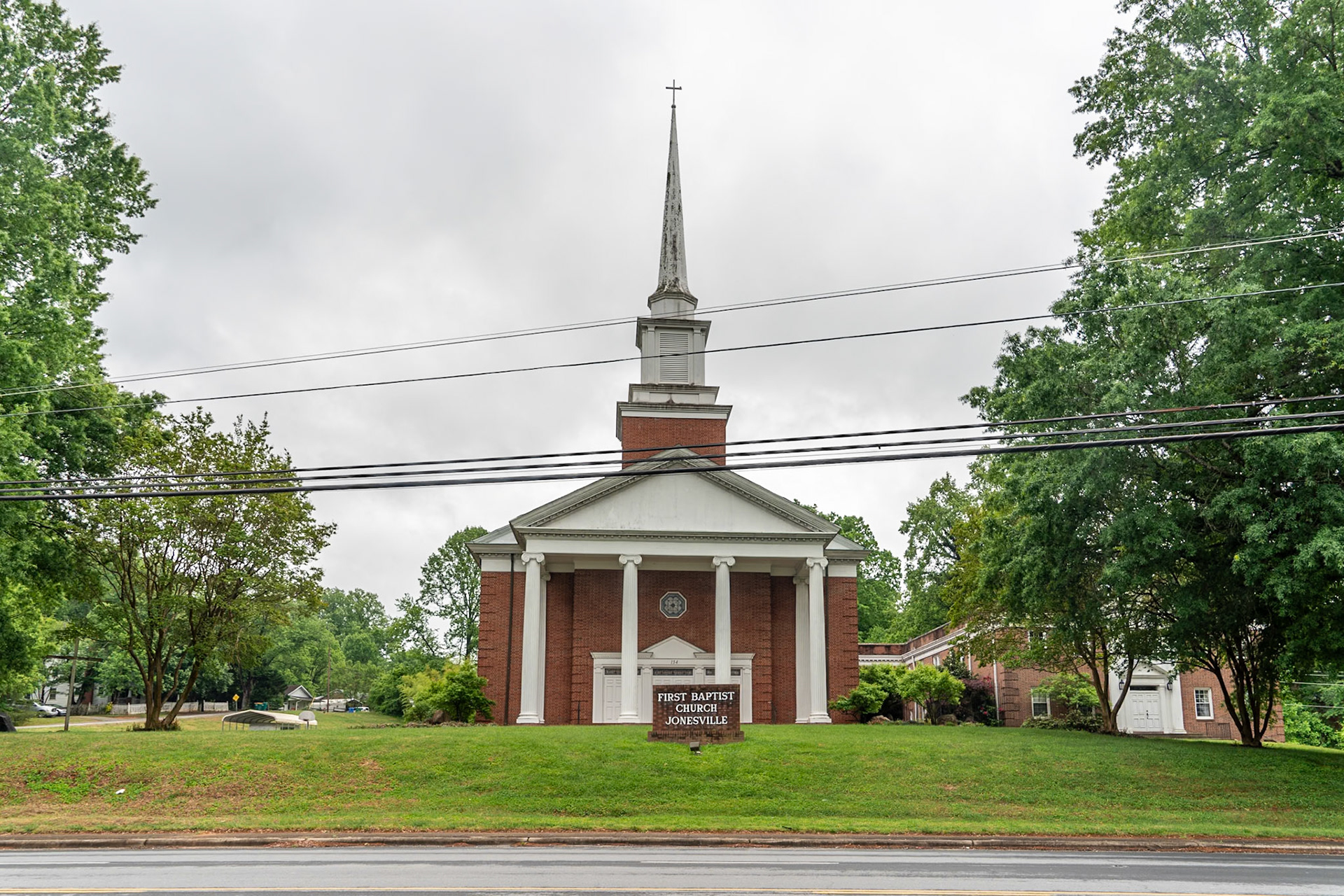
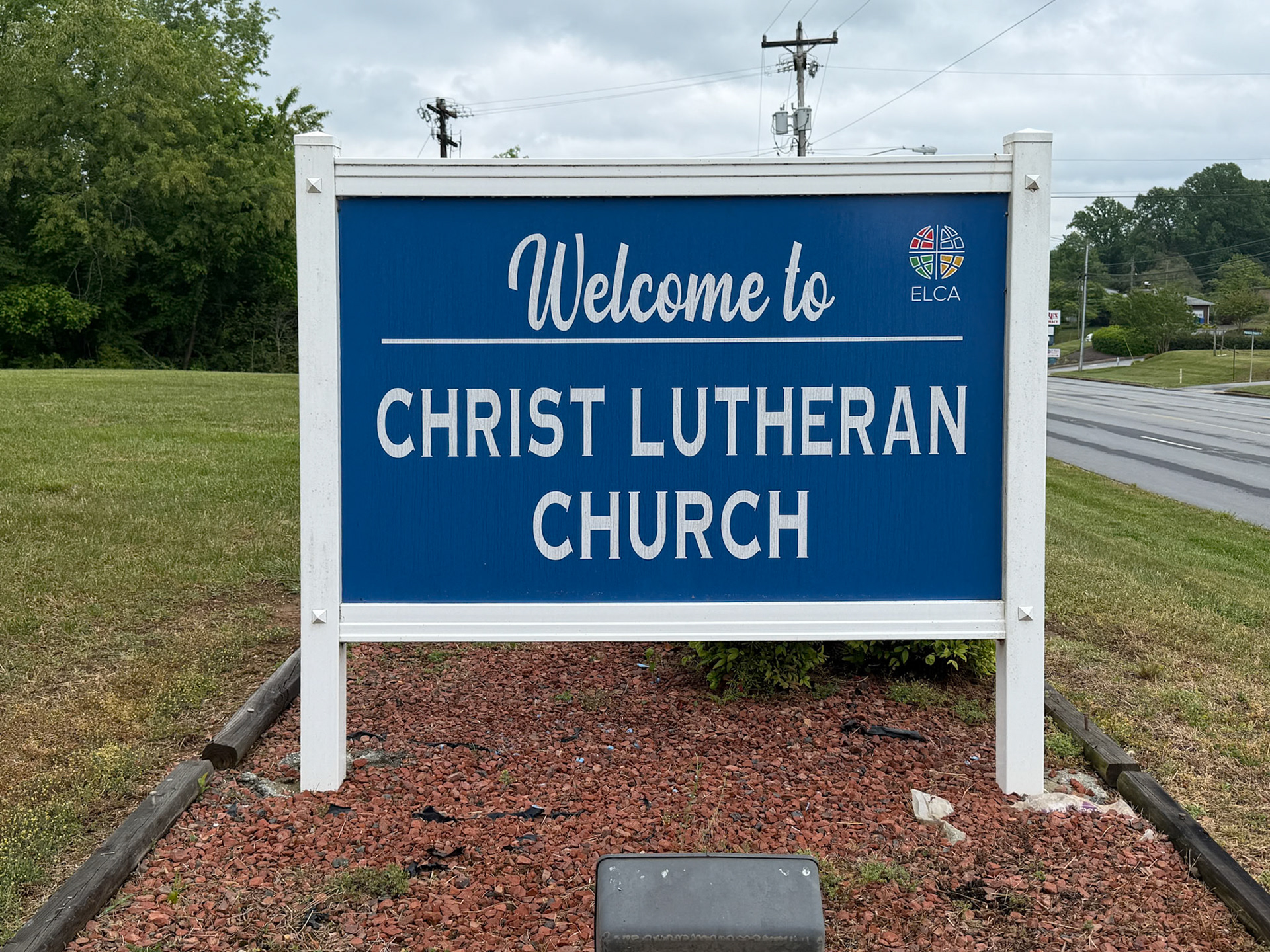
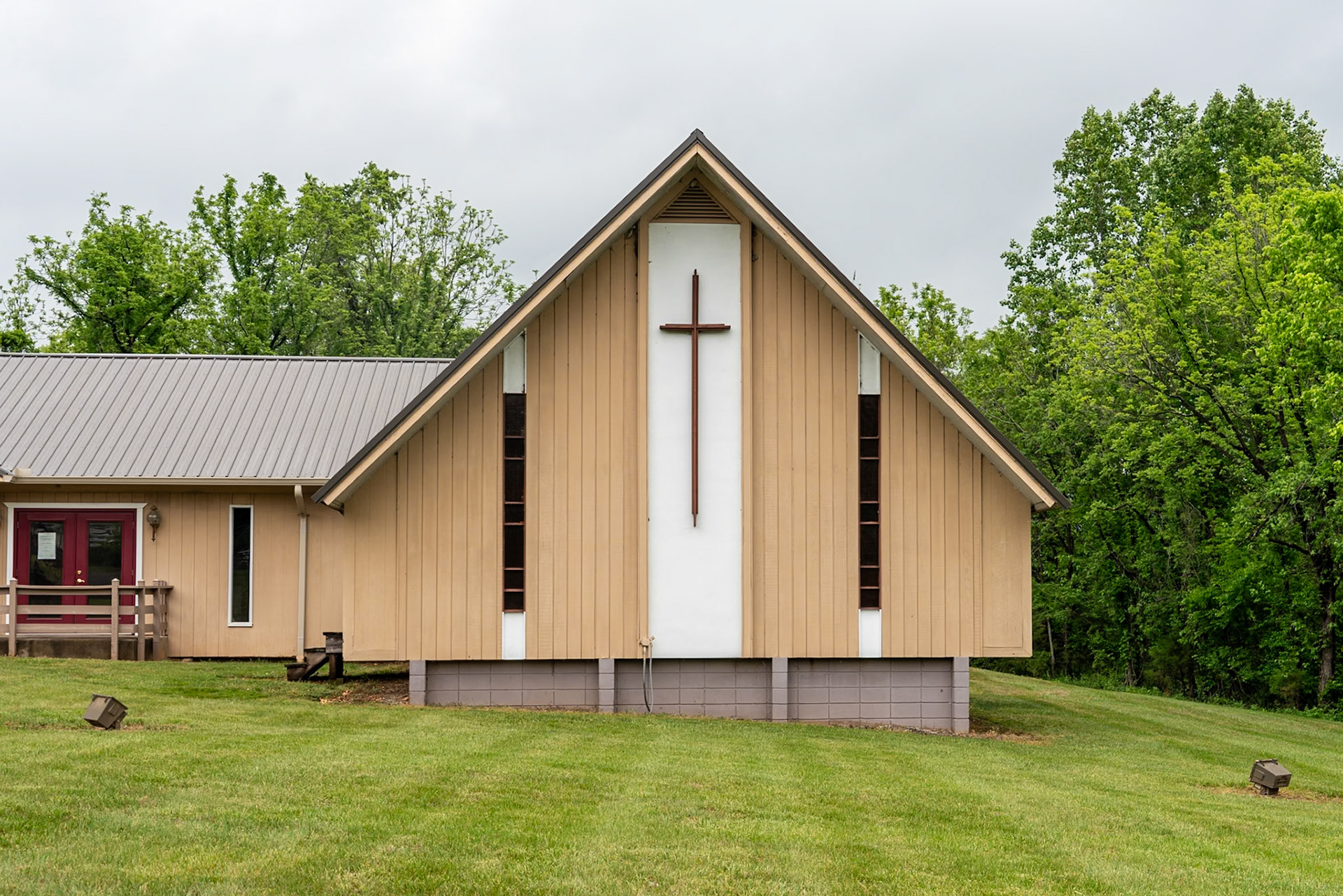
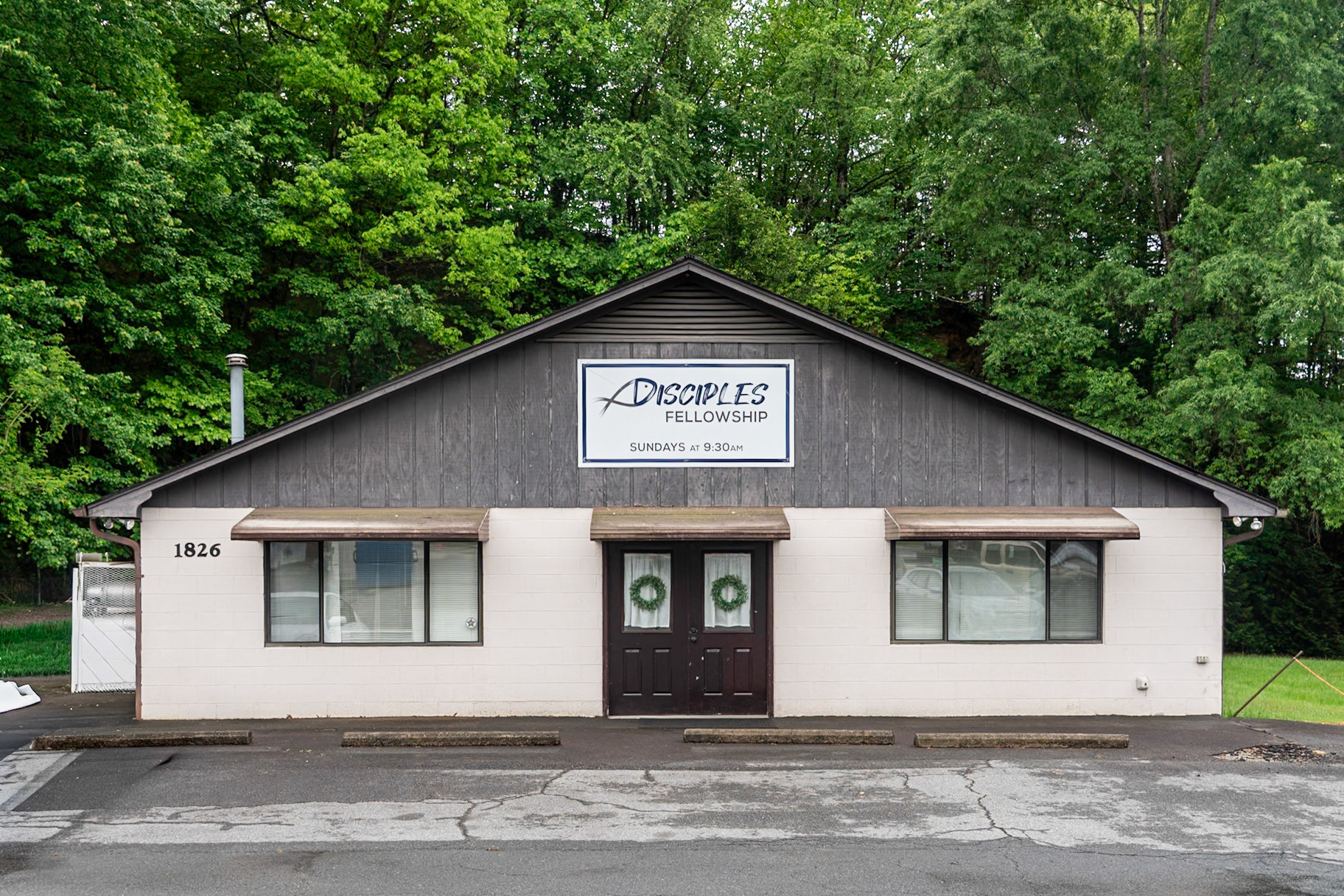
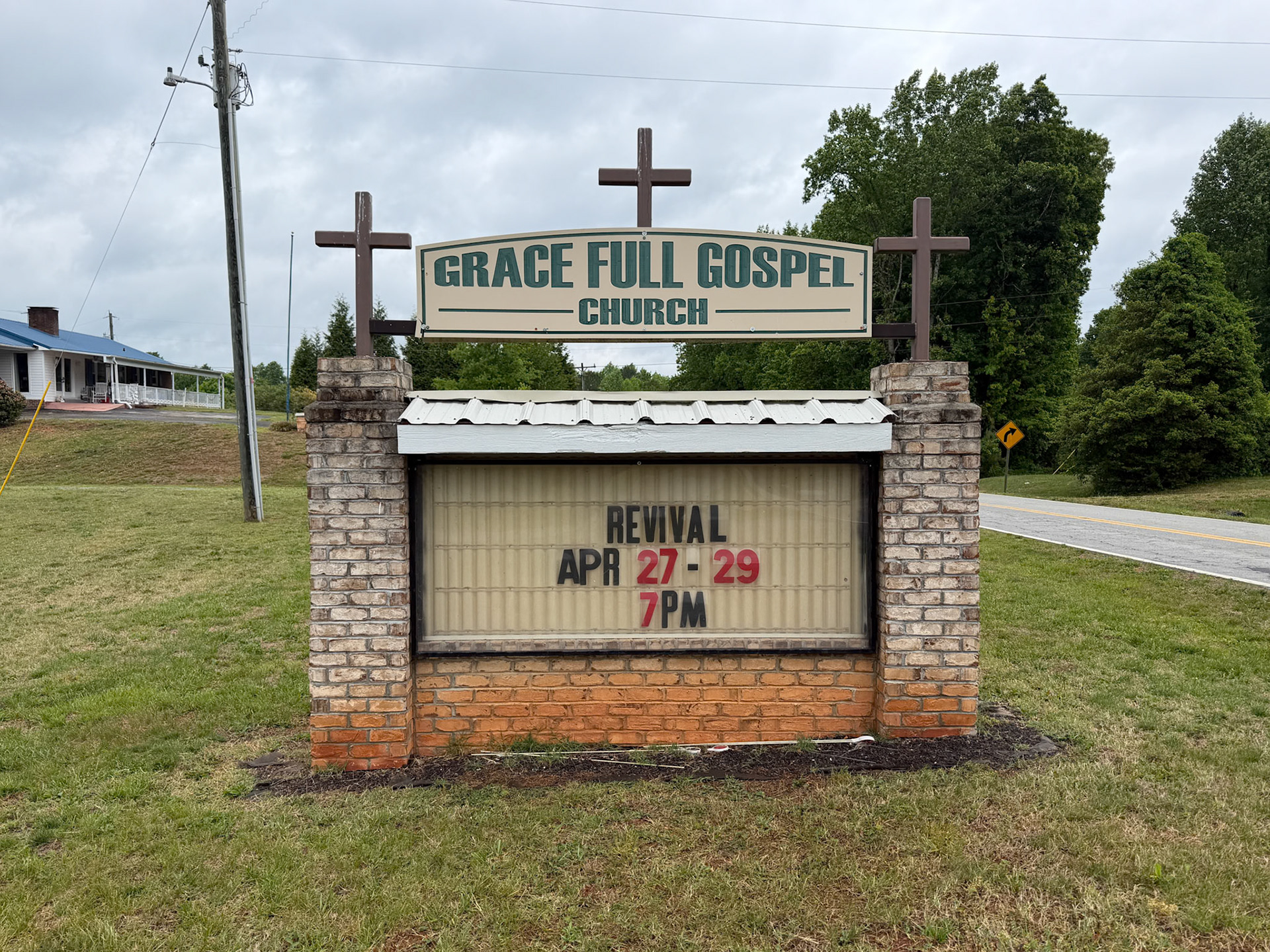
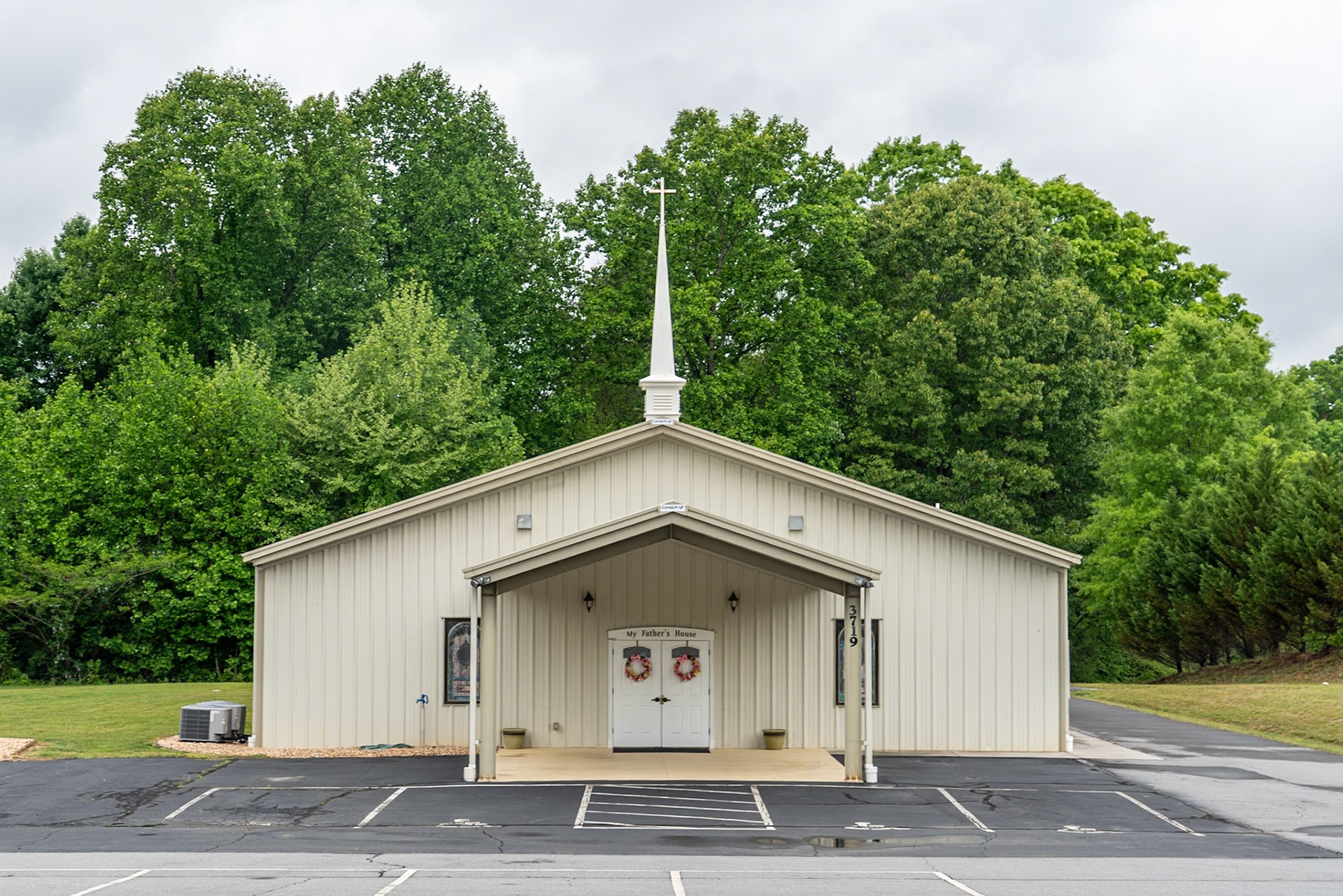
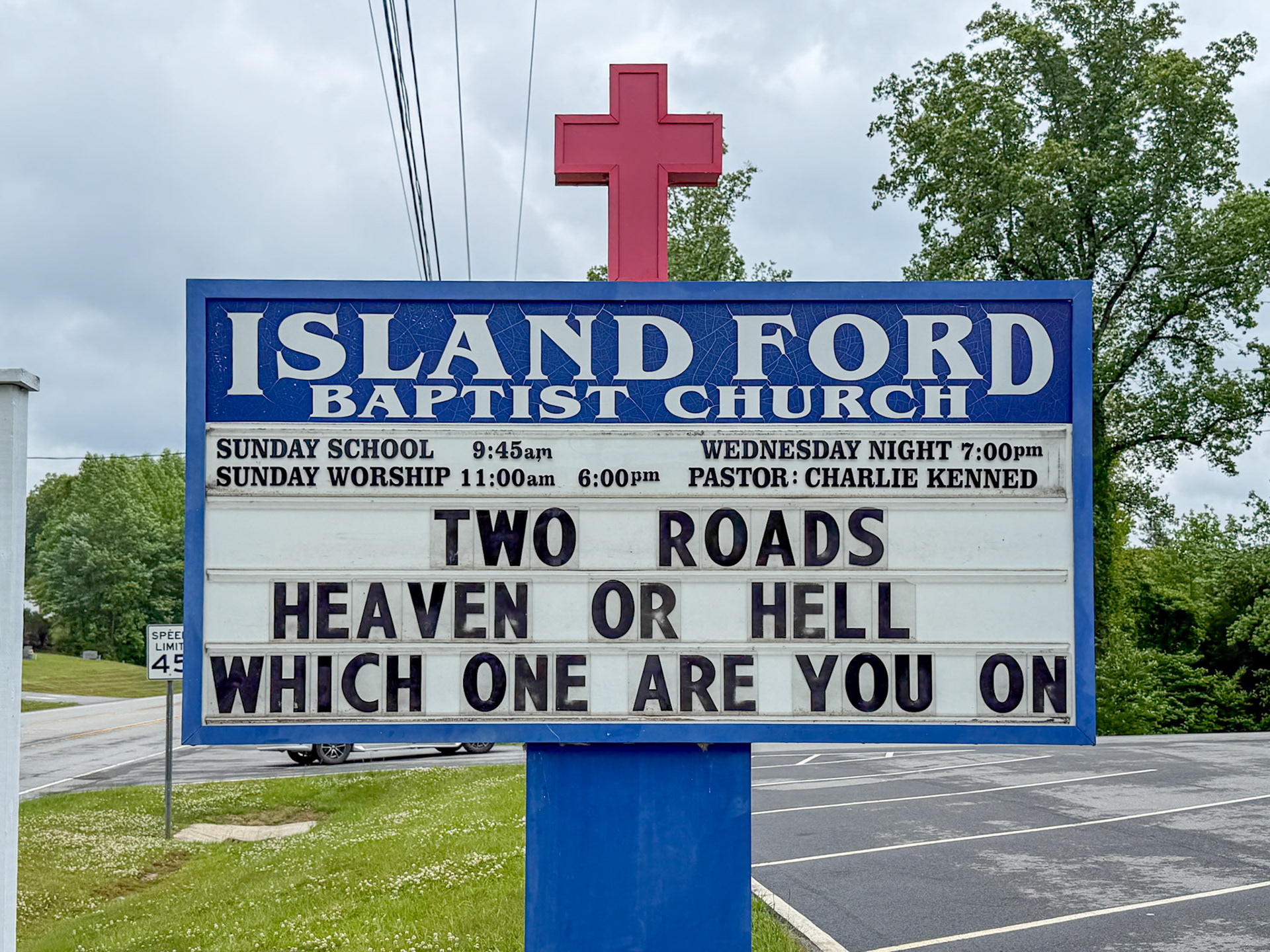
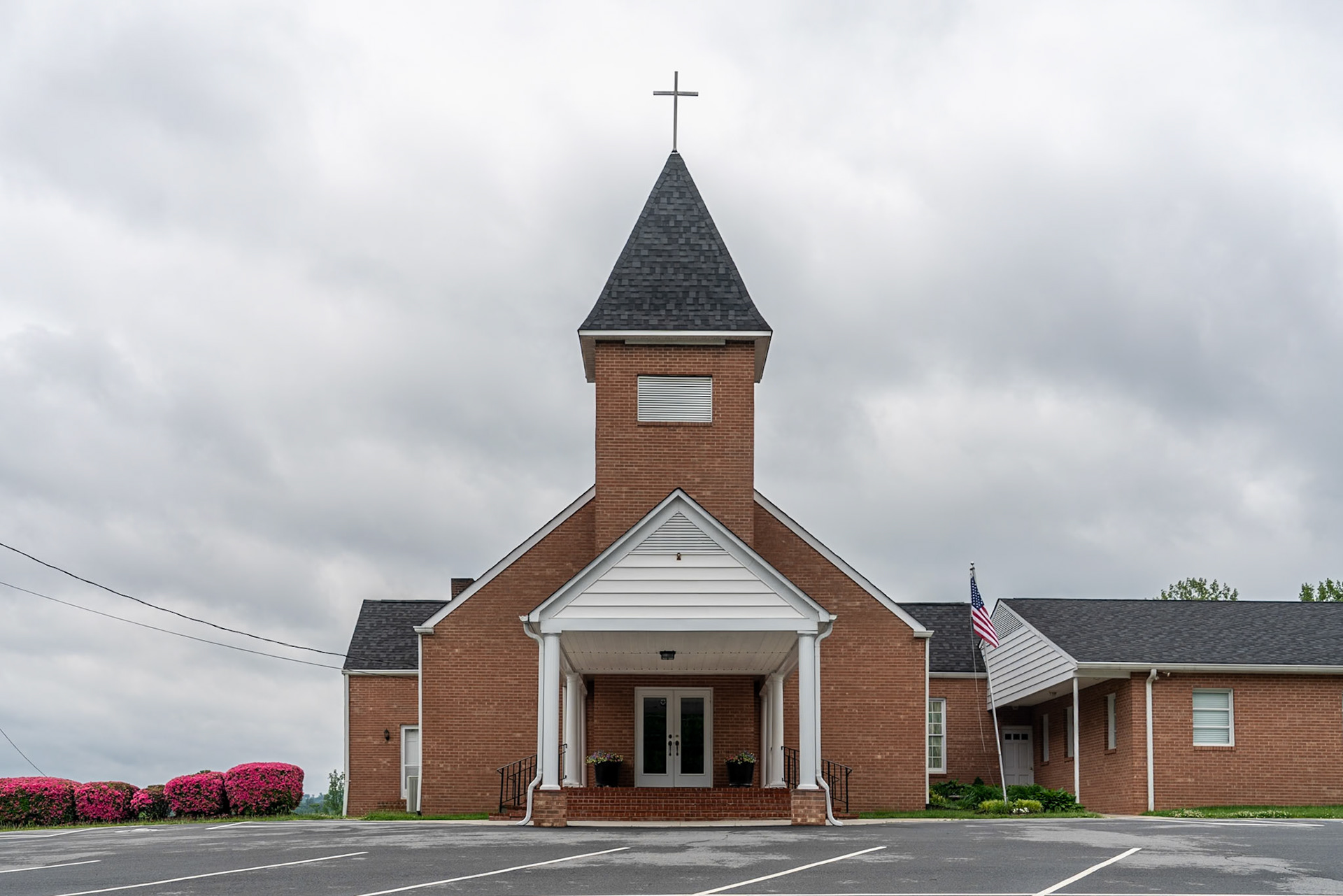
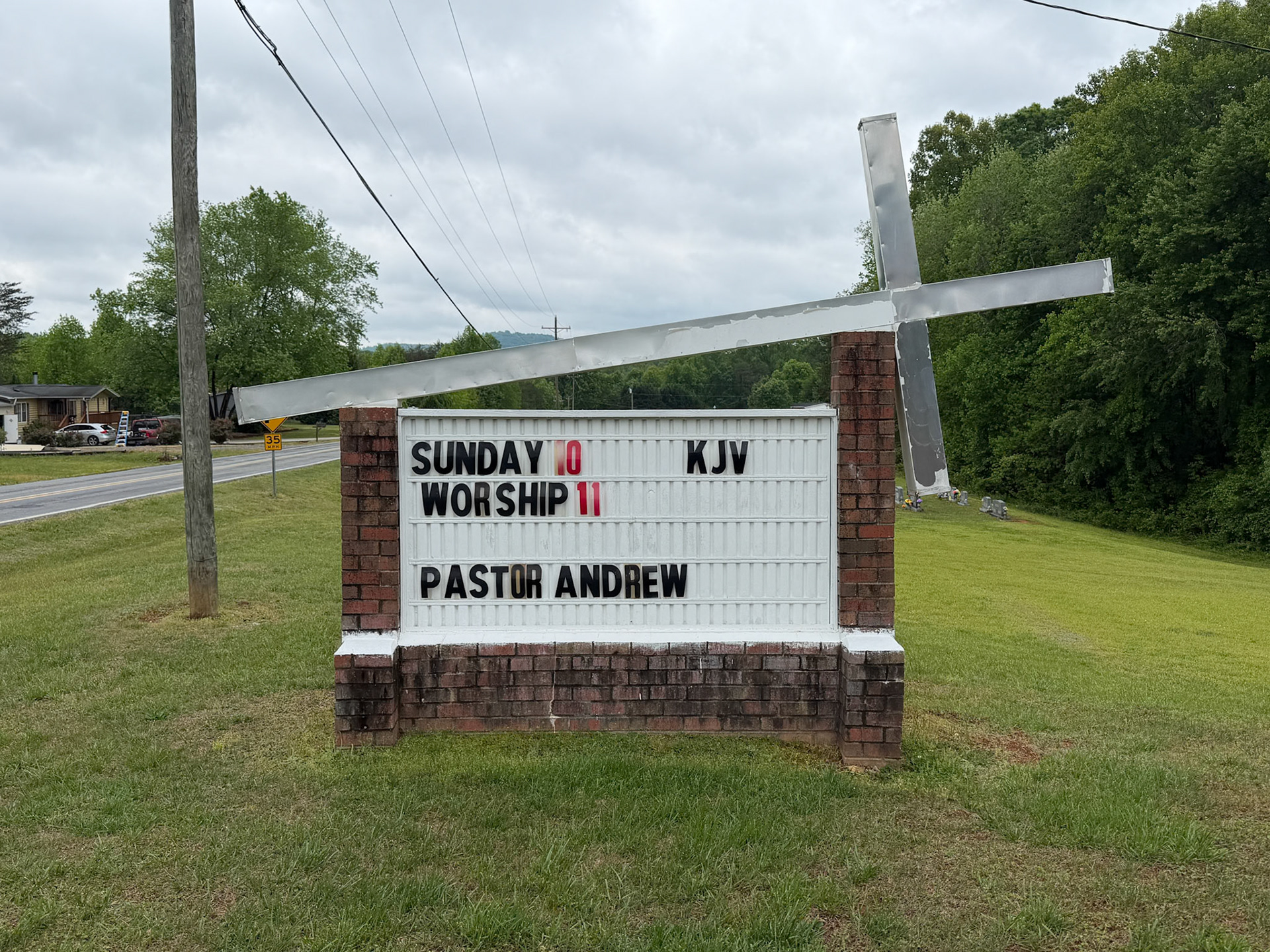
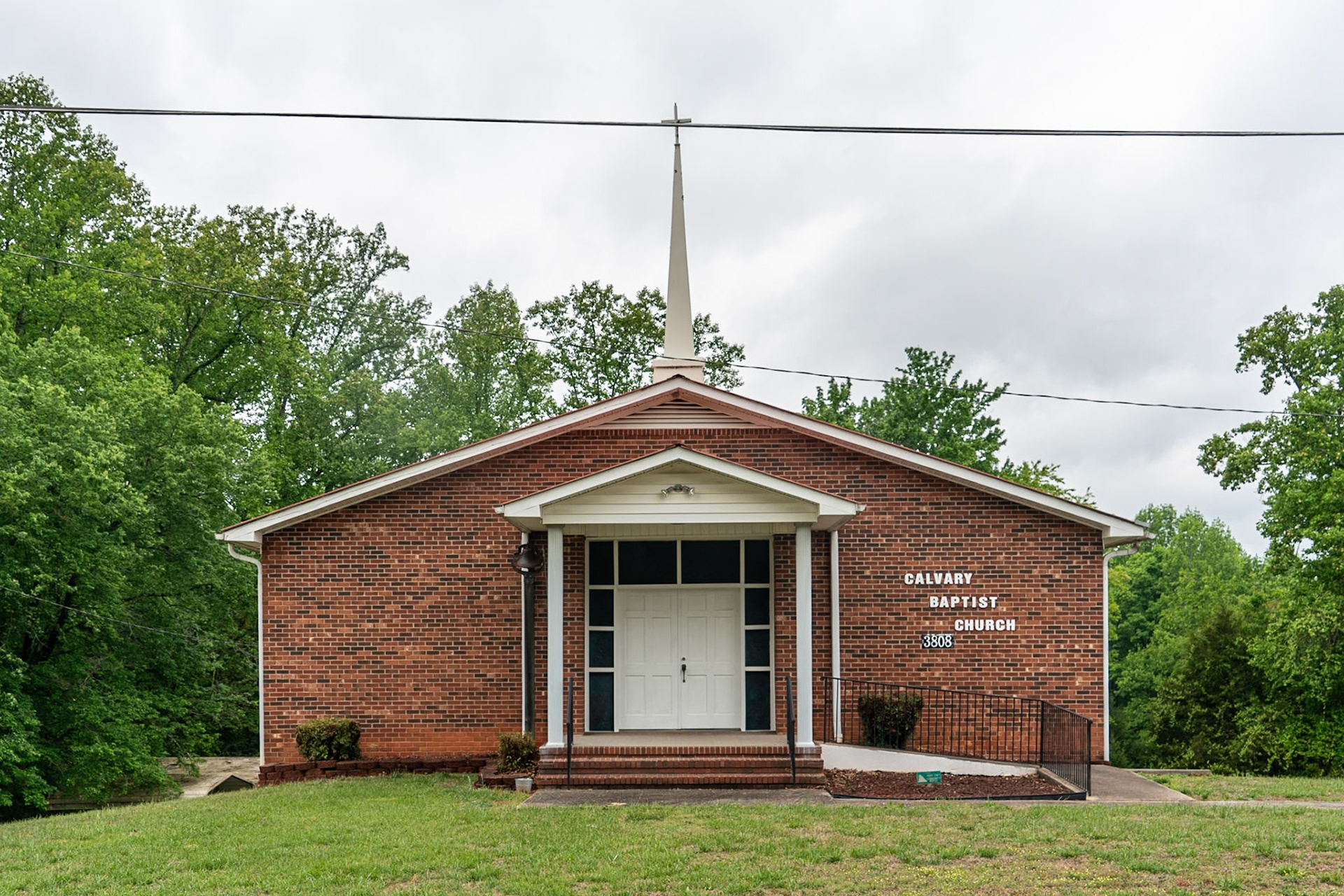
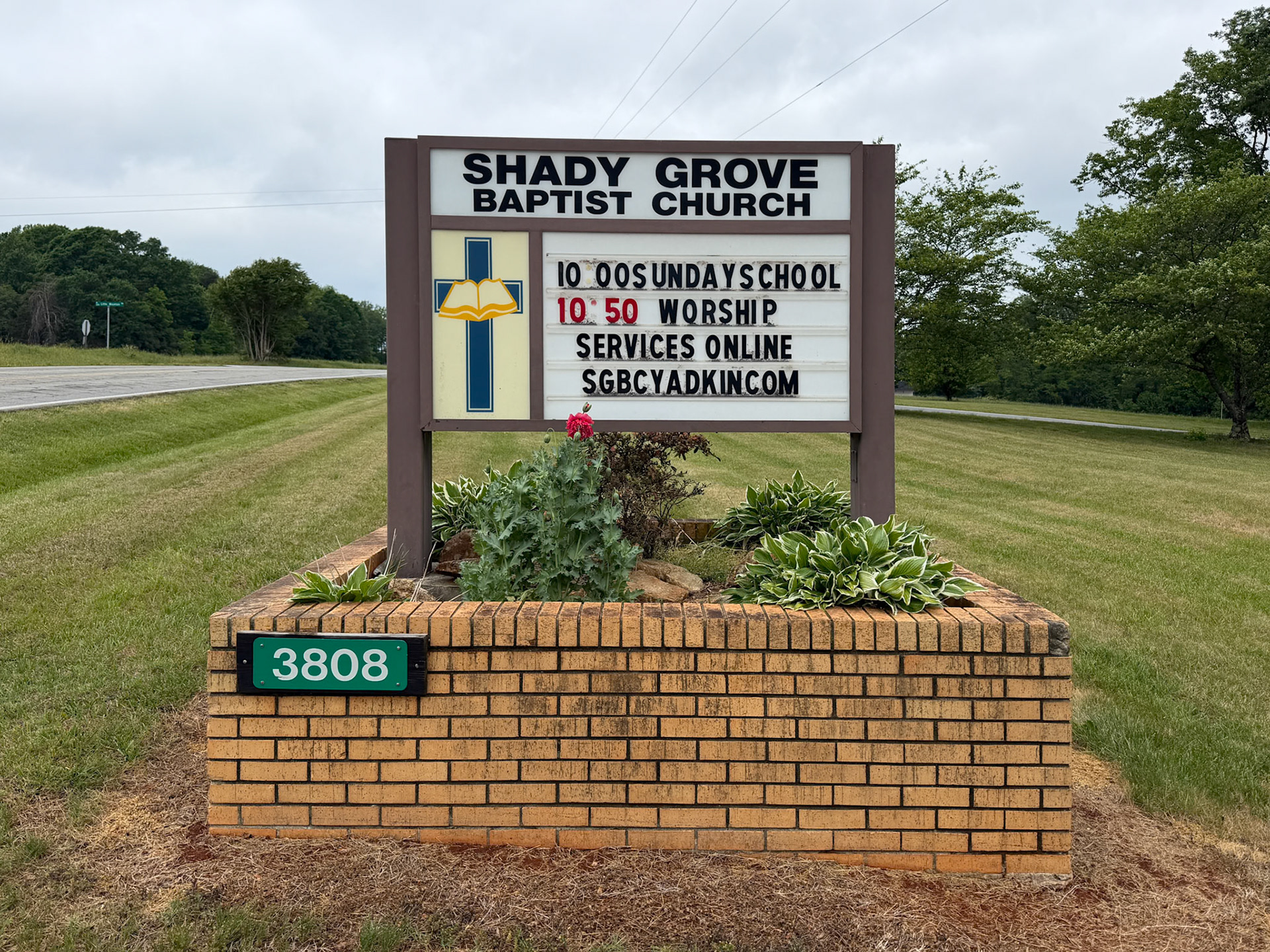
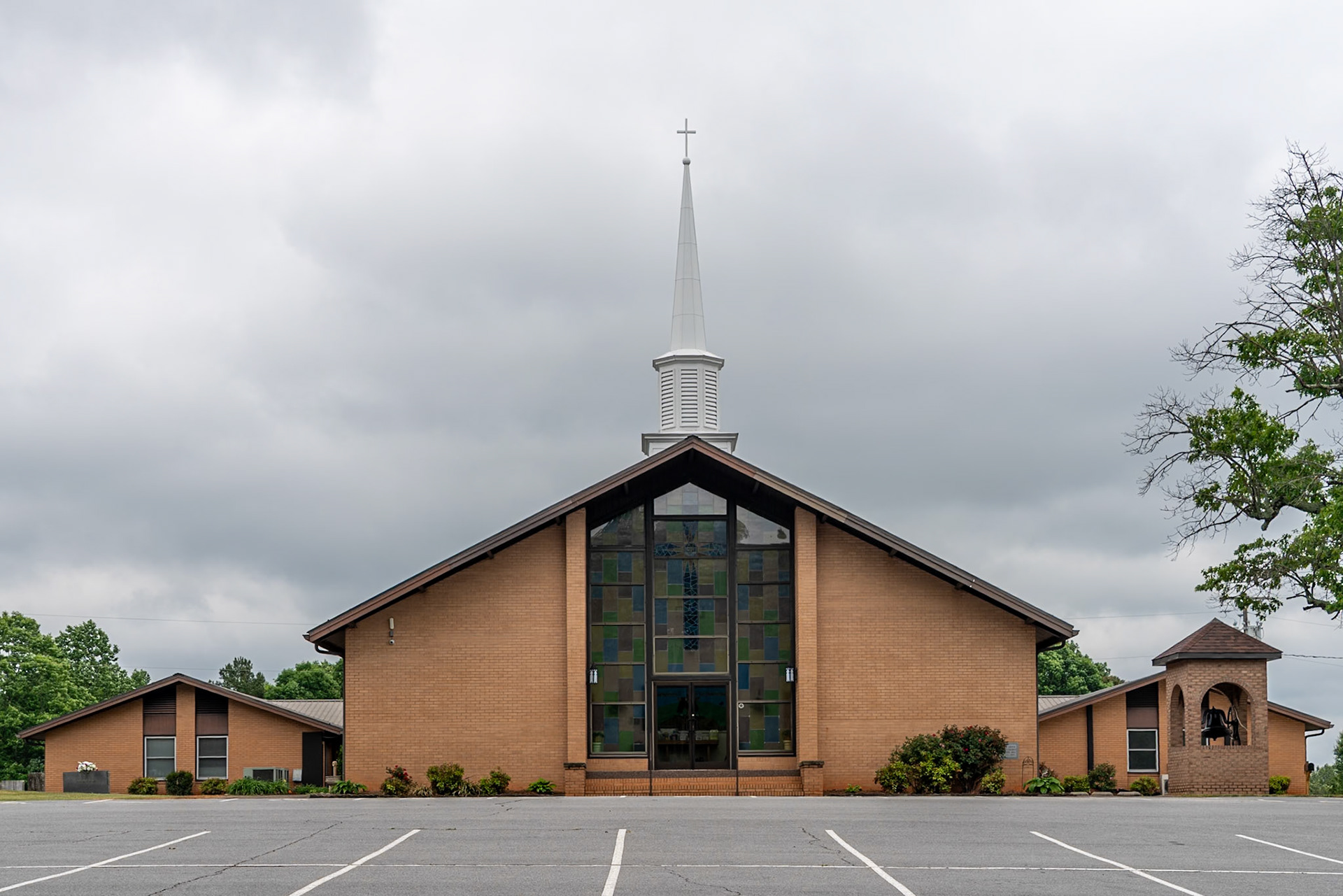
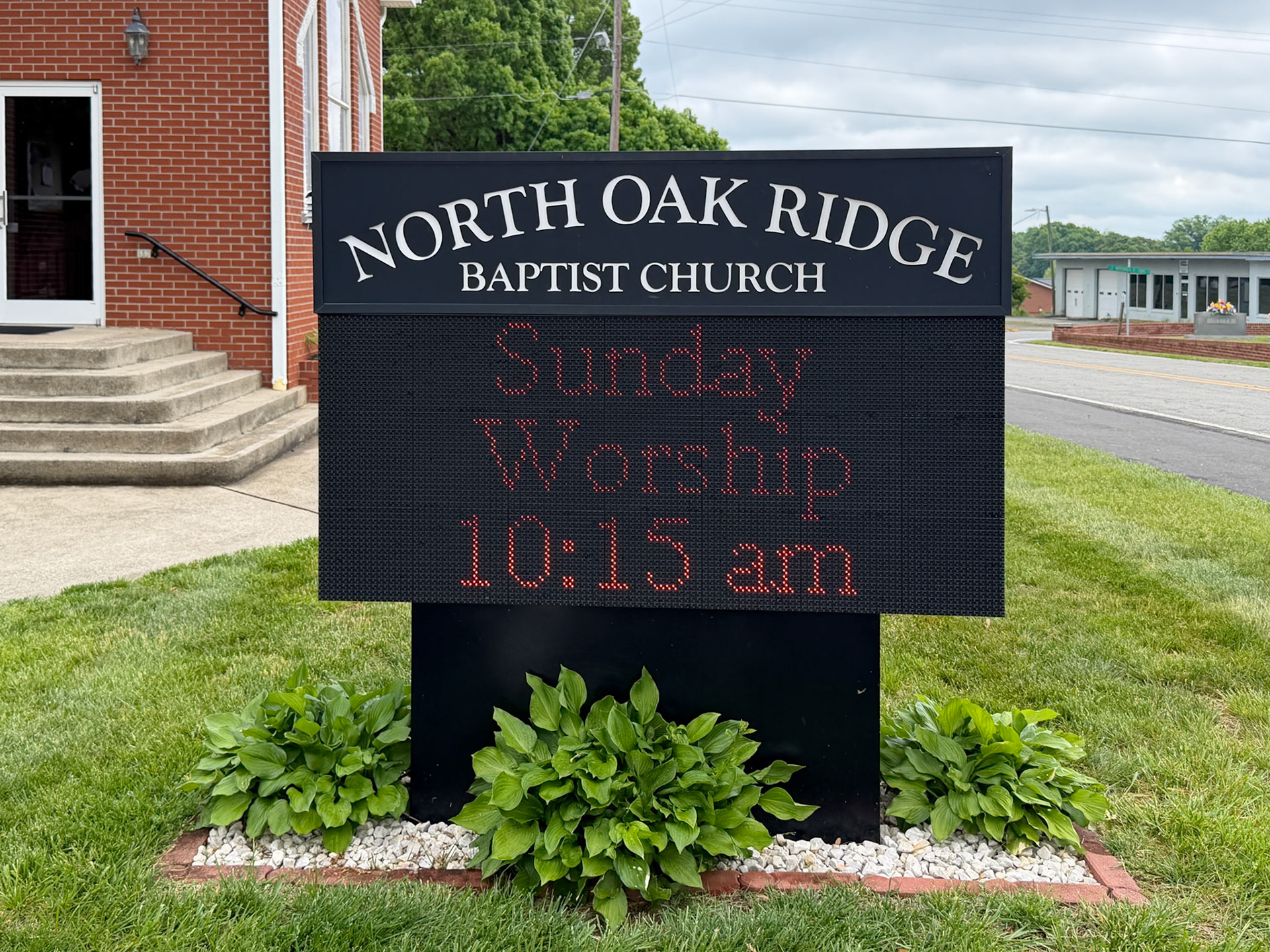
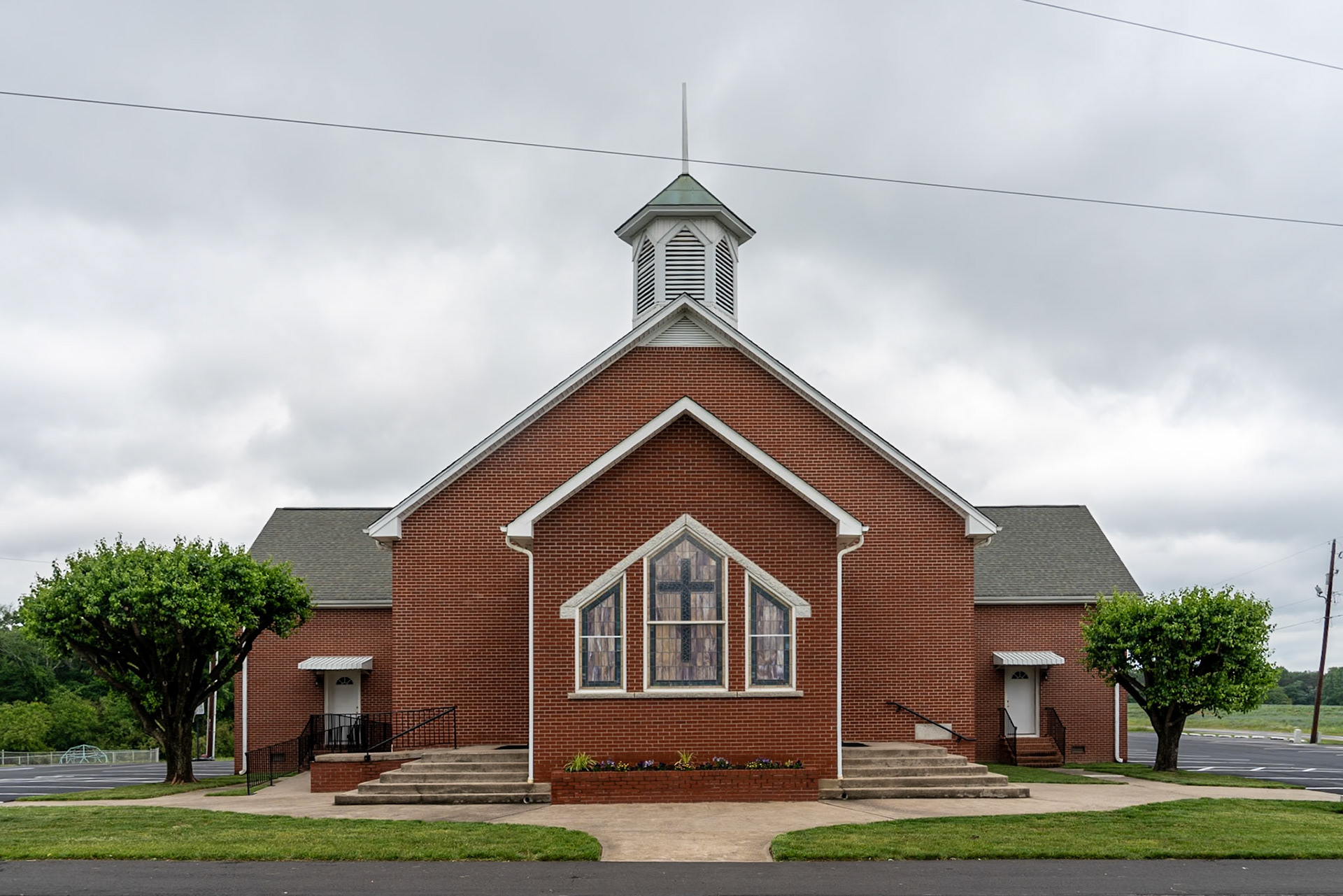
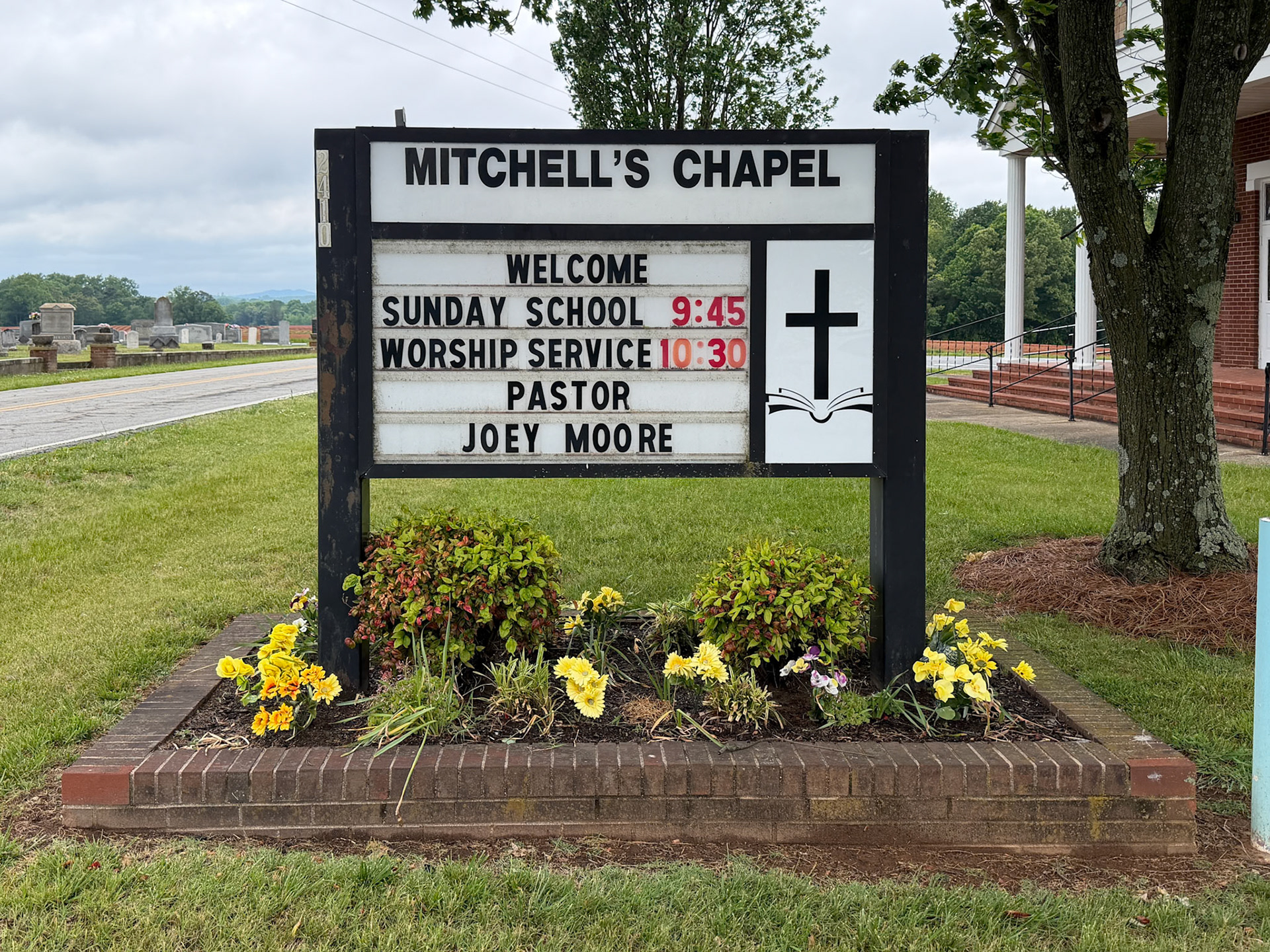
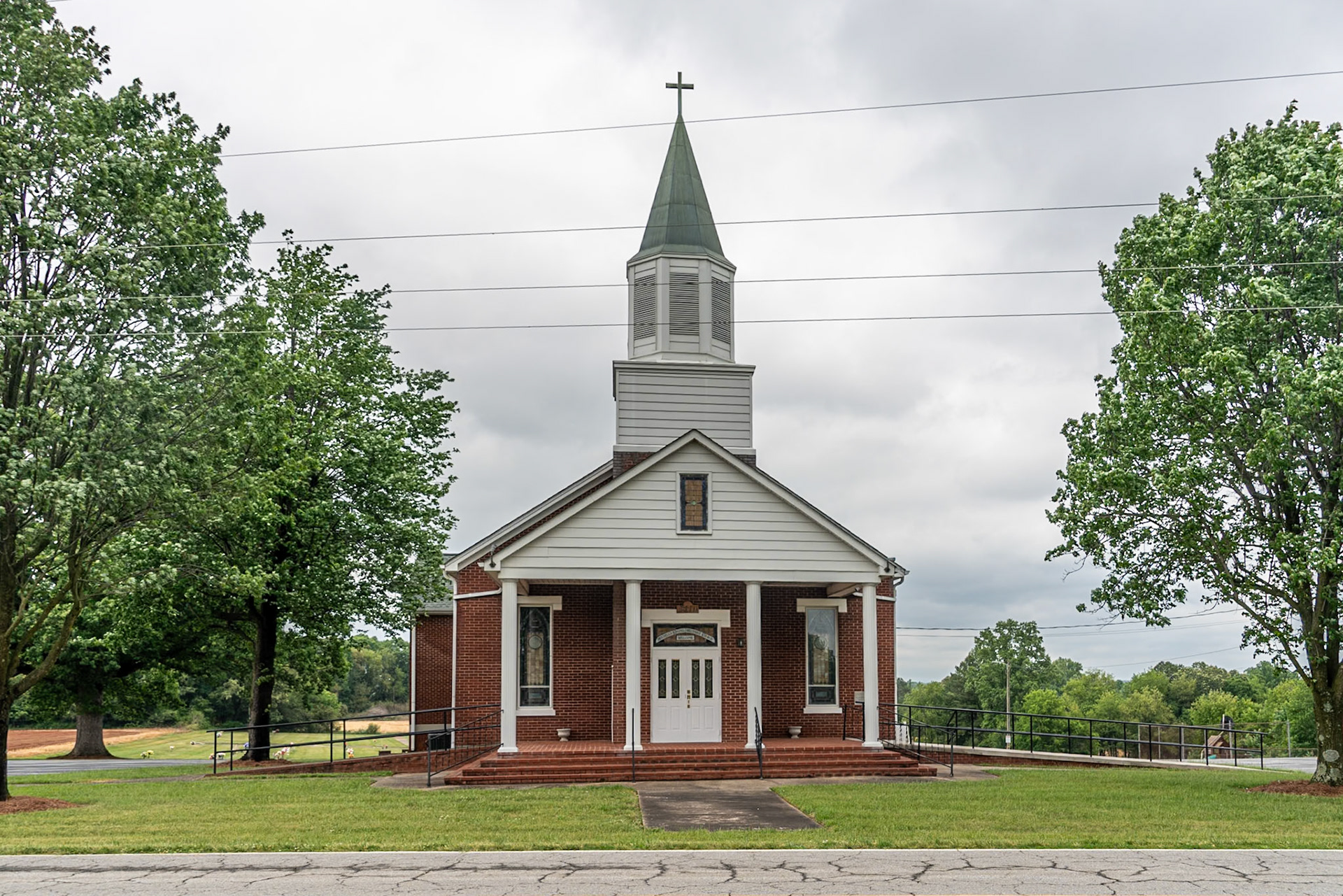
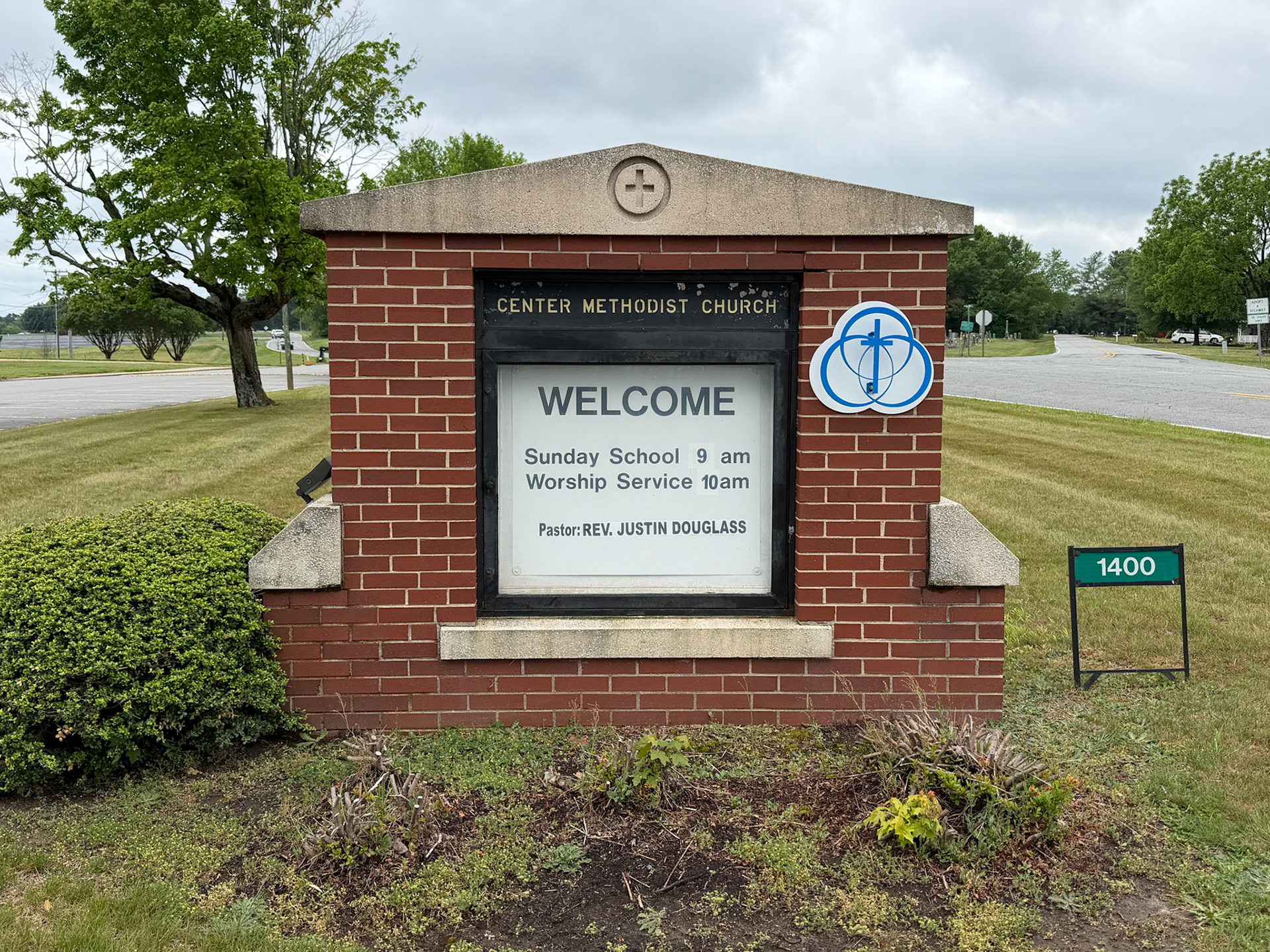
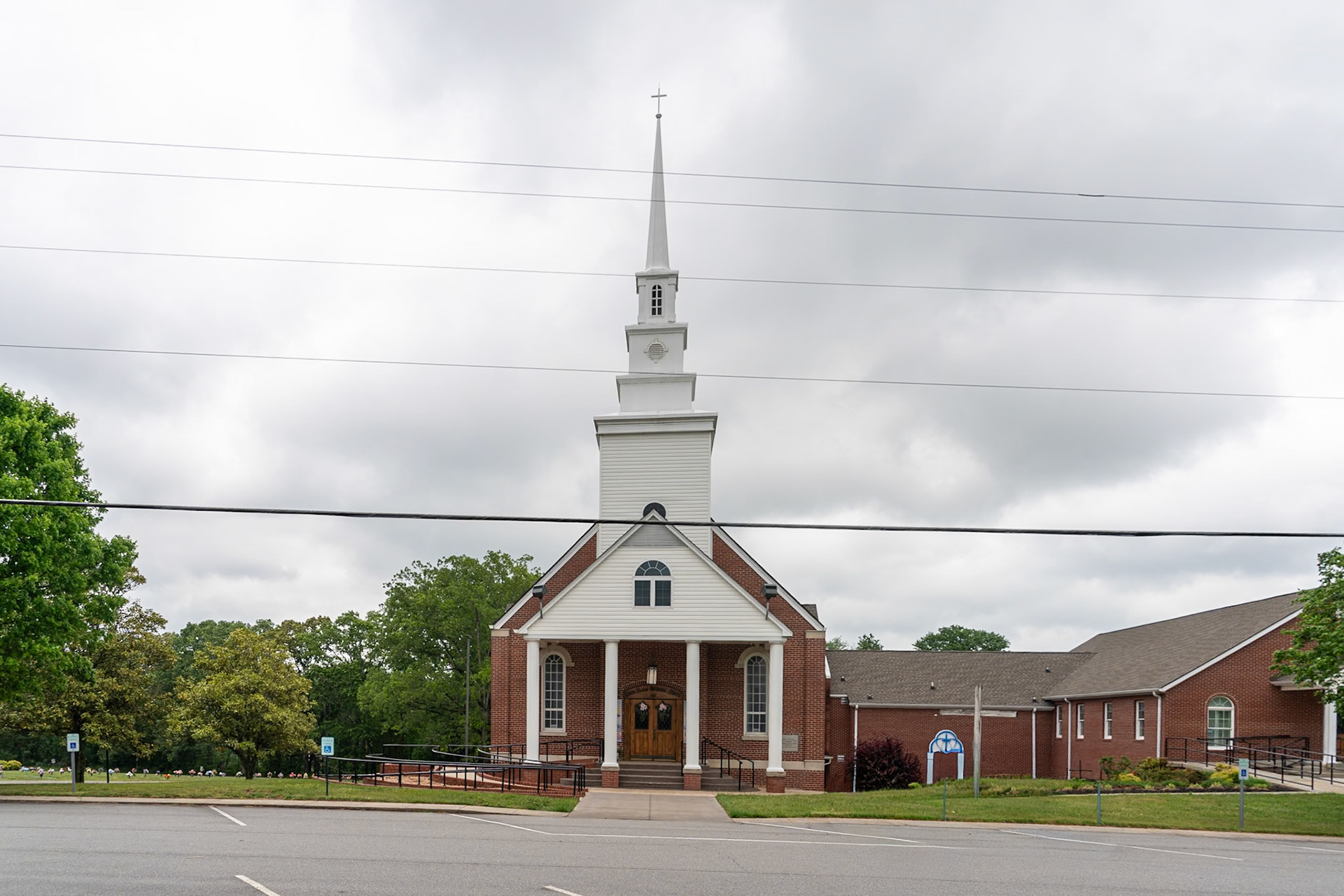
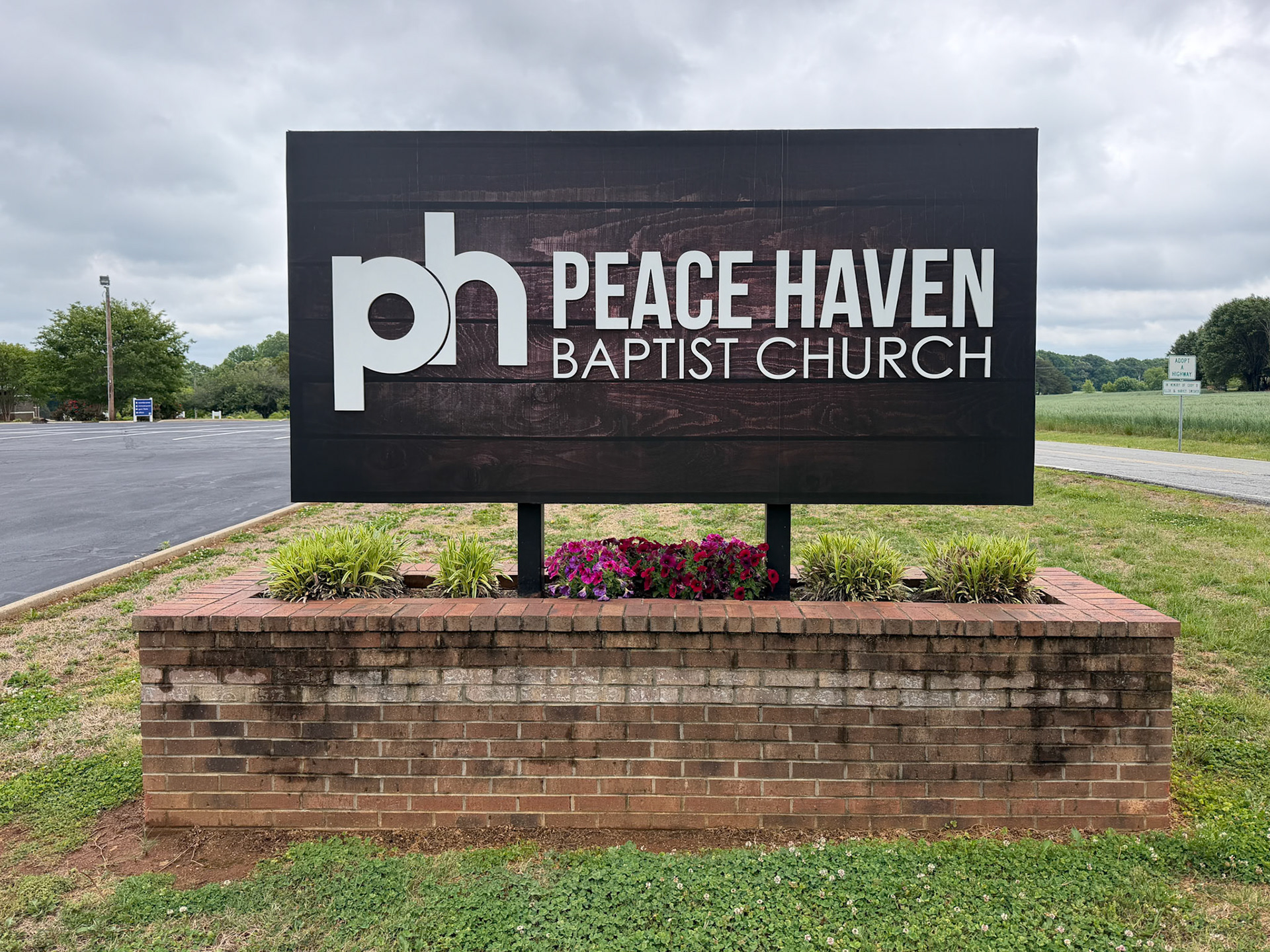
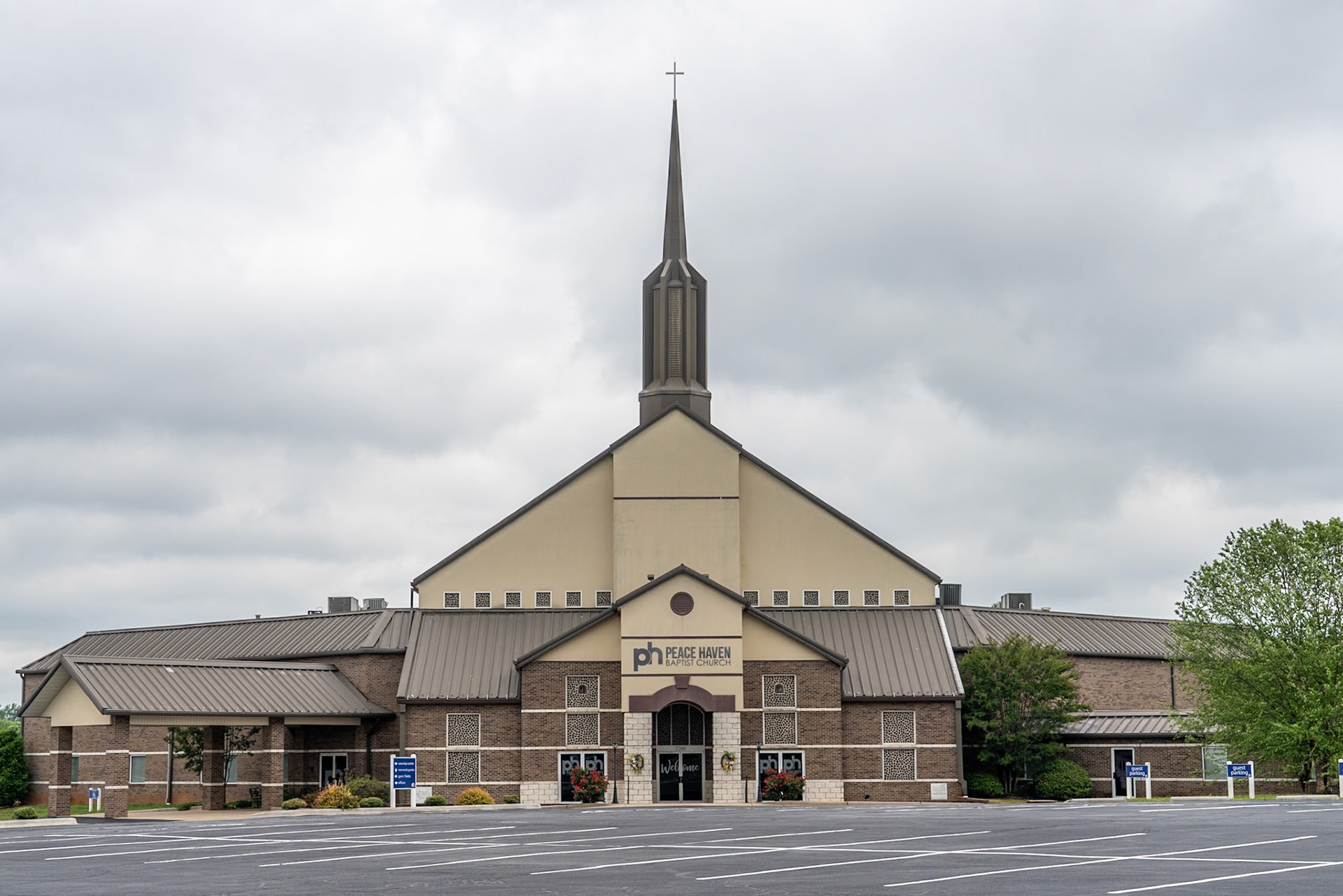
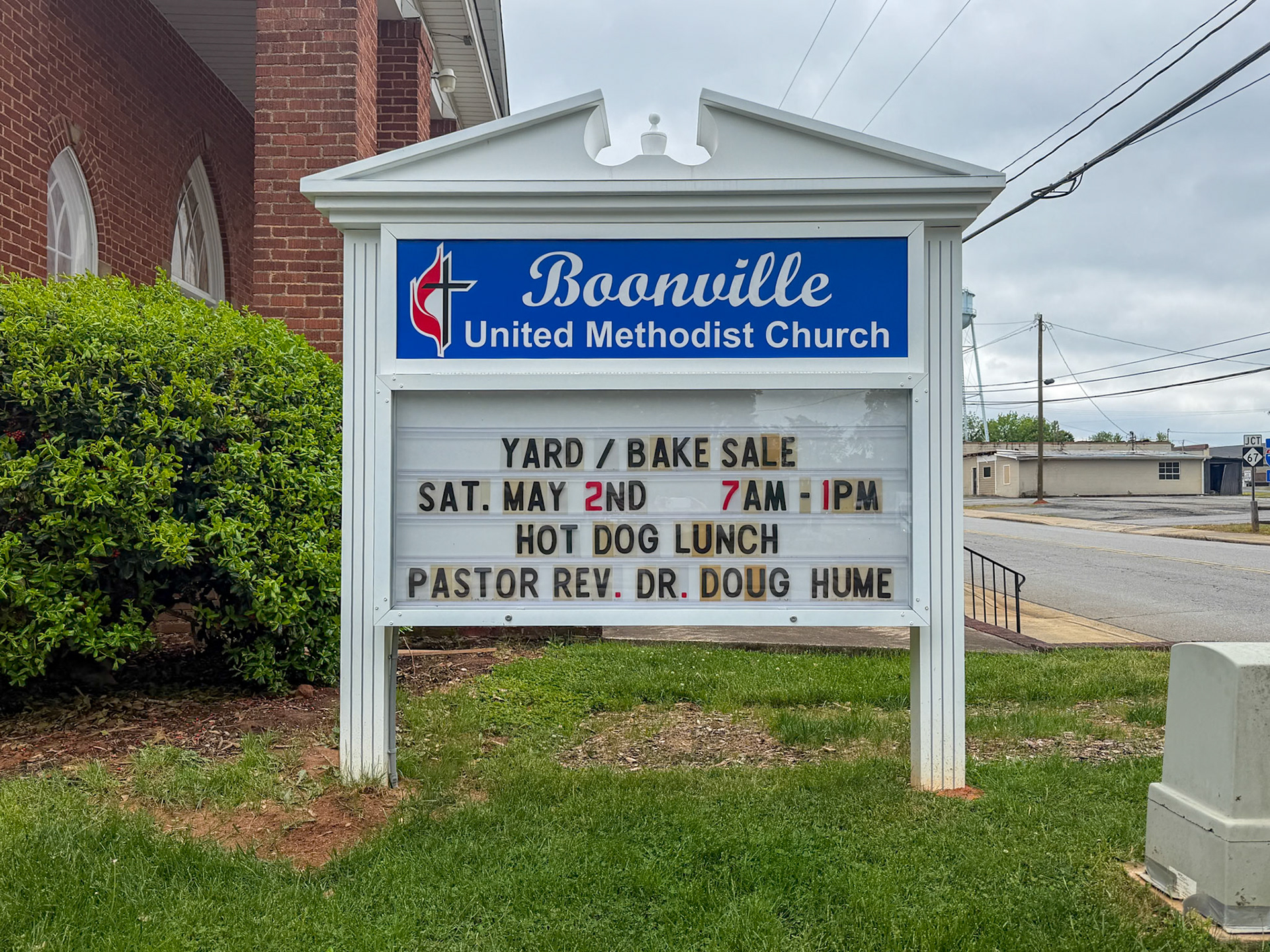
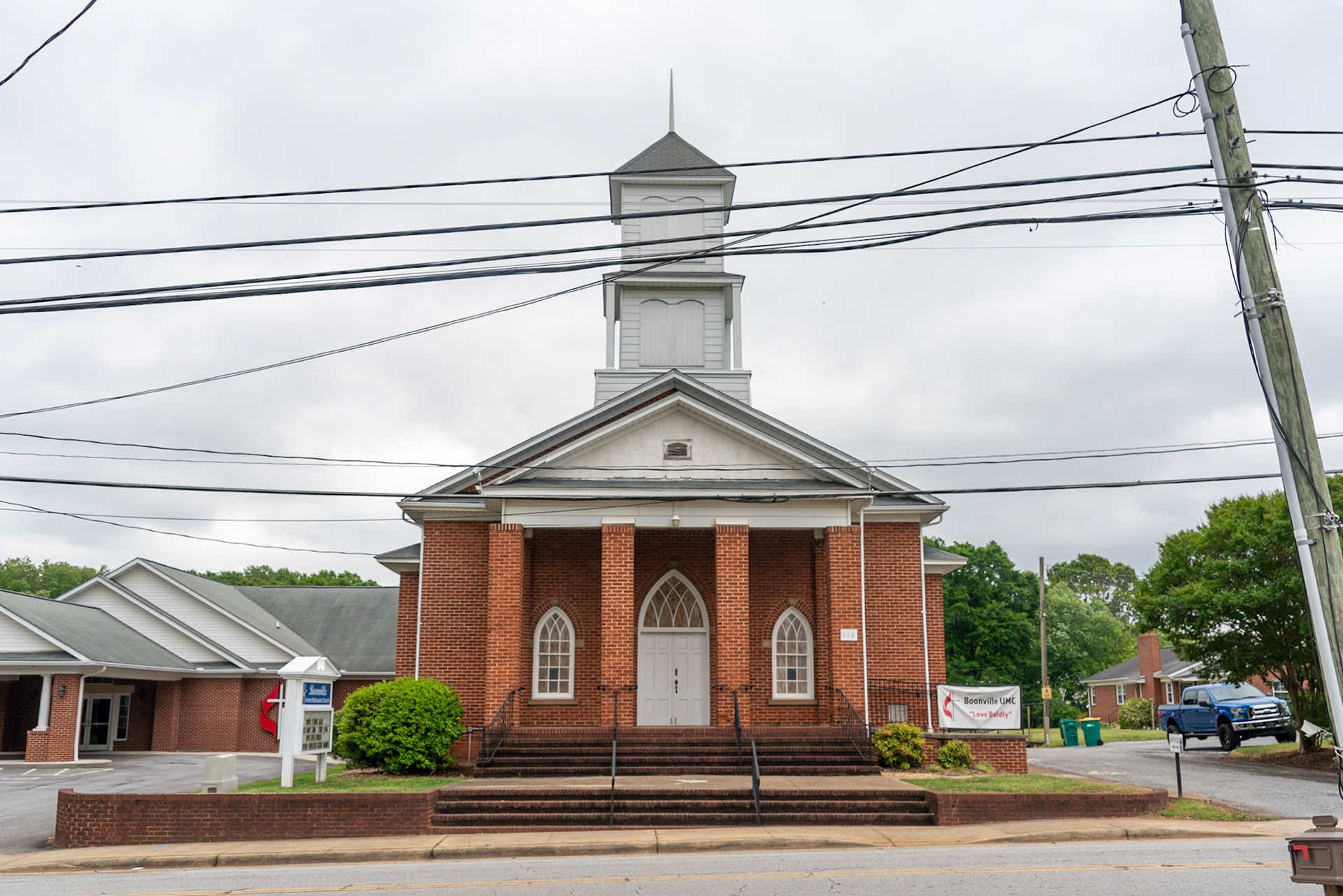
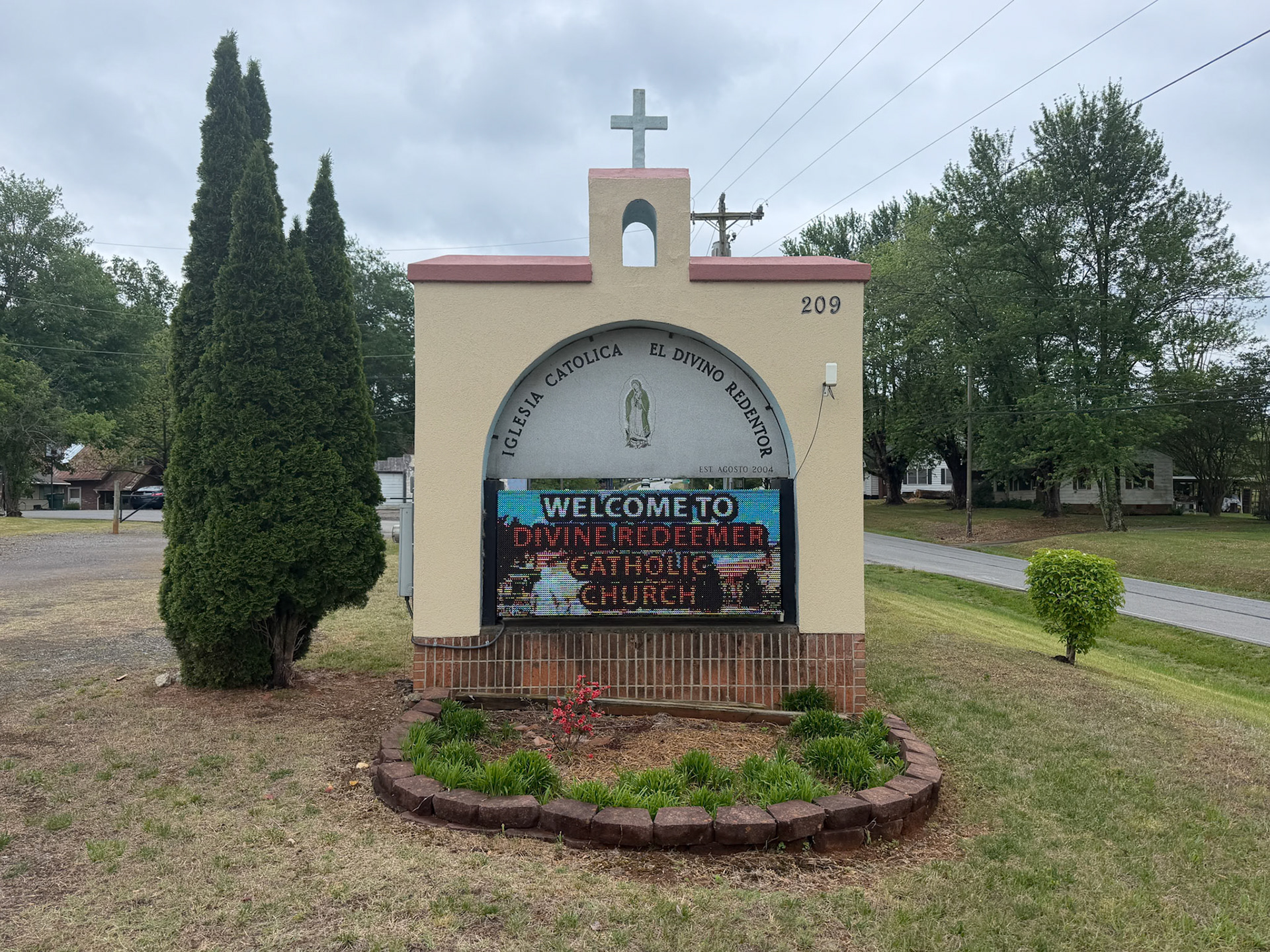
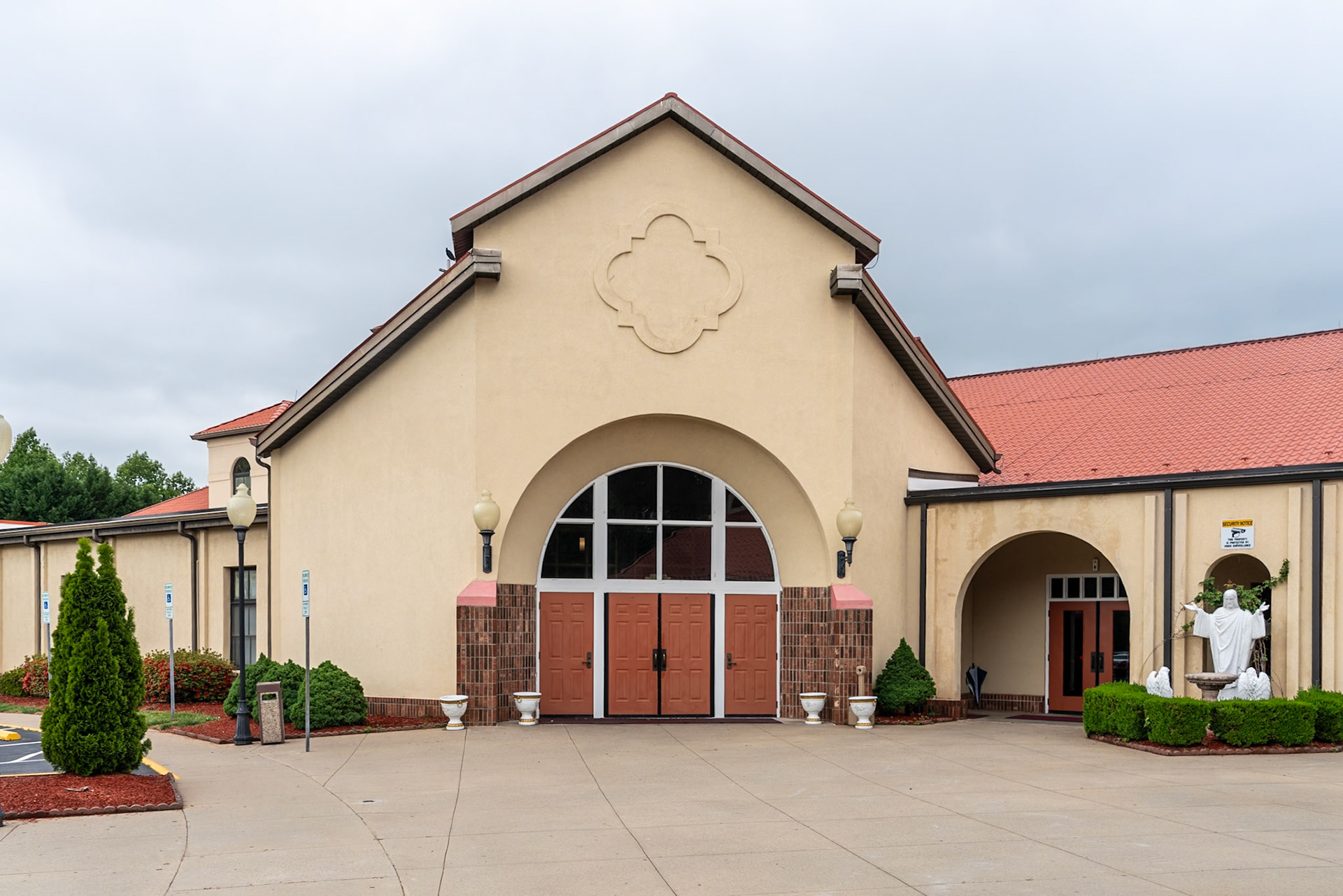
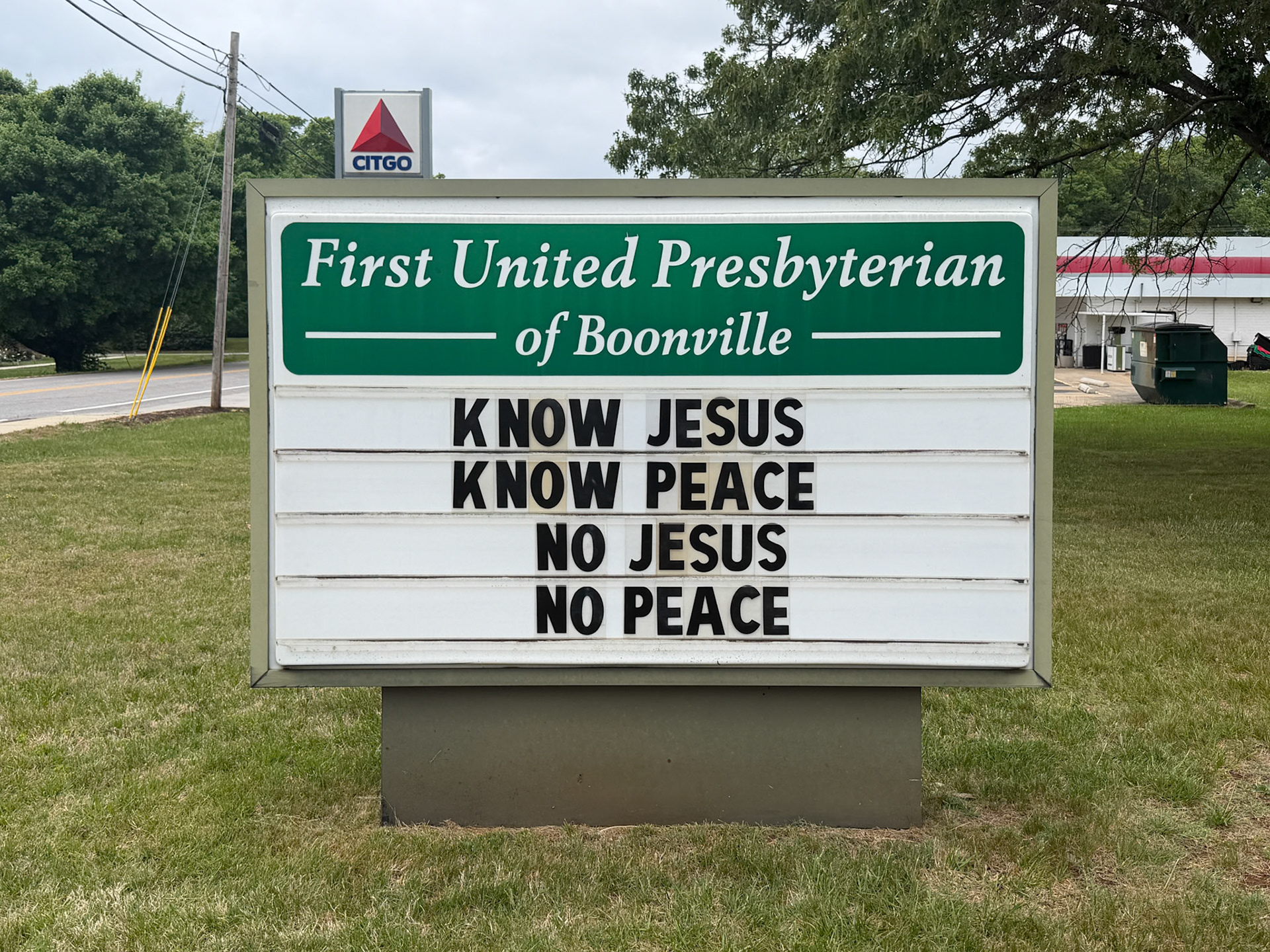
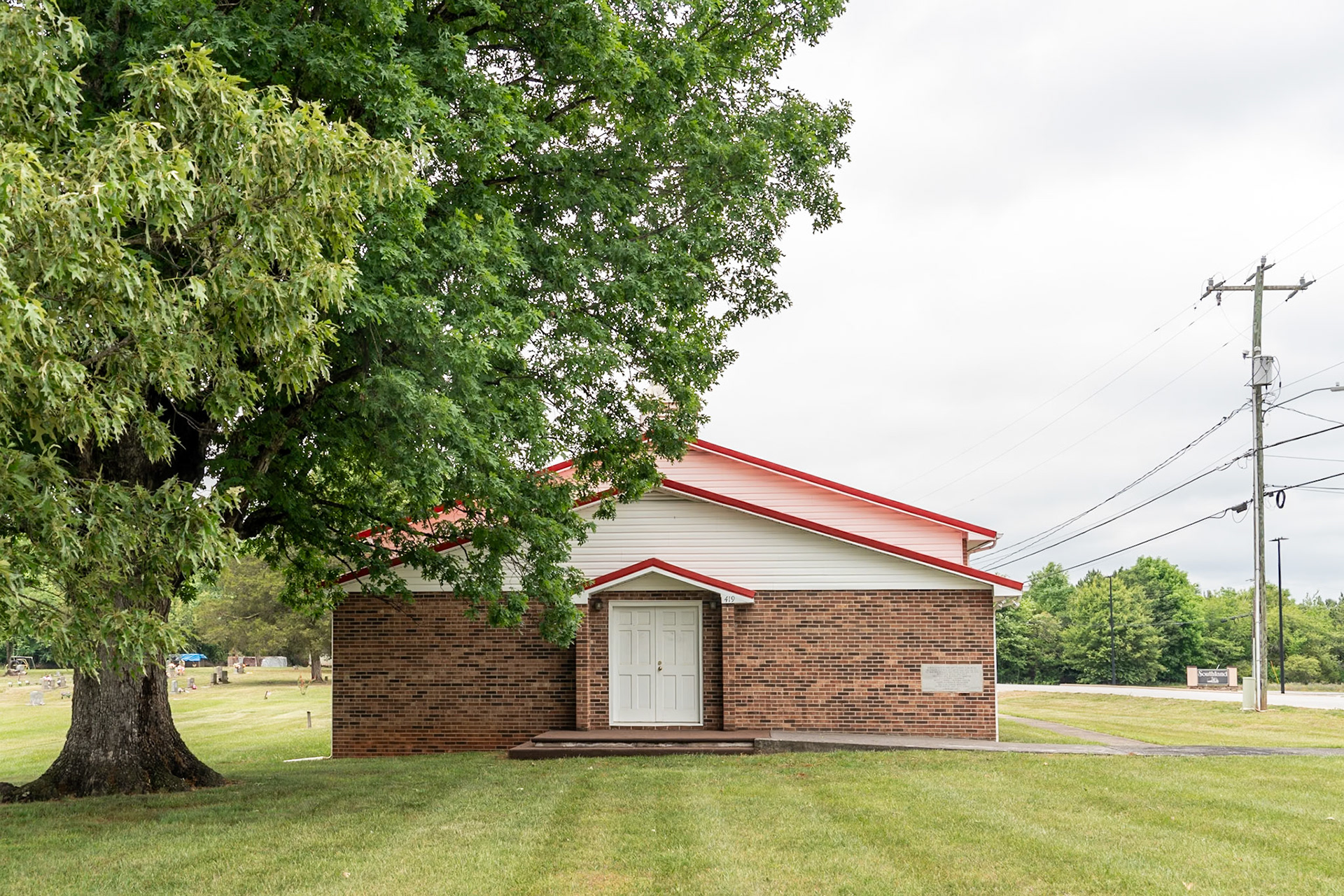
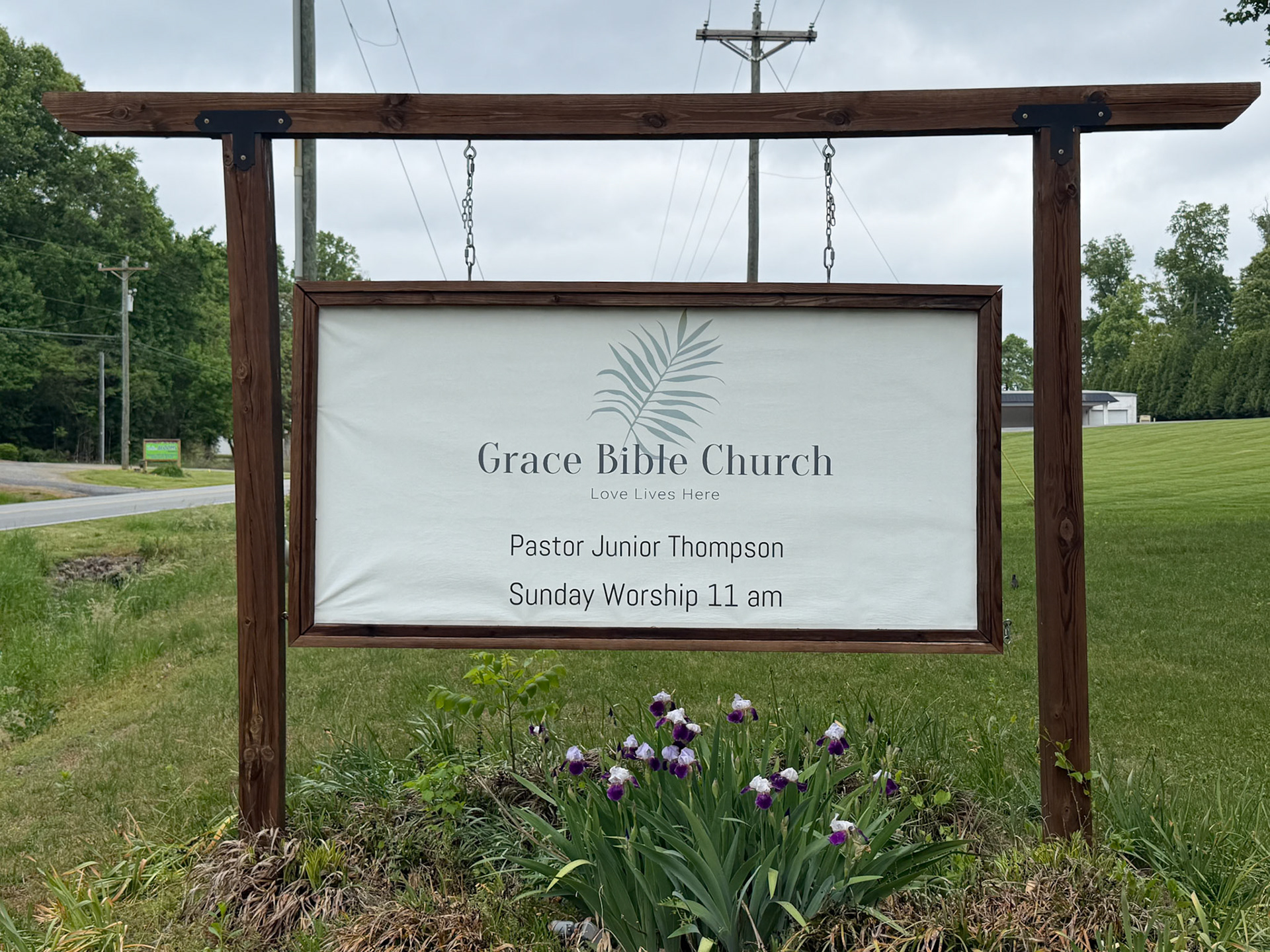
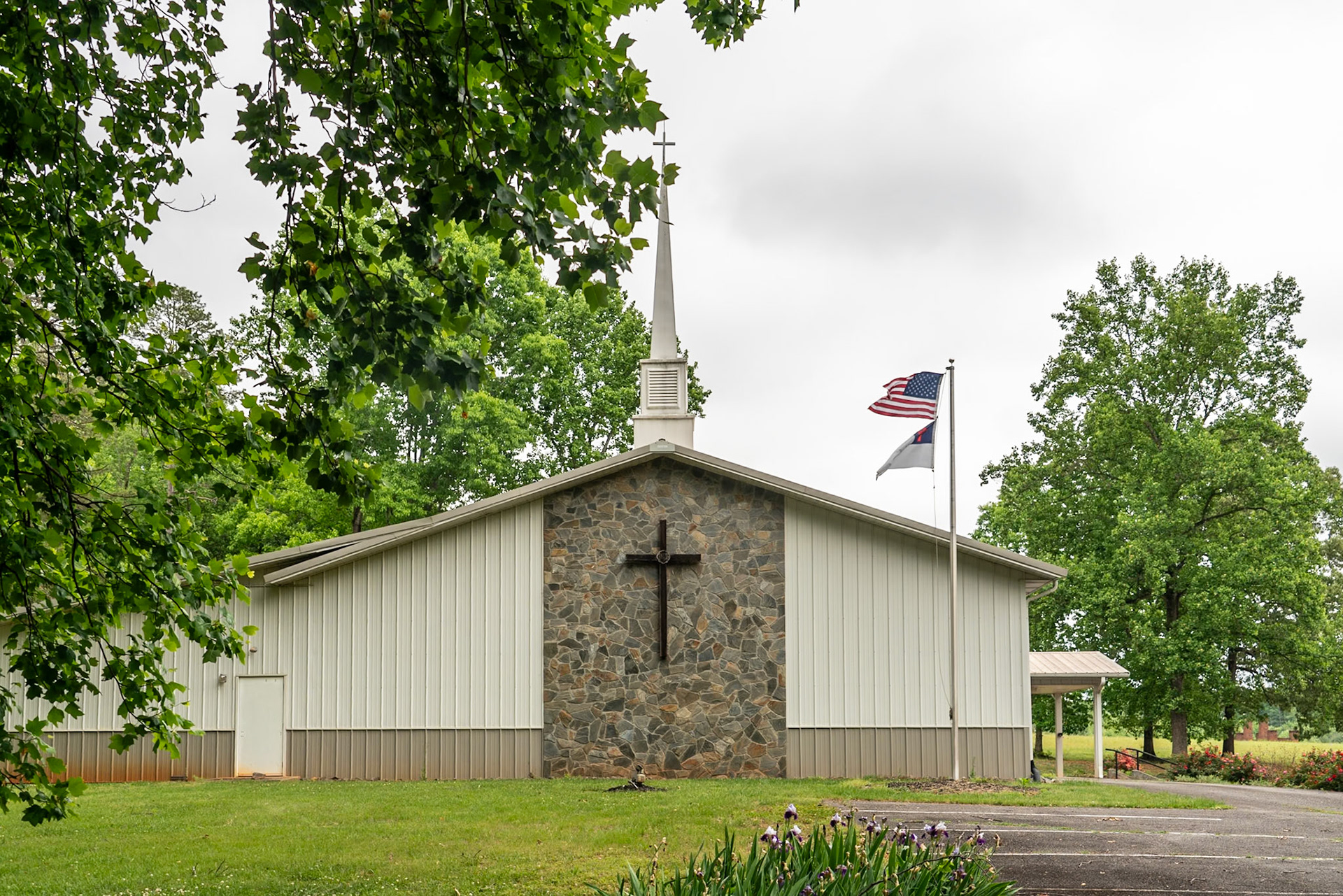
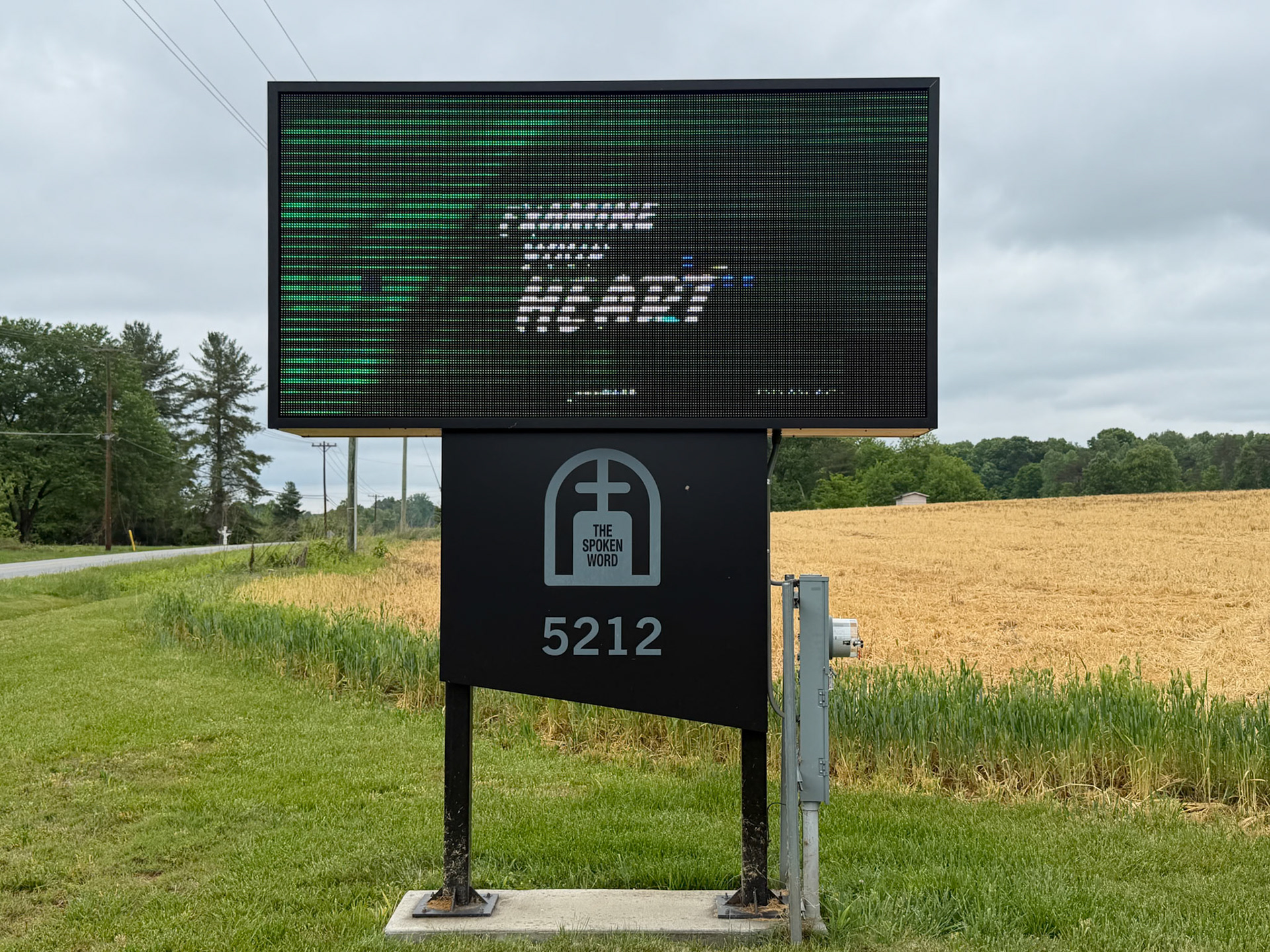
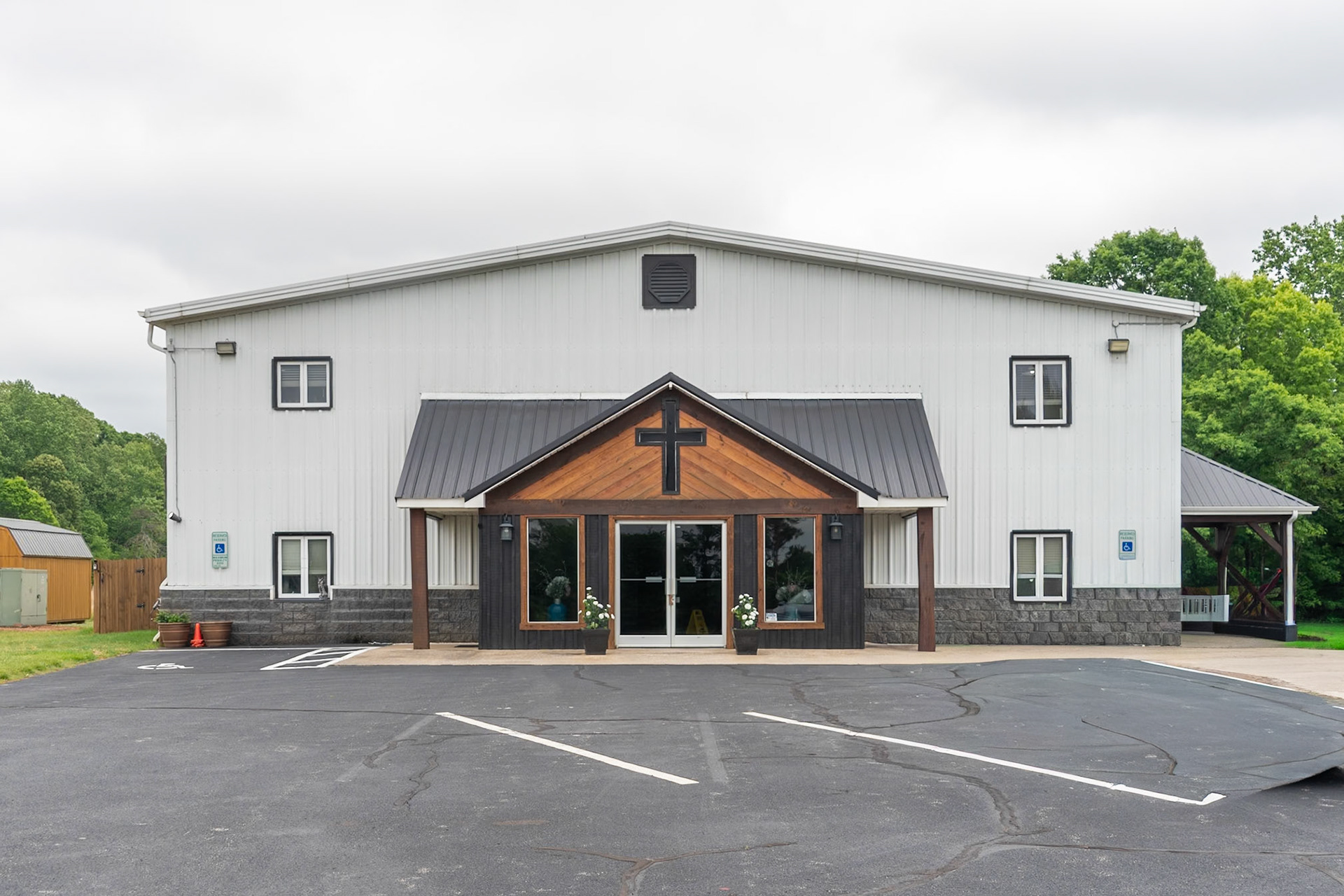
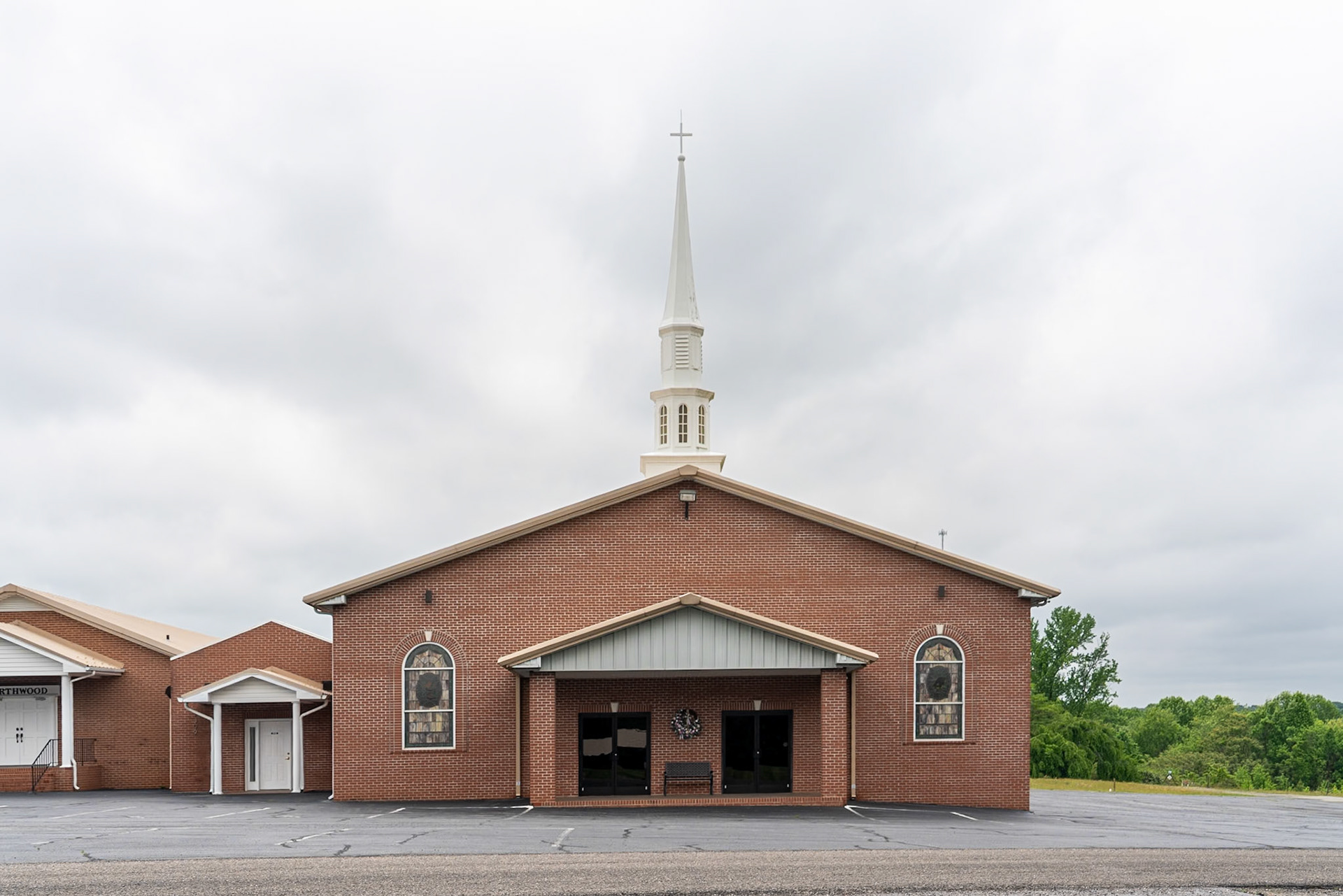
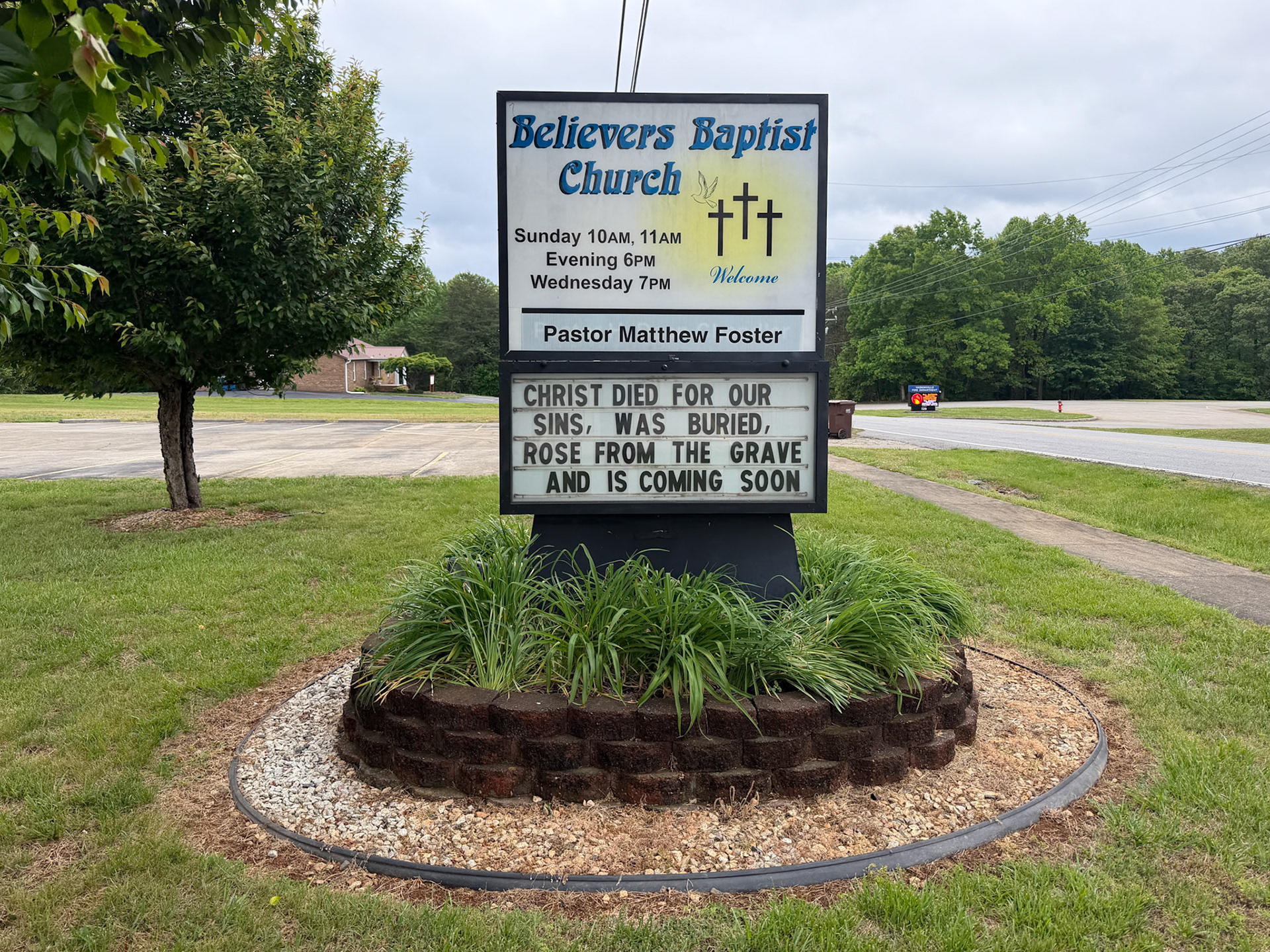
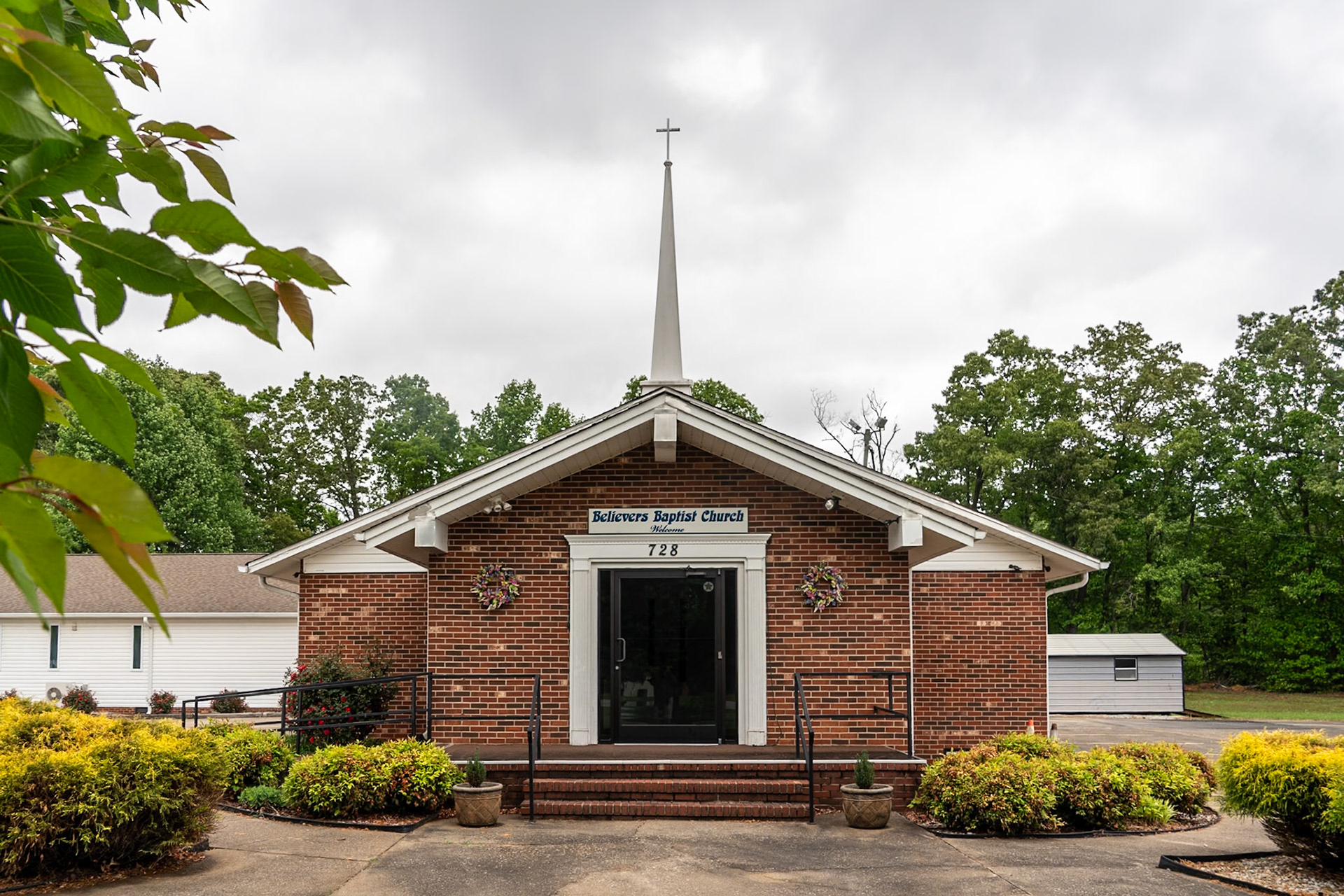
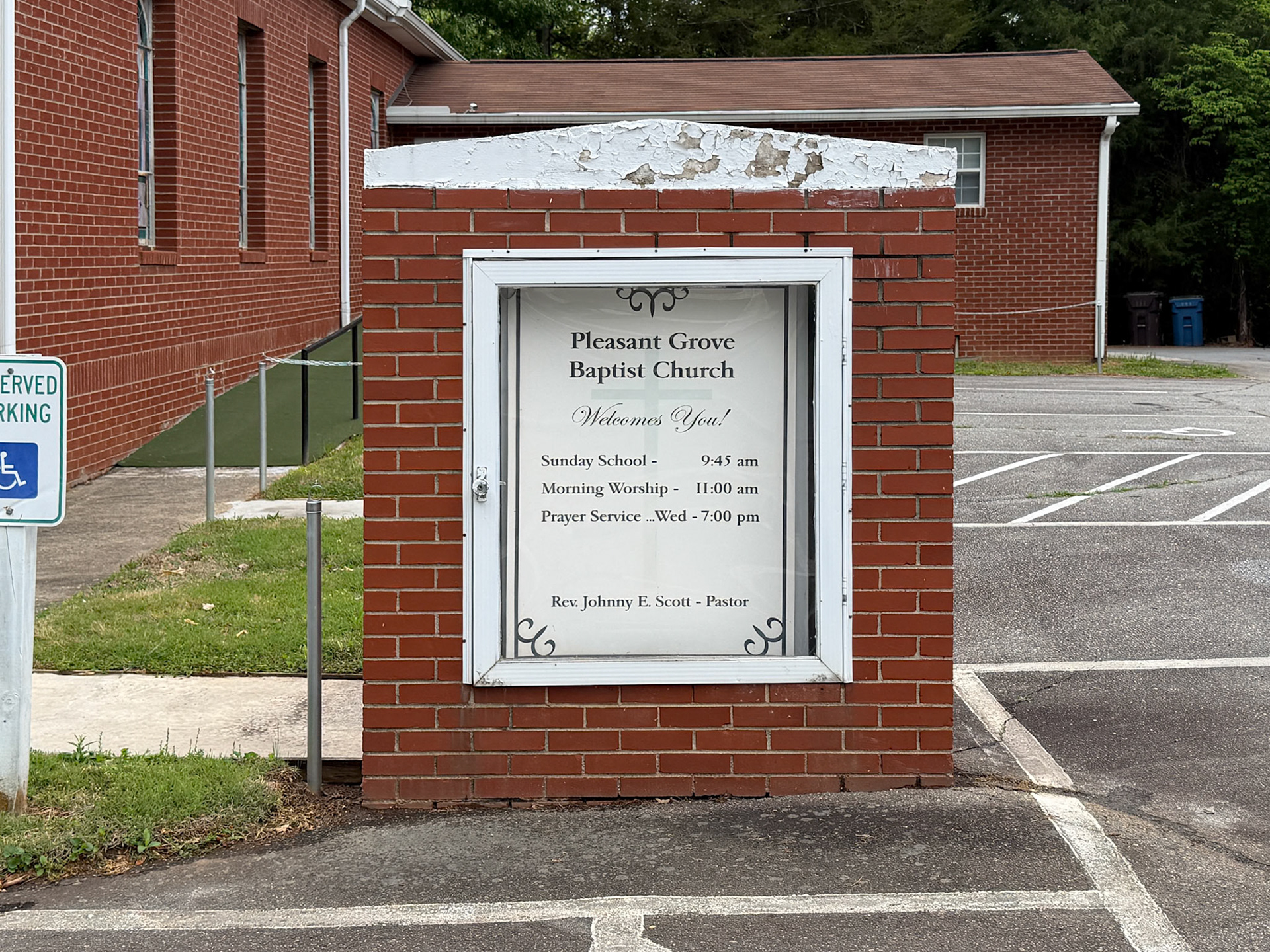
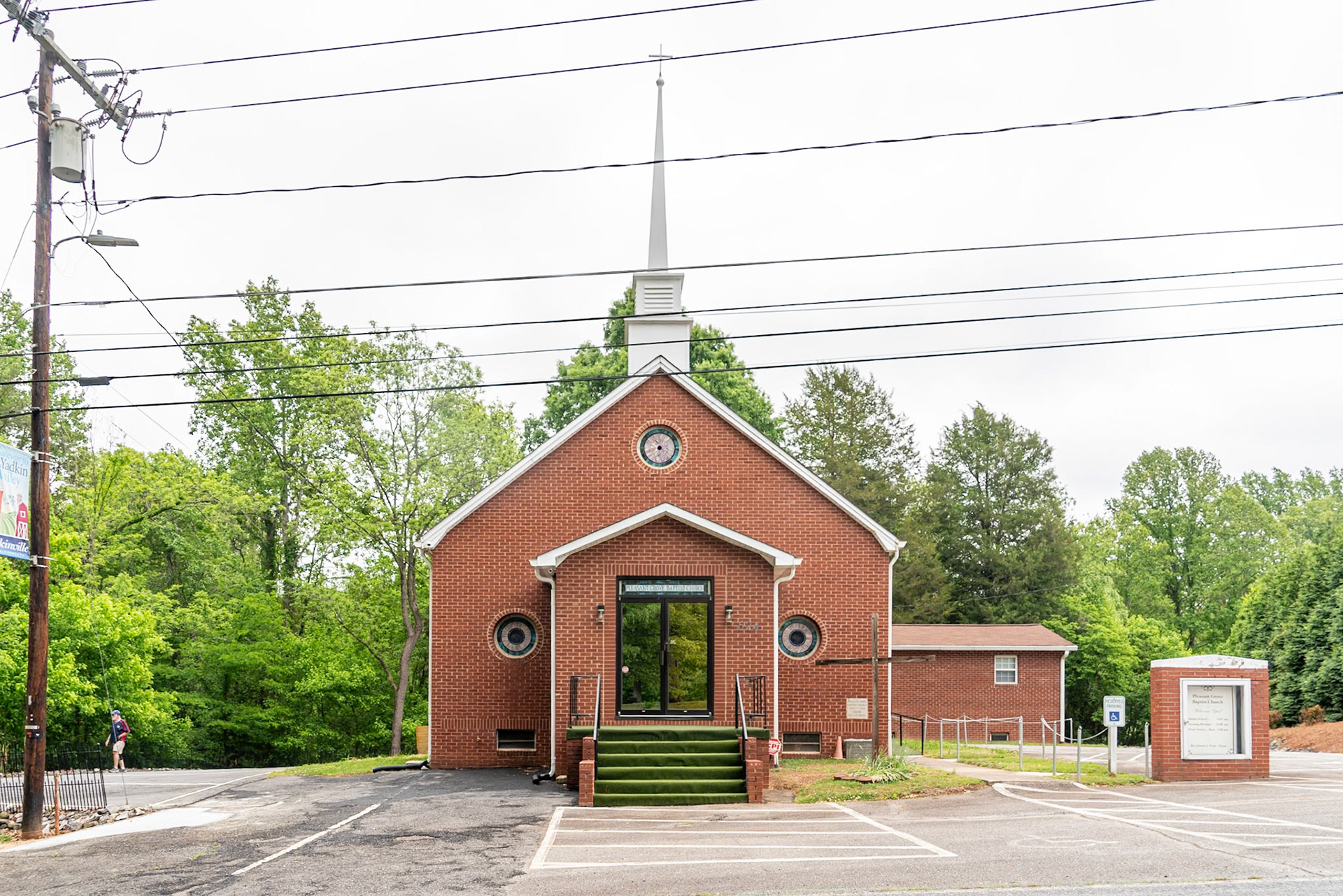
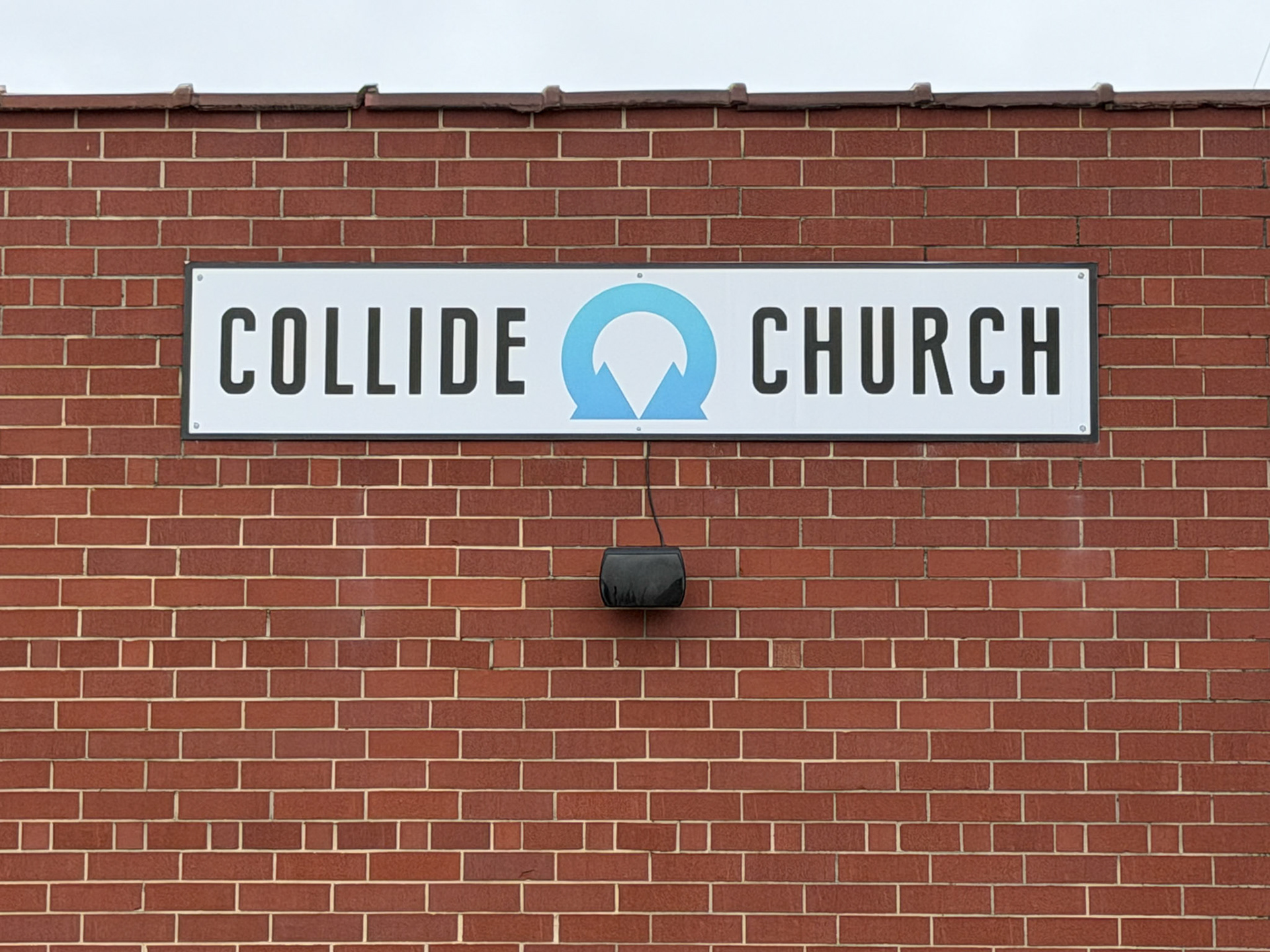
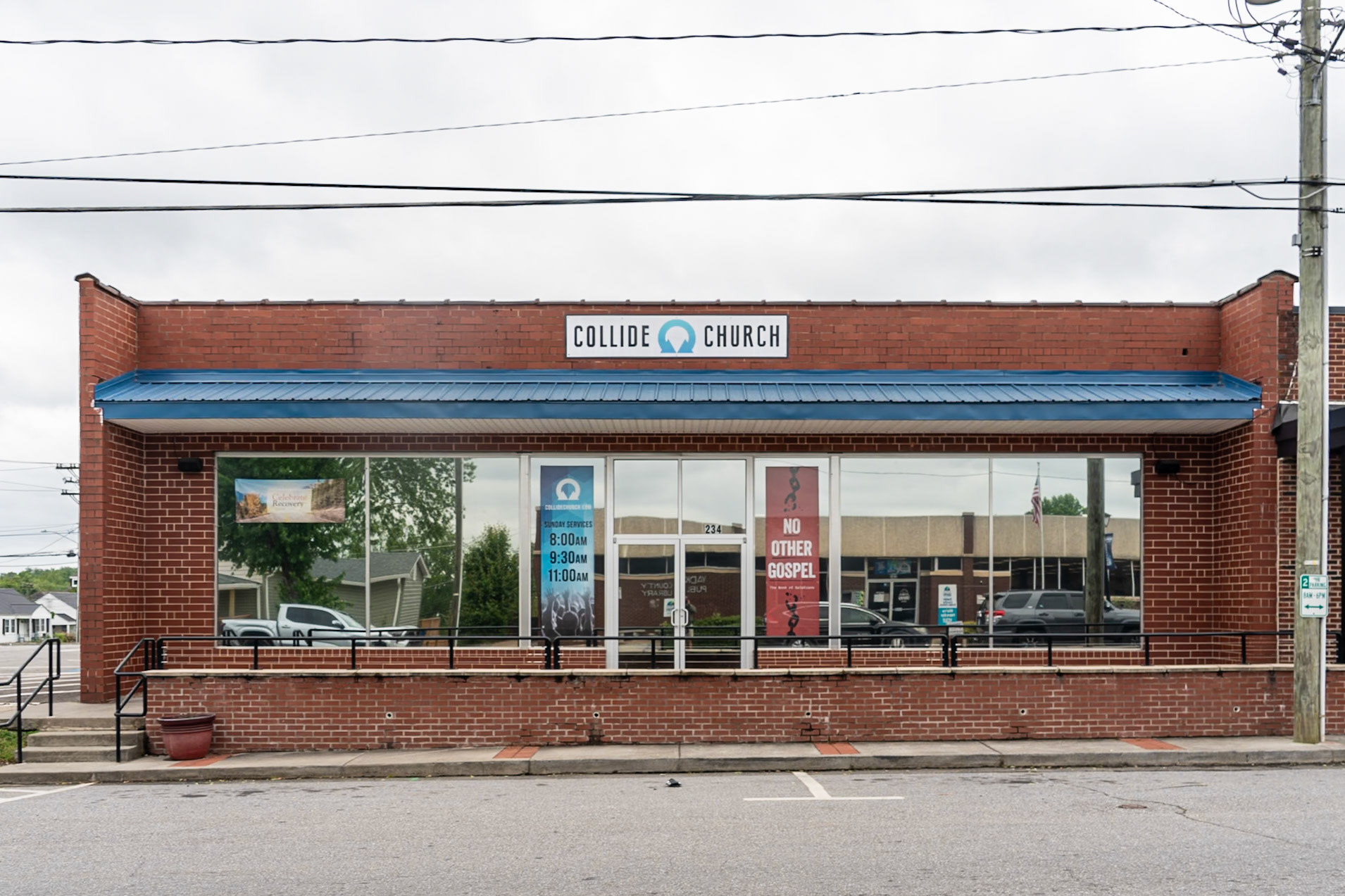
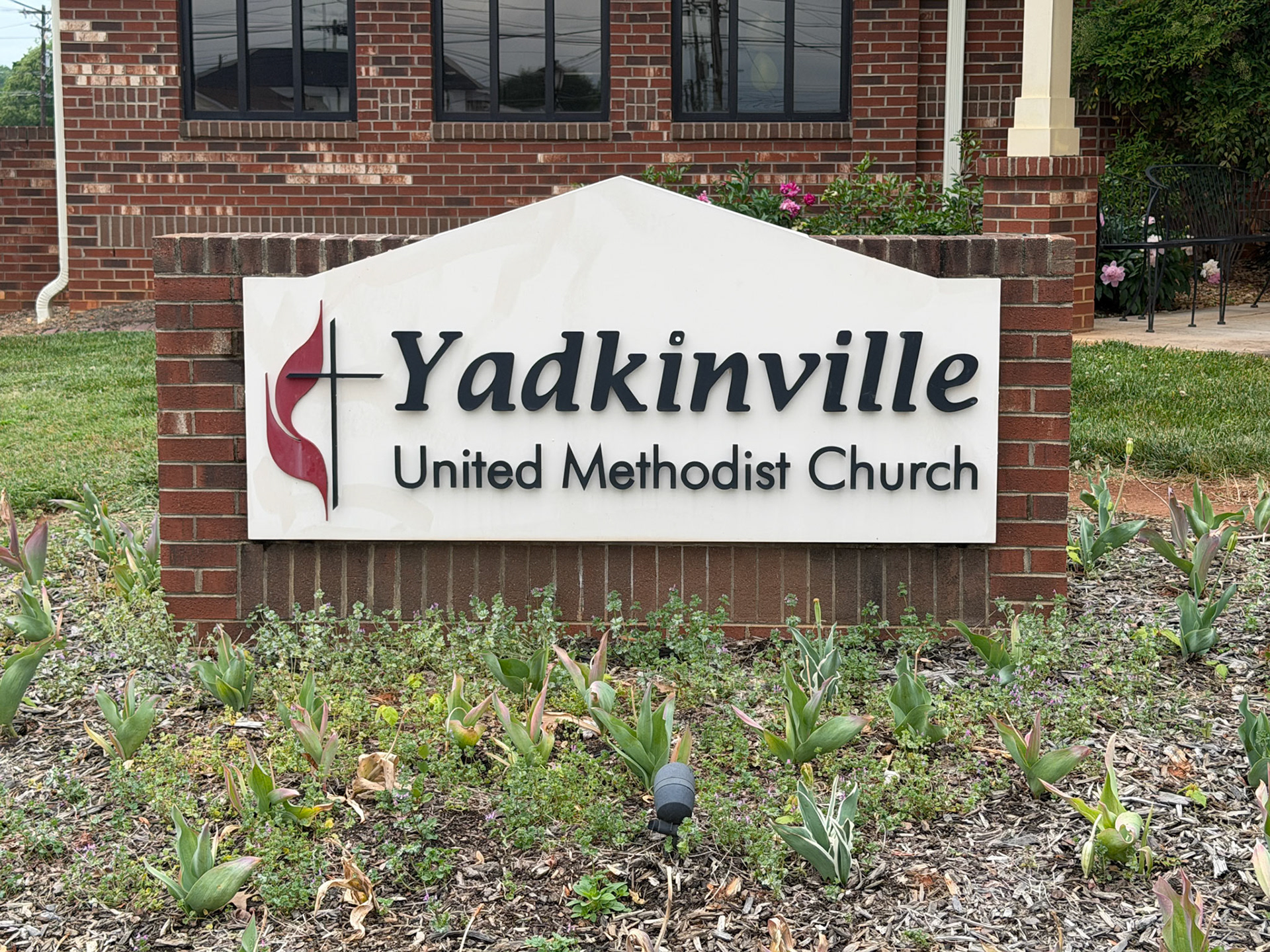
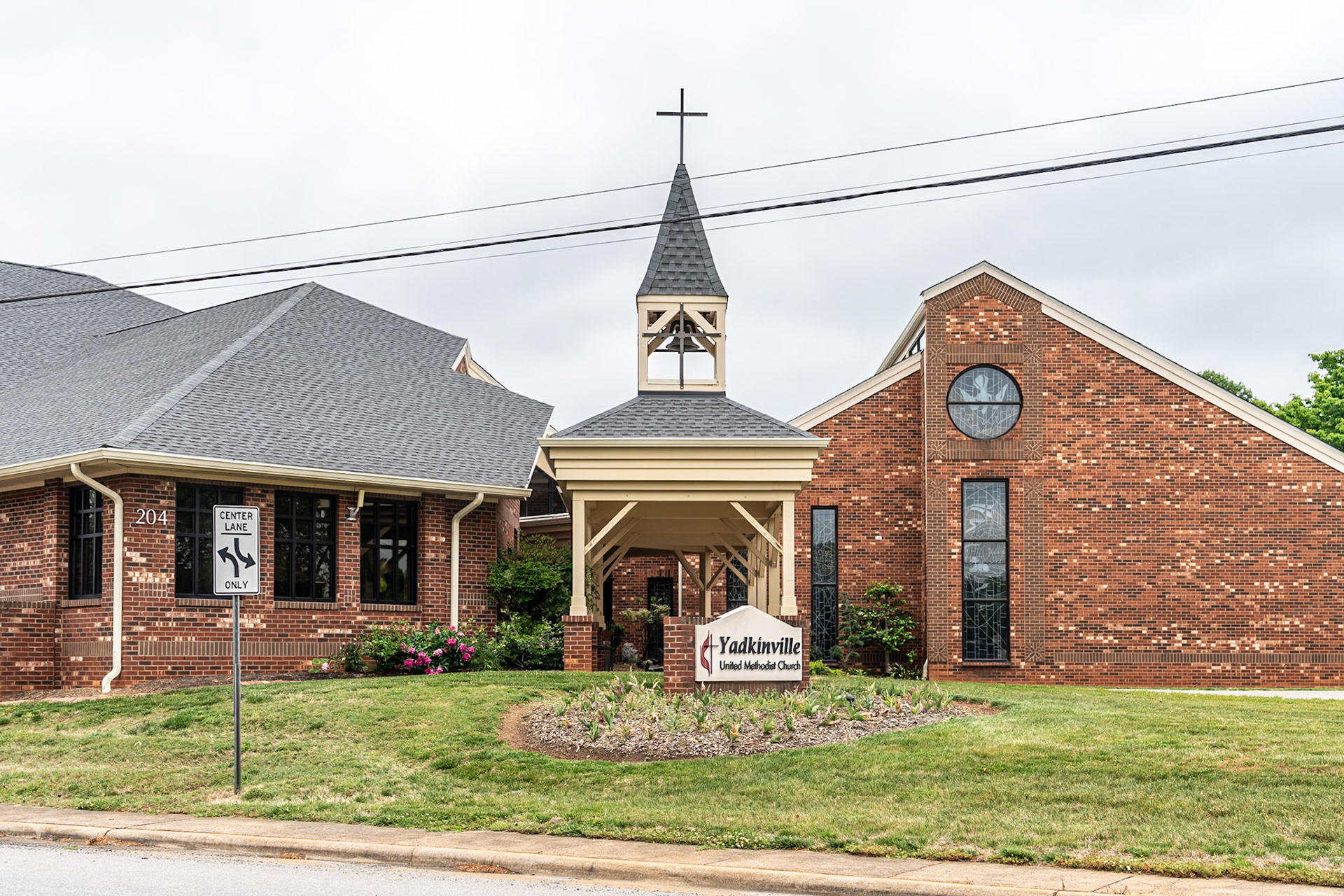
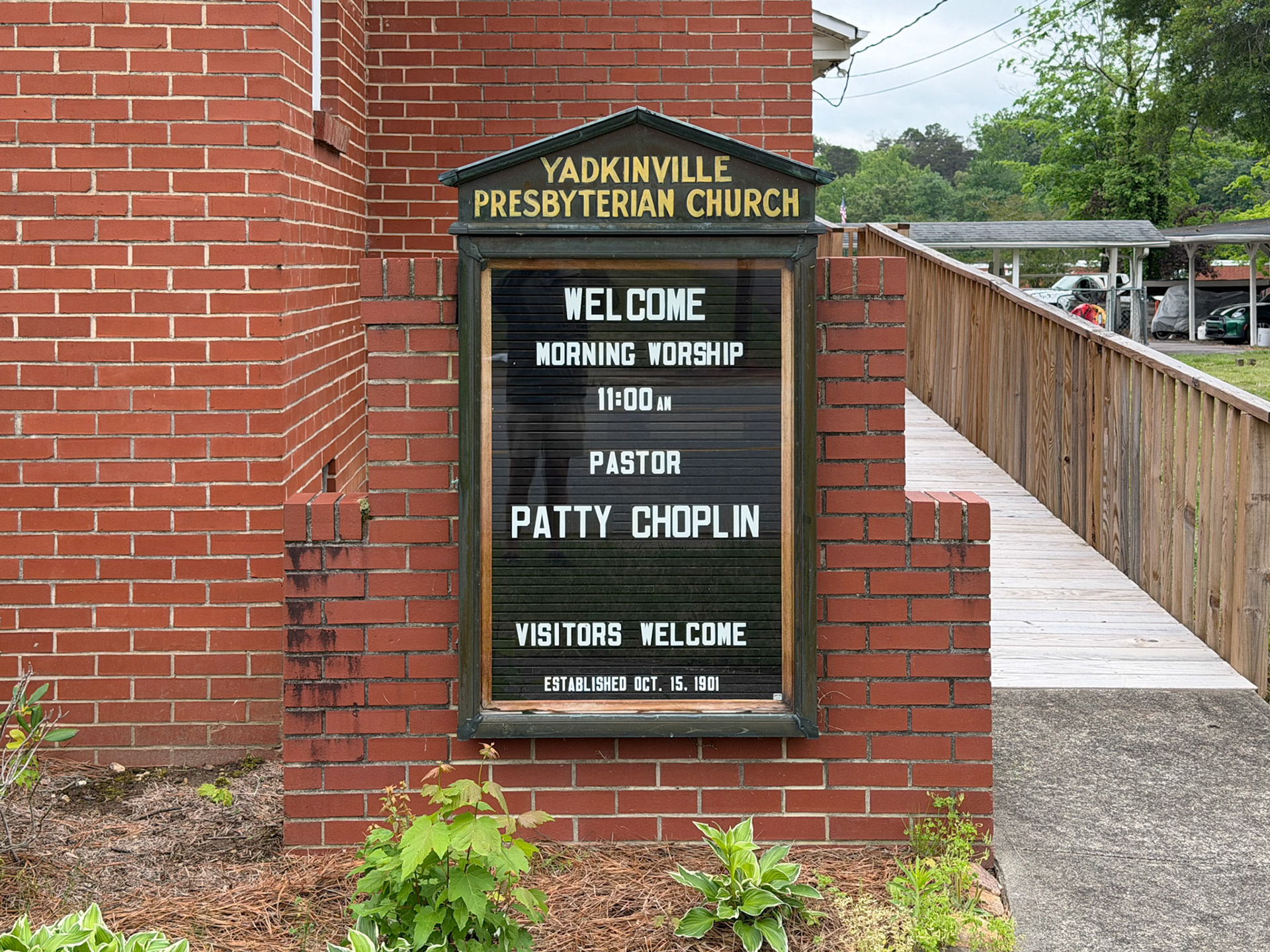
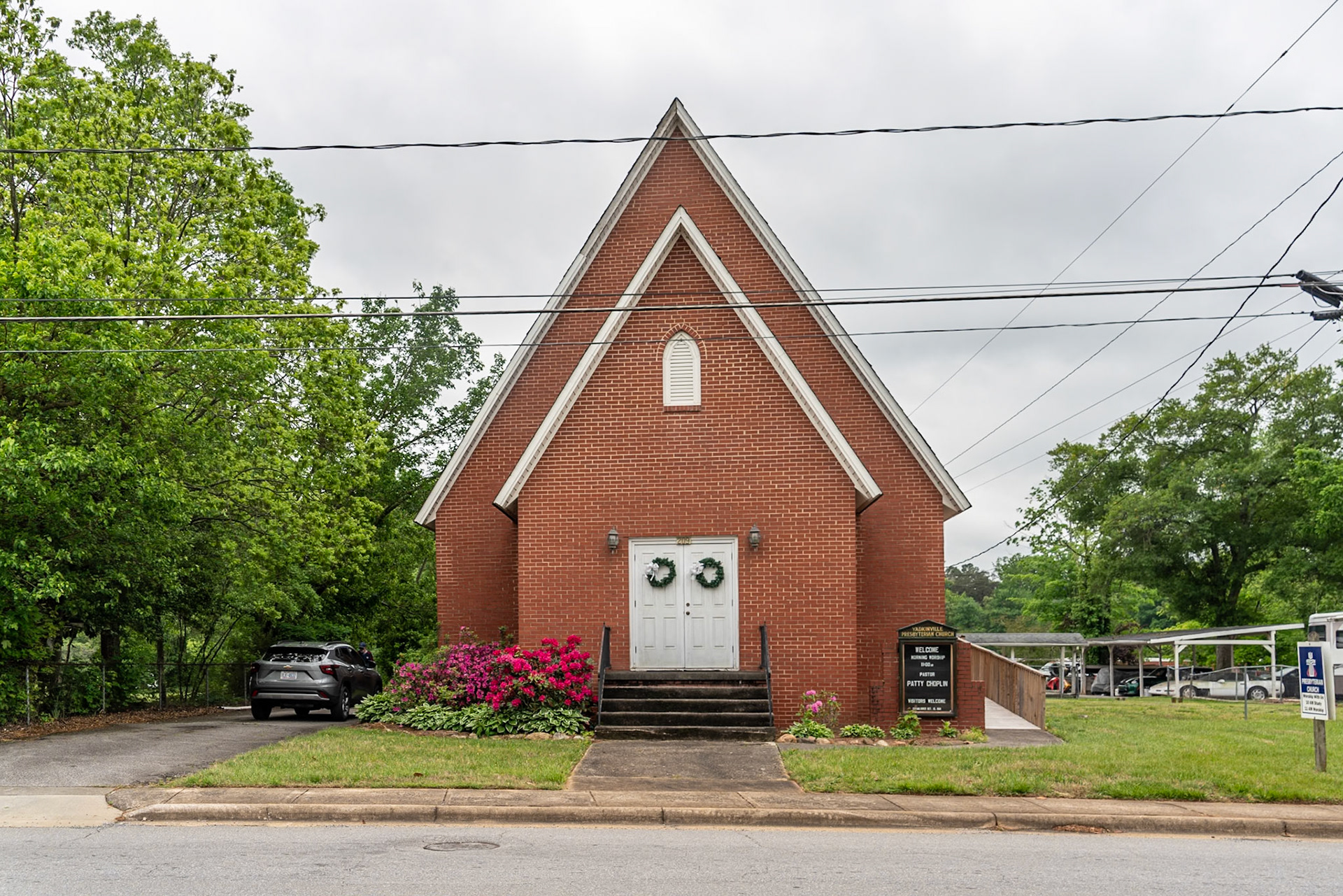
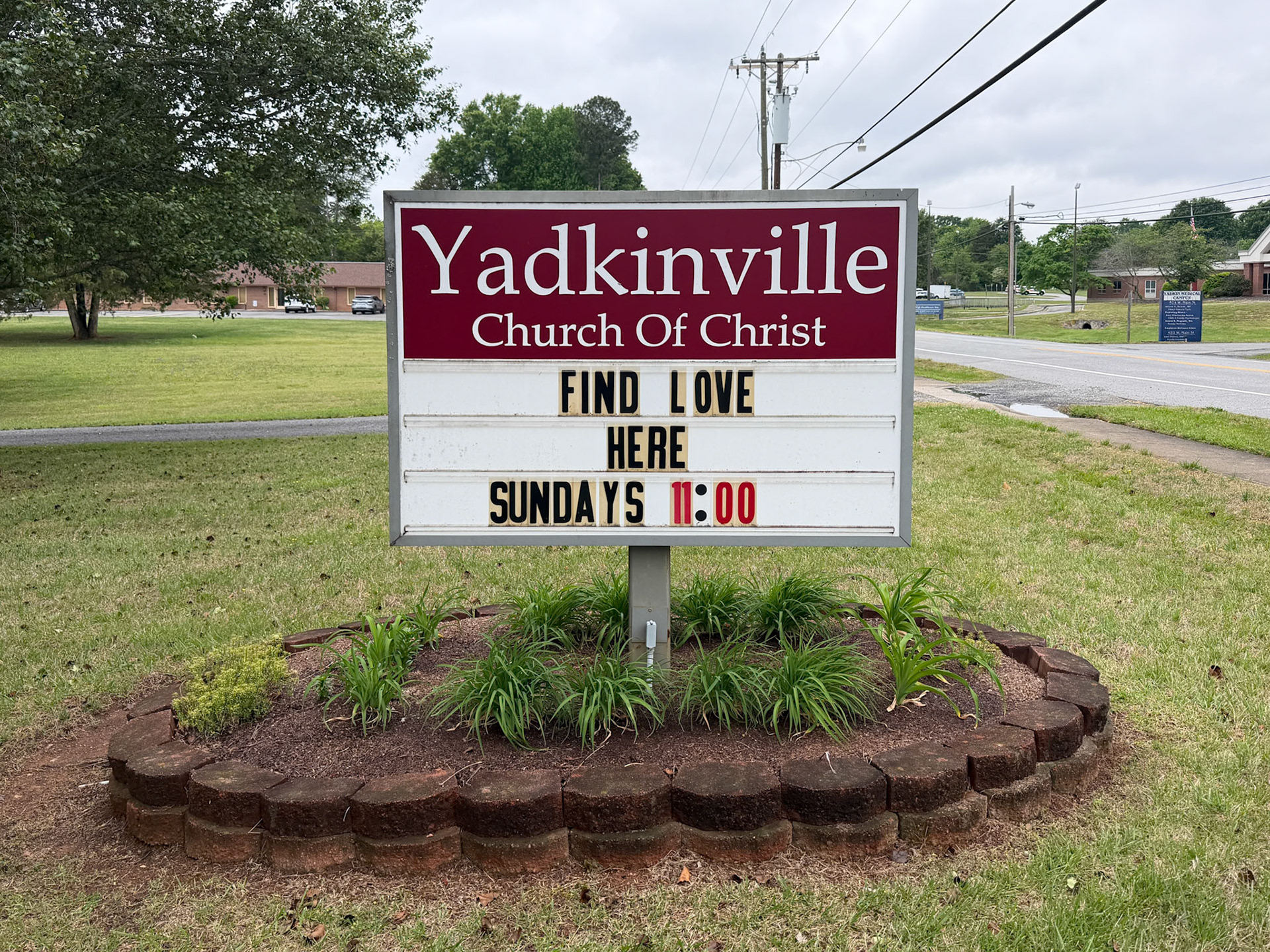
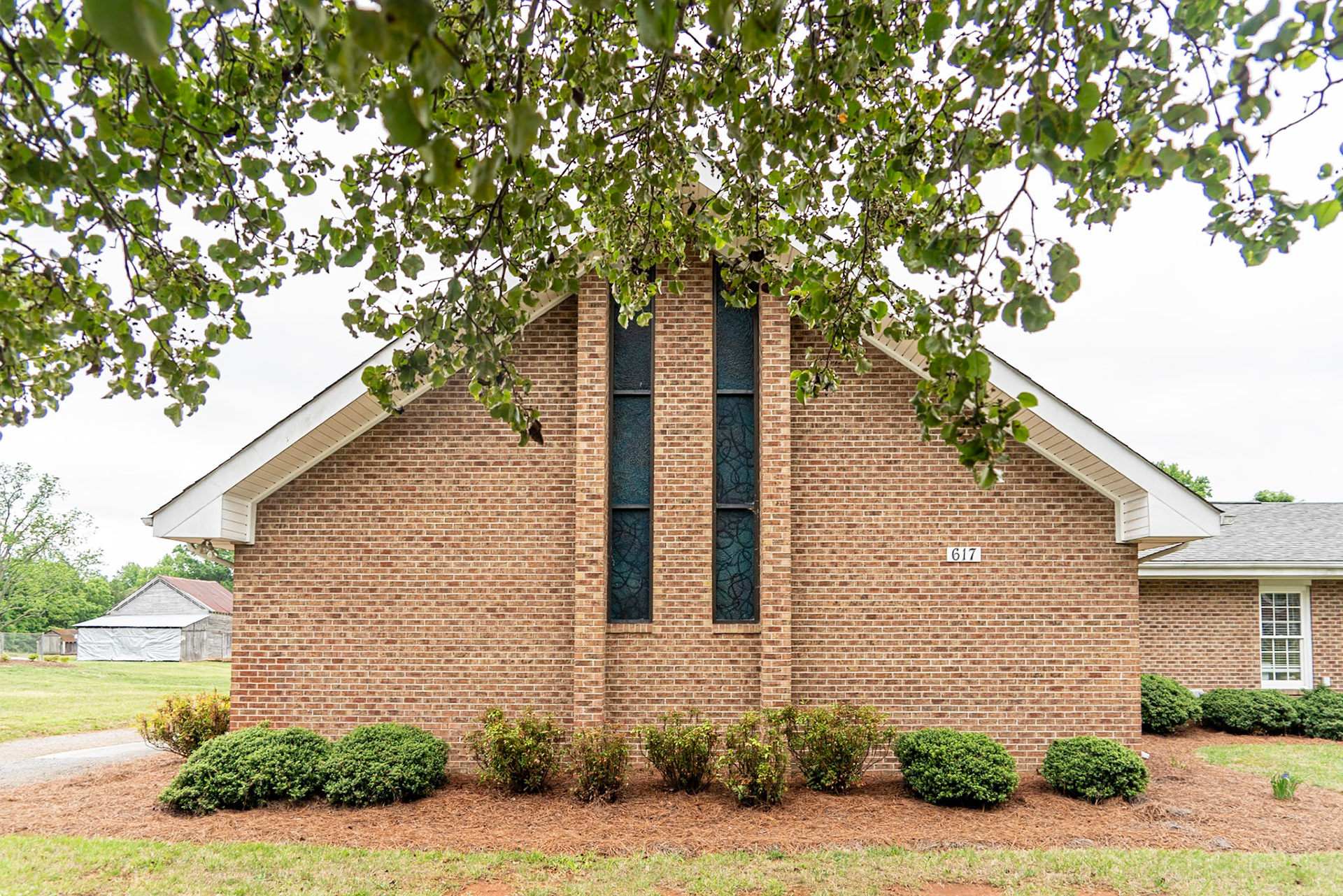
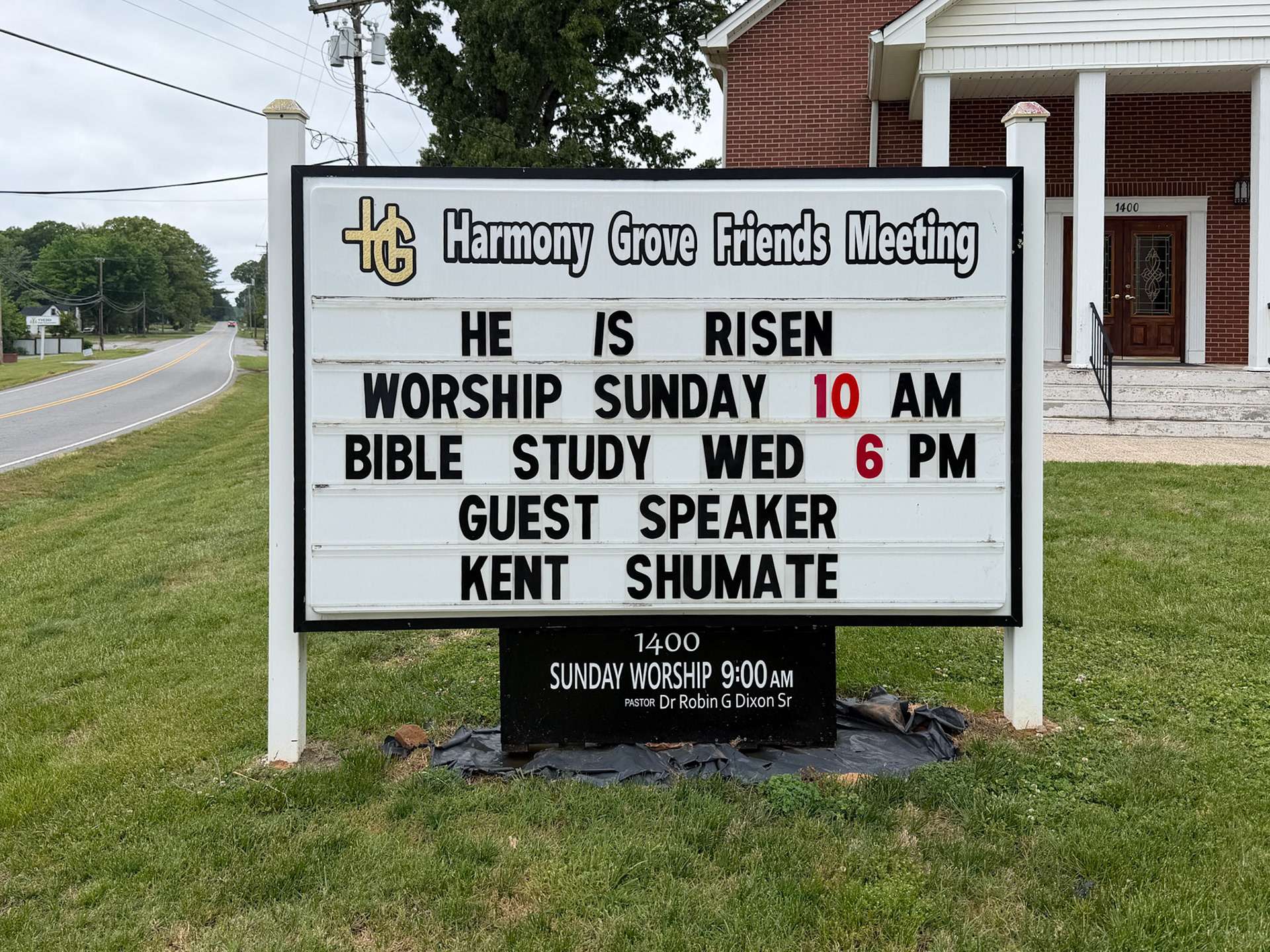
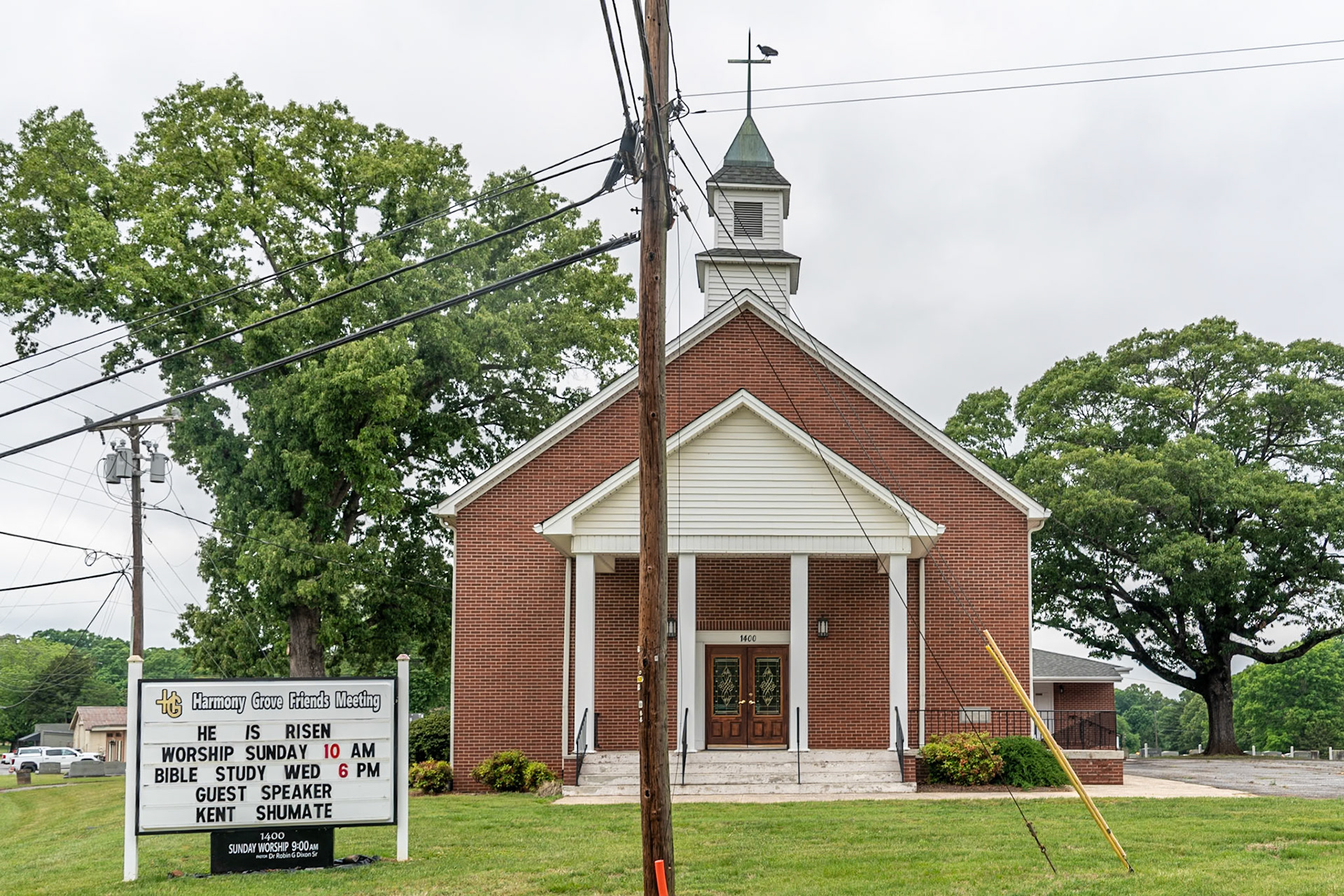
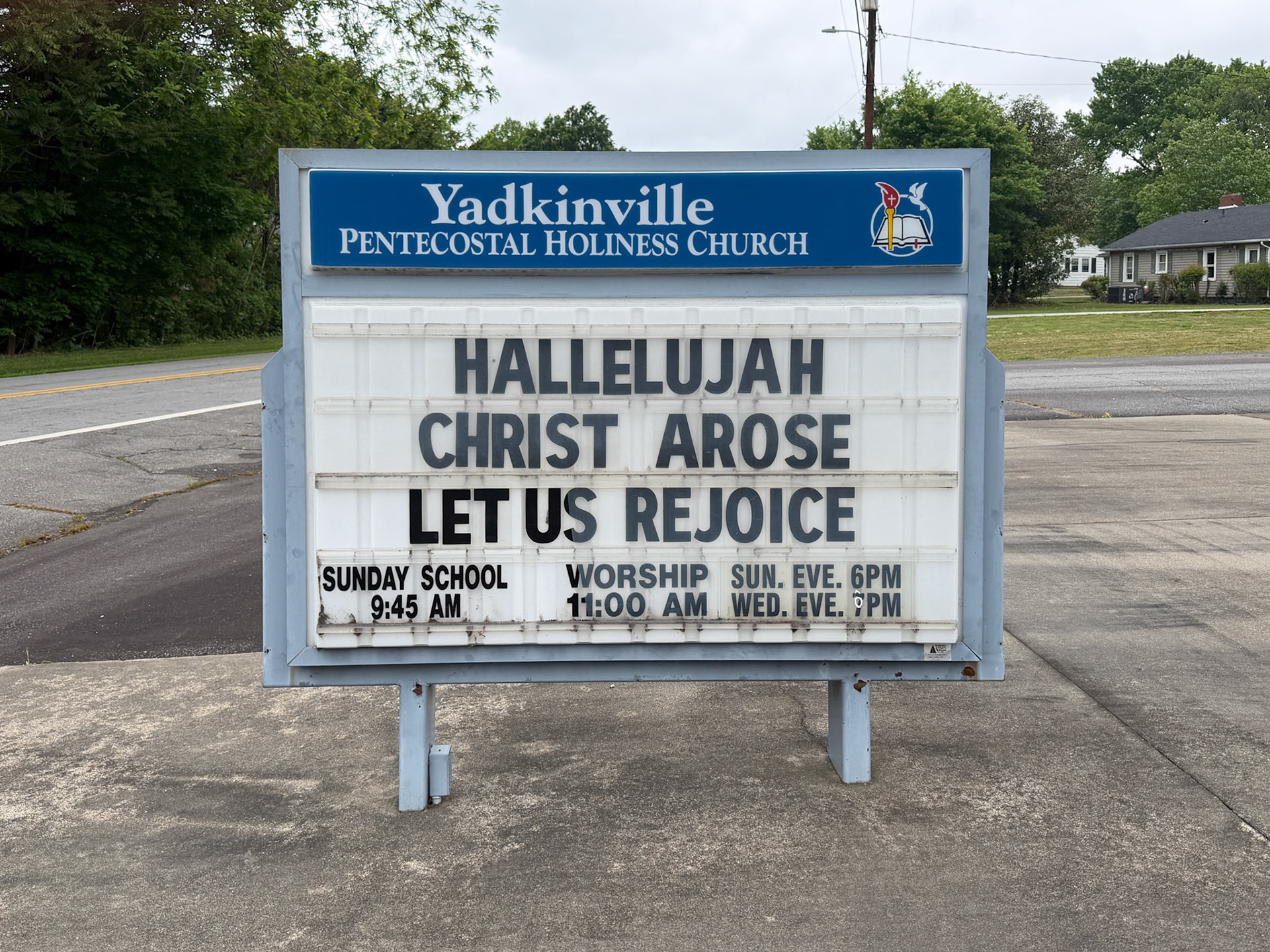
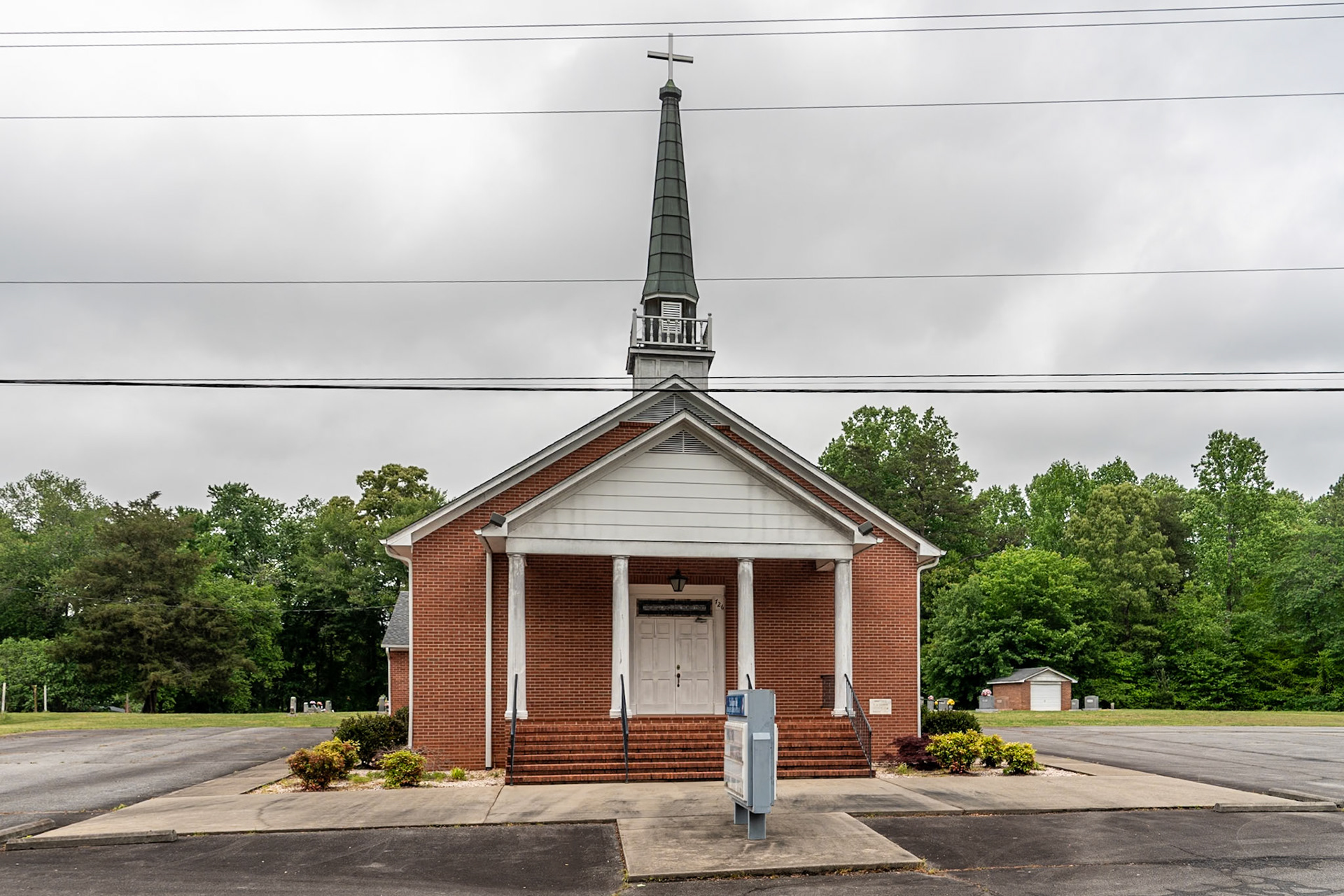
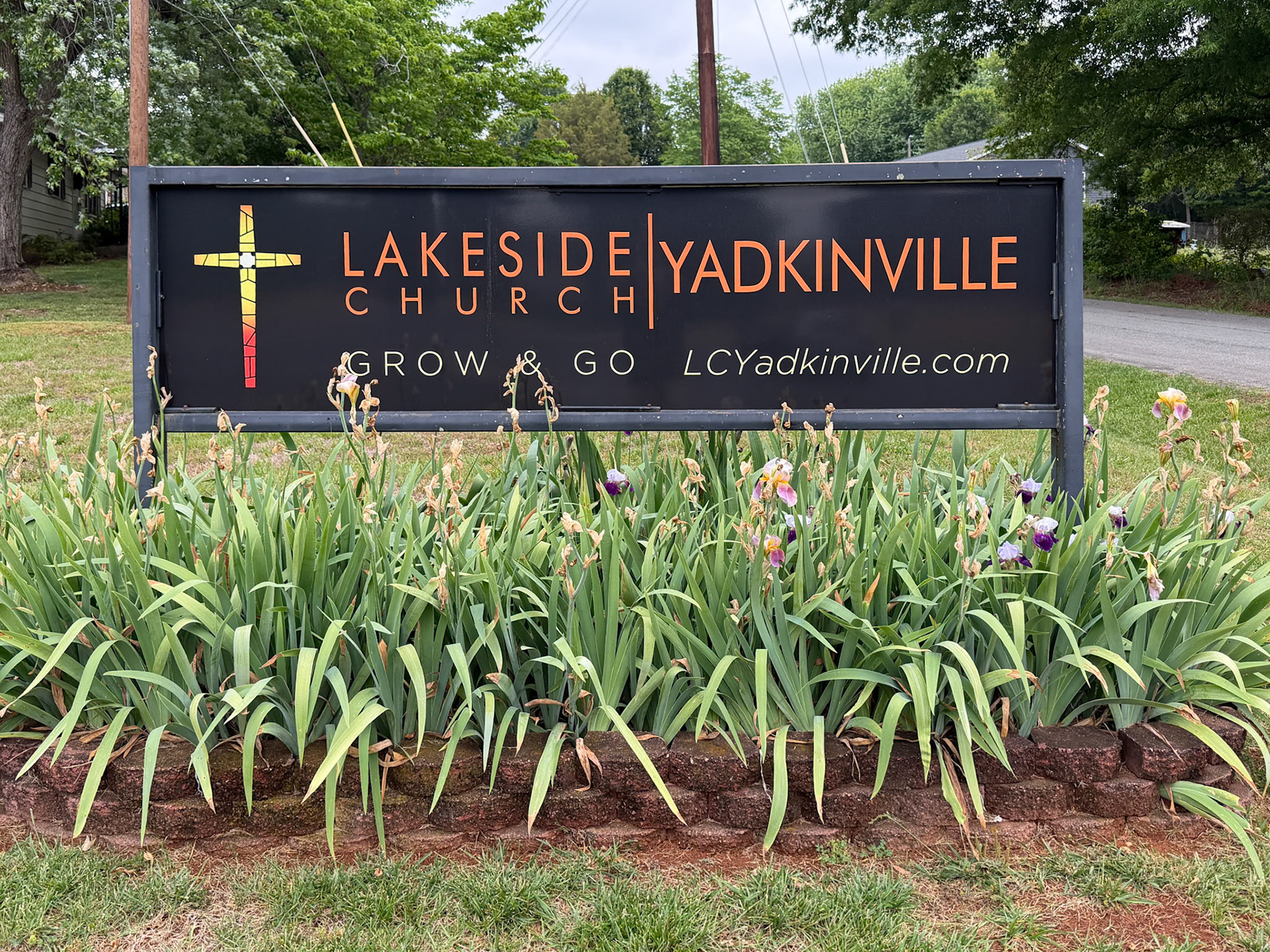
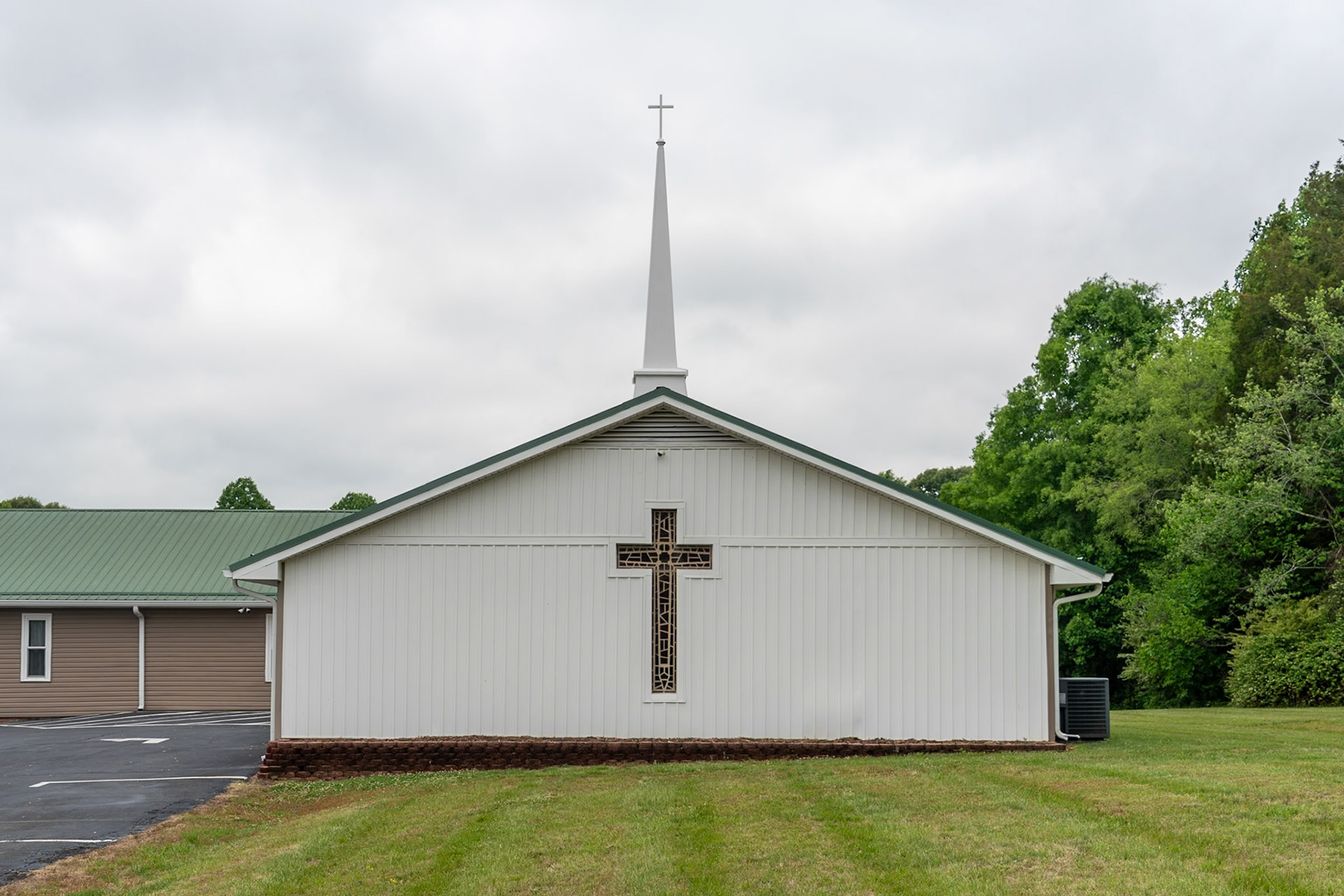
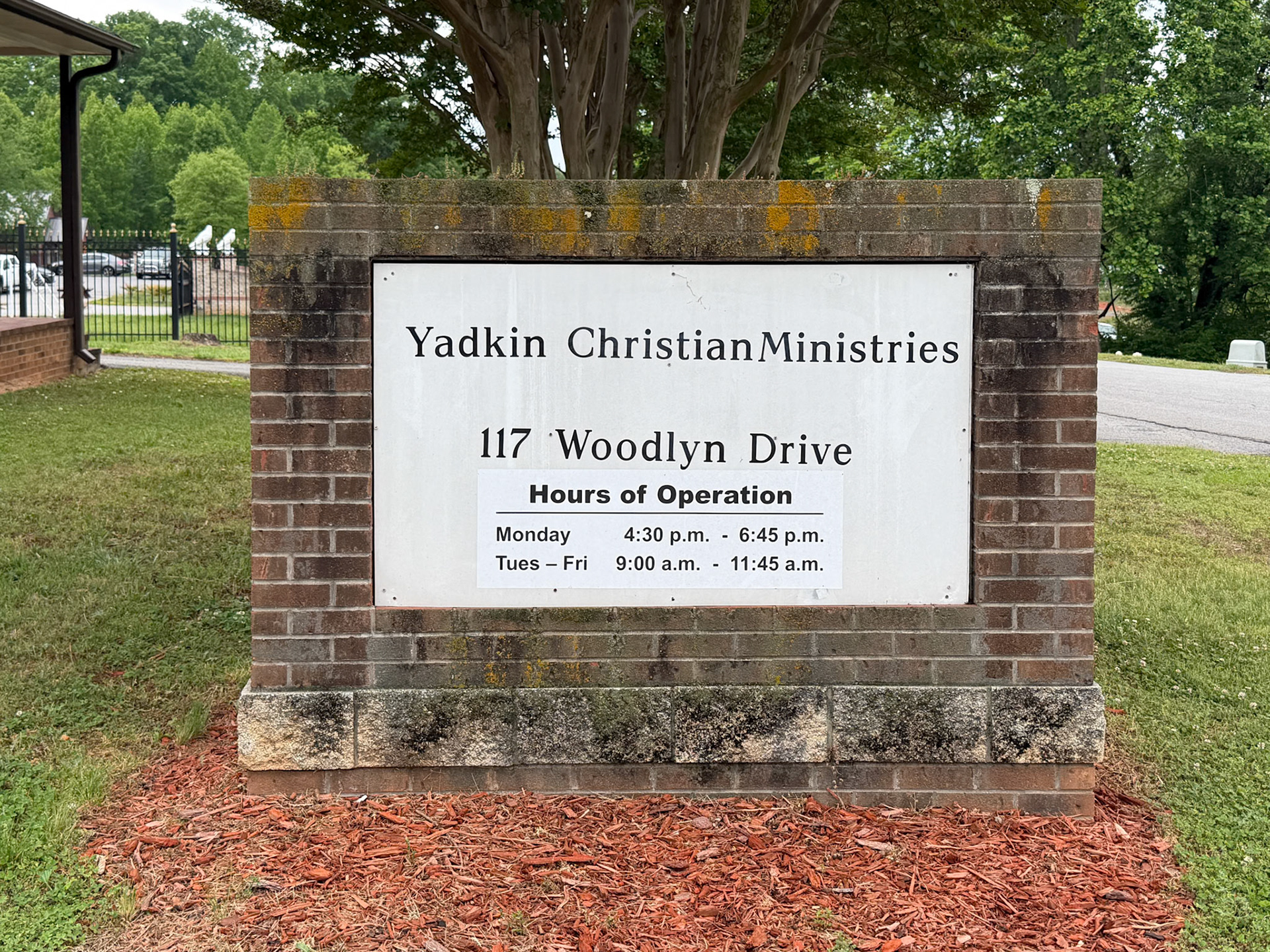
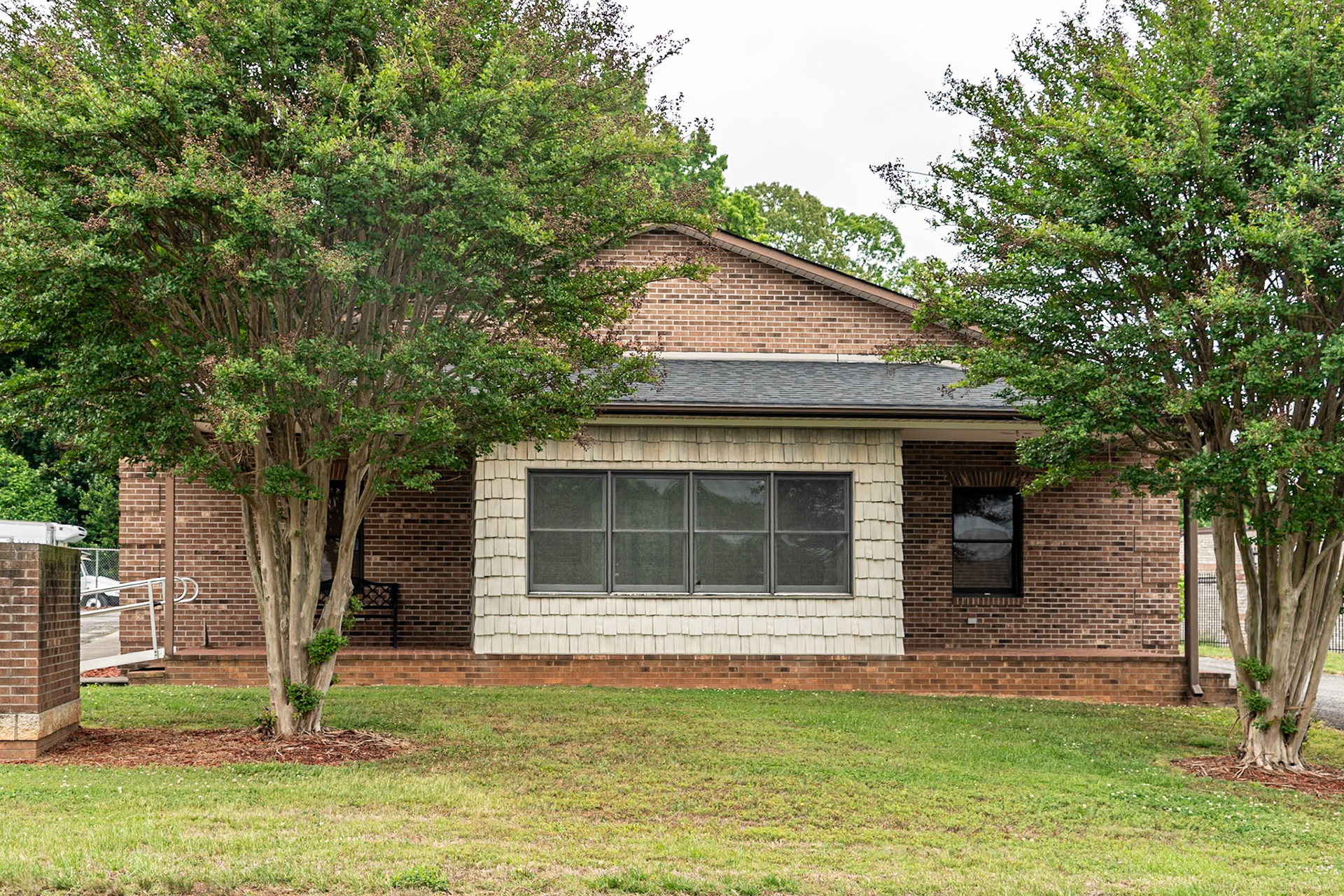
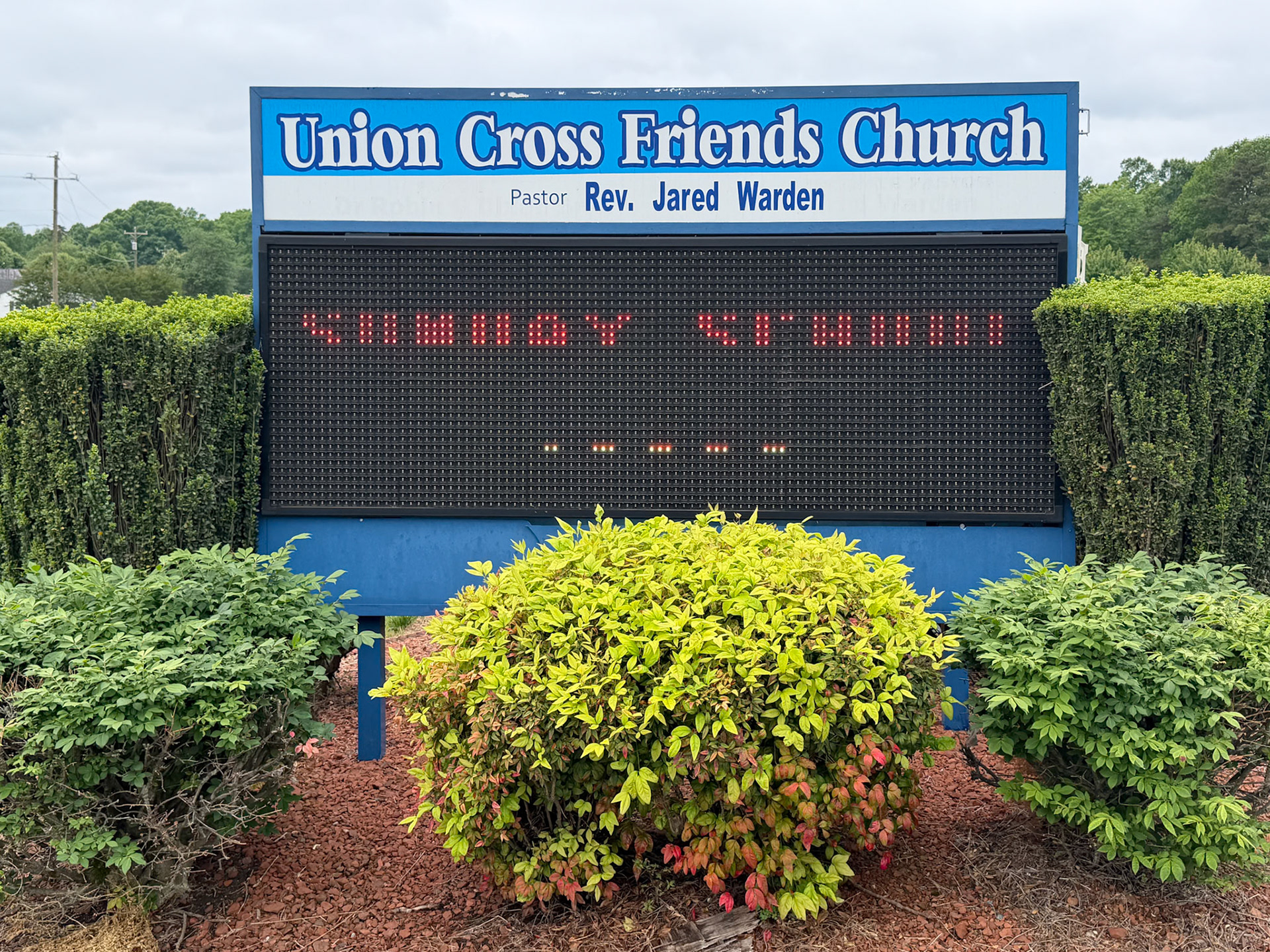
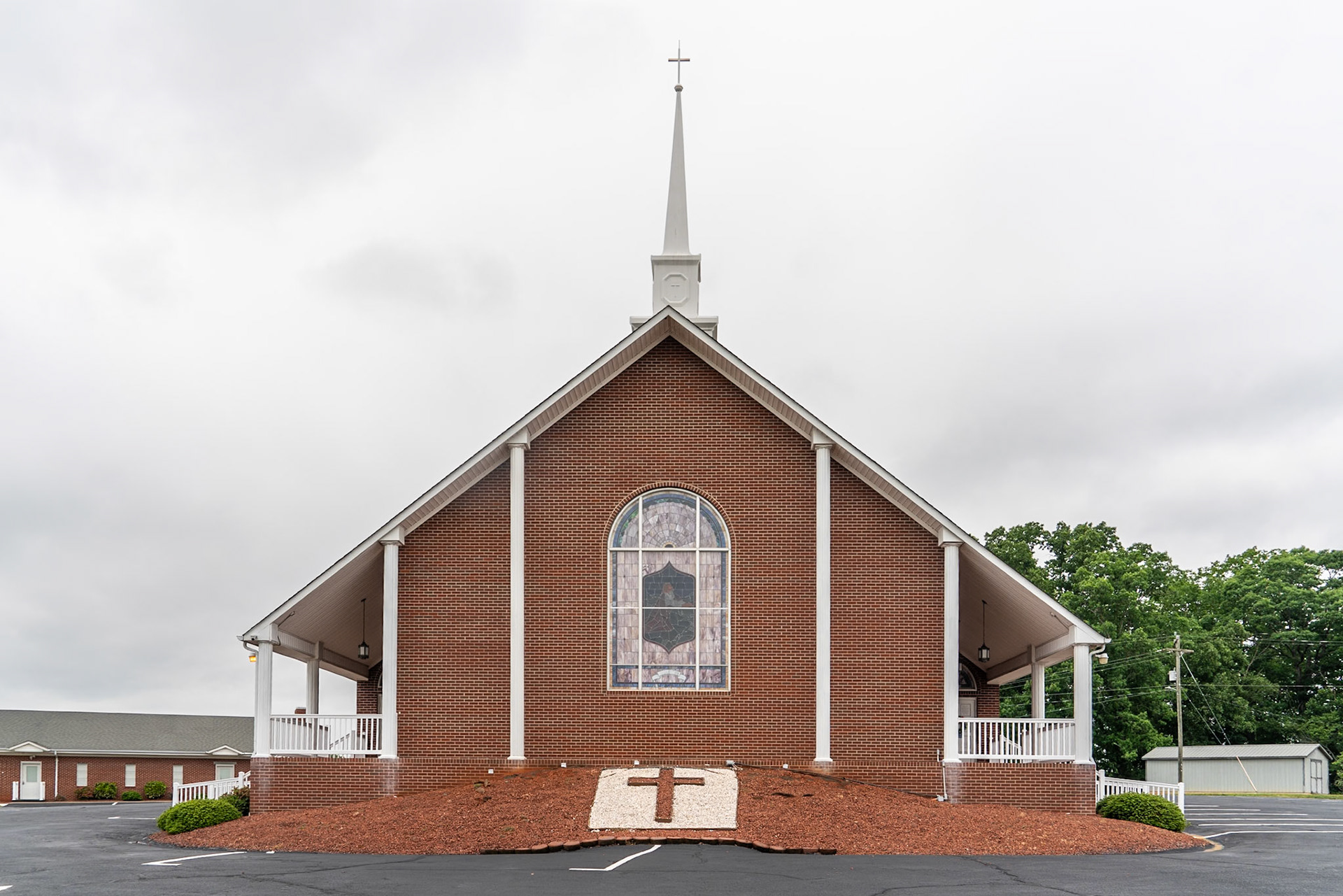
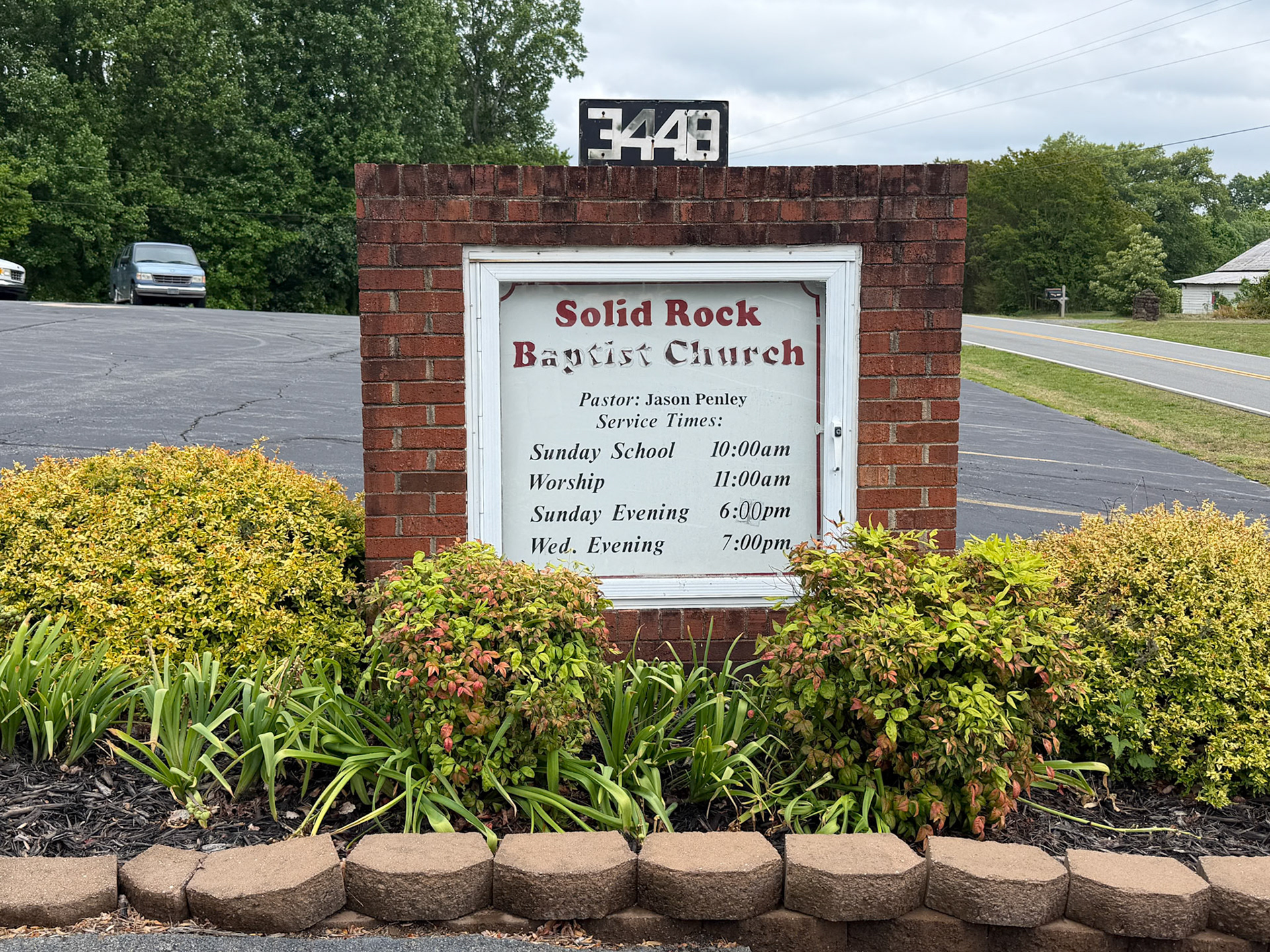
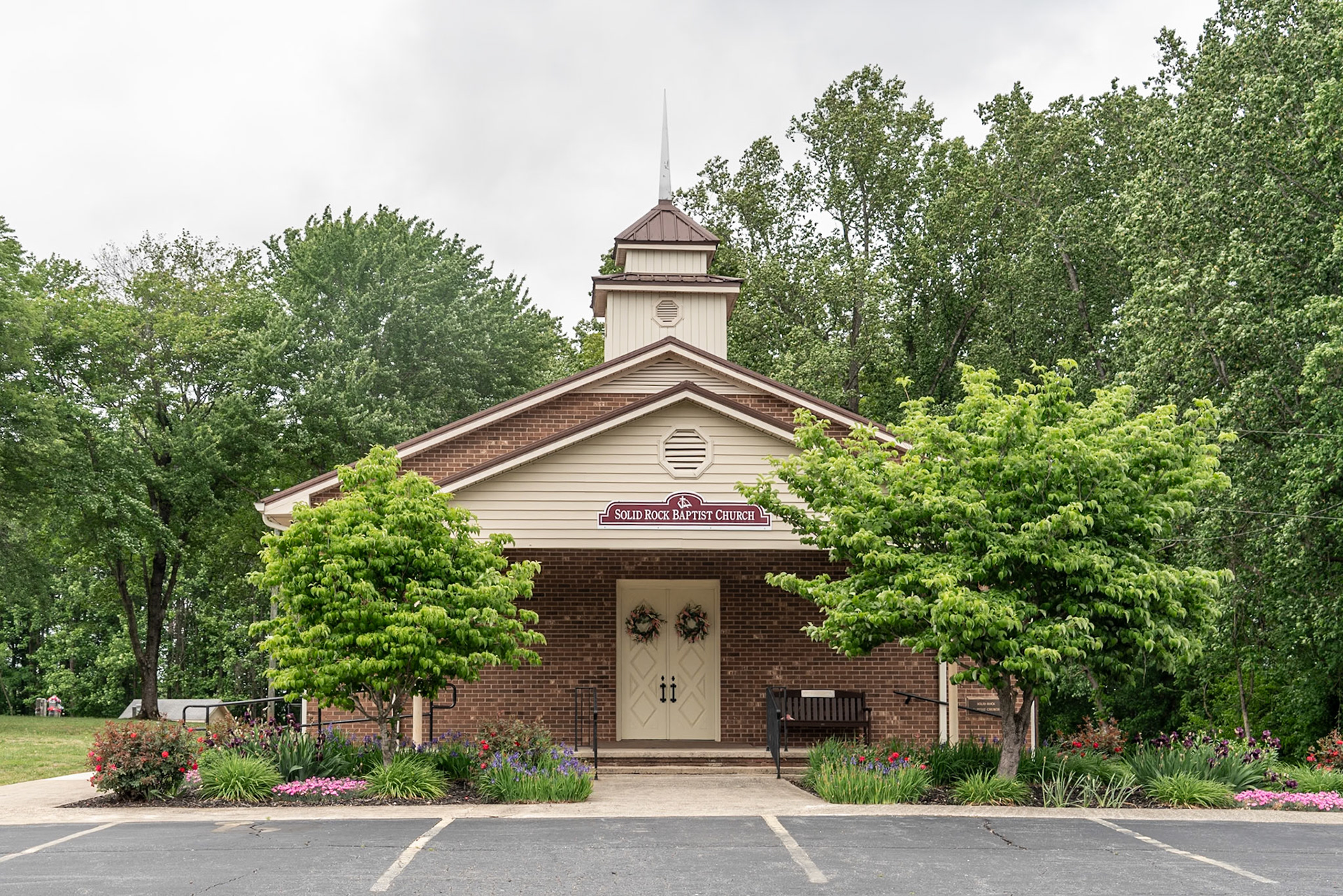
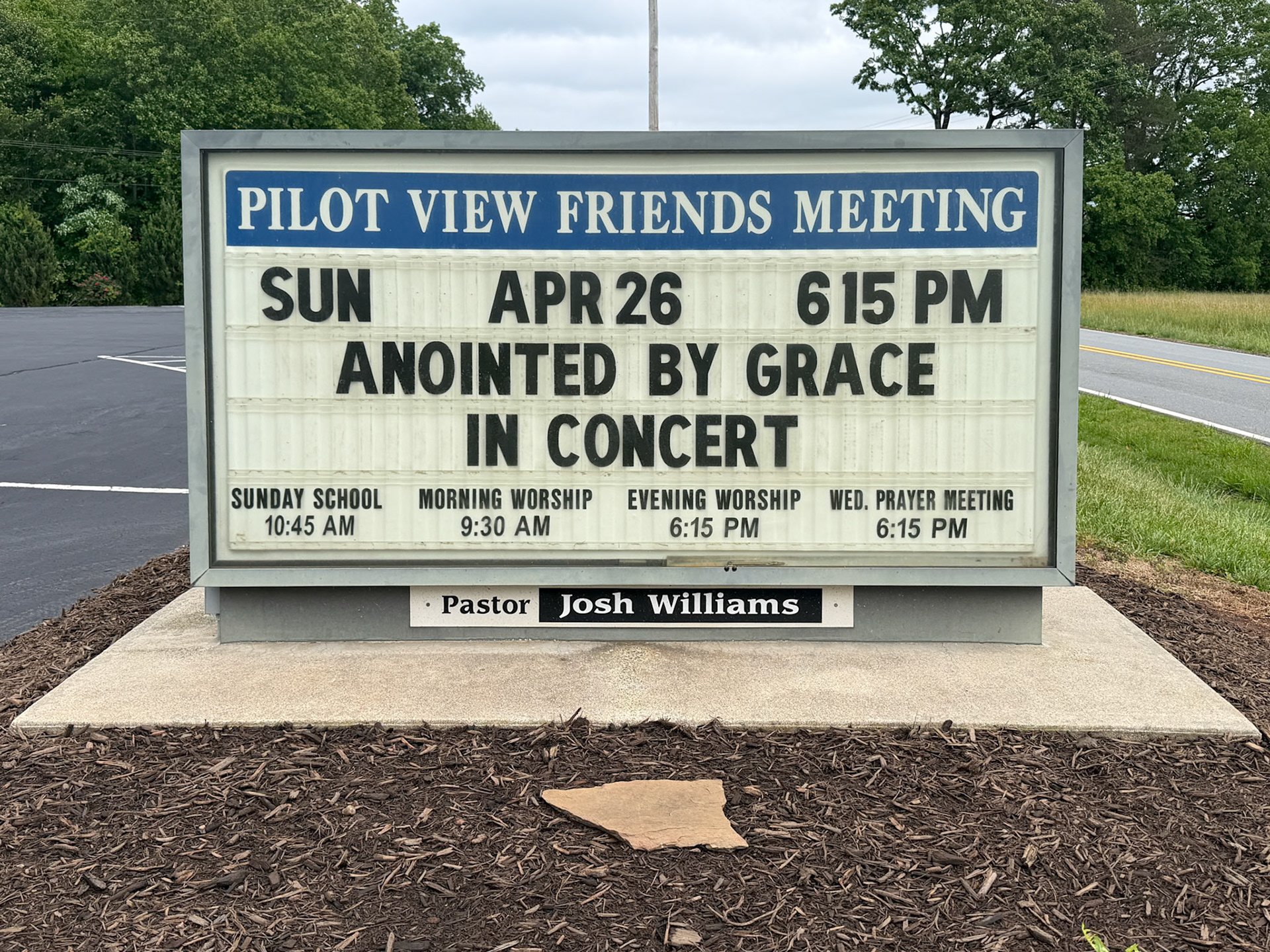
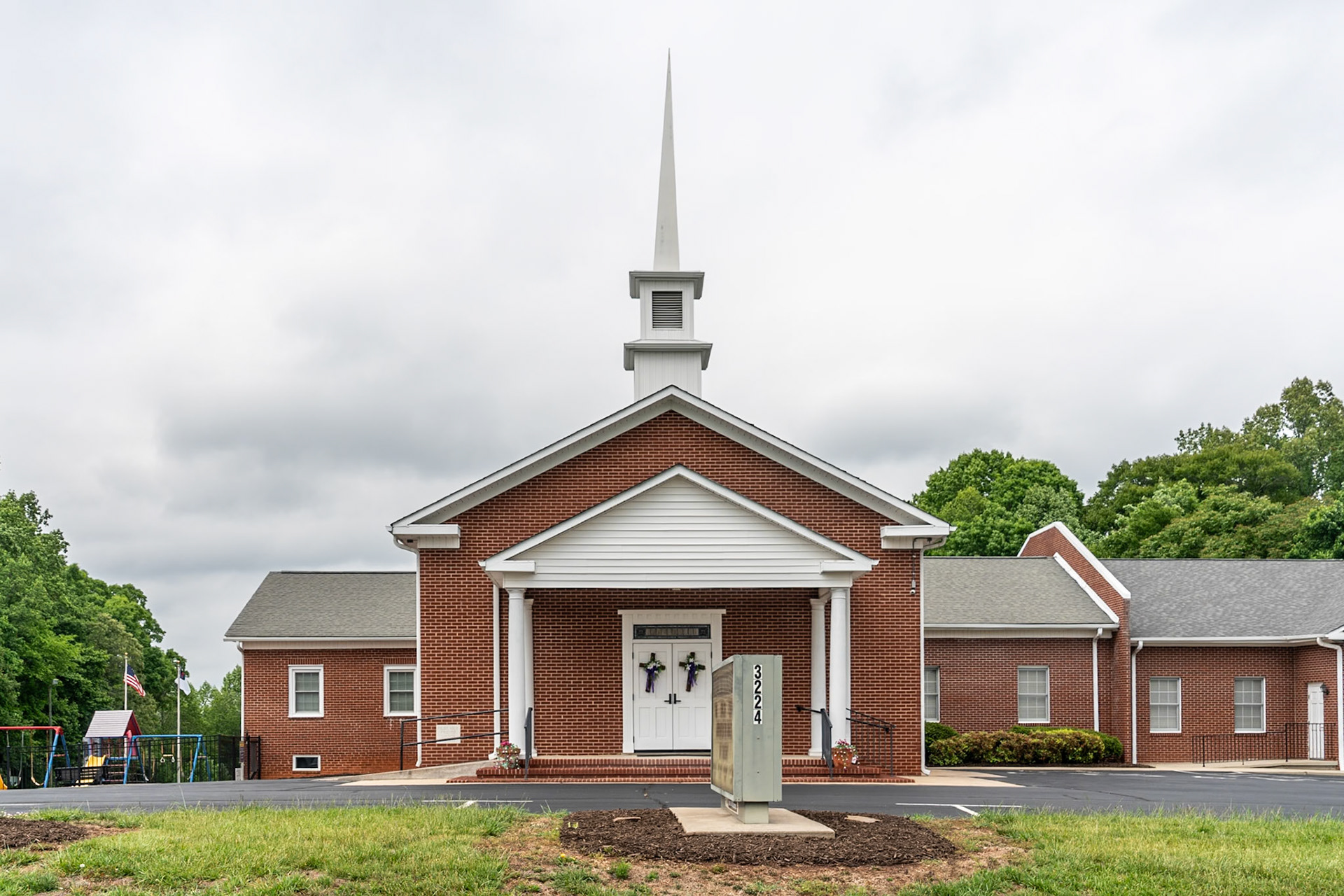
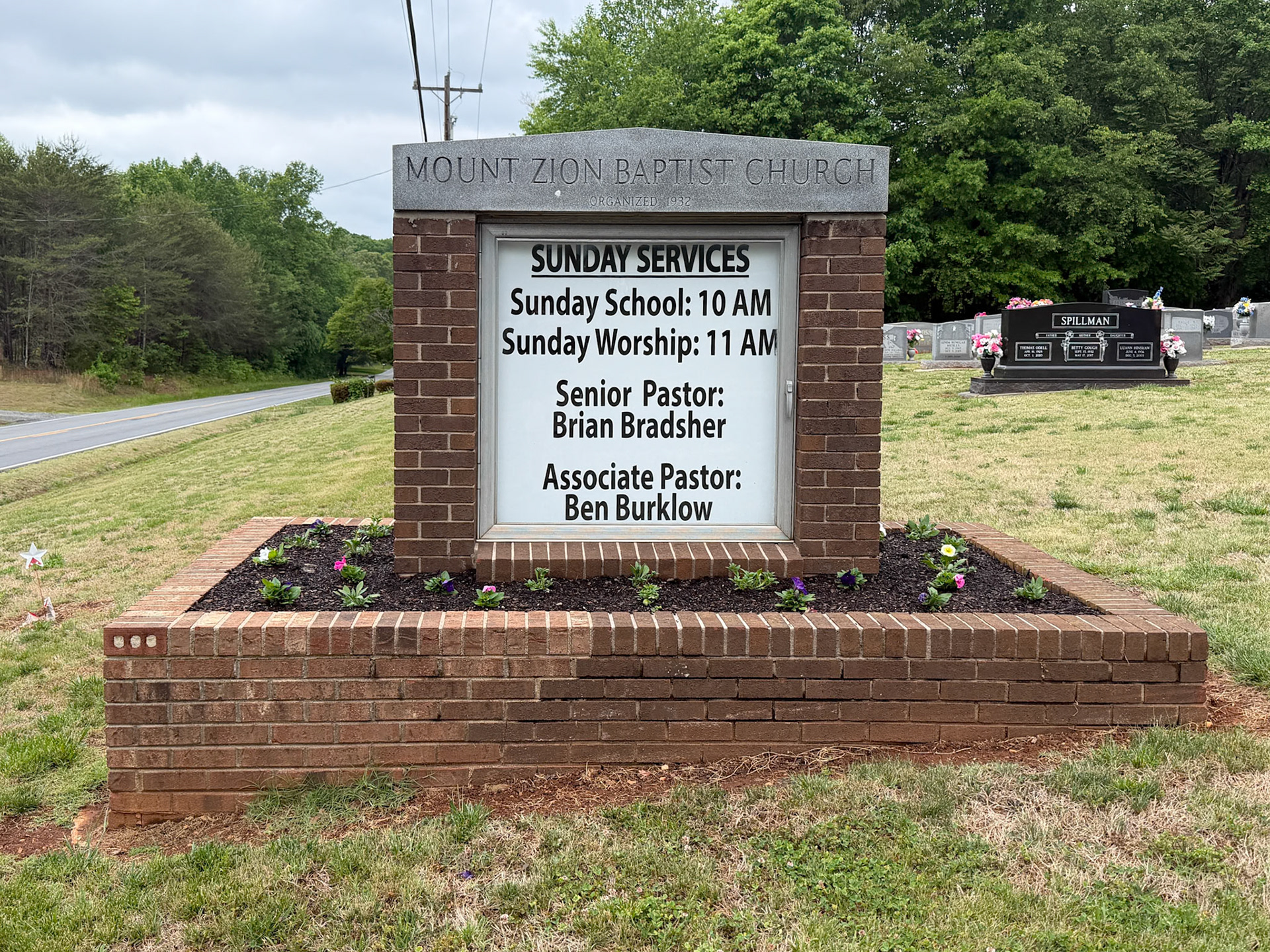
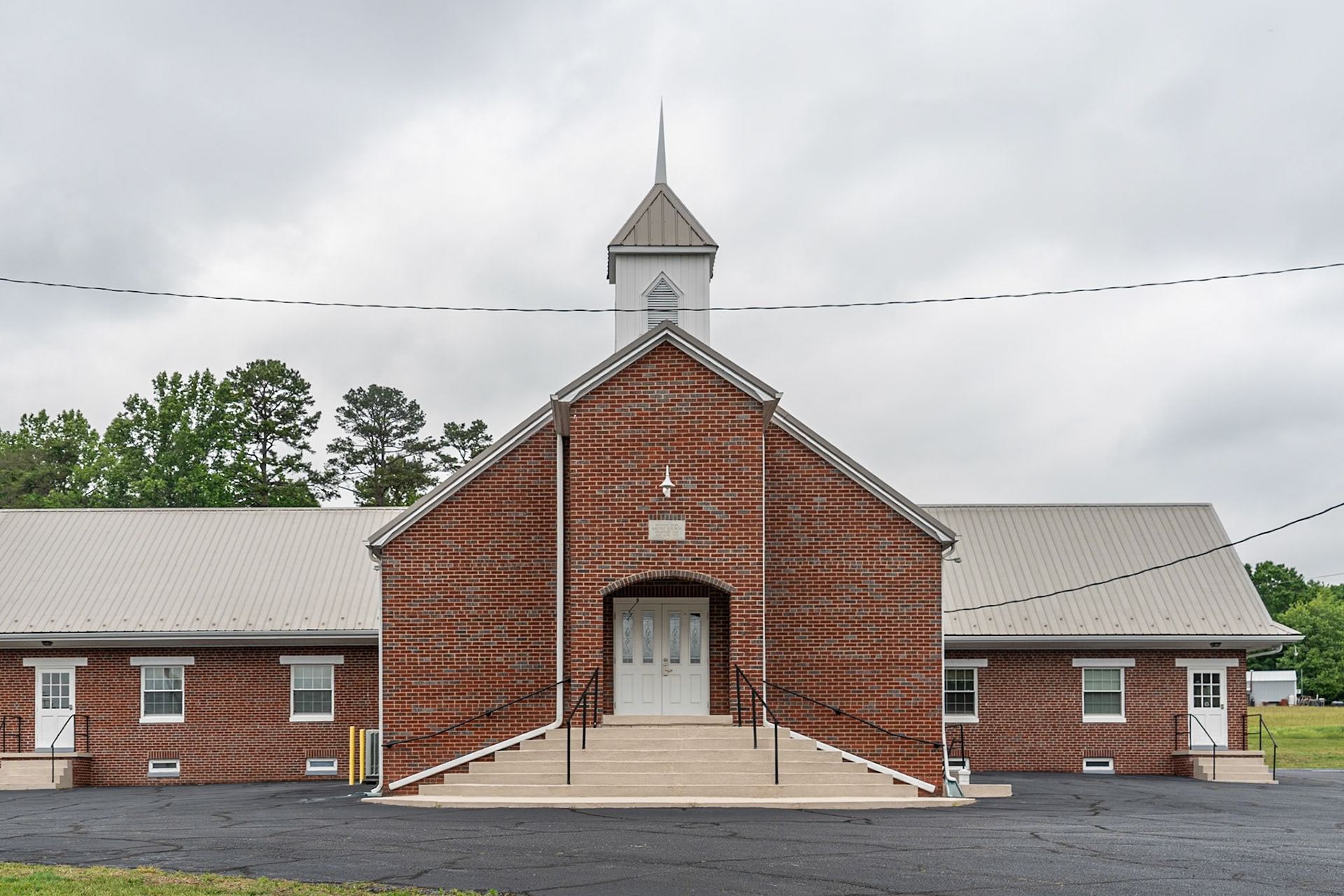
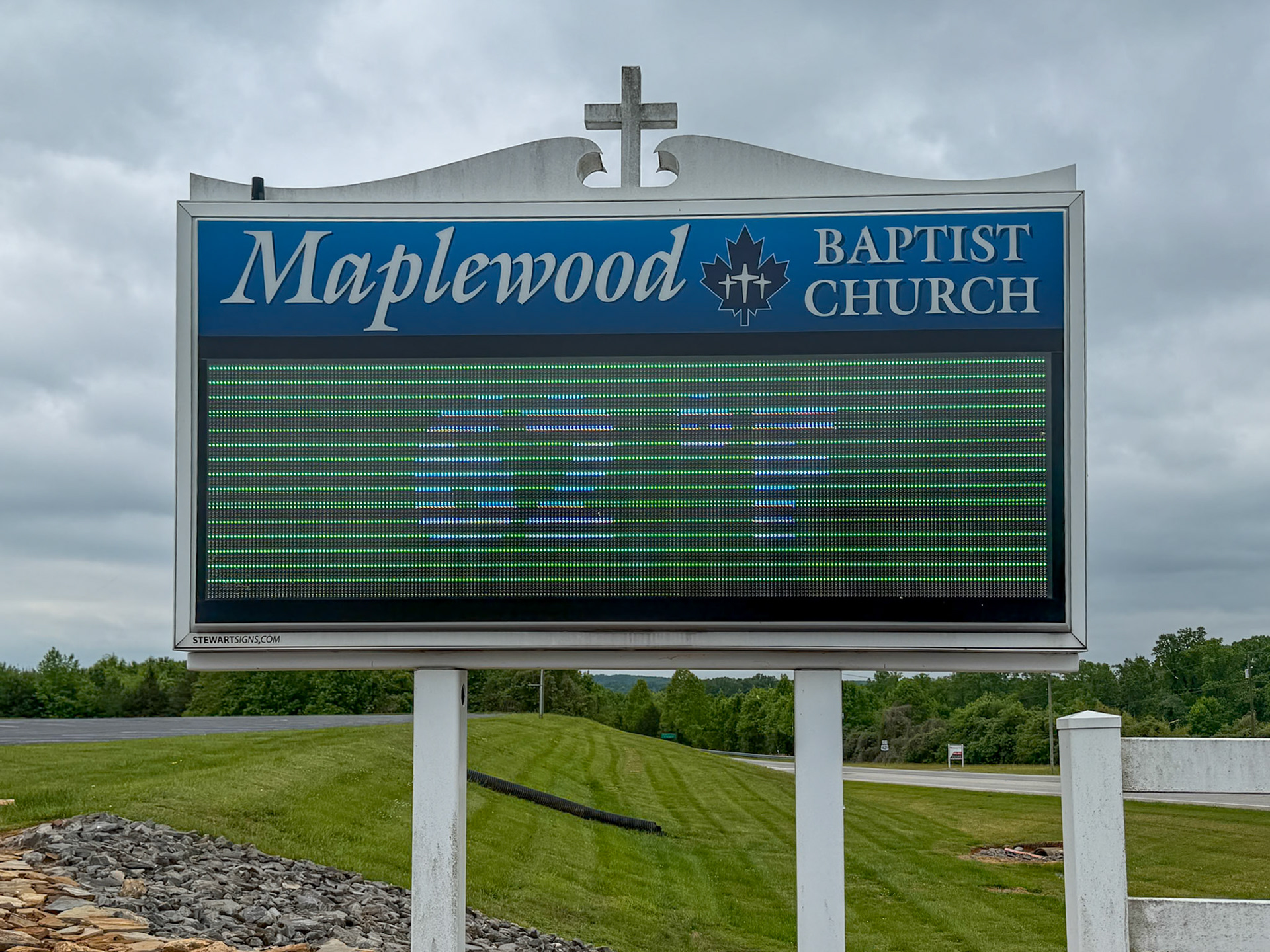
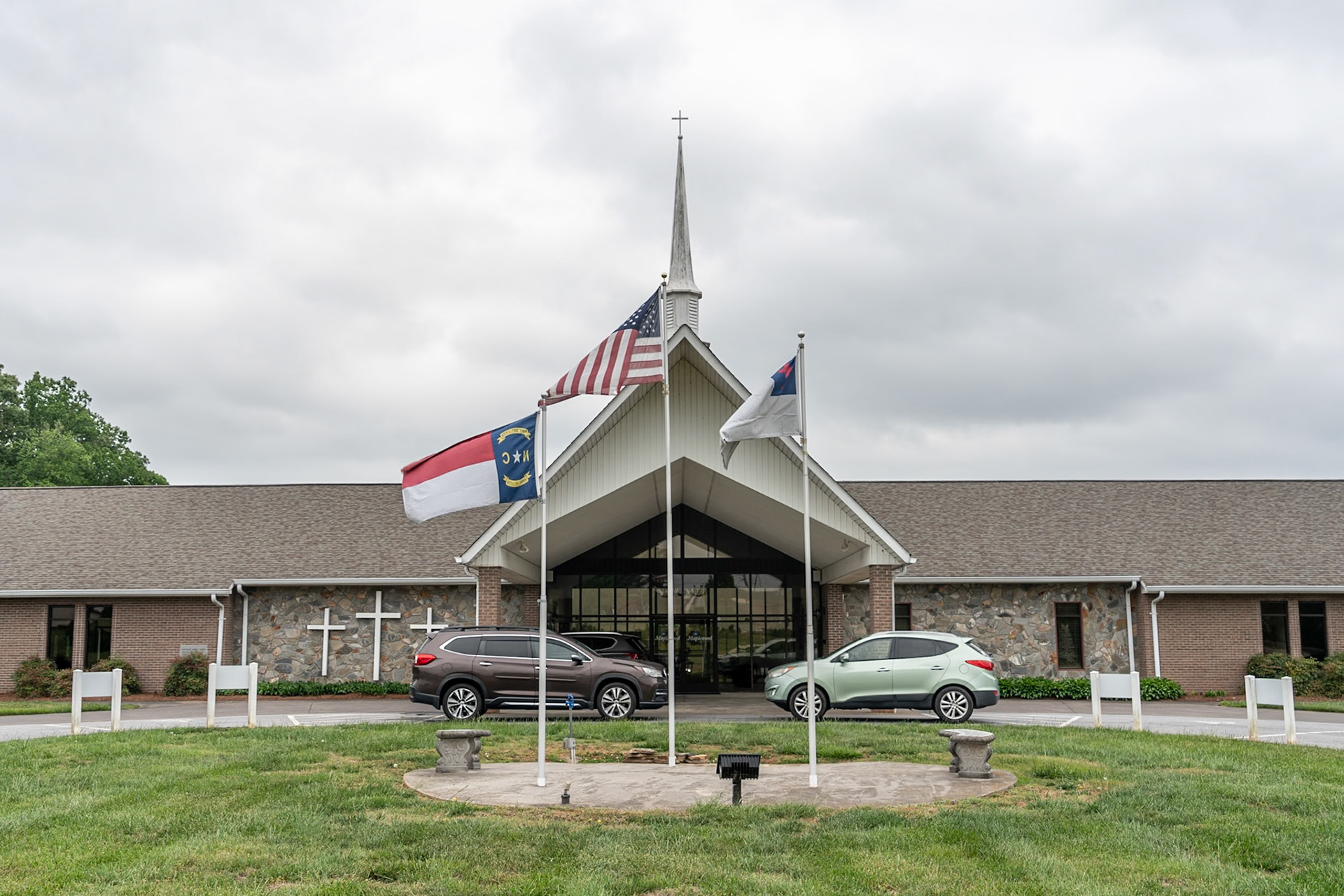
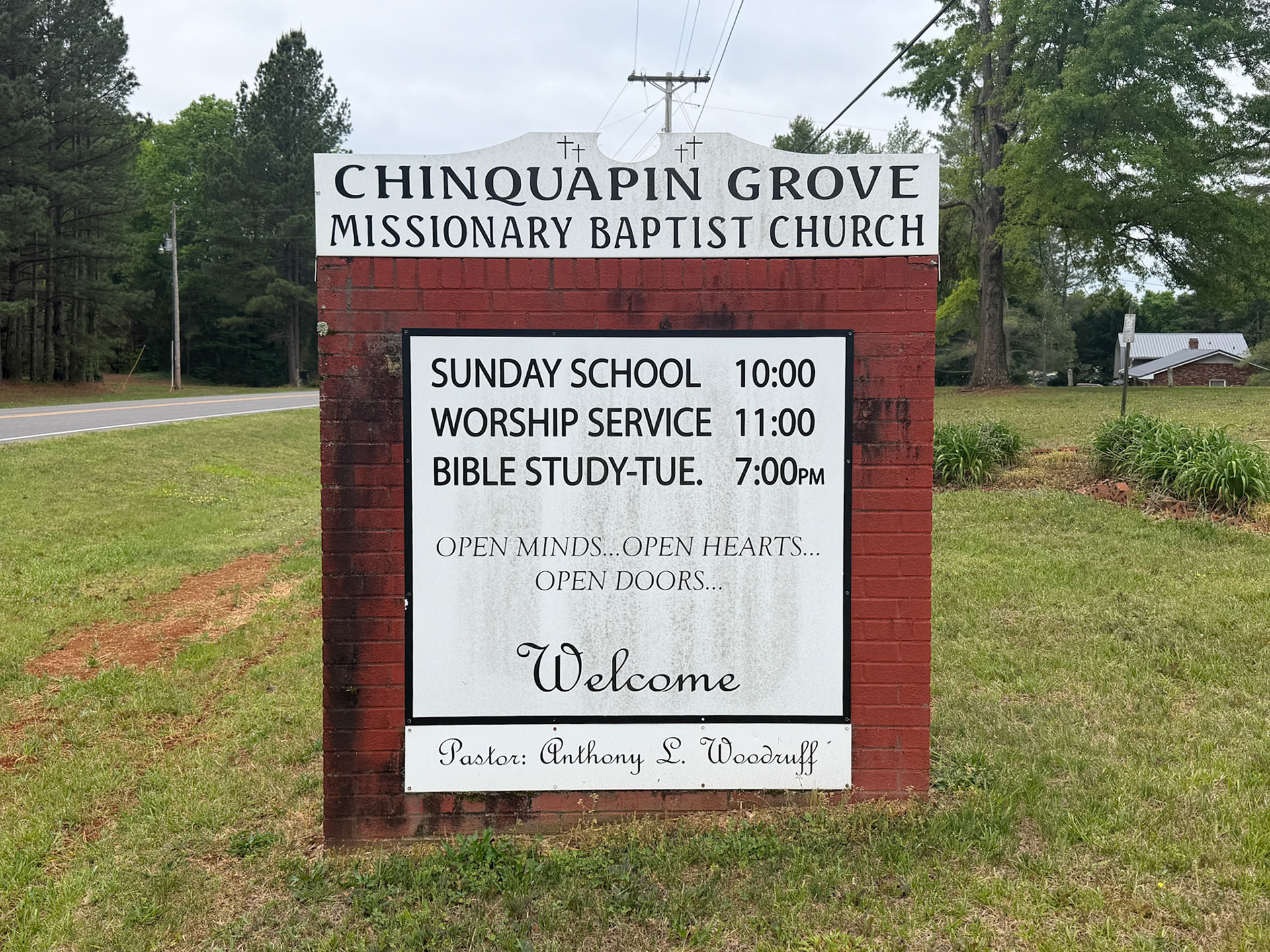
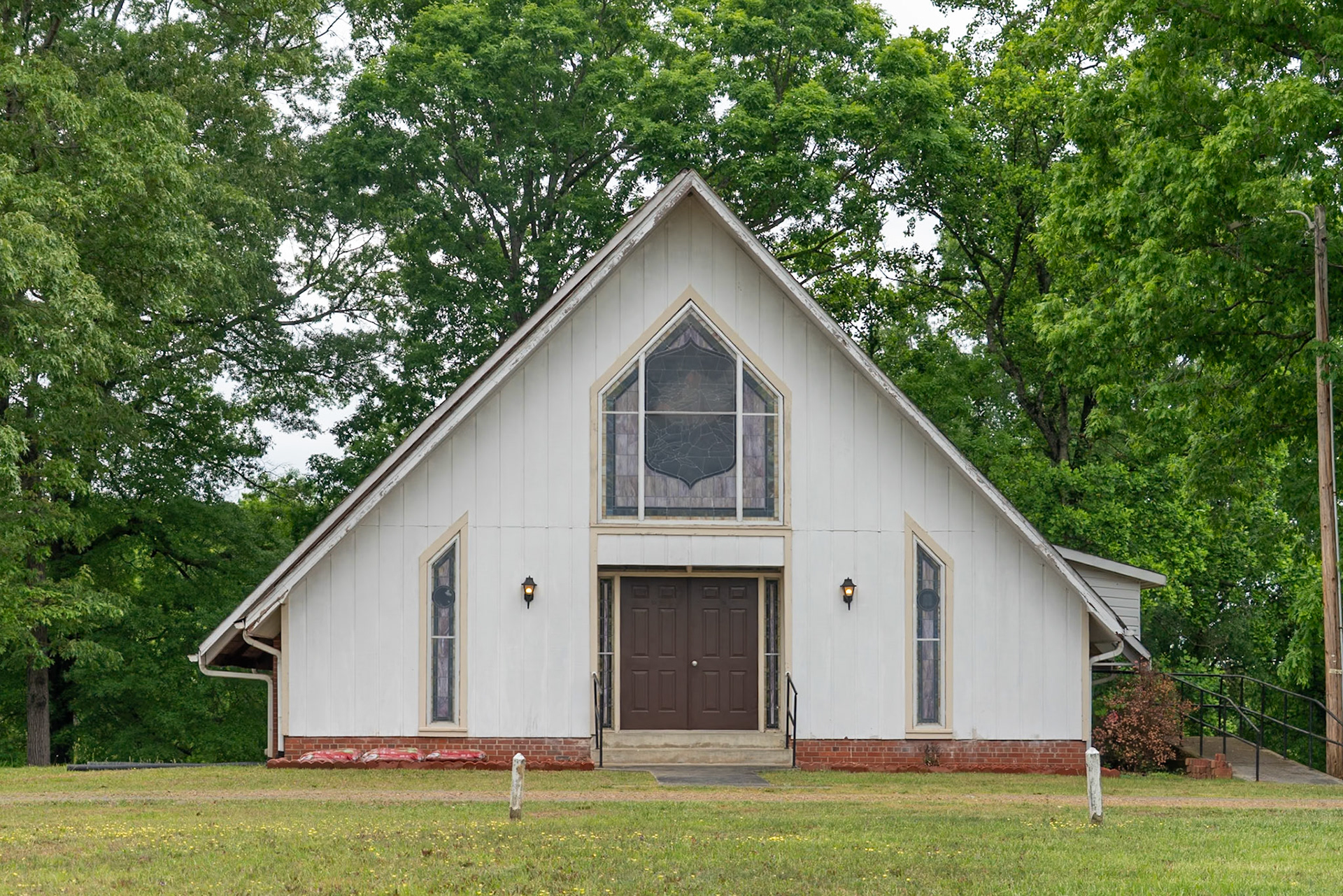
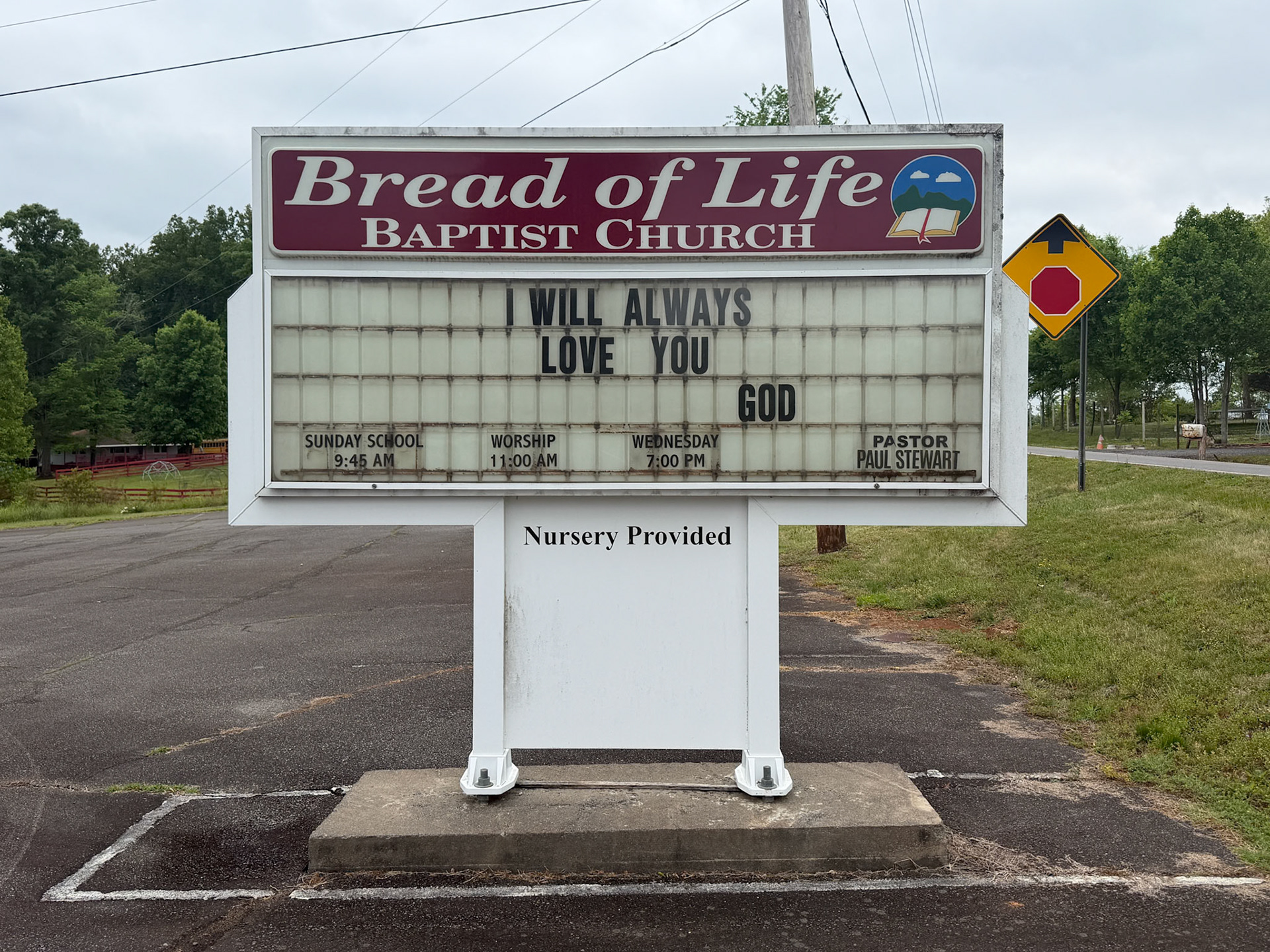
Yadkin County, North Carolina is not exceptional in any way, except for its position in the Bible Belt and that it is among the densest counties in the US for churches per capita. 90+ churches for 37000 residents means one for every 400 men, women and children, many in the same intersection. And many almost indistinguishable dogmatic and architectural clones. And all Christian.
As Christian Nationalism becomes a bigger and more destructive force in American life, it is worth examining its extensive root system and what continues to grow from it.
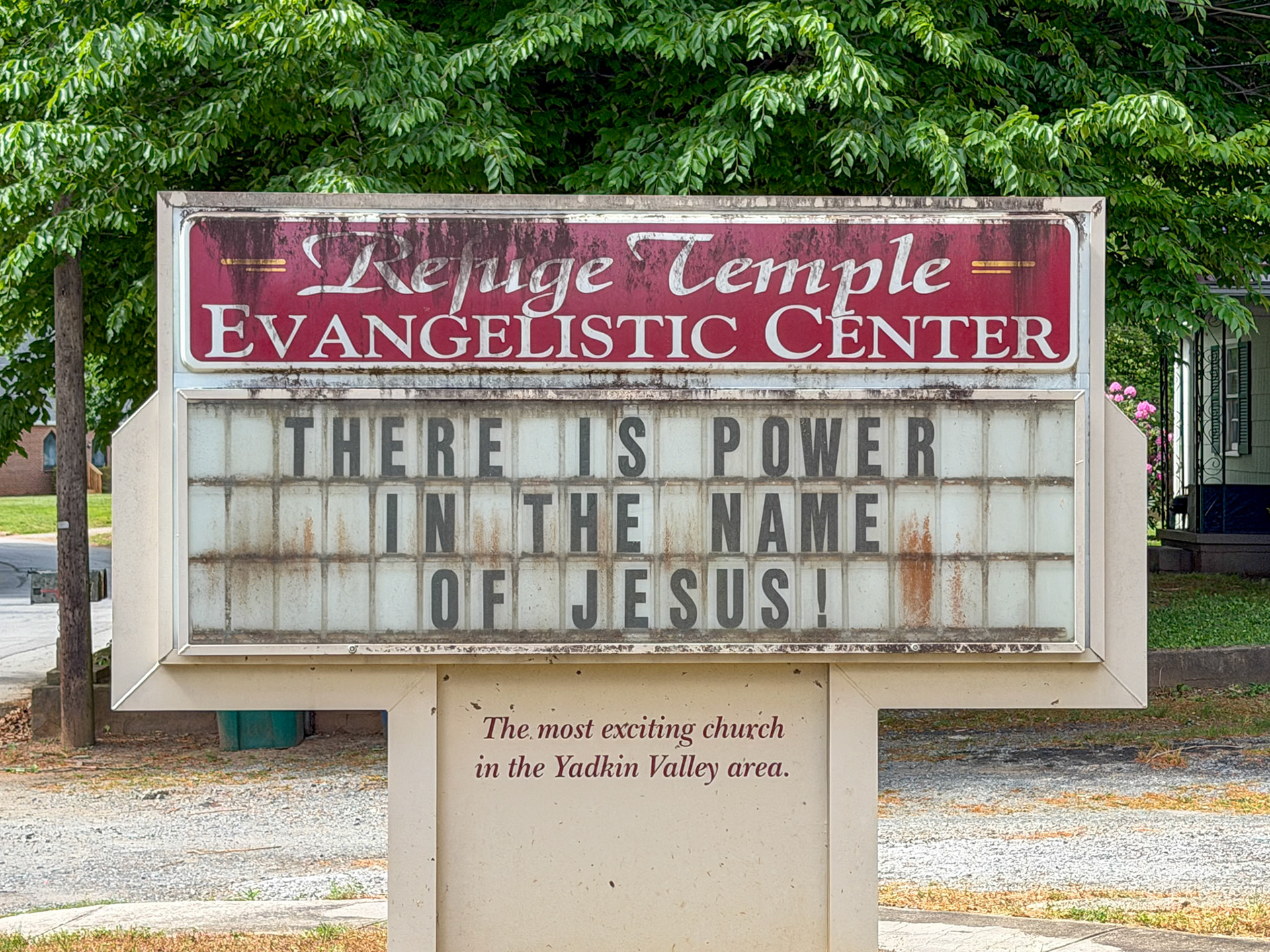
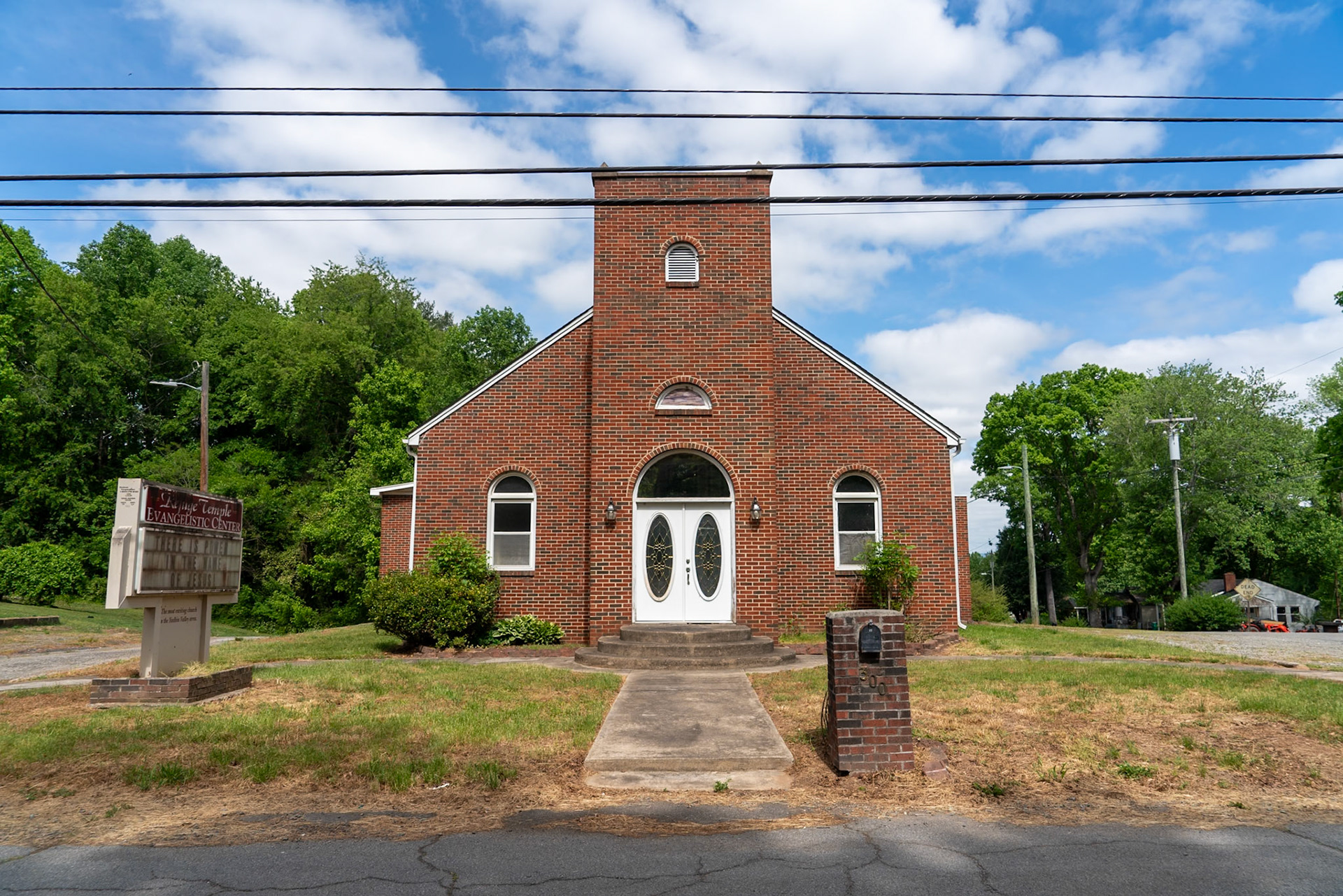
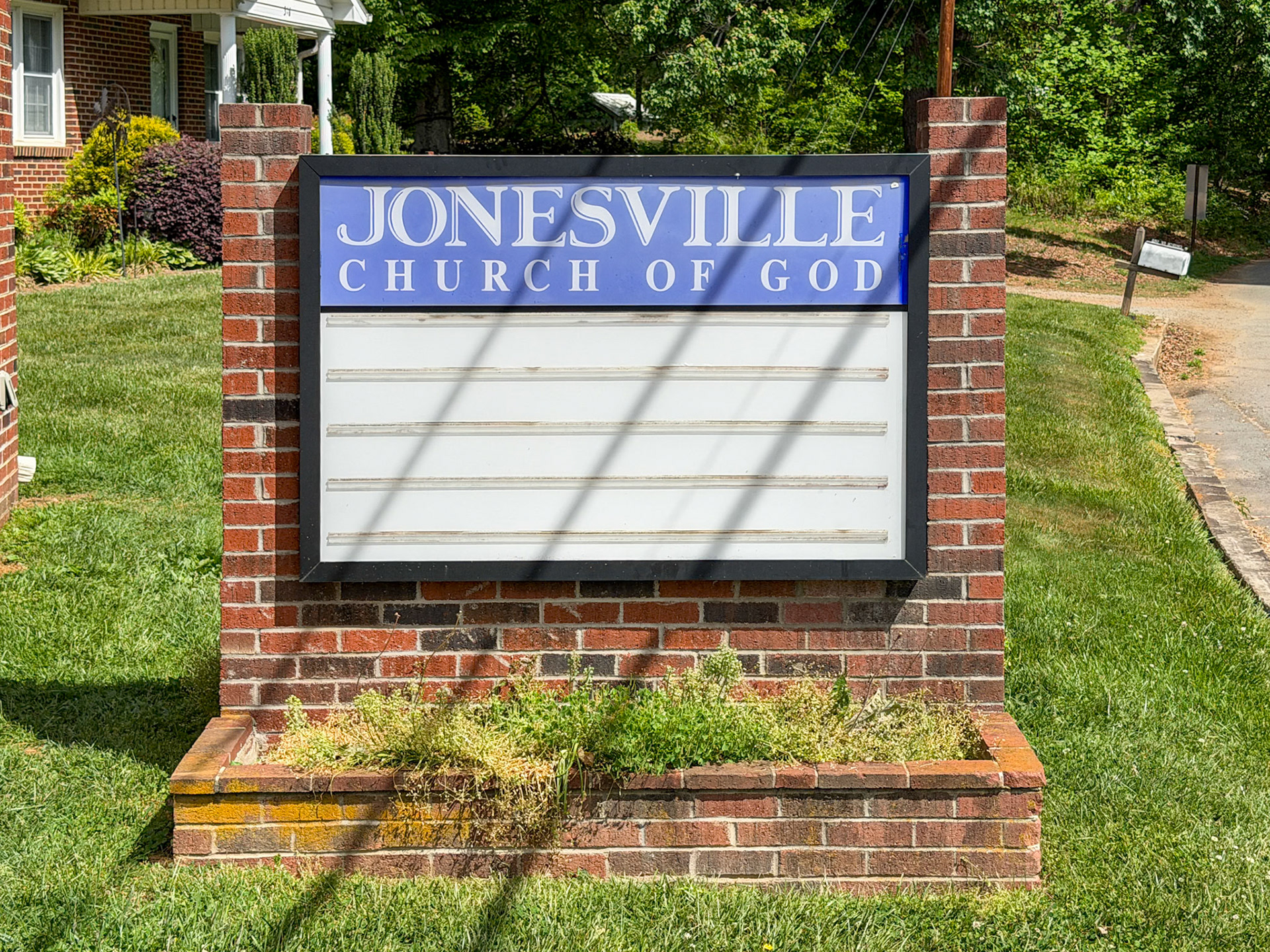
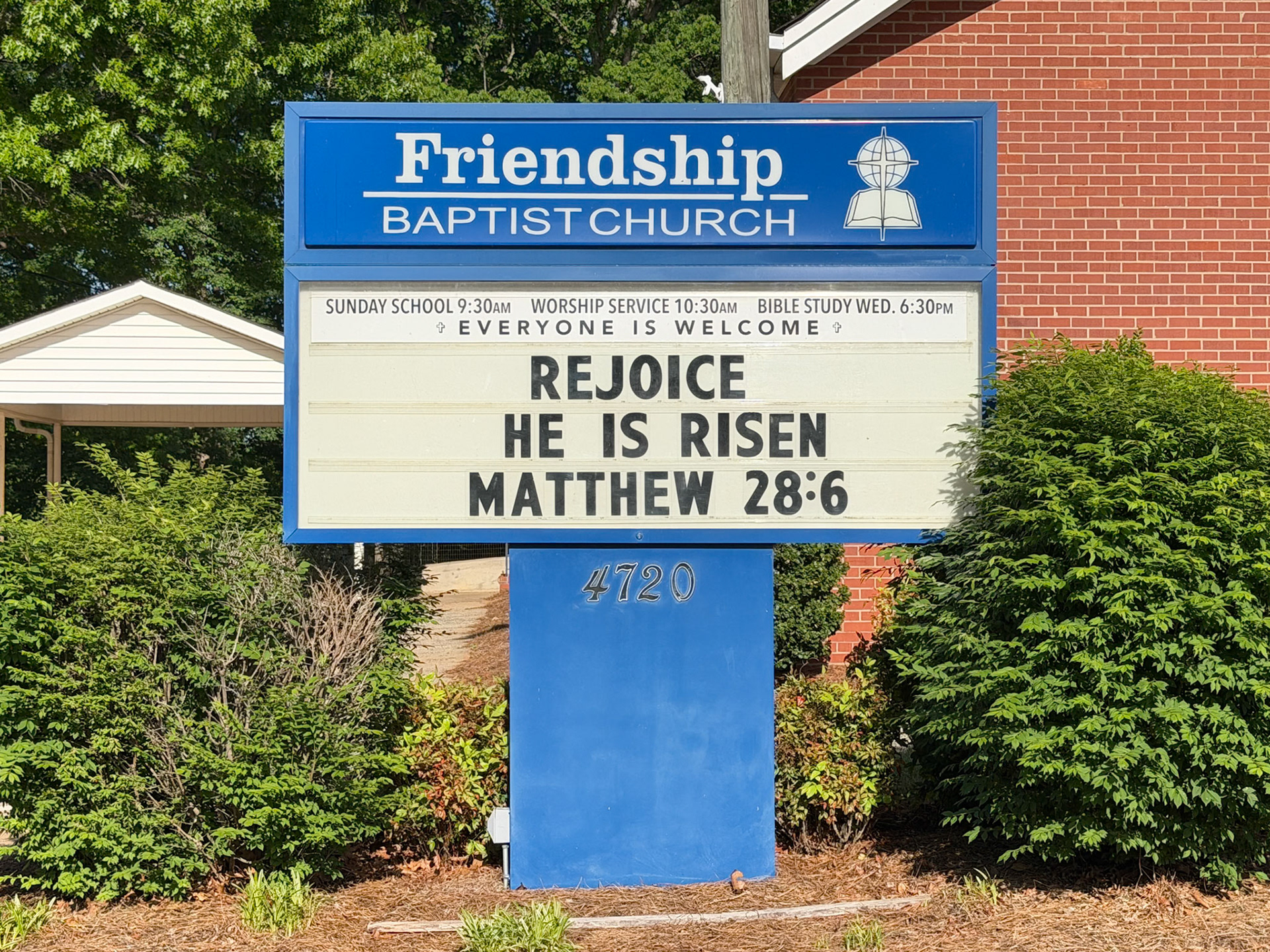
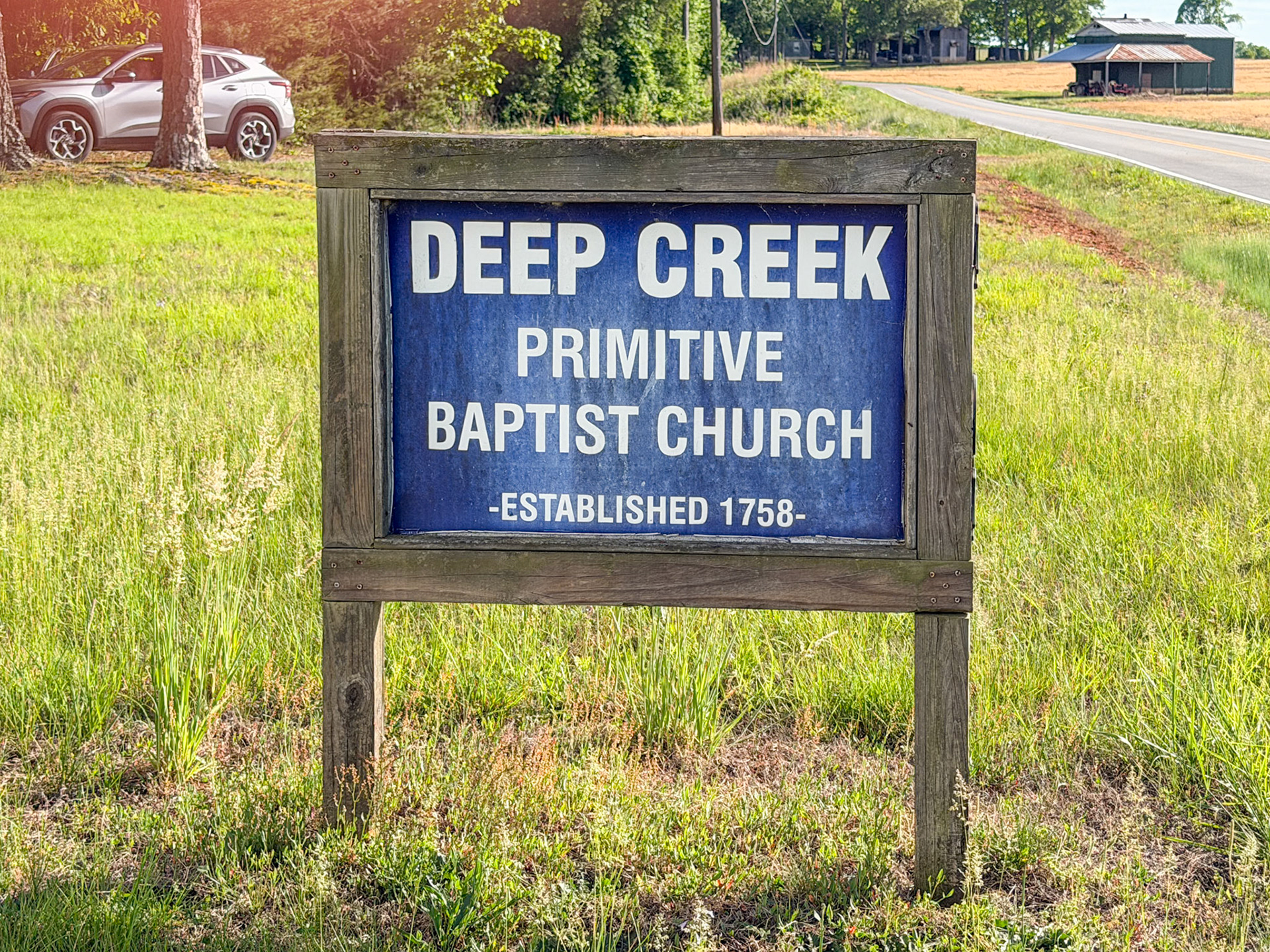
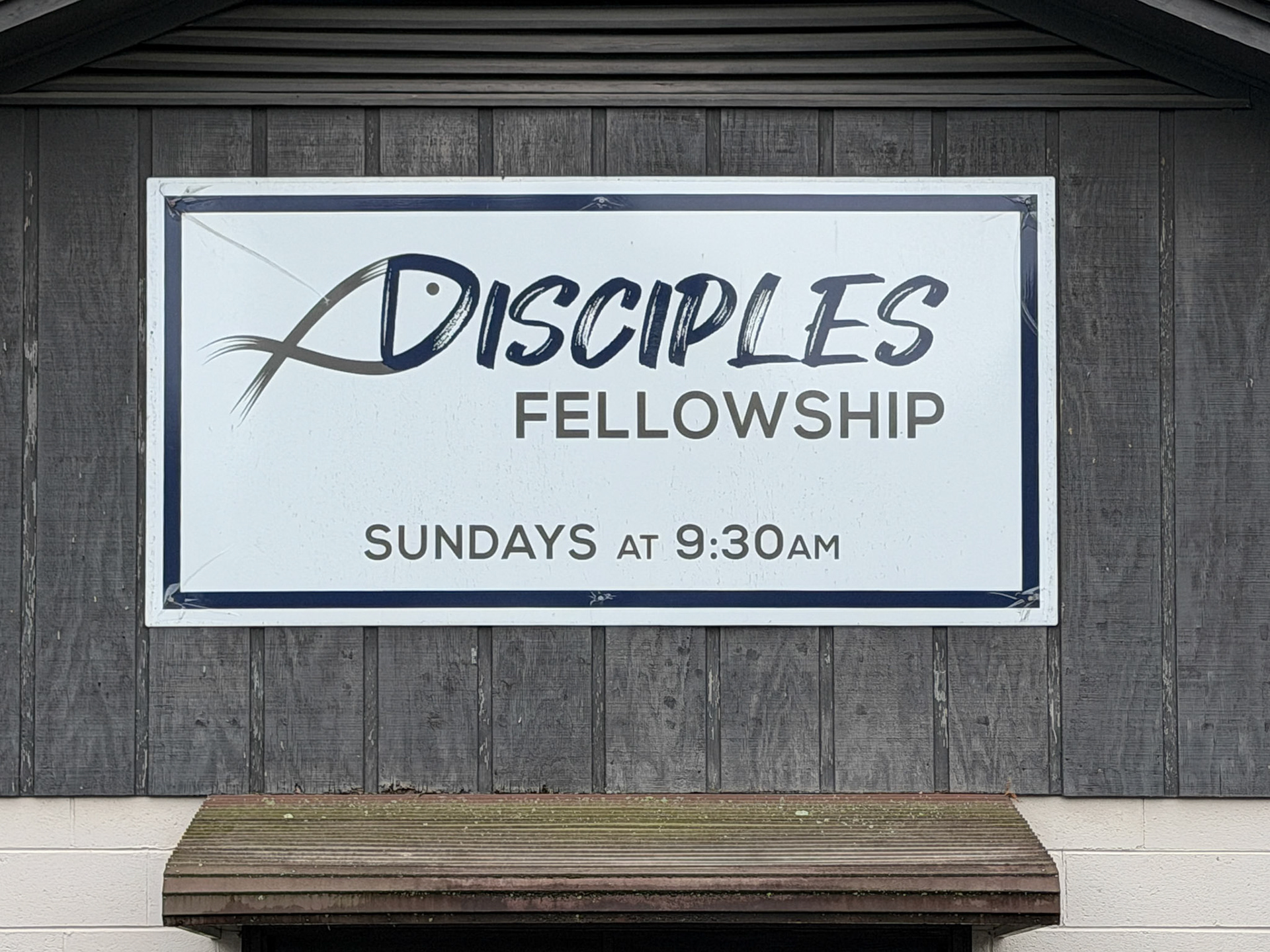
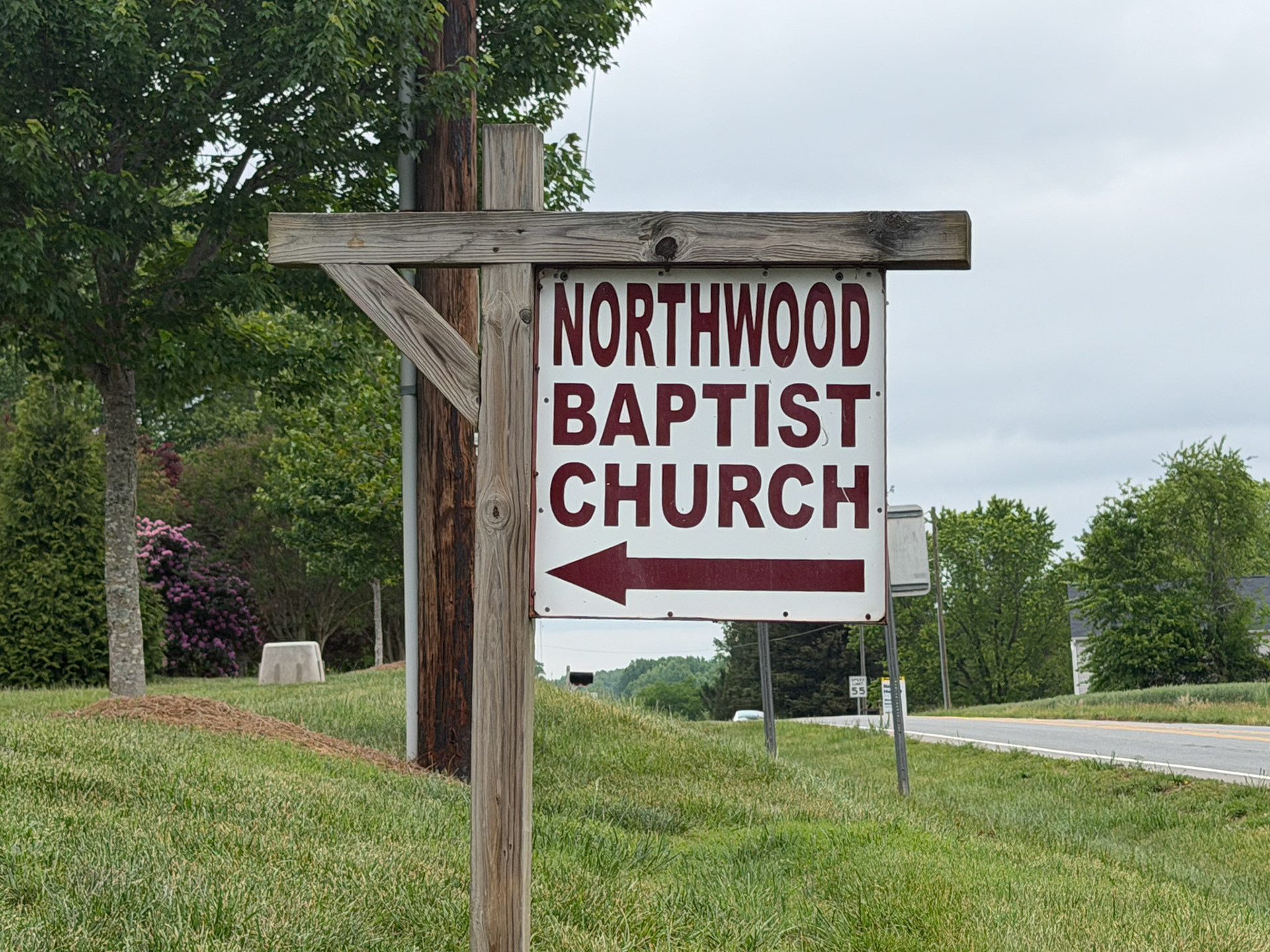
I ask the viewer to examine each church building, the accompanying sign and location and ponder the meaning for believers and non-believers.